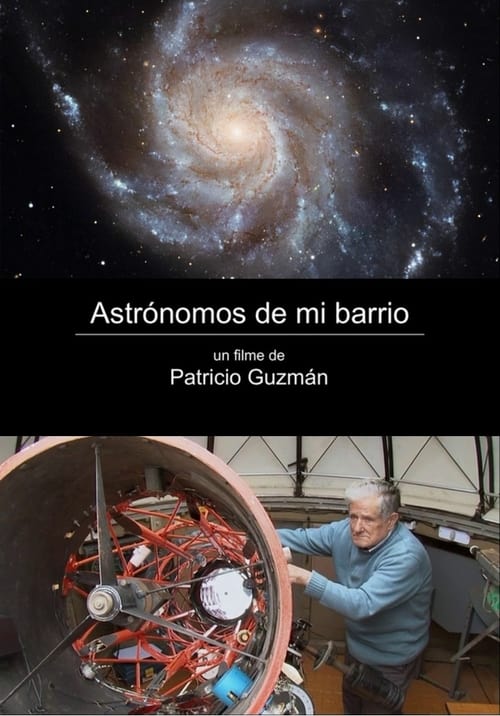
A short documentary of filmmaker Patricio Guzmán interviewing local astronomers.
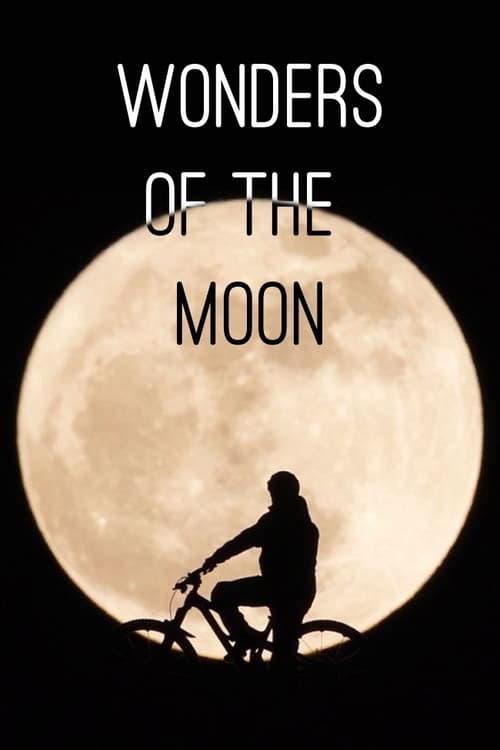
Documentary which uses the latest, most detailed imagery to reveal the monthly life cycle of the moon. From Wales to Wyoming, Hong Kong to Croydon, the programme finds out how the moon shapes life on Earth, as well as exploring its mysterious dark side and discovering how the moon's journey around Earth delivers one of nature's most awe-inspiring events - a total solar eclipse. And at the end of a remarkable year of lunar activity, we find out why so many supermoons have been lighting up the night sky.
This feature-length documentary is a portrait of eclipse chasers, people for whom solar eclipses - among nature's more spectacular phenomena – are a veritable obsession. The film follows 4 of them as they travel incredible distances to witness the last total eclipse of the millennium as it sweeps eastward across Europe to India. At various points along the way enthusiasts Alain Cirou in France, Paul Houde in Austria, Olivier Staiger in Germany and Debasis Sarkar in India offer their impressions of the historic event.
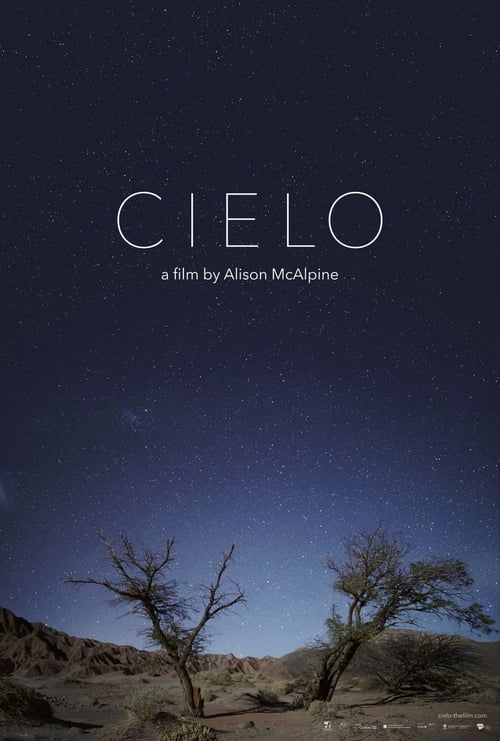
The first feature from Alison McAlpine is a dialogue with the heavens—in this case, the heavens above the Andes and the Atacama Desert in northern Chile, where she alights on the desert- and mountain-dwelling astronomers, fishermen, miners, and cowboys who live their lives with reverence and awe for the skies.
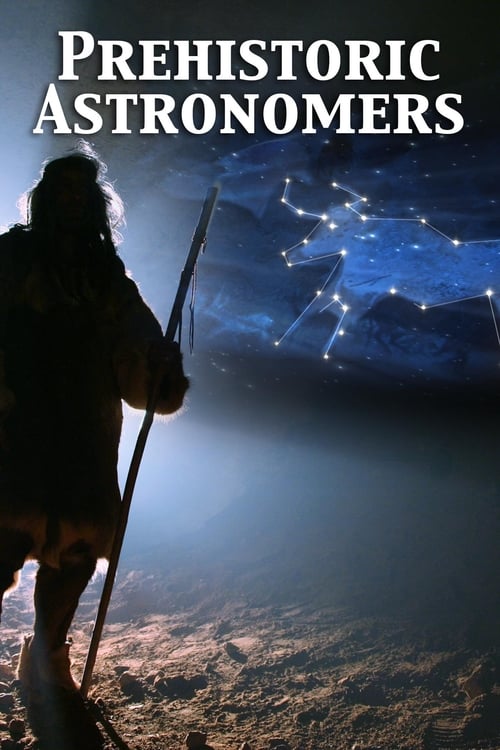
Cave paintings and lunar calendars exist in the caves and remains of prehistoric hunters studied recently. What if Prehistoric Man were clever enough to develop in depth scientific knowledge? As unlikely as it may seem, new data tend to prove that Prehistoric Man actually invented Astronomy!
Chaco Canyon, located in northwest New Mexico, is perhaps the only site in the world constructed in an elaborate pattern that mirrors the yearly cycle of the sun and the 19-year cycle of the moon. How did an ancient civilization, with no known written language, arrange its buildings into a virtual celestial calendar, spanning an area roughly the size of Ireland?
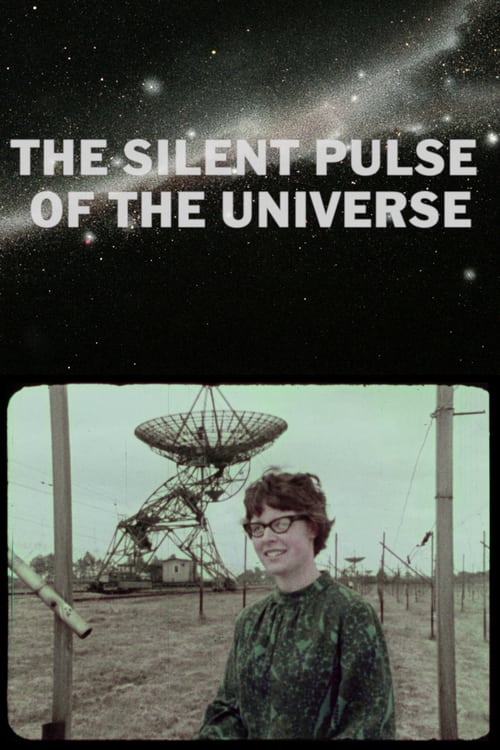
Part of the Almost Famous series. Jocelyn Bell was a graduate student at Cambridge in 1967 when she pushed through the skepticism from her superiors to make one of the greatest astrophysical discoveries of the twentieth century. While Jocelyn was belittled and sexually harassed by the media, the Nobel Prize was awarded to her professor and his boss.
No overview available.
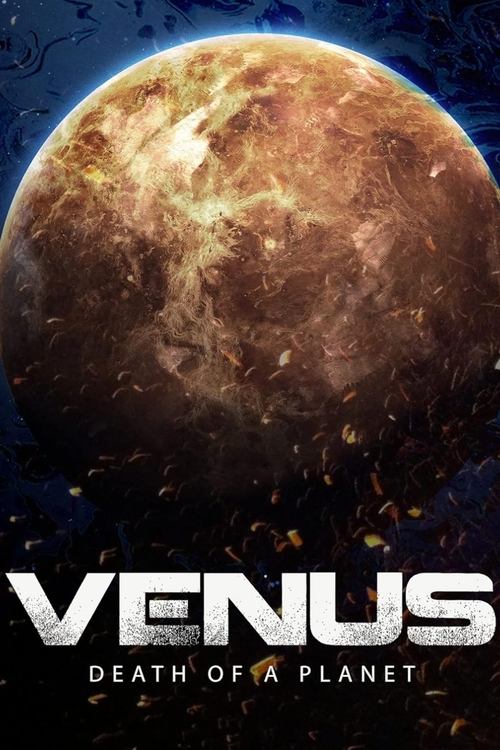
Billions of years ago, Venus may have harbored life-giving habitats similar to those on the early Earth. Today, Earth's twin is a planet knocked upside down and turned inside out. Its burned-out surface is a global fossil of volcanic destruction, shrouded in a dense, toxic atmosphere. Scientists are now unveiling daring new strategies to search for clues from a time when the planet was alive.
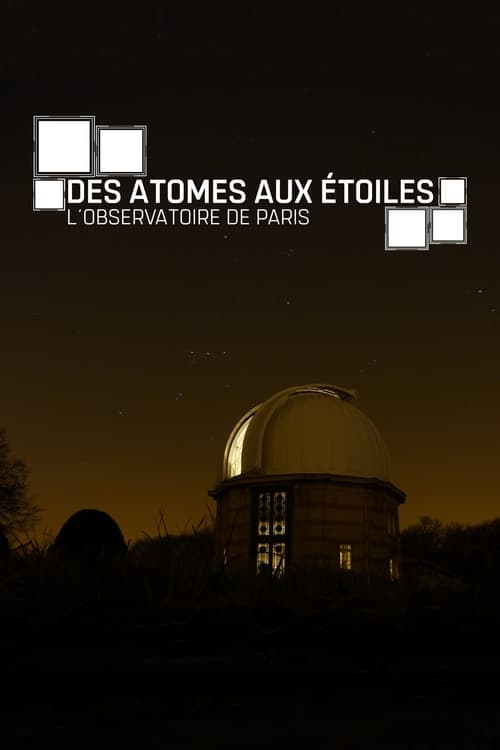
An incredible travel through space and time between the walls of the Paris Observatory, which is celebrating its 350th birthday. Place of discoveries such as speed of light or Neptune’s existence, it is still today one of the oldest operating observatories and the greatest hub in the world for astronomy and astrophysics researches, second only to Harvard.
The ancients hid the secrets of their incredible knowledge of astronomy in their temples and palaces, built to align with the sun, on the same day, all over the world. Revealing our species' obsession with the sun, across thousands of years and every continent, this is architectural magic on a cosmic scale.
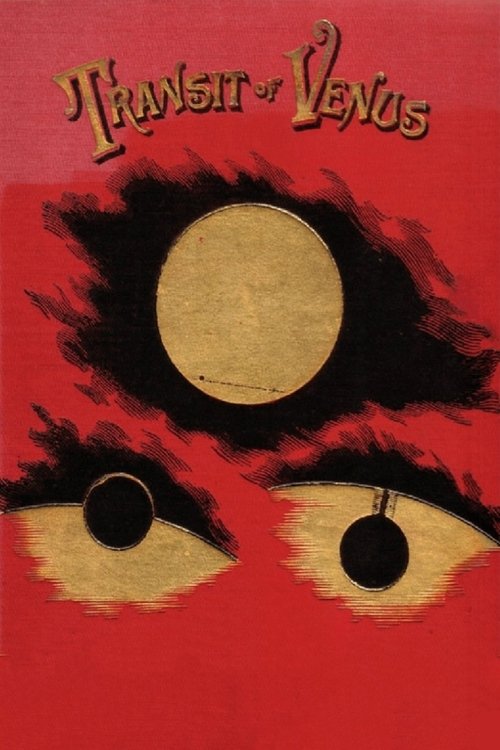
Photo sequence of the rare transit of Venus over the face of the Sun, one of the first chronophotographic sequences. In 1873, P.J.C. Janssen, or Pierre Jules César Janssen, invented the Photographic Revolver, which captured a series of images in a row. The device, automatic, produced images in a row without human intervention, being used to serve as photographic evidence of the passage of Venus before the Sun, in 1874.
It is the birth of neutrino astronomy. For the first time, astrophysicists can detect extra-terrestrial neutrinos in ice on the South Pole. The fundamental questions of science remain unanswered., how did the universe come to be? What keeps our world together? The newly discovered extra-galactic neutrinos may hold the keys to answering these questions.
In our terrestrial view of things, the speed of light seems incredibly fast. But as soon as you view it against the vast distances of the universe, it's unfortunately very slow. This animation illustrates, in realtime, the journey of a photon of light emitted from the surface of the sun and traveling across a portion of the solar system, from a human perspective. Liberties were taken with certain things like the alignment of planets and asteroids, as well as ignoring the laws of relativity concerning what a photon actually "sees" or how time is experienced at the speed of light, but overall the size and distances of all the objects were kept as accurate as possible. It was also decided to end the animation just past Jupiter to keep the running length below an hour.
In Chile's Atacama Desert, astronomers peer deep into the cosmos in search for answers concerning the origins of life. Nearby, a group of women sift through the sand searching for body parts of loved ones, dumped unceremoniously by Pinochet's regime.
For more than 50 years, we’ve been unsuccessfully searching for any evidence of intelligent extraterrestrial life. But, the discovery of thousands of exoplanets has meant the hope of finding them is higher than ever. If any messages could eventually be decoded and answered in any far, far away star, it could radically transform our consciousness as species and our place in the universe. A message from the stars changes life on Earth… forever.
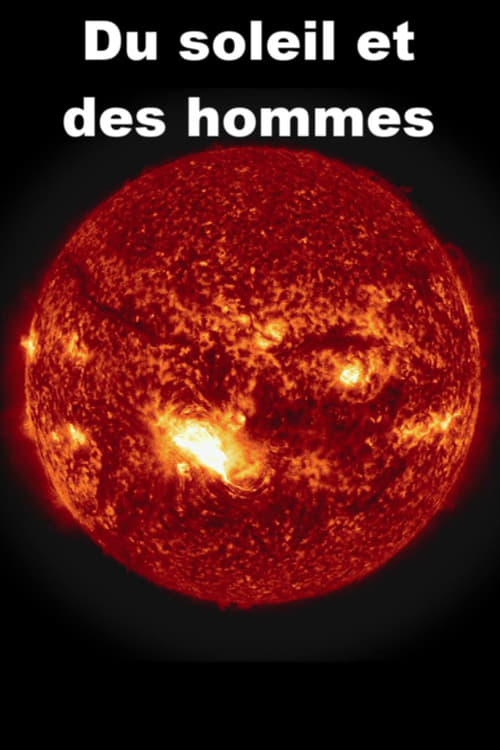
The Sun was born way before Man existed. What exact role did the Sun play in the emergence of life and Mankind? When did Humanity identify it? Then deify it? At what point did Man want to understand it? When and how was the Sun used by Man? The Sun is everywhere and is the origin of everything. We are going to show that our culture, our daily lives, our society, our bodies and our lifestyles are all derived from the Sun and are dependent on the Sun. We will go back in time, go back in history to understand the relationship between Man and the Sun.
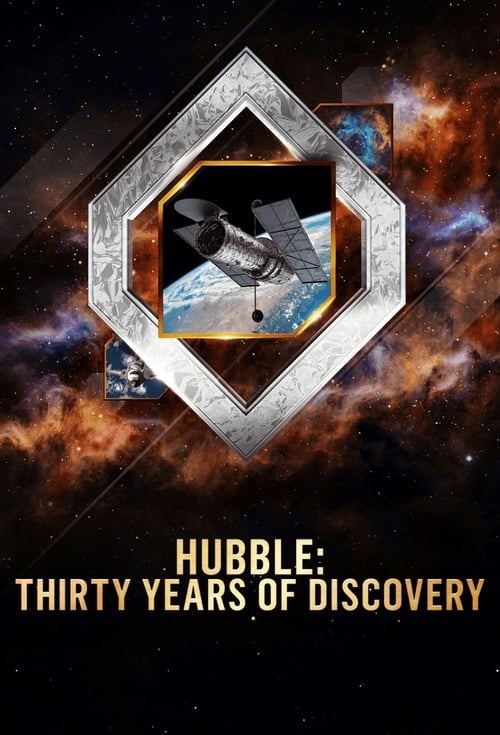
For thirty years, NASA's Hubble Space Telescope has discovered new alien worlds, black holes, and the age of the universe itself; NASA astronauts reveal the secret history of the life-or-death missions to keep this complex machine working.
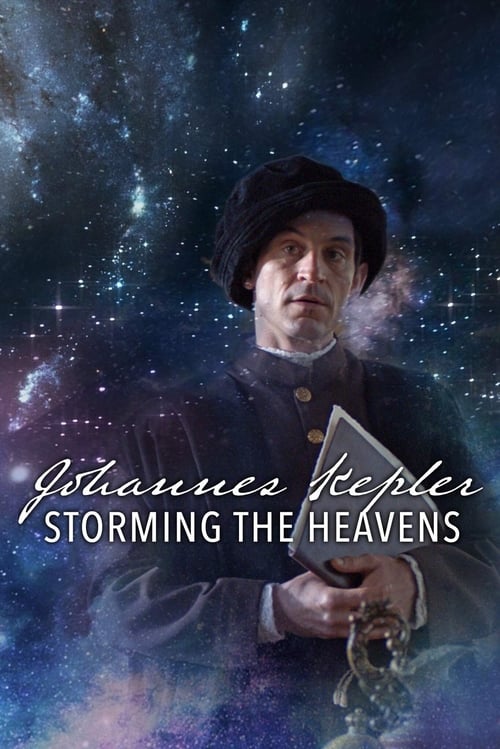
Nowadays we associate Johannes Kepler with his famous laws of planetary motion. But the history of his discoveries is a drama of Shakespearian proportions - full of intrigue, passion, depravity and corruption.
Although the mountain volcano Mauna Kea last erupted around 4,000 years ago, it is still hot today, the center of a burning controversy over whether its summit should be used for astronomical observatories or preserved as a cultural landscape sacred to the Hawaiian people. For five years the documentary production team Nā Maka o ka 'Āina ("the eyes of the land") captured on video the seasonal moods of Mauna Kea's unique 14,000-foot summit, the richly varied ecosystems that extend from sea level to alpine zone, the legends and stories that reveal the mountain's geologic and cultural history, and the political turbulence surrounding the efforts to protect the most significant temple in the islands: the mountain itself.
No Trailers found.
No Cast found.