No Trailers found.
No Cast found.
This feature-length documentary is a portrait of eclipse chasers, people for whom solar eclipses - among nature's more spectacular phenomena – are a veritable obsession. The film follows 4 of them as they travel incredible distances to witness the last total eclipse of the millennium as it sweeps eastward across Europe to India. At various points along the way enthusiasts Alain Cirou in France, Paul Houde in Austria, Olivier Staiger in Germany and Debasis Sarkar in India offer their impressions of the historic event.
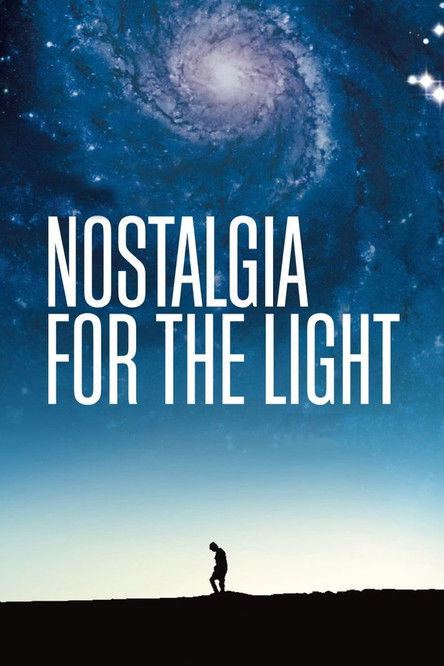
The first feature from Alison McAlpine is a dialogue with the heavens—in this case, the heavens above the Andes and the Atacama Desert in northern Chile, where she alights on the desert- and mountain-dwelling astronomers, fishermen, miners, and cowboys who live their lives with reverence and awe for the skies.
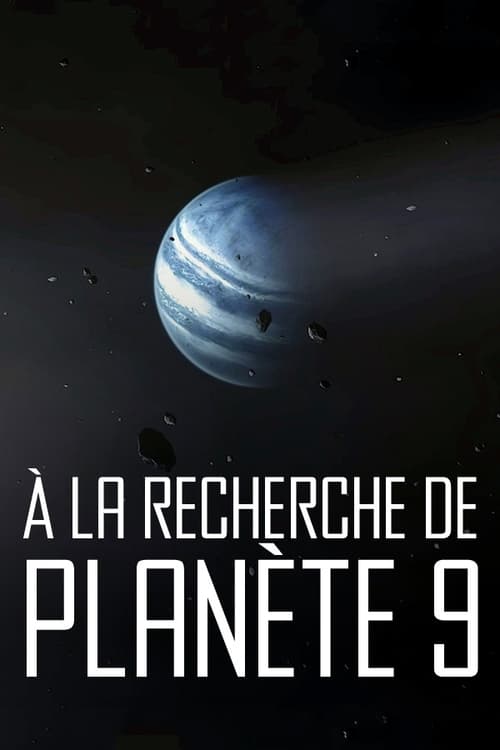
At the edge of our solar system supposedly lies an immense planet. Five to ten times the size of the Earth. Several international teams of scientists have been competing in a frantic race to detect it, in uncharted territories, far beyond Neptune. The recent discovery of several dwarf planets, with intriguing trajectories, have put astronomers on the trail of this mysterious planet. Why is this enigmatic planet so difficult to detect? What would a ninth planet teach us about our corner of the universe? Could it help us unlock some of the mysteries of our solar system?
"What's on your mind?" It's the friendly Facebook question which lets you share how you're feeling. It's also the question that unlocks the details of your life and helps turn your thoughts into profits.
Pioneers in Skirts is an Emmy-nominated 60-min documentary following filmmaker Ashley Maria’s quest to peel back the layers of obstacles that can limit a woman or girl's pioneering ambition.
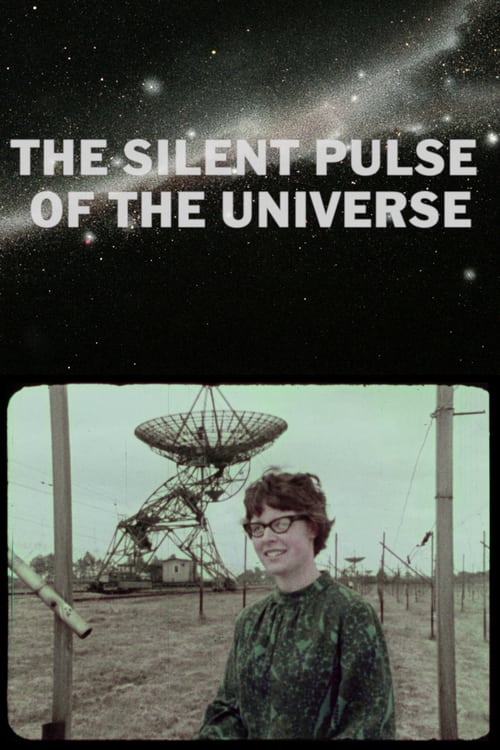
Part of the Almost Famous series. Jocelyn Bell was a graduate student at Cambridge in 1967 when she pushed through the skepticism from her superiors to make one of the greatest astrophysical discoveries of the twentieth century. While Jocelyn was belittled and sexually harassed by the media, the Nobel Prize was awarded to her professor and his boss.
Cave paintings and lunar calendars exist in the caves and remains of prehistoric hunters studied recently. What if Prehistoric Man were clever enough to develop in depth scientific knowledge? As unlikely as it may seem, new data tend to prove that Prehistoric Man actually invented Astronomy!
Chaco Canyon, located in northwest New Mexico, is perhaps the only site in the world constructed in an elaborate pattern that mirrors the yearly cycle of the sun and the 19-year cycle of the moon. How did an ancient civilization, with no known written language, arrange its buildings into a virtual celestial calendar, spanning an area roughly the size of Ireland?
Documentary telling the story of silicon chip inventor Robert Noyce, godfather of today's digital world. Re-living the heady days of Silicon Valley's seminal start-ups, the film tells how Noyce also founded Intel, the company responsible for more than 80 per cent of the microprocessors in personal computers.
A team of scientists search for the lost island of Testerep in front of the Belgian coast, venturing into artificial landscapes and virtual realities.
Artificial intelligence is taking on different roles in the filmmaking space. The questions we must ask ourselves are: what are the pros and cons of this advancement? How can we work with it, and what power do we have as human beings in the face of this technology?
Nowadays we associate Johannes Kepler with his famous laws of planetary motion. But the history of his discoveries is a drama of Shakespearian proportions - full of intrigue, passion, depravity and corruption.
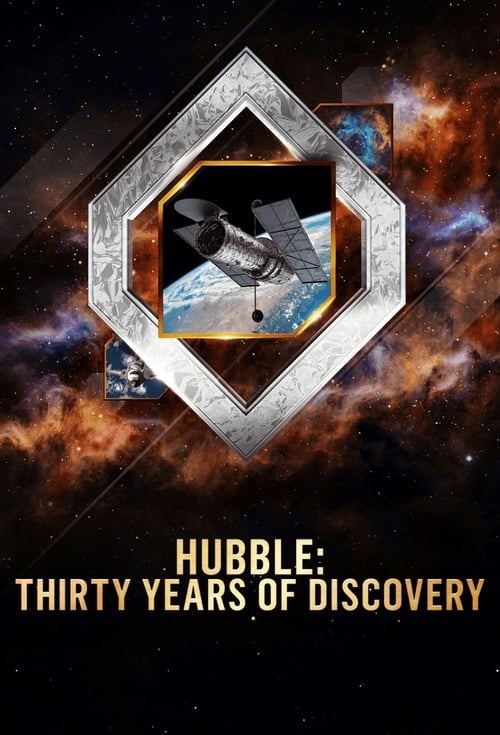
For thirty years, NASA's Hubble Space Telescope has discovered new alien worlds, black holes, and the age of the universe itself; NASA astronauts reveal the secret history of the life-or-death missions to keep this complex machine working.
Follow three rocket and satellite companies – Astra Space, Rocket Lab, and Planet Labs – and the quests of their idiosyncratic founders to conquer the burgeoning space industry.
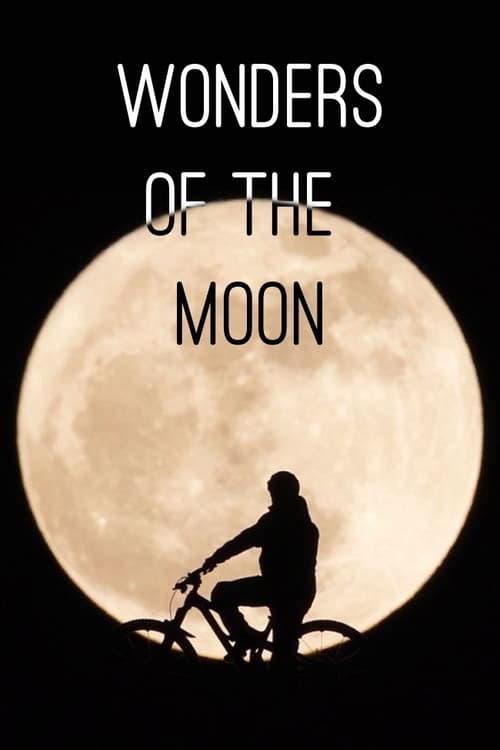
Documentary which uses the latest, most detailed imagery to reveal the monthly life cycle of the moon. From Wales to Wyoming, Hong Kong to Croydon, the programme finds out how the moon shapes life on Earth, as well as exploring its mysterious dark side and discovering how the moon's journey around Earth delivers one of nature's most awe-inspiring events - a total solar eclipse. And at the end of a remarkable year of lunar activity, we find out why so many supermoons have been lighting up the night sky.
In Chile's Atacama Desert, astronomers peer deep into the cosmos in search for answers concerning the origins of life. Nearby, a group of women sift through the sand searching for body parts of loved ones, dumped unceremoniously by Pinochet's regime.
Dr. Heinz Haber, a noted scientist in the field of atomic energy, hosts this look at the possibility of an exciting new power source. He starts by comparing atomic energy to a genie in a bottle, both of which capable of doing both good and evil, and it is up to humankind to develop safe controls over this largely unexplored science.
In our terrestrial view of things, the speed of light seems incredibly fast. But as soon as you view it against the vast distances of the universe, it's unfortunately very slow. This animation illustrates, in realtime, the journey of a photon of light emitted from the surface of the sun and traveling across a portion of the solar system, from a human perspective. Liberties were taken with certain things like the alignment of planets and asteroids, as well as ignoring the laws of relativity concerning what a photon actually "sees" or how time is experienced at the speed of light, but overall the size and distances of all the objects were kept as accurate as possible. It was also decided to end the animation just past Jupiter to keep the running length below an hour.
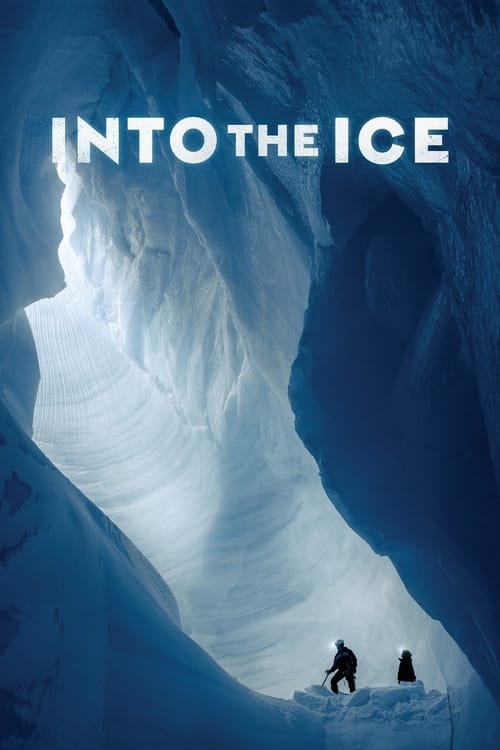
In the Greenland ice sheet we can see our future. The film travels with three pioneering glaciologist on their expeditions INTO the inland ice of Greenland. Top-notch science meets breathtaking visuals when one of them descends into a 200 meter deep moulin hole to find out about the bottom of the ice sheet. What they find may sound the alarm for our planet's climate and is a clear call to act now.
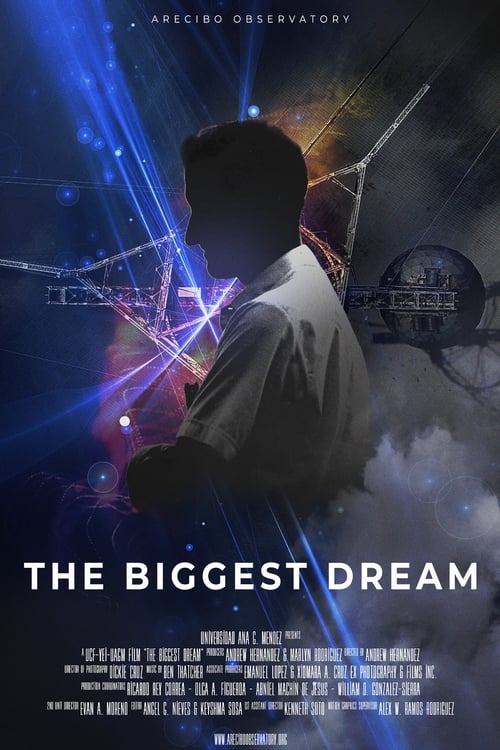
The loss of the Bill E. Gordon radio telescope has left a void in the world of radio science, the mountains that cradled it, and the hearts of many visitors and enthusiasts who appreciated the beautiful engineering marvel. It’s a difficult time for the scientists and those who grew up seeing the telescope every day in the fields of atmospheric science, planetary science, and Radio astronomy. Experience the legacy of a 57 year journey, from the small island of Puerto Rico to the deepest regions of the galaxy with the world's most powerful telescope.