Em is an escort girl and a heroin addict. From New York to Los Angeles via Pittsburgh, Em’s daily life is revealed.
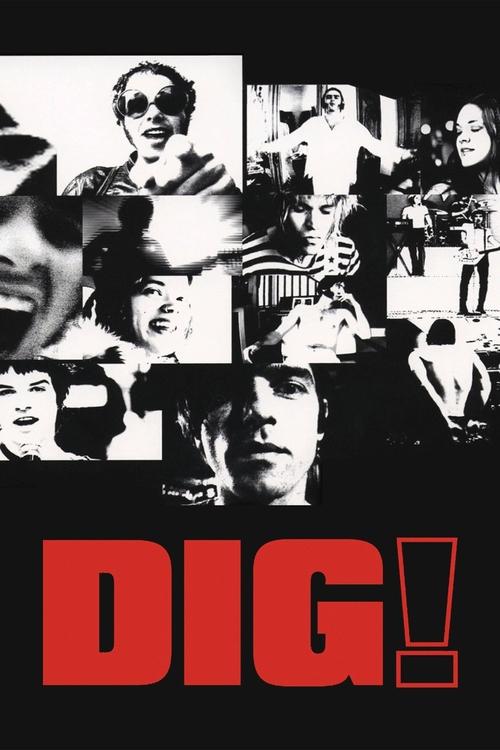
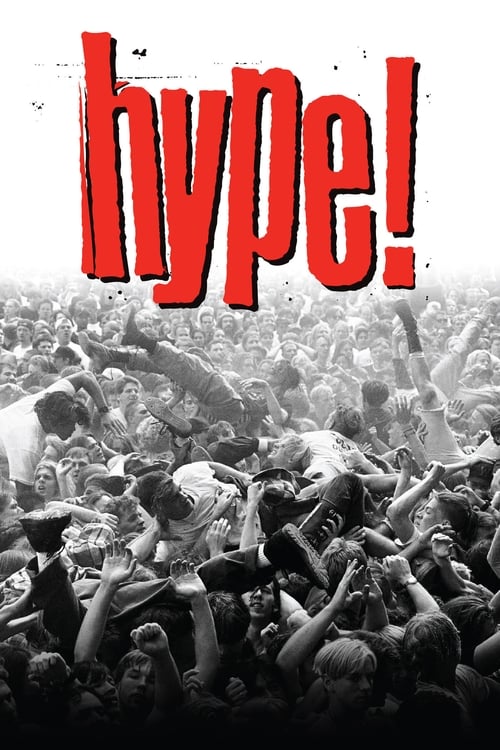
A documentary on the once promising American rock bands The Brian Jonestown Massacre and The Dandy Warhols. The friendship between respective founders, Anton Newcombe and Courtney Taylor, escalated into bitter rivalry as the Dandy Warhols garnered major international success while the Brian Jonestown Massacre imploded in a haze of drugs.
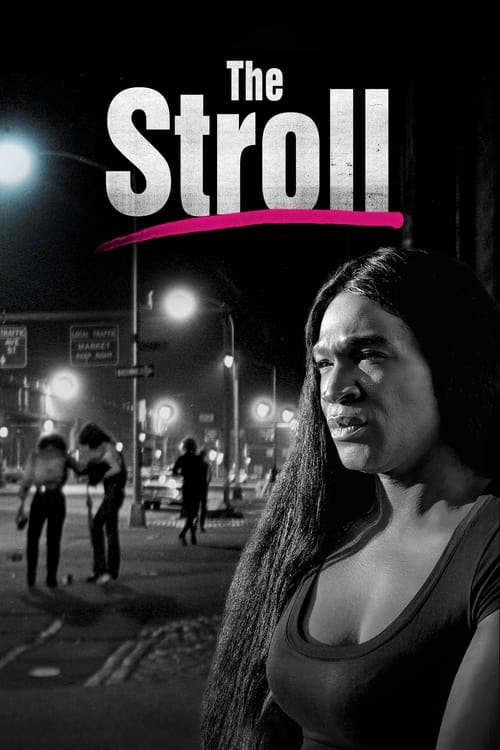
The history of New York’s Meatpacking District, told from the perspective of transgender sex workers who lived and worked there. Filmmaker Kristen Lovell, who walked “The Stroll” for a decade, reunites her community to recount the violence, policing, homelessness, and gentrification they overcame to build a movement for transgender rights.
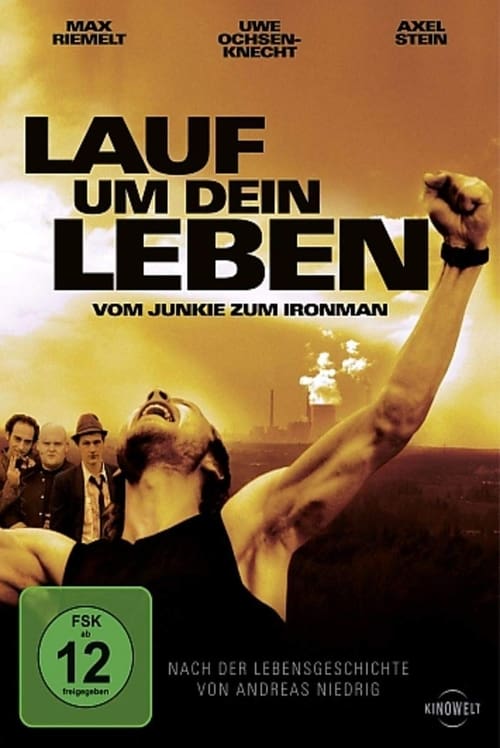
He lived the junkie's life as a heroin addict. Triathlon transformed him. Biopic of the record breaking Ironman Andreas Niedrig.
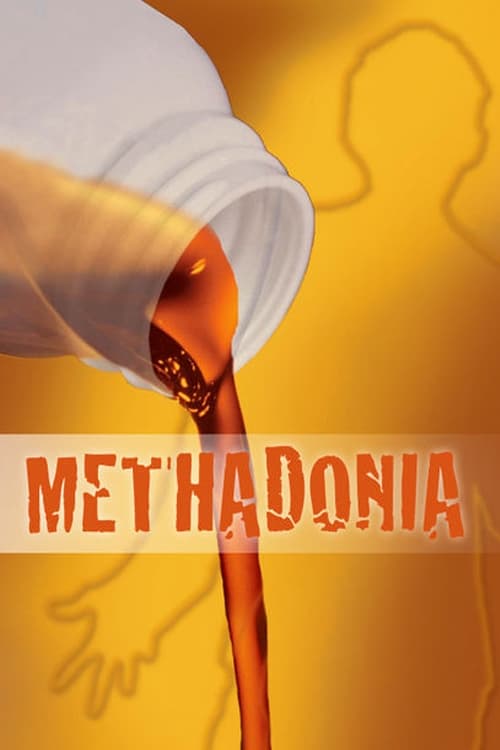
Shot over the course of 18 months in New York City's Lower East Side, METHADONIA sheds light on the inherent flaws of legal methadone treatments for heroin addiction by profiling eight addicts, in various stages of recovery and relapse, who attend the New York Center for Addiction Treatment Services (NYCATS).
This documentary examines the Seattle scene as it became the focus of a merging of punk rock, heavy metal, and innovation. Building from the grass roots, self-promoted and self-recorded until break-out success of bands like Nirvana brought the record industry to the Pacific Northwest, a phenomenon was born.
Sports enthusiast Ernest is to cover 6,000 kilometers on his motorcycle in 15 days, crossing Austria, Italy, Switzerland, the Balkans and Czechoslovakia.
A feature documentary about the commercial sex industry on Guam.
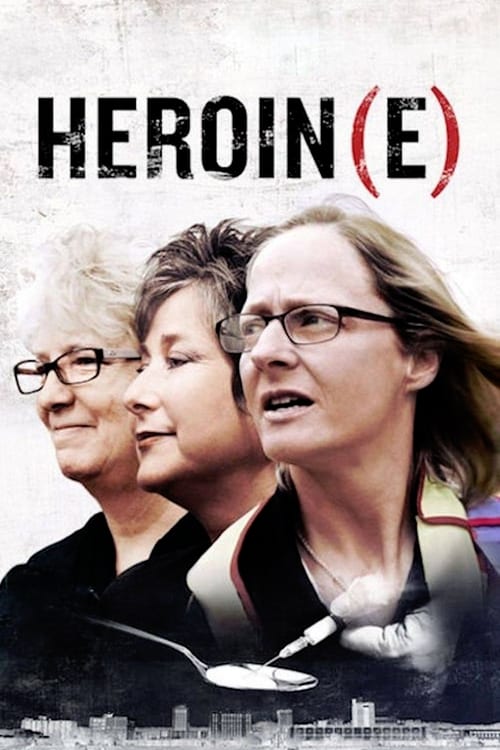
This documentary follows three women — a fire chief, a judge, and a street missionary — as they battle West Virginia's devastating opioid epidemic.
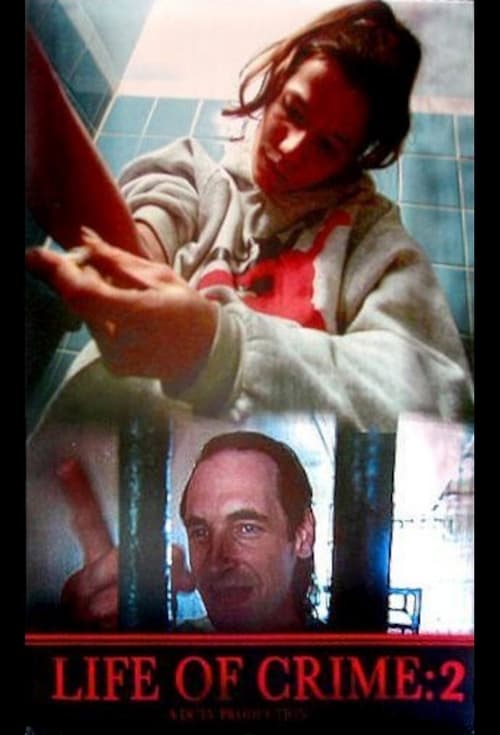
This follow-up to the 1989 documentary ONE YEAR IN A LIFE OF CRIME revisits three of the original subjects in New Jersey during a five-year period in the 1990s. We share in their triumphs and setbacks as they navigate lives of poverty, drug abuse, AIDS, and petty crime.
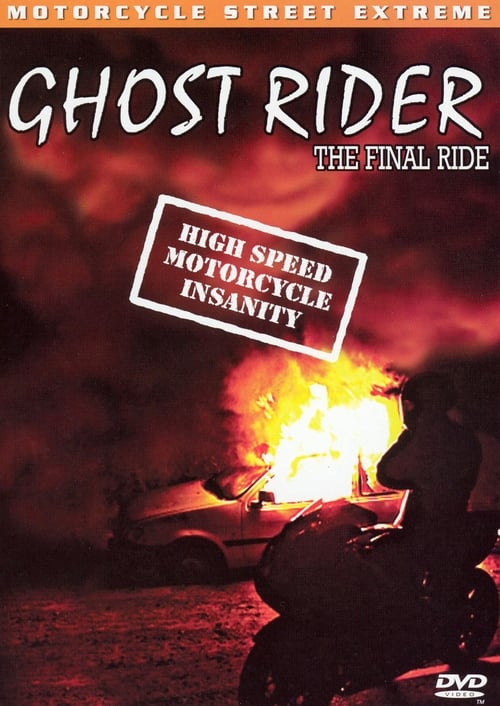
Ghost Rider goes nuts on the busy street of Stockholm, terrorizing the local traffic and authorities. WARNING: Some scenes in this clip entail the reckless endangerment of the lives of people other than the driver. Ifilm neither condones nor encourages the sort of dangerous, illegal behavior presented in this video.
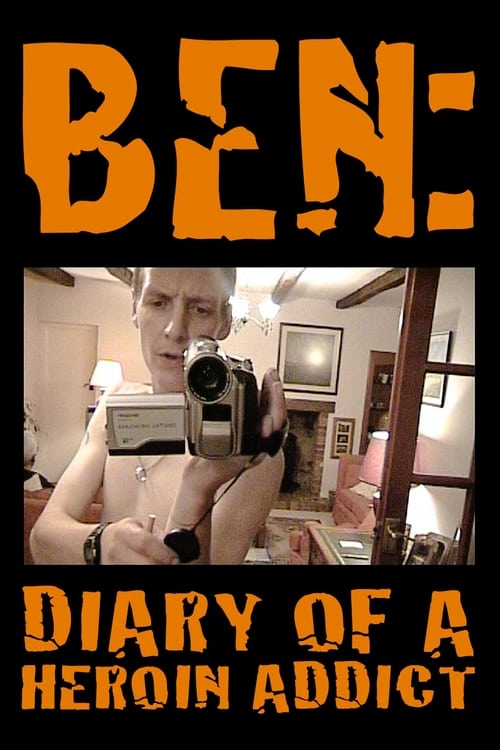
Ben Rogers was a bright schoolboy from a loving, middle class family. He played in the orchestra, loved cricket and enjoyed the annual family holiday. But his future promise was halted when he started taking drugs in his teens. Early drinking led to cannabis, harder drugs, and then the revelation to his family, at the age of 21, that he was addicted to heroin. Over the next 13 years Ben and his family battled with his addiction, going through detox, rehab and attempts at 'cold turkey', but his health gradually declined. Whilst attempting another detox aged 34, he died from a brain haemorrhage. But during the last two years of his life, Ben filmed an unflinching video diary showing his final desperate attempts to come off heroin. It's a portrayal of his descent; intimate, raw, and at times difficult to watch, he talks to his glove puppet as he injects into a vein in his groin.
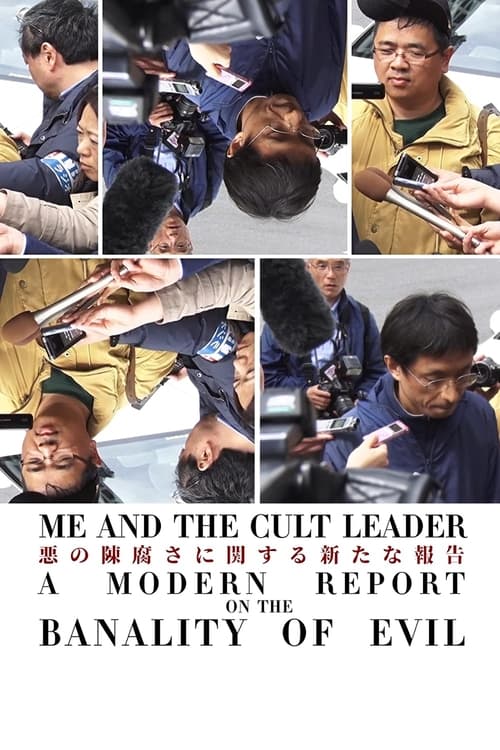
Atsushi Sakahara, a victim of the 1995 sarin gas attack in Tokyo's subway system, travels with Hiroshi Araki, an executive of Aleph (formerly Aum Shinrikyo), the attack's perpetrators, visiting their respective hometowns and the university they both attended. Conversations unfold, building intimacy: we learn why Araki joined the infamous organization led by Shoko Asahara and why, still, Araki remains an executive member of the cult, even though he was not directly involved in any of the crimes.The beginning of a friendship, a trip for redemption, or the confirmation that each human has to go their own way.
Celebrities are showing it all online and raking in fortunes. Join TMZ in examining Hollywood’s fascination with getting naked on the internet.
In 2008, Gretchen divided her twerking between the stage and the podium. The singer and dancer – also known as the "Booty Queen" – traveled through villages in the northeast of Brazil, making a living as an artist in local circuses and making noise in her campaign for mayor of Itamaracá Island, in Pernambuco. From circus to circus, the film records the performer's experiences to face her political opponents and her new audience, the electorate.
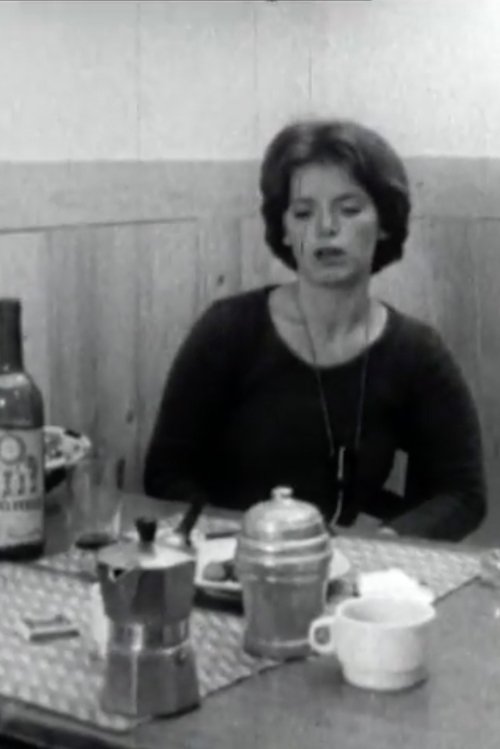
Documentary on the penetration of drugs in Milan in the 70s. Filomena is only 24 years old and recounts with a lucidity that takes her breath away her journey as a child locked up in boarding school, ran away from home, taken back by her family and treated as a lost woman. She talks about her marriage to a boy who emigrated to Germany, and her inability to adapt to this new situation. She narrates the arrival in Milan, the meeting with Antonio and the one with drugs. A dialogue for two voices traces the ruthless picture of drug addiction, the daily search for the dose and the attempts to get out of it. It is a poignant document, above all for the lucidity, measure, maturity and intelligence of two unforgettable figures.
British filmmaker Beeban Kidron ventures onto the mean streets of the South Bronx and other New York locales to examine the lives of those involved in the city's thriving sex industry.
High Class Call Girls is a a revealing glimpse into the lives of Emily B and Cookie Jane, two self-dubbed high class call girls who charge thousands of pounds for a night with clients who find them through new location-based apps.
This documentary summarizes an extensive interview made by the writer Manuel Rivas to the former Spanish judge Baltasar Garzón.
Road movie through Peru, Buenos Aires, São Tomé das Letras, Recife and São Paulo, but with no defined destination. It records the lifestyle of those who live free in the world, nomads in the sub-continent of Latin America.
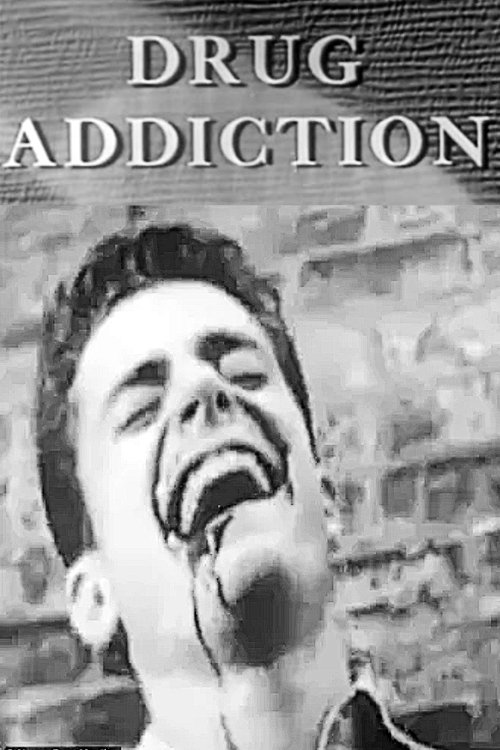
Marty, a "good boy," experiments with marijuana and experiences "profound mental and emotional disturbances." As in all anti-drug films of this vintage, marijuana leads straight to "H," and Marty's decline continues until he is busted, rehabbed and reformed. Drug Addiction's stilted view of the urban drug culture and unrealistic portrayals of stoned slackers make it entertaining viewing today. It belongs to that little-known "second wave" of anti-drug films, the postwar scare stories about middle-class kids overcome by junkiedom. What this wave of films reveals is that drugs were an issue for white adolescents long before the psychedelic Sixties, and that the official response to the threat expressed a general, not specifically targeted paranoia.
No Trailers found.