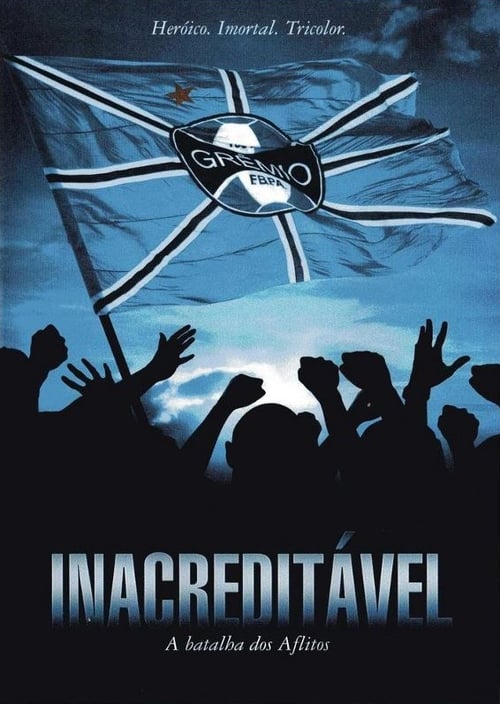
Heróico. Imortal. Tricolor.
Narrator
Himself
Twenty years ago, novelist Salman Rushdie was a wanted man with a million pound bounty on his head. His novel, The Satanic Verses, had sparked riots across the Muslim world. The ailing religious leader of Iran, the Ayatollah Khomeini, had invoked a little-known religious opinion - a fatwa - and effectively sentenced Rushdie to death. This film looks back on the extraordinary events which followed the publication of the book and the ten year campaign to get the fatwa lifted. Interviews with Rushdie's friends and family and testimony from leaders of Britain's Muslim community and the Government reveal the inside story of the affair.
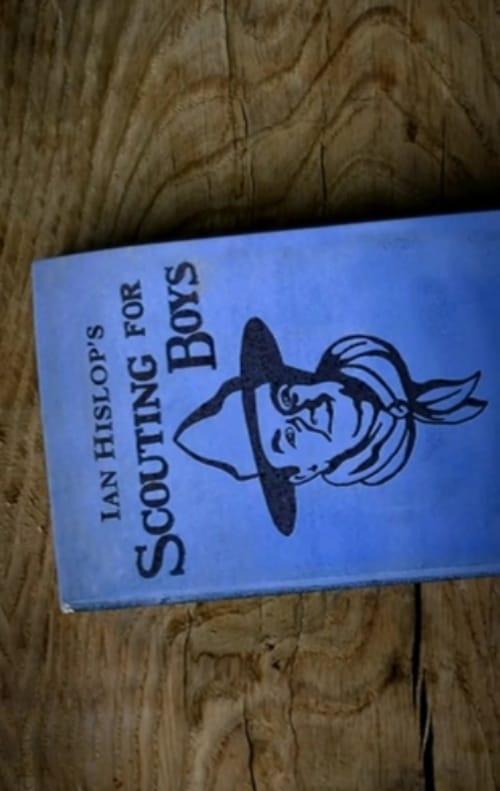
Lord Baden-Powell's 1908 handbook Scouting for Boys is one of the most influential and best-selling books of all time. In the 20th century, only the Bible, the Koran and the Thoughts of Chairman Mao sold more. But they had fewer jokes, no pictures and were useless at important stuff like tying knots. In this entertaining and affectionate film, Ian Hislop uncovers the story behind the book which kick-started the Scout Movement - a work which is very eccentric, very Edwardian and very English. Hislop discovers that the book is also very radical and addresses a variety of modern issues, such as citizenship, disaffected youth and social responsibility. He explores the maverick brilliance of Baden-Powell, a national celebrity after his heroism in the Boer War, and considers the book's candid focus on health and well-being.
The Pony Express delivered mail from coast to coast for only 18 months. Yet during its brief glory days, it became a legend of the American frontier. This fascinating and well-researched video recounts the history of the Pony Express, retraces the famous trail, and uncovers the reasons behind its demise and lasting legacy.
LIONESSES: HOW FOOTBALL CAME HOME gives unrivaled insight into England’s historic Women’s EURO 2022 victory, featuring brand new exclusive interviews from the stars of the team, this is the inside story of How Football Came Home.
A documentary of the German national soccer team’s 2006 World Cup experience that changed the face of modern Germany.
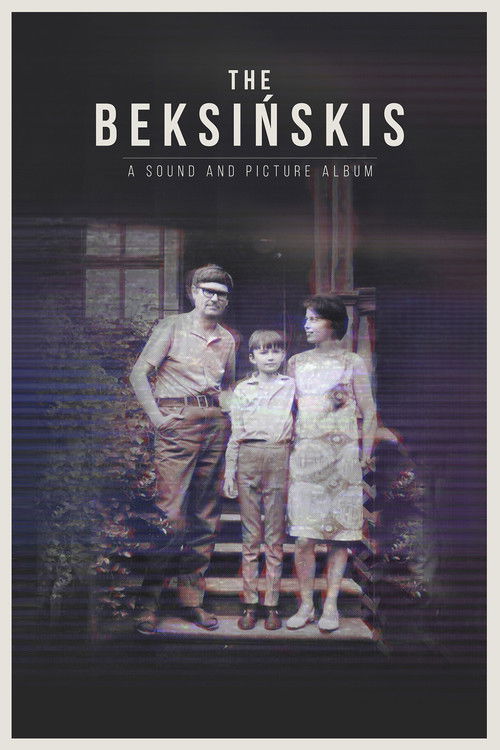
Painter Zdzisław Beksiński, his wife Zofia and their son Tomasz, a well-known radio journalist and translator, were a typical and unconventional family, both at the same time. One of the father’s obsessions was filming himself and his family members. Using archival footage only, shot primarily by Zdzisław, as well many other materials, which have not been presented anywhere so far, the film tells a tragic story of the Beksińskis that has never ceased to fascinate Polish filmmakers.
The T.N.P., the Théâtre National Populaire, an important experimental theater directed by Jean Vilar. Franju combines sequences from theatrical performances with documentary images, creating links and confrontations between theater and the real world.
Over the period of 25 years the director met General Võ Nguyên Giáp, a legendary hero of Vietnam’s independence wars, a number of times. She was the first American who entered the home of the “Red Napoleon”. The fruit of this friendship is a film, personal and politically involved at the same time. Travelling across the country and talking to important figures as well as ordinary people, the director finds out more about her roots and offers the audience a unique perspective on Vietnam’s present and past.
A committed, passionate teacher tries to make all the difference in the lives of disadvantaged students.
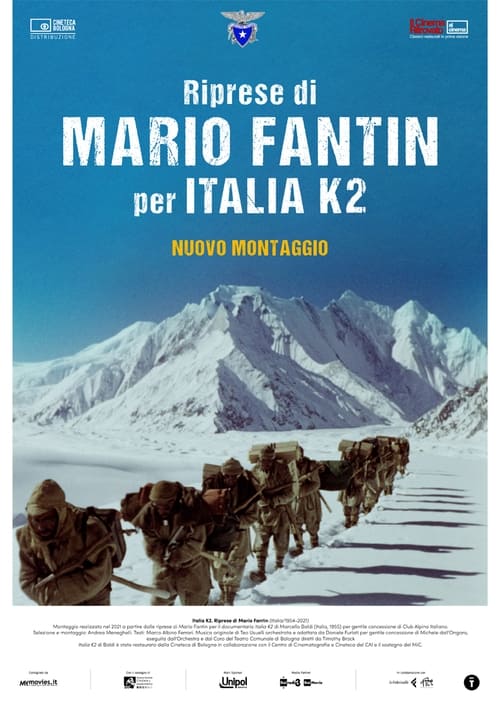
After the successful conquest of Everest in 1953, two Italians reach the summit of K2, the second highest mountain in the world, the next year,after careful preparation and the formation of the team of climbers, scientists, and porters.
Soul explores the secrets of gastronomy where two cuisines apparently so opposite in their philosophy, conception and experience, have both earned the highest culinary recognition, three Michelin stars.
No overview available.
Denise Crosby takes a first look at the huge fans of "Star Trek" from around America and how the series has affected and shaped their lives.
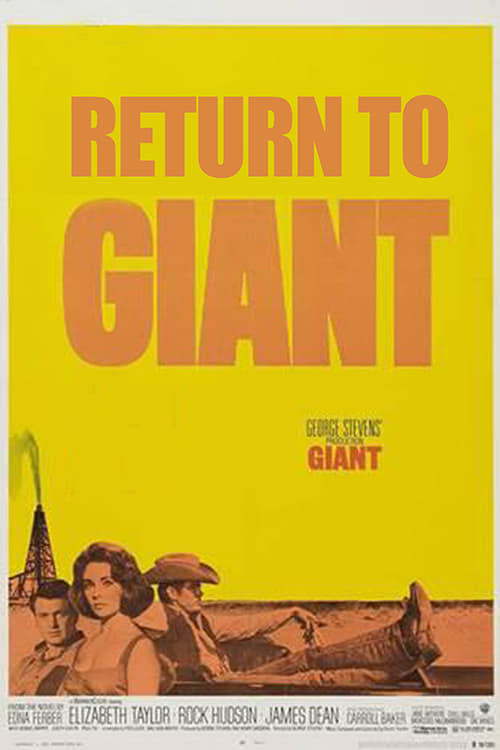
In the summer of 1955, an army of cameramen, lighting techs and movie stars descended on the small, west Texas town of Marfa to film what has become, "the national movie of Texas."
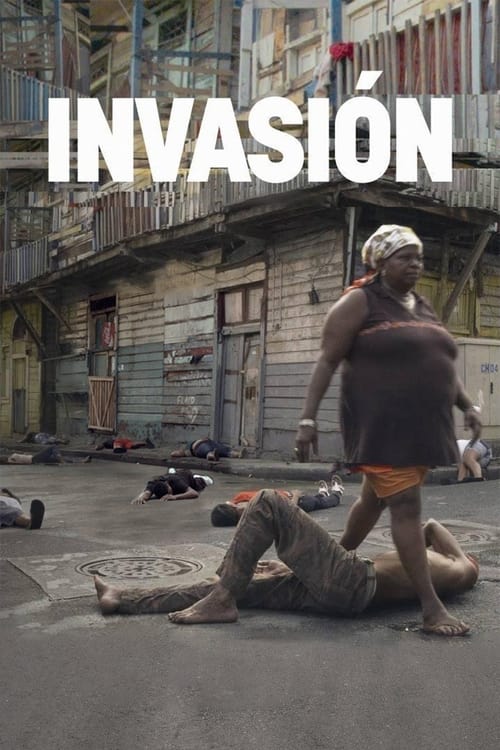
INVASION is a documentary about the collective memory of a country. The invasion of Panama by the U.S in 1989 serves as an excuse to explore how a people remember, transform, and often forget their past in order to re-define their identity and become who they are today.
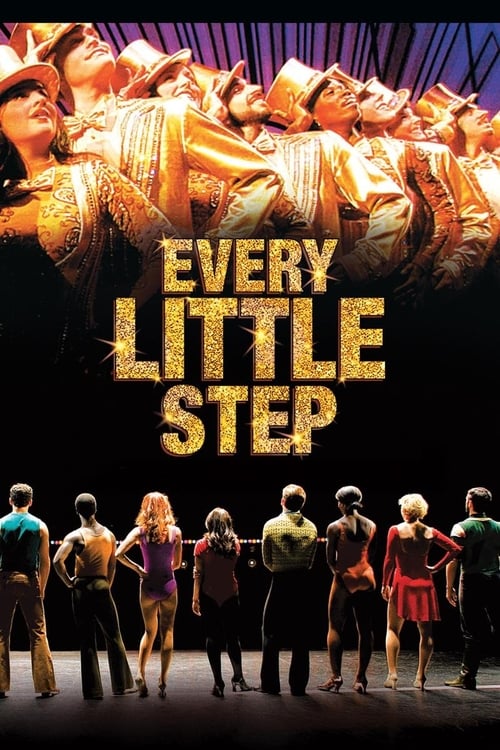
Follows the plight of real-life dancers as they struggle through auditions for the Broadway revival of A Chorus Line and also investigates the history of the show and the creative minds behind the original and current incarnations.
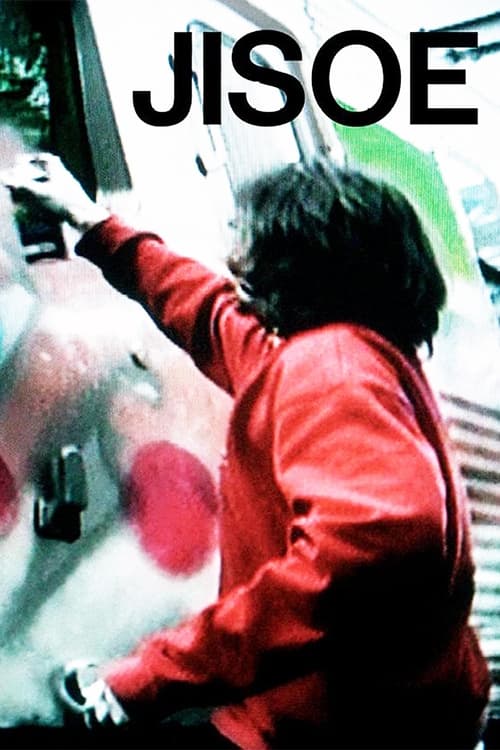
A year in the life of troubled Australian graffiti artist Justin Hughes.
This documentary on the effect the talent competition "Afghan Star" has on the incredibly diverse inhabitants of Afghanistan affords a glimpse into a country rarely seen. Contestants risk their lives to appear on the television show that is a raging success with the public and also monitored closely by the government.
In this documentary we watch the real story of Li Weiyi, who raised an orphan wolf to return it later to the wild life where it belonged.
No Trailers found.