Two small towns. One river. And a dream that sinks forever.
A story of how these two barangays have opposed all measures for a bridge to be put up to link them together and make life easier and productive for them.
No Trailers found.
No Cast found.
A musical docudrama about the brave and outstanding Women of Malolos to whom Jose Rizal addressed his famous letter in Feb 22, 1898.
Before 2NE1 achieved global success, Sandara was already a superstar in the Philippines.
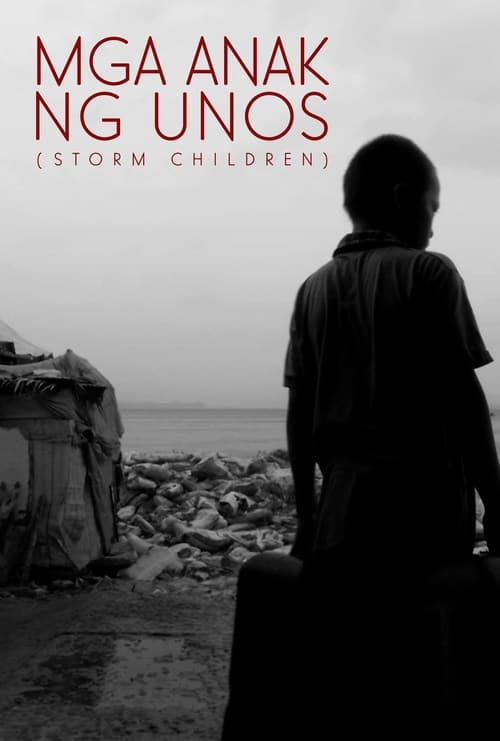
The Philippines is visited by an average of 20~28 strong typhoons and storms every year. It is the most storm-battered country in the world. Last year, Typhoon Yolanda (Haiyan), considered the strongest storm in history, struck the Philipines, leaving in its path apocalyptic devastation.
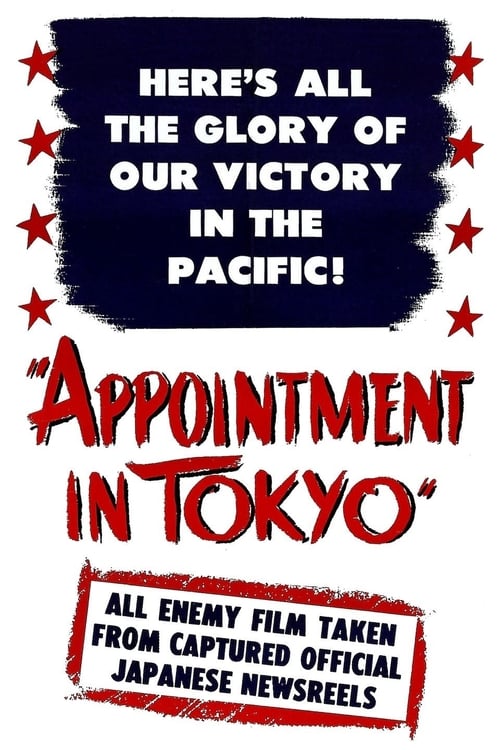
Produced by the Army Pictorial Service, Signal Corps, with the cooperation of the Army Air Forces and the United States Navy, and released by Warner Bros. for the War Activities Committee shortly after the surrender of Japan. Follow General Douglas MacArthur and his men from their exile from the Philippines in early 1942, through the signing of the instrument of surrender on the USS Missouri on September 1, 1945. Preserved by the Academy Film Archive in 2013.
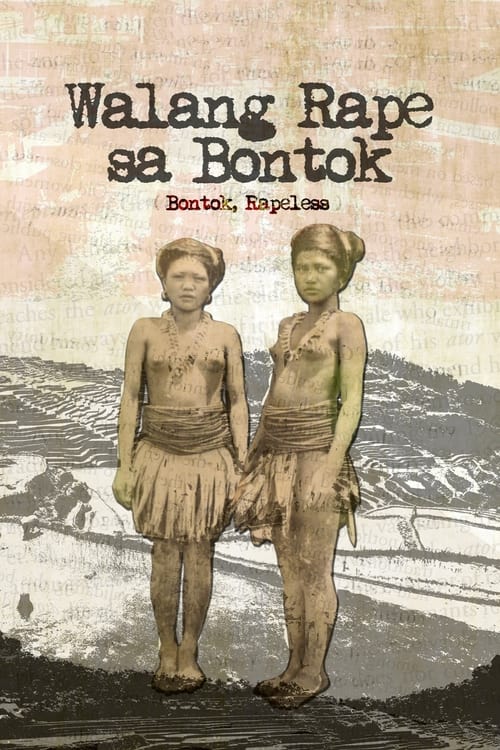
Two Filipina victims of sexual abuse search the truth behind the finding of a renowned anthropologist: that merely a few generations ago, the Bontok Igorot lived in what seems an unthinkable utopia—a rape-less society.
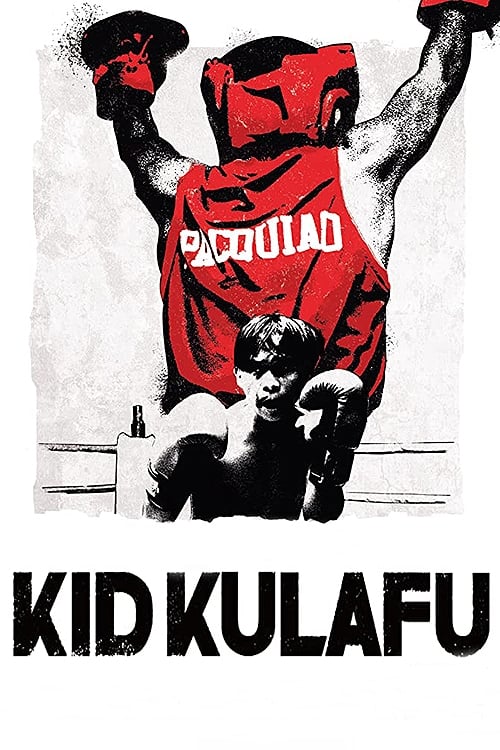
Before he became one of the world's greatest boxers, Emmanuel "Manny" Pacquiao was a young boy living a hand-to-mouth existence, trying to survive from one day to the next. When he discovers his natural talent for boxing, he embarks on a brutal and intense journey that takes him from the mountains of the Philippines to the streets of Manila, and must risk everything to become a champion - for himself, his family, and his country.
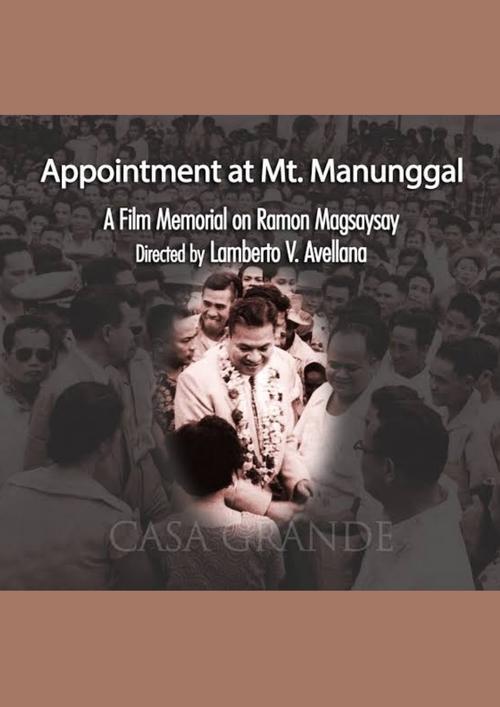
This documentary paints the life of former Philippine President Ramon Magsaysay (1953-1957), from being a simple mechanic, a wartime guerilla leader, and as president of the Philippines, leading up to his death in a plane crash in Mount Manunggal, Cebu.
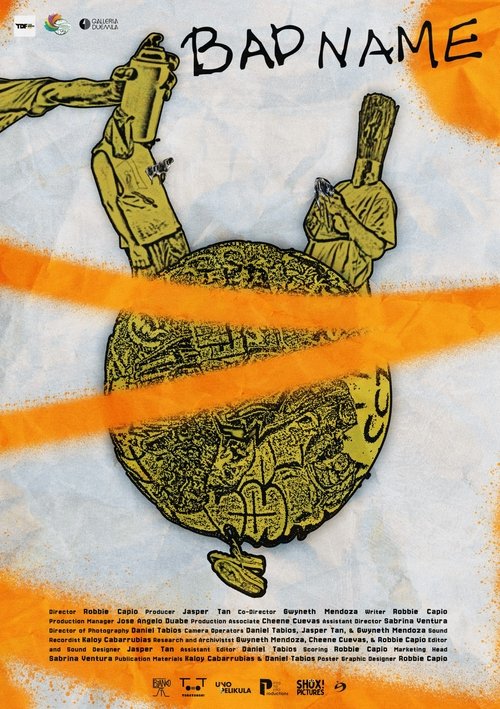
Two street artists with contrasting intentions about the artform tell the relevance of street art in society while accompanied by an enigmatic graffiti writing, “Bon Jovi.”
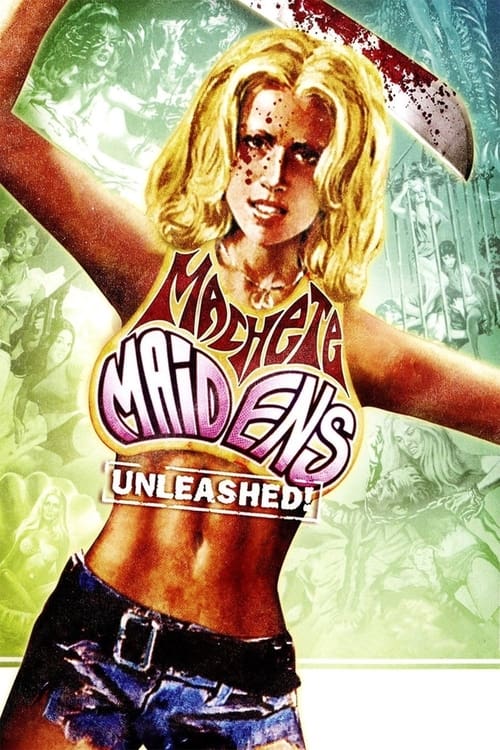
In the final decades of the 20th century, the Philippines was a country where low-budget exploitation-film producers were free to make nearly any kind of movie they wanted, any way they pleased. It was a country with extremely lax labor regulations and a very permissive attitude towards cultural expression. As a result, it became a hotbed for the production of cheapie movies. Their history and the genre itself are detailed in this breezy, nostalgic documentary.
When Jennifer Laude, a Filipina trans woman, is brutally murdered by a U.S. Marine, three women intimately invested in the case--an activist attorney, a transgender journalist and Jennifer's mother)--galvanize a political uprising, pursuing justice and taking on hardened histories of US imperialism.
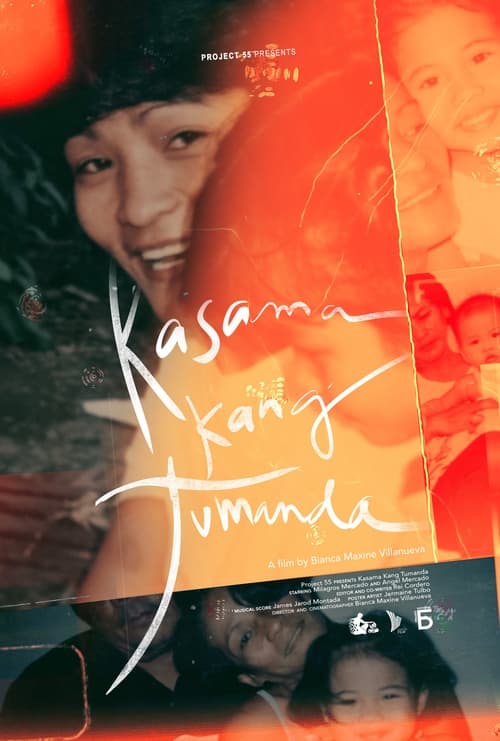
A filmmaker follows her grandparents’ daily life after her chain-smoker and alcoholic grandmother is forced to stop drinking beer for a month.
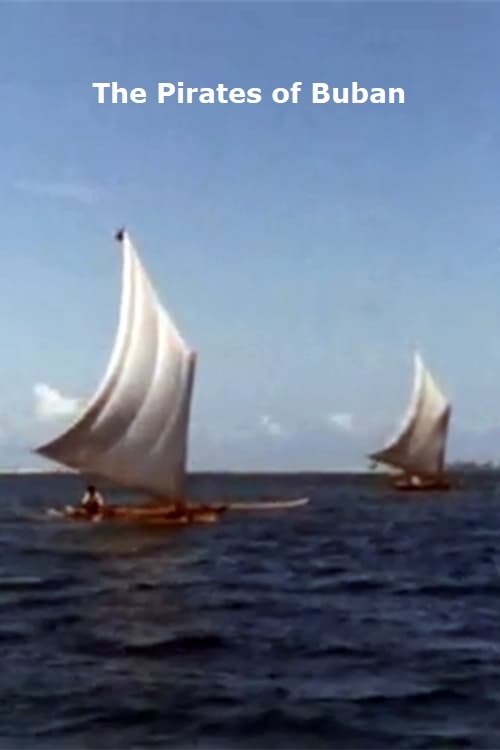
By going to the Philippines, Imamura comes to meet people living in an extreme poverty. He discovers very quickly that some communities are under the control of cruel & armed pirates. Imamura will come to meet those men in order to understand their position.
In the north of the Philippines lies the area of Banaue, known for its rice cultivation. Roger lives here in a small village. Roger is thirteen and has five brothers and sisters. As the oldest, he is responsible for the daily firewood. To get this, Roger sets off into the mountains every other day. At seven in the morning, they start. A truck takes Roger and his four friends out into the steep, forested slopes above the rice terraces. With them on the back of the truck are the 'scooters', homemade wooden scooters with which the firewood is driven down to the valley. Once they reach the top, they cut down smaller logs, chop them up and pack their scooters full of them. After this strenuous work, the great fun begins. On bumpy paths and at breakneck speed, they make their way back to the village. Races and tricks are part of the fun, of course.
The biggest names in the country's film industry speak up about the evolution of Philippine films and how it has transformed today's industry.
A travelogue documentary about the Agusan Marsh Wildlife Sanctuary
The documentary serves as a tribute to National Artist for Cinema Gerardo de Leon in celebration of his Centennial Year. “Salamat sa Alaala.” is inspired by the music composed by the late film director when he was a teenager playing background music for silent movies in Manila theatres. The video opens up with a capsulated history of the birth of the Filipino movies followed by a series of shots of veteran actresses, the academe and the young generation of filmmakers affirming his unique qualities as a world-class film figure. Then we unravel his private life as a family man. The documentary is one way of thanking him for his lasting legacy in the art form he left behind.
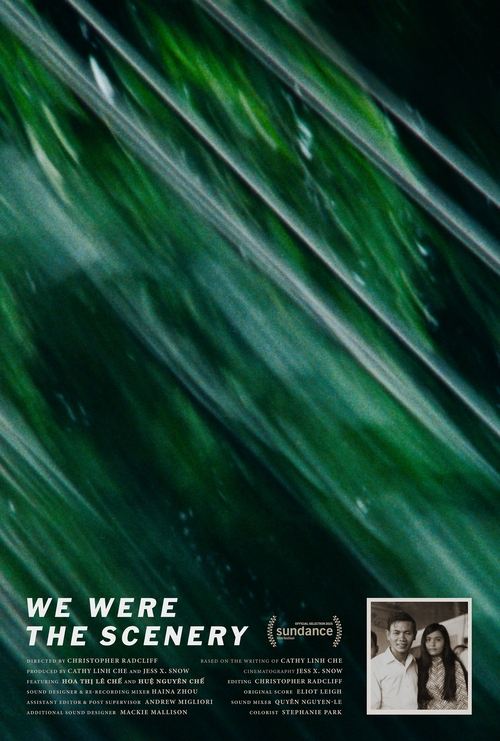
In 1975, soon after the end of the Vietnam War, Hoa Thi Le and Hue Nguyen Che fled the country on a small boat. After nine days at sea, they docked in the Philippines, where they were utilized as background extras for “Apocalypse Now.”
Beneath Hong Kong's glittering facade, Filipina domestic helpers work in relative anonymity and for near-slave wages. In a beauty pageant like no other, five helpers give themselves makeovers for a day and gleefully reclaim their dignity.
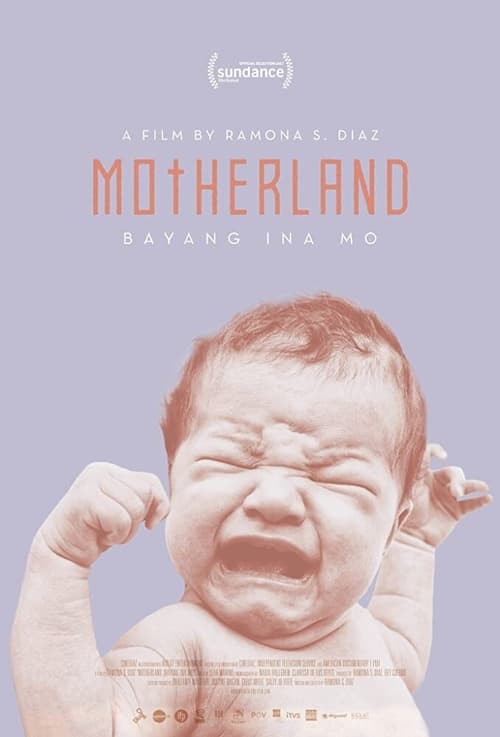
The planet’s busiest maternity hospital is located in one of its poorest and most populous countries: the Philippines. There, poor women face devastating consequences as their country struggles with reproductive health policy and the politics of conservative Catholic ideologies.
A professional horror movie extra prepares for her first ever acting award nomination.