Part of Chris Marker’s Three Video Haikus series, Tchaïka is a brief visual meditation showing an overexposed view of a bridge and the river flowing beneath it.
No Trailers found.
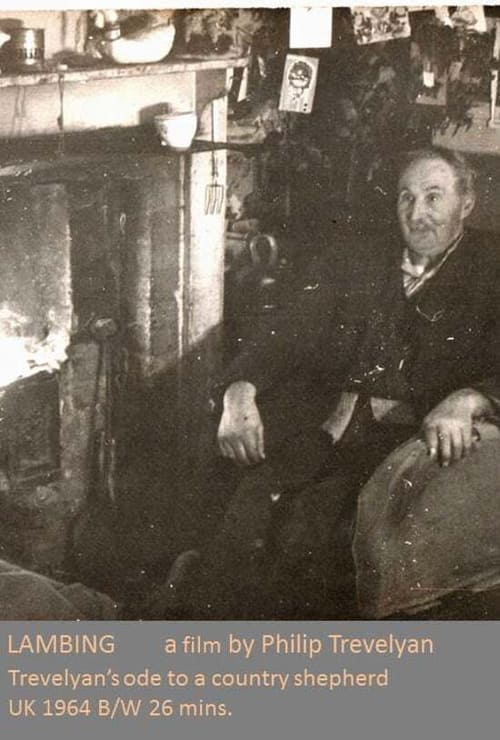
A day in the life of an old shepherd during the lambing season on the Sussex Downs. He talks of the problems in Winter, when lambing is complicated by snow. -BFI
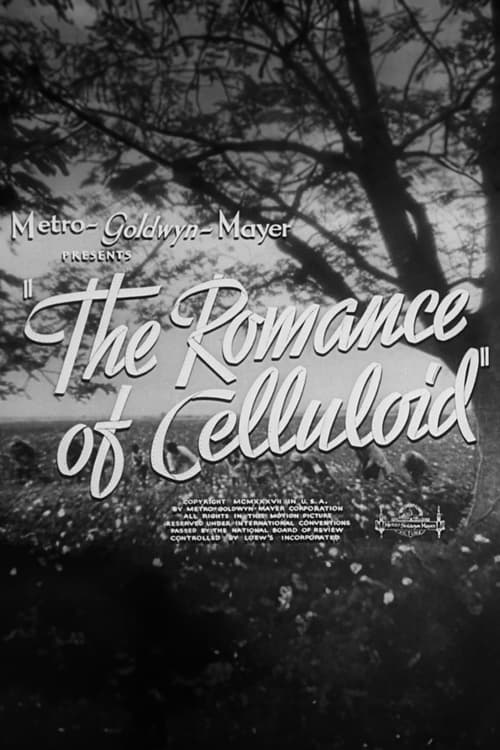
Several behind the scenes aspects of the movie-making business, which results in the enjoyment the movie going public has in going to the theater, are presented. They include: the production of celluloid aka film stock, the materials used in the production of which include cotton and silver; construction crews who build sets including those to look like cities, towns and villages around the world; a visit with Jack Dawn who demonstrates the process of creating a makeup design; the screen testing process, where many an acting hopeful gets his/her start; the work of the candid camera man, the prying eyes behind the movie camera; a visit with Adrian, who designs the clothes worn by many of the stars on screen; and a visit with Herbert Stothart as he conducts his musical score for Conquest (1937). These behind the scenes looks provide the opportunity to get acquainted with the cavalcade of MGM stars and their productions that will grace the silver screen in the 1937/38 movie season.
Documentary on the river Ganges.
No overview available.
Retrospective featurette included with the 2014 Blu-ray by Arrow Video.
Retrospective interview with Joe Pantoliano included with the 2014 Blu-ray by Arrow Video.
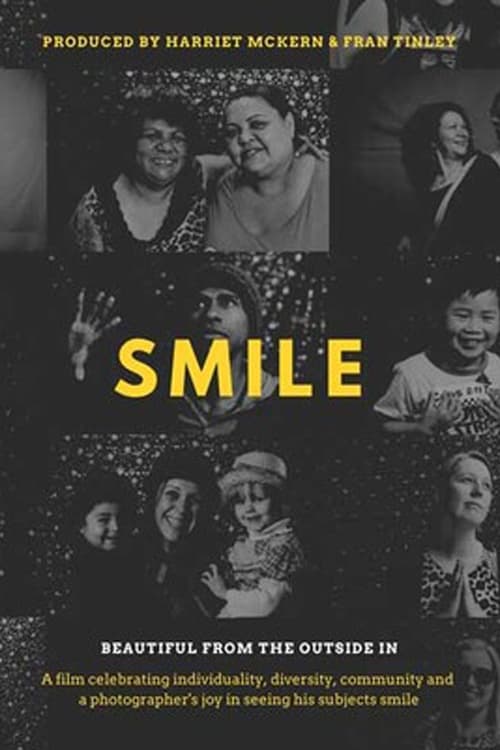
A heartwarming exploration of a community art project by photographer Tawfik Elgazzar providing free portraits for locals and passers-by in Sydney, Australia's Inner West. The film explores the nature of individuality, cultural diversity and the positive joy for the photographer of seeing his subjects smile.
A short documentary about a female truck driver in the United Kingdom.
Retrospective interview with Gina Gershon and Jennifer Tilly included with the 2014 Blu-ray by Arrow Video.
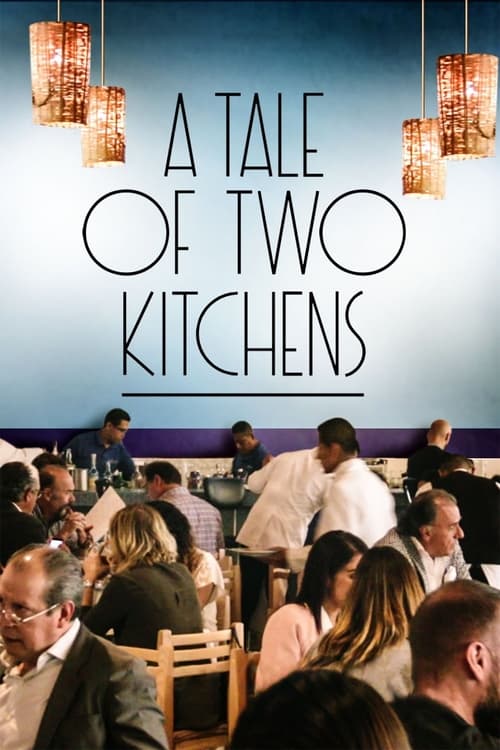
Two countries, two restaurants, one vision. At Gabriela Cámara's acclaimed Contramar in Mexico City, the welcoming, uniformed waiters are as beloved by diners as the menu featuring fresh, local seafood caught within 24 hours. The entire staff sees themselves as part of an extended family. Meanwhile at Cala in San Francisco, Cámara hires staff from different backgrounds and cultures, including ex-felons and ex-addicts, who view the work as an important opportunity to grow as individuals. A Tale of Two Kitchens explores the ways in which a restaurant can serve as a place of both dignity and community.
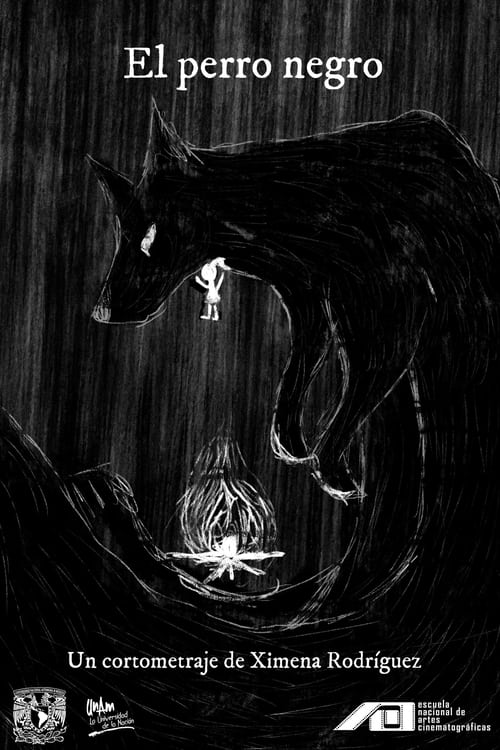
Since Rosa was little, people used to say around town that her grandfather was a black dog. The legend, belonging to the Valley of Oaxaca, spoke of a man who had the ability to turn into a black dog and roam the streets at night. Through images of the town, interviews with the brothers and animated interventions, the documentary tells the story of the myth and its importance in the collective memory.
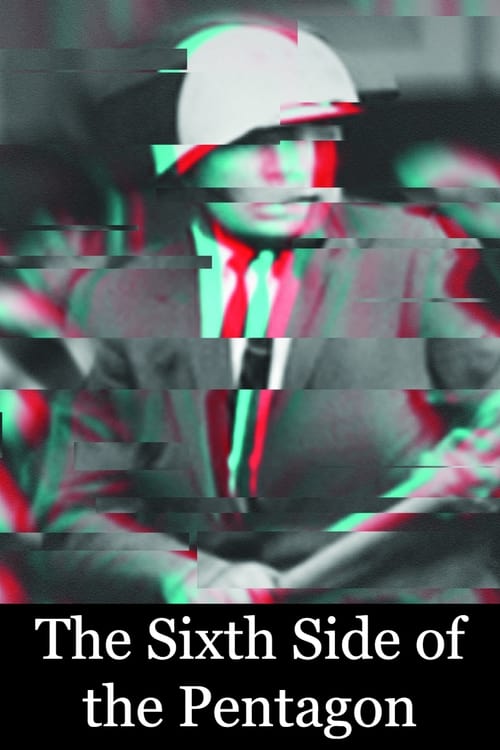
Chris Marker and François Reichenbach document the massive anti–Vietnam War protest held in Washington, D.C., on October 21, 1967, where more than 100,000 demonstrators gathered at the Lincoln Memorial before marching on the Pentagon. Filmed amid the crowd, the short captures the tension, idealism, and growing radicalism of the American peace movement.
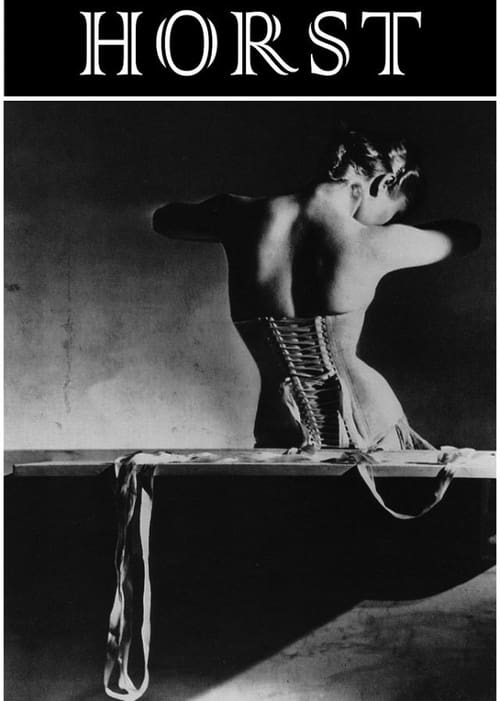
We enter the life of Horst, and see the world of fashion photography evolve from the 1930s to the 1980s through his work and stories.
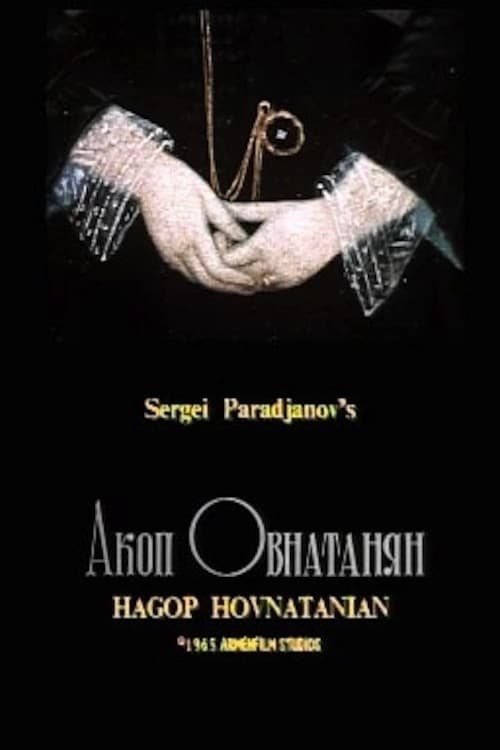
Exploring the art of Armenian portraitist Hakob Hovnatanyan, Parajanov revives the culture of Tbilisi of the 19th century.
This short documentary follows Frank Ladouceur, a man who lives alone for months at a time, trapping muskrat in the vast, desolate wilderness of northern Alberta. He receives no visitors, and rarely voyages to his family home in Fort Chipewyan. What some may consider an unthinkably lonely, isolated existence is the calling of this fiercely independent Métis man. Remarkably determined and self-sufficient, Frank makes his home in the wild bush.
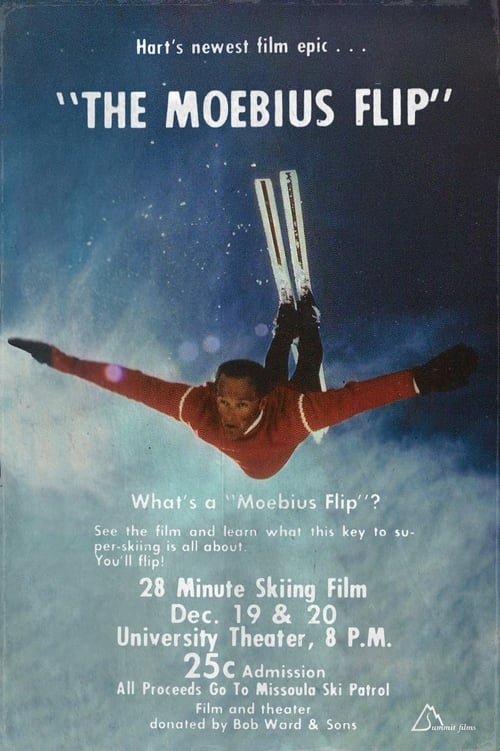
A science fiction fantasy on skis with spectacular glacier skiing, extraordinary acrobatics, unique optical effects, and an original score. The world's polarity is mysteriously reversed, requiring the skiers to regain the realm of normal perception by performing maneuvers inspired by the ambiguous nature of the "Moebius Strip."
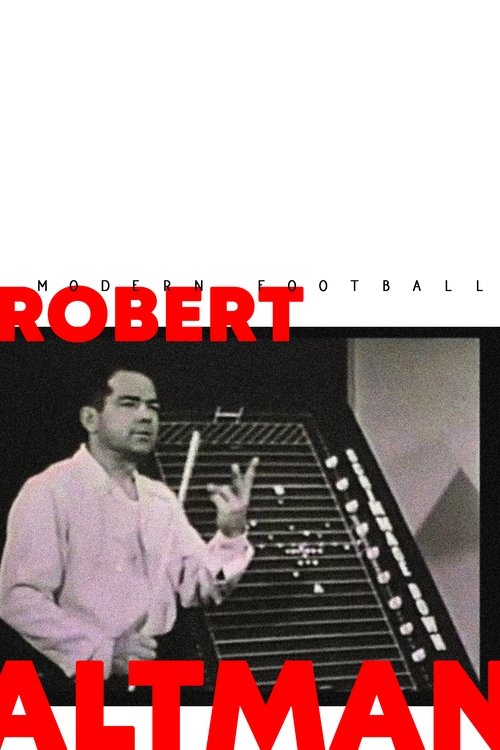
Robert Altman's first film was this 26-minute short, which has a football coach explaining how to play the sport. This is basically an educational short where the viewer learns about the various rules of the sport as the narrator explains them while we see reenactments.
Actor/cult icon Bruce Campbell examines the world of fan conventions and what makes a fan into a fanatic.
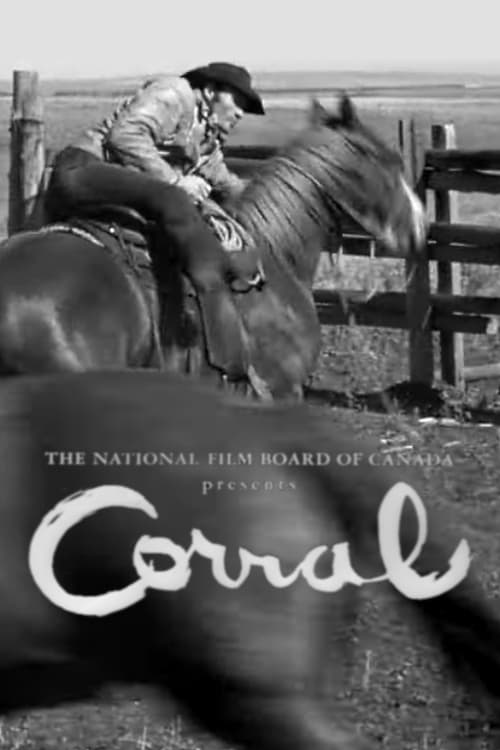
Corral is a 1954 National Film Board of Canada documentary by Colin Low, partly shot in the Cochrane Ranch in what is now Cochrane, Alberta. In the film, a cowboy rounds up wild horses, lassoing one of the high-spirited animals in the corral, then going on a ride across the Rocky Mountain Foothills of Alberta.
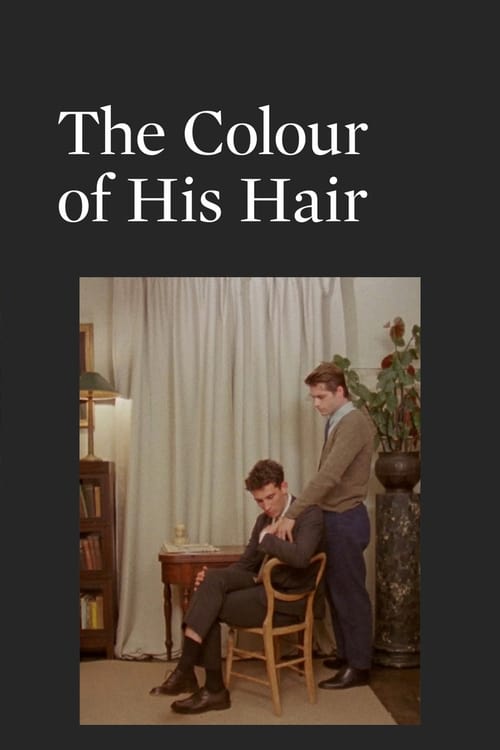
Based on an unrealized film script written in 1964 for The Homosexual Law Reform Society, a British organisation that campaigned for the decriminalization of homosexual relations between men, "The Colour Of His Hair" merges drama and documentary into a meditation on queer life before and after the partial legalization of homosexuality in 1967.
No Cast found.