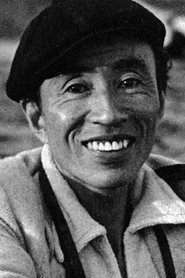
A documentary about the life and art of wood-block artist Katsushika Hokusai.
No Trailers found.
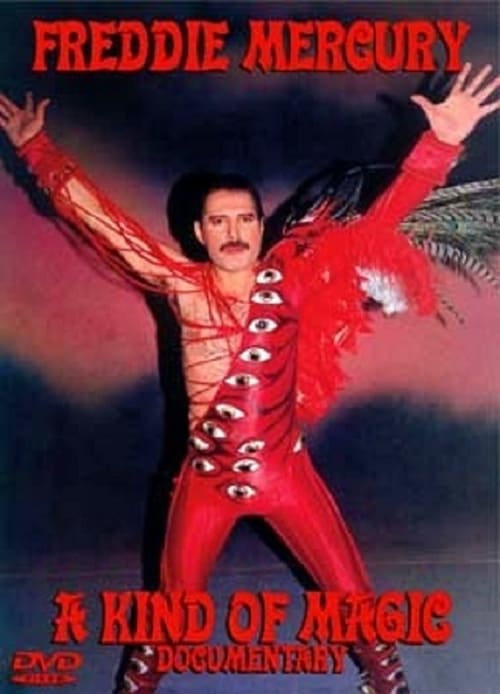
Last week Freddie Mercury would have celebrated his 60th birthday. To mark the occasion, celebrity fans Robbie Williams, McFly and Mike Myers talk about what they think made him so special. Photographs, home video footage and rarely heard interviews with the man himself are featured and some of Freddie's close friends and family reveal the man behind the magic.
Migrating by sea from Holland as an eight-year-old, Dirk de Bruyn went on to be a doyen of Australian experimental cinema. But as this intimate film reveals, his work is suffused with the trauma of migration, and the struggle to recognise himself as a ‘new Australian'. In conversation with documentarian Steven McIntyre, Dirk guides us through more than 40 years of his filmmaking: the early years exploring technique and technology, a subsequent phase of unflinching self-examination brought on by upheaval and overseas travel, and more recent projects where he attempts a fusion of personal, cultural, and historical identity. What emerges is an inspiring, rugged, and at times poignant portrait of an artist committed to self-expression and self-discovery through the medium of film.
The life and career of the hailed Hollywood movie star and underappreciated genius inventor, Hedy Lamarr.
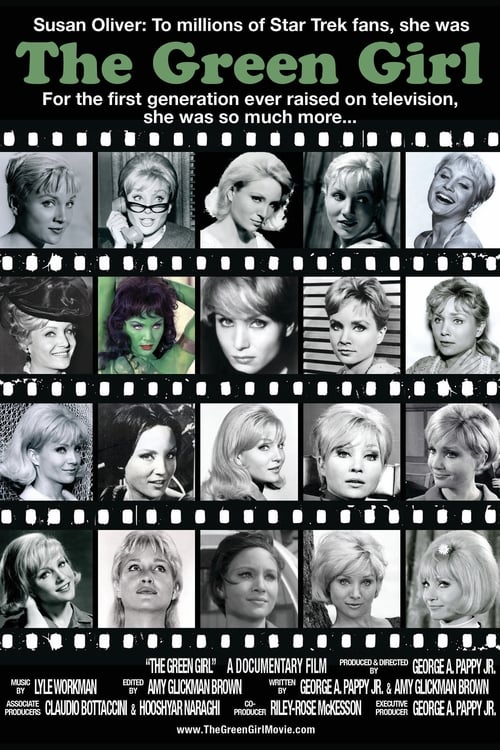
A feature-length documentary about Star Trek's iconic original Green Girl, Susan Oliver: Prolific actress of the '50s - '80s, original member of the American Film Institute's Directing Workshop for Women, record-setting female aviator; Tragically taken by cancer in 1990. With over 120 major acting credits in film and television, Susan Oliver was literally a household name in the 1960's. She set a number of world records as a pilot and was one of the only women directing major TV shows in the 1980's. And yet many people don't even remember her name today. It's time to remember Susan Oliver...
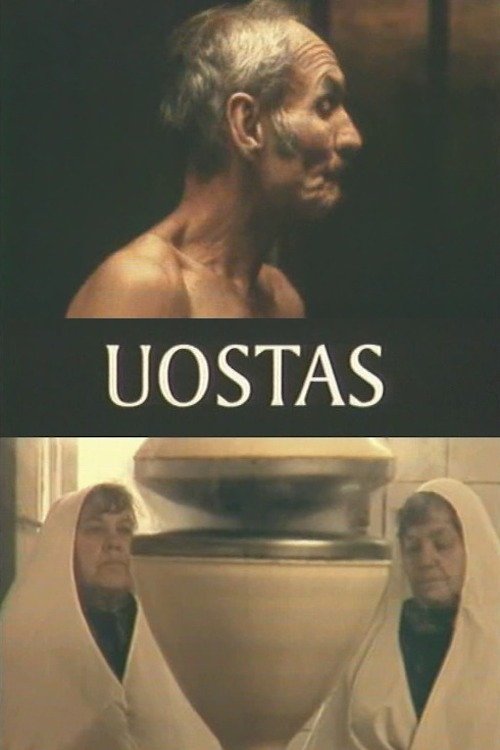
While shooting “Flying over blue field” we lived in Birtonas sanatorium hotel. I was watching treatment procedures. People were plunging into bubble, mud and mineral water baths. They were going circles singing, were standing under cold water spouts. All this seemed like a sacred ritual, that frees from scurf of life. They were naked, like just born, without any signs of standing in society. Movie – silent impression about tired people "harbour".
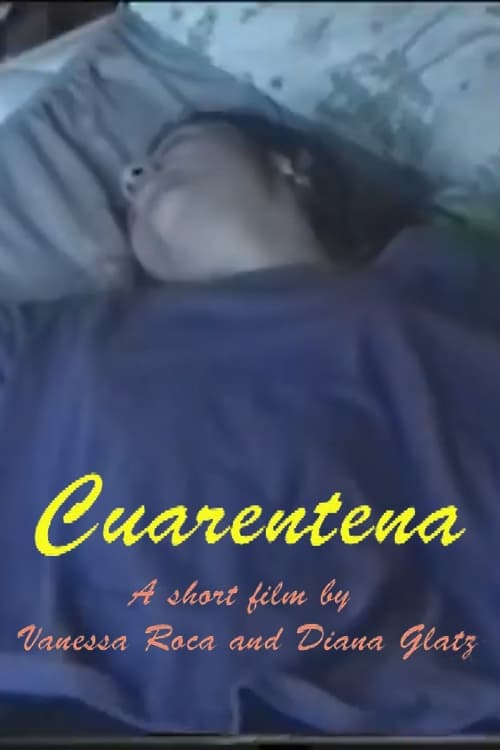
A short film of the first weeks of strict national lockdown, filmed in Barcelona on a classic home video camera Hi8. Narrates the story of three women who share a flat and who create a microworld not only to survive the global pandemic but also to survive themselves.
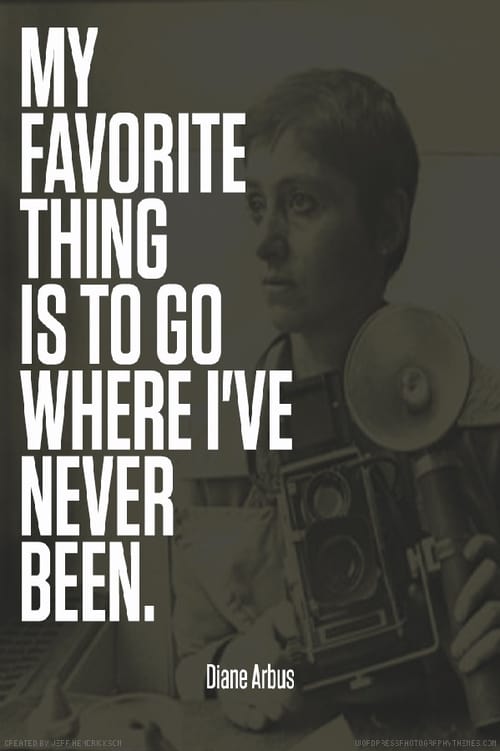
The work of photographer Diane Arbus as explained by her daughter, friends, critics, and in her own words as recorded in her journals. Illustrated with many of her photographs. Mary Clare Costello, narrator Themes: Arbus' quirky go-it-alone approach. Her attraction to the bizarre, people on the fringes of society: sexual deviants, odd types, the extremes, styles in questionable taste, poses and situations that inspire irony or wonder. Where most people would look away she photographed.
The original 54-minute documentary, as broadcast by Channel Four on 20 June 1984, after which the animated links by the Quay Brothers were recompiled as a separate short.
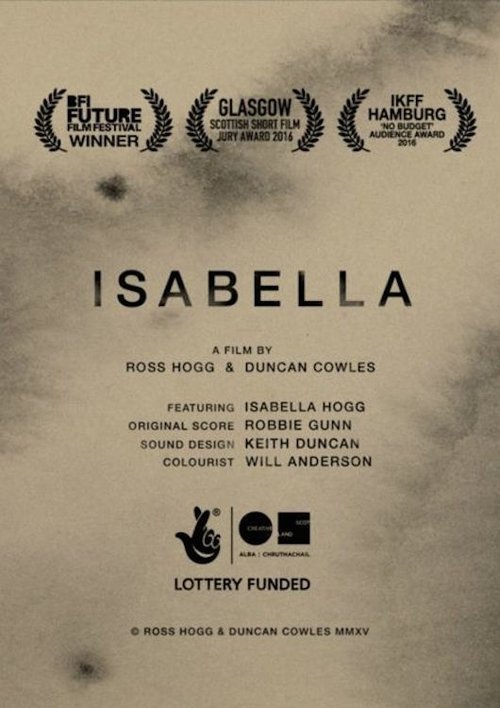
This film aims to capture the stories of the aging Isabella, but also captures her condition and loss of cohesiveness as she loses herself into dementia and Parkinson's. It is also a very personal film since the subject is the grandmother of one of the co- directors. The idea is interesting as it links one strong clear memory, told several times, to other fragments and truths of her condition. Animation is sparingly but cleverly used to complement the delivery and avoid it just being a talking head.
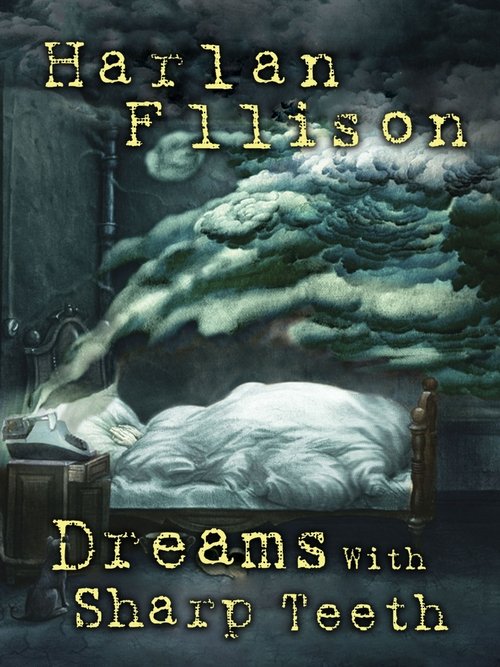
The documentary story of Harlan Ellison
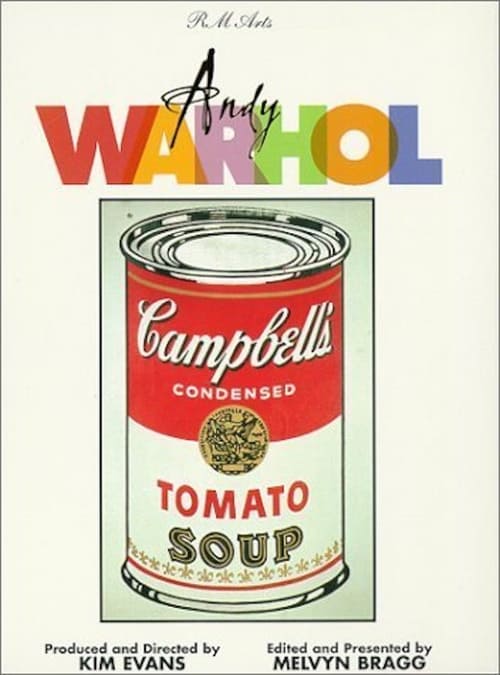
The first major profile of the American Pop Art cult leader after his death in 1987 covers the whole of his life and work through interviews, clips from his films, and conversations with his family and superstar friends. Andy Warhol, the son of poor Czech immigrants, grew up in the industrial slums of Pittsburgh while dreaming of Hollywood stars. He went on to become a star himself.
AquaBurn is an award-winning documentary film by director Bill Breithaupt showcasing "The Floating World" theme of the 2002 Burning Man Festival. AquaBurn features many of the incredible Burning Man art installations, the imagination and originality that went into their creation, and the artists who conceived them. Unlike conventional documentaries on the Burning Man Festival, AquaBurn captures the true feeling and excitement of the event itself, transporting the viewer to a hot, dusty wonderland without ever leaving home.
A short documentary where director Dave Jackson digs into his catboy past and life after Cat Sick Blues.
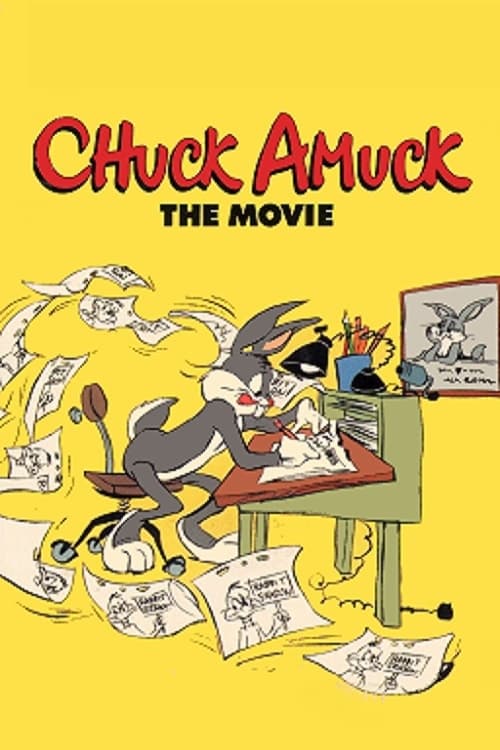
Chuck Amuck: The Movie is a 1991 documentary film about Chuck Jones' career with Warner Bros., centered on his work with Looney Tunes; narrated by Dick Vosburgh.
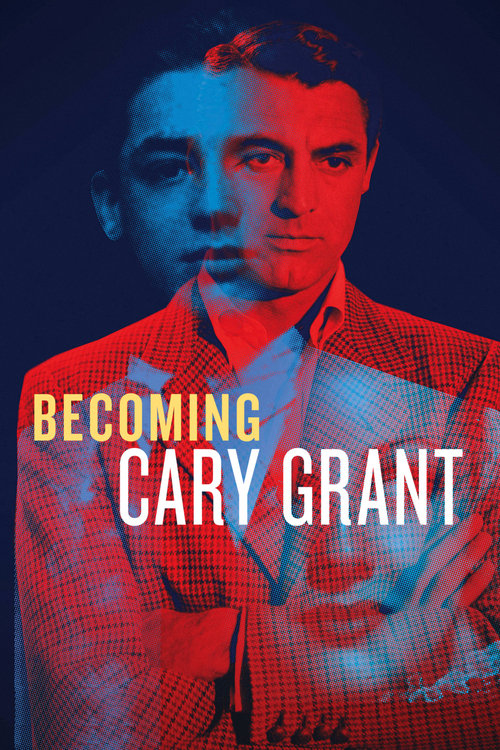
For the first time one of Hollywood's greatest stars tells his own story, in his own words. From a childhood of poverty to global fame, Cary Grant, the ultimate self-made star, explores his own screen image and what it took to create it.
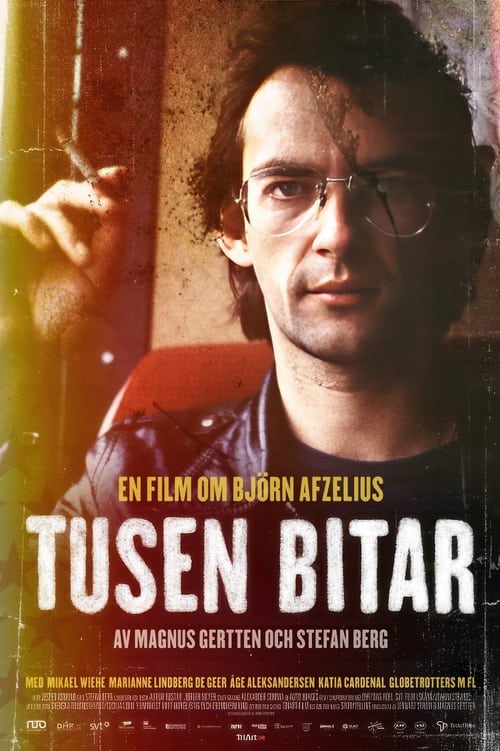
A documentary about the Swedish singer Björn Afzelius, his life and work, told by interviews with friends, family and bandmates and through unique and never-seen-before archive material.
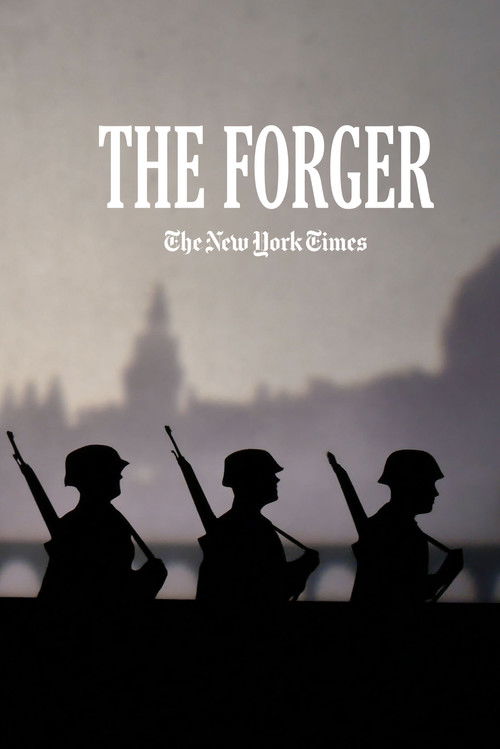
Adolfo Kaminsky started saving lives when chance and necessity made him a master forger. As a teenager, he became a member of the French Resistance and used his talent to save the lives of thousands of Jews. The Forger is a well-crafted origin story of a real-life superhero.
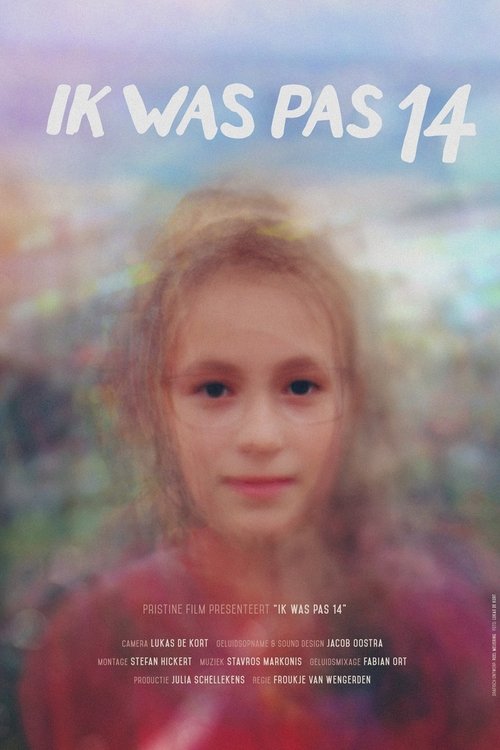
Filmmaker Froukje van Wengerden’s 86-year-old grandmother shares a powerful memory from 1944, when she was just 14. As her story unfolds, we see a group of contemporary 14-year-old girls. Their procession of portraits permits the spectator to see simultaneously forward and back, into the future and towards the past. A miraculous testimonial that uses eye contact to focus the viewer inward and evoke unexpected emotions.
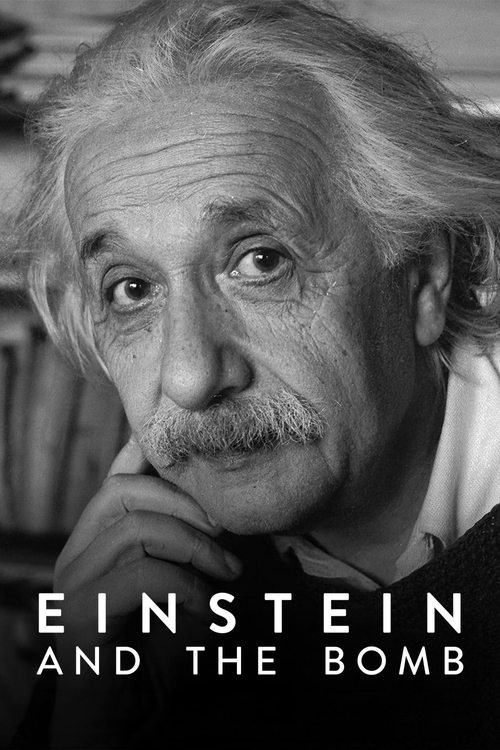
What happened after Einstein fled Nazi Germany? Using archival footage and his own words, this docudrama dives into the mind of a tortured genius.
A short documentary on how people view art and its value in today's society.
Narrator