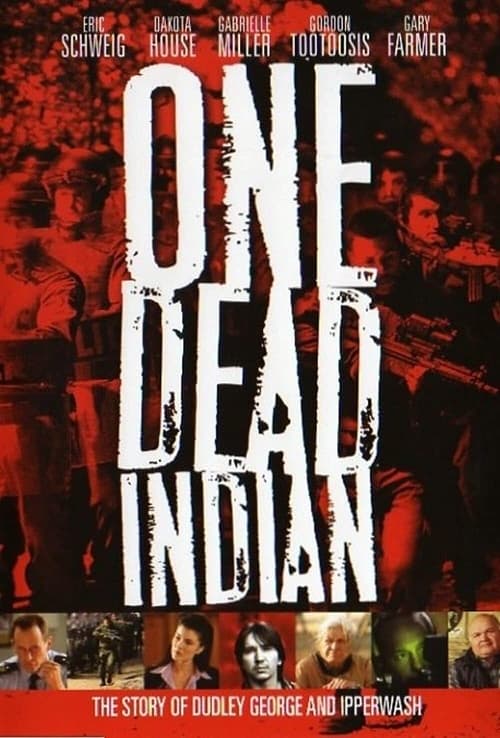
Stoney Point Natives assemble at Ipperwash Provincial Park for what began as a peaceful protest.
No Trailers found.
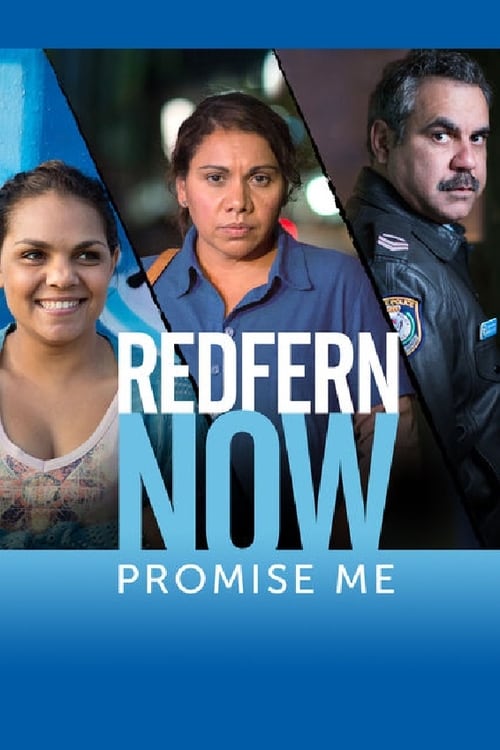
Three intrepid women battle for Indigenous women's treaty rights.
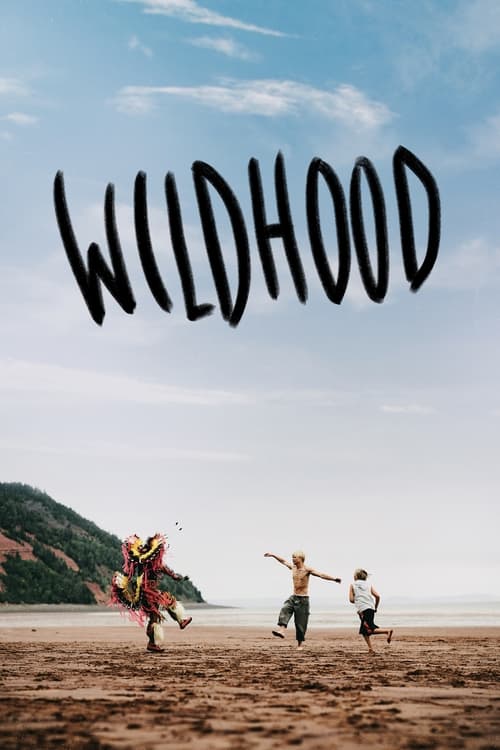
Link and his brother flee their abusive father and embark on a journey where Link discovers his sexuality and rediscovers his Mi’kmaw heritage.
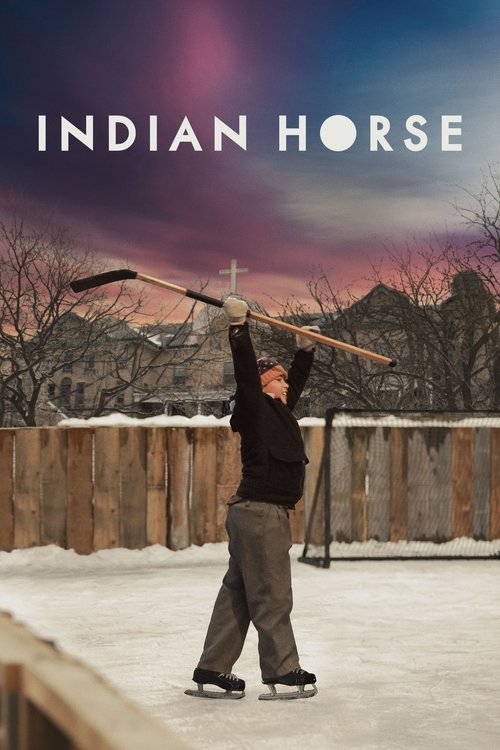
Follows the life of Native Canadian Saul Indian Horse as he survives residential school and life amongst the racism of the 1970s. A talented hockey player, Saul must find his own path as he battles stereotypes and alcoholism.
Three Kiowa boys attempt to escape a government boarding school in 1891, Oklahoma.
Two young women are raped on their way home. The story follows the lives of both women and the different ways they deal with the crime.
This 1981 NFU film is a tour of the contemporary world of Aotearoa’s tangata whenua. It won headlines over claims that its portrayal of Māori had been sanitised for overseas viewers. Debate and a recut ensued. Writer Witi Ihimaera felt that mentions of contentious issues (Bastion Point, the land march) in his original script were ignored or elided in the final film, and withdrew from the project. He later told journalists that the controversy showed that educated members of minority groups were no longer prepared to let the majority interpret the minority view.
During a training exercise in an abandoned open-pit mine, a crew of Canadian astronauts are interrupted by an Atikamekw elder, who asks them to deliver an important message to the spirit of his community on the moon.
A white lawyer finds his values shaken when he is paired with an angry Indigenous activist who insists on kidnapping the head of a logging company to teach him the price of his destruction.
Mavis Dogblood is a Mohawk painter from Canada haunted by the tragic death of her husband, who was hit by lightning. She paints the stories he used to tell her, but she can’t come to grips with her loss. It is only after she drives to New York City for an art opening, traveling across what were her ancestors’ tribal lands, that Mavis reconciles herself to her new life.
A young Ojibwa girl from 1770 marries a Scottish fur trader and leaves home for the shores of Georgian Bay. Although the union is beneficial for her tribe, it results in hardship and isolation for Ikwe. Values and customs clash until, finally, the events of a dream Ikwe once had unfold with tragic clarity.
Explores the sensitive, and tense, relationship between life on an First Nations reservation and life in the outside world. When Native Canadian Silas Crow is forced to write a personal essay in order to get a much-desired job, he tells the story of the rape and murder of an Indian girl by a drunken thug. When the killer received a lenient two-year sentence for manslaughter, the First Nations community felt shock and anger—and tried desperately to deal with the after-effects of this lack of justice.
In a sweeping tale that spans 1000 years and multiple generations – from the distant past to the 19th century, the present day and a strange, dystopian future – this landmark collection traces the collective histories of Indigenous peoples across Australia, New Zealand and the South Pacific. Diverse in perspective, content and form, traversing the terrain of grief, love and dispossession, they each bear witness to these cultures’ ongoing struggles against patriarchy, colonialism and racism.
Cree matriarch Aline Spears survives a childhood in Canada’s residential school system to continue her family’s generational fight in the face of systemic starvation, racism, and sexual abuse. She uses her uncanny ability to understand and translate codes into working for a special division of the Canadian Air Force as a Cree code talker in World War II. The story unfolds over 100 years with a cumulative force that propels us into the future.
Cyclone Tracy 40 years on, exploring the myths and revealing new perspectives on one of the worst natural disasters in Australia's history.
In North Carolina, Daniel Boone hears amazing tales about Kentucky and decides to move his family there. But first he has to find the Indian path that will lead him and earn enough money trapping to repay a loan. The Indians are not happy that settlers are coming, and make life difficult for them.
Banduk discovers that Mr Kool is smuggling birds out of Australia.
The film tells the story of four Cree siblings, Connie, Marianne, Gwen, and Anthony, separated as babies through Canada’s notorious Sixties Scoop, which saw indigenous children taken from their homes to be adopted by white families. Excited and curious, but also scared and afraid of rejection, they agree to meet for the first time over a holiday weekend in the mountains of Banff.
Ten women in Canada talk about being lesbian in the 1940s, 1950s, and 1960s: discovering the pulp fiction of the day about women in love, their own first affairs, the pain of breaking up, frequenting gay bars, facing police raids, men's responses, and the etiquette of butch and femme roles. Interspersed among the interviews and archival footage are four dramatized chapters from a pulp novel, "Forbidden Love".
WINHANGANHA (Wiradjuri language: Remember, know, think) - is a lyrical journey of archival footage and sound, poetry and original composition. It is an examination of how archives and the legacies of collection affect First Nations people and wider Australia, told through the lens of acclaimed Wiradjuri artist, Jazz Money.
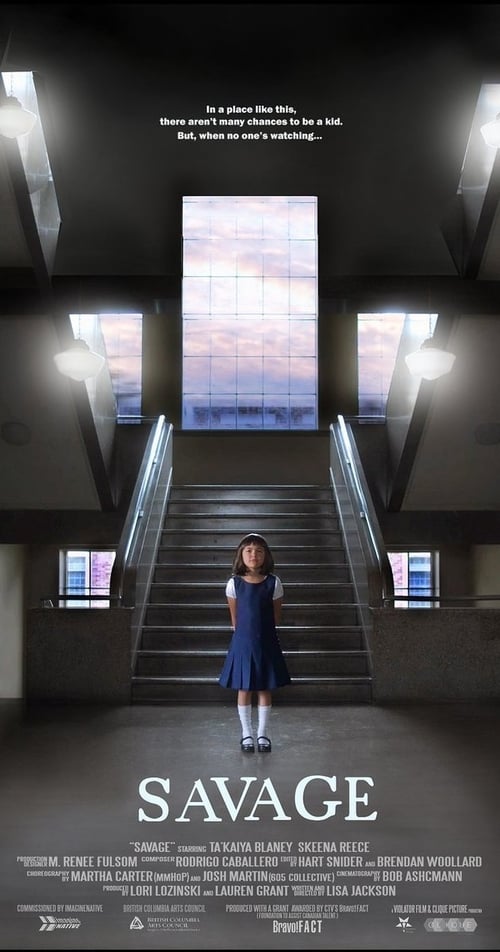
On a summer day in the 1950s, a native girl watches the countryside go by from the backseat of a car. A woman at her kitchen table sings a lullaby in her Cree language. When the girl arrives at her destination, she undergoes a transformation that will turn the woman’s gentle voice into a howl of anger and pain.
Sam George
Dudley George
Premier
Police Field Commander
Ian Scott