A documentary about 1996/97 winter anti-regime demonstrations in Yugoslavia.
No Cast found.
No Trailers found.
A short film that originally played before showings of "Heroes Two" - in which Fu Sheng, Chen Kuan Tai and Chi Kuan-Chun demonstrate different techniques of Hung boxing.
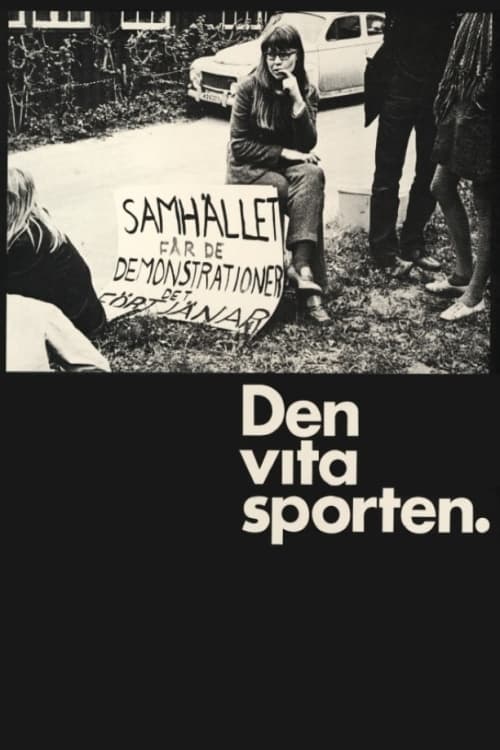
Documentary film about the protests against the 1968 Davis Cup tennis match between Sweden and Rhodesia, in Båstad, Sweden. In a series of interviews, demonstrators and members of the Swedish government give their views on sport, politics and civil disobedience.
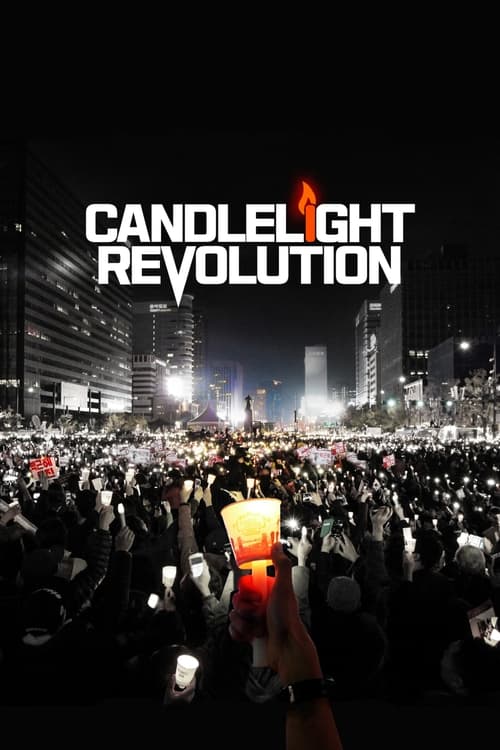
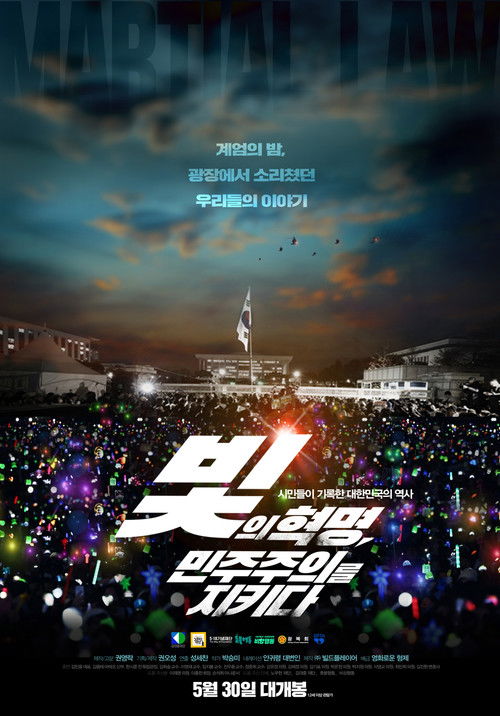
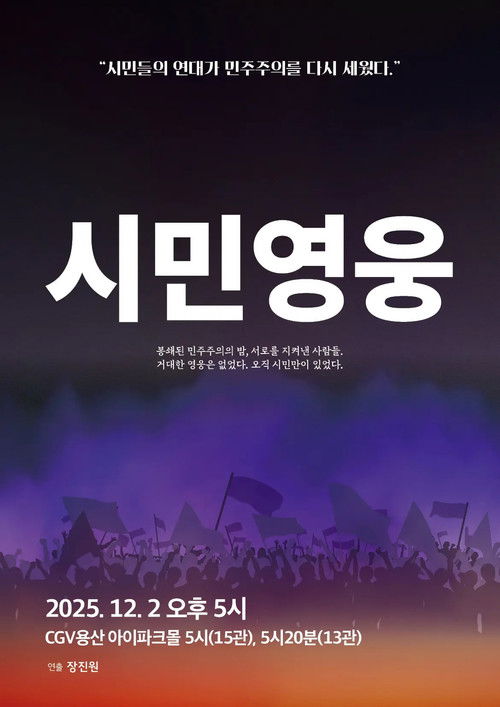
“What kind of person do you think former President Park Geunhye is?” Sohn Seokhee, a journalist, gives a clear and sharp answer that he “shares the common ideas that people in our country have.” That common idea has led millions to bring candles to the streets, correcting a thread of history that has gone awry, and gather a sense of hope among people. Candlelight Revolution portrays the voices of citizens from various generations, political figures of different parties, and the witnesses of an administration under improper influence. It is a documentary that identifies the genuine structure of politics and society by following how Park entered politics along with government records up until March 10.
No overview available.
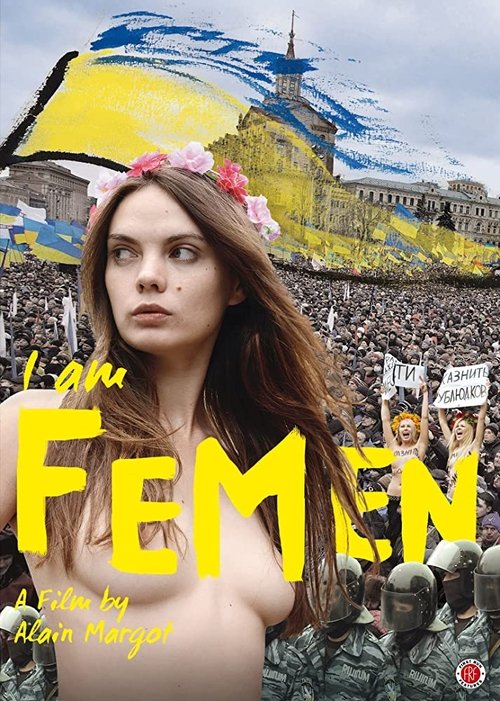
Oxana is a woman, a fighter, an artist. As a teenager, her passion for iconography almost inspires her to join a convent, but in the end she decides to devote her talents to the Femen movement. With Anna, Inna and Sasha, she founds the famous feminist group which protests against the regime and which will see her leave her homeland, Ukraine, and travel all over Europe. Driven by a creative zeal and a desire to change the world, Oxana allows us a glimpse into her world and her personality, which is as unassuming, mesmerising and vibrant as her passionate artworks.
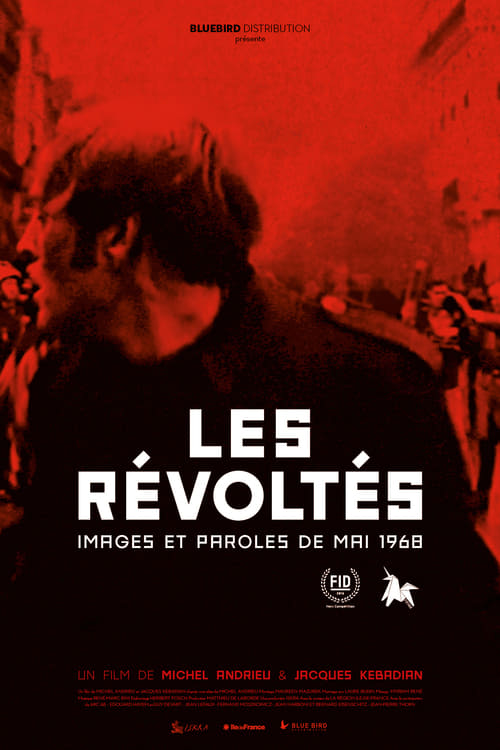
In May 1968, workers, students and young people rise up against the morality and power of the establishment. Faculties and factories are under occupation. Barricades are erected. Paving slabs are launched. Words give way to actions. This is the confrontation. These images bear witness to the men and women who, in their indignancy, march towards their revolution. 50 years ago, as part of our ARC collective, we filmed the uprising of May and June 1968. Out of this material and scenes borrowed from our other filmmaker friends, we created this film.
Filmmaker Marshall Curry explores the inner workings of the Earth Liberation Front, a revolutionary movement devoted to crippling facilities involved in deforestation, while simultaneously offering a profile of Oregon ELF member Daniel McGowan, who was brought up on terrorism charges for his involvement with the radical group.
The film speaks of student demonstrations in Belgrade, 1969 and of the critical quality, enthusiasm and discipline of this form of protest. It was the most powerful public criticism of "red bourgeoisie" - members of communist apparatus, who suppressed creativity and affirmation of new generations throughout Eastern block.
Is Korea a democratic republic or a prosecution republic? Can you be confident that the blade of the prosecution is not aiming at you? Their hunt has begun. Following the coordinates thrown by the prosecution, the media gathers, and rumors circulate. Prosecutors wield a sword before the angry public. Who is the one being chased over there? Are you confident that you are not the one?
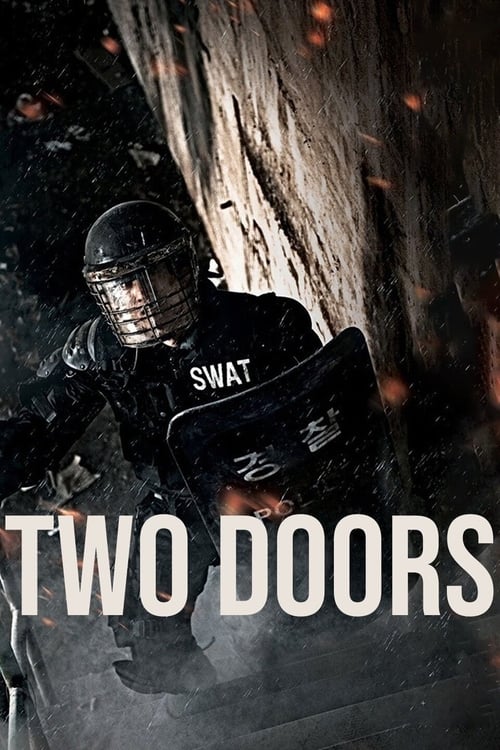
The documentary Two Doors traces the Yongsan Tragedy of 2009, which took the lives of five evictees and one police SWAT unit member. Left with no choice but to climb up a steel watchtower in an appeal to the right to live, the evictees were able to come down to the ground a mere 25 hours after they had started to build the watchtower, as cold corpses. And the surviving evictees became lawbreakers. The announcement of the Public Prosecutors’ Office that the cause of the tragedy lay in the illegal and violent demonstration by the evictees, who had climbed up the watchtower with fire bombs, clashed with voices of criticism that an excessive crackdown by government power had turned a crackdown operation into a tragedy.
In 2022, the Spring Wind Project chronicled the "Spring Wind Pilgrimage." Now, in 2024, as they face the challenges posed by the Yoon Sukyeol administration's policies, the filmmakers embark on a new collective endeavor. Once again, they connect with those on the frontlines of social struggles, capturing their resilience and determination.
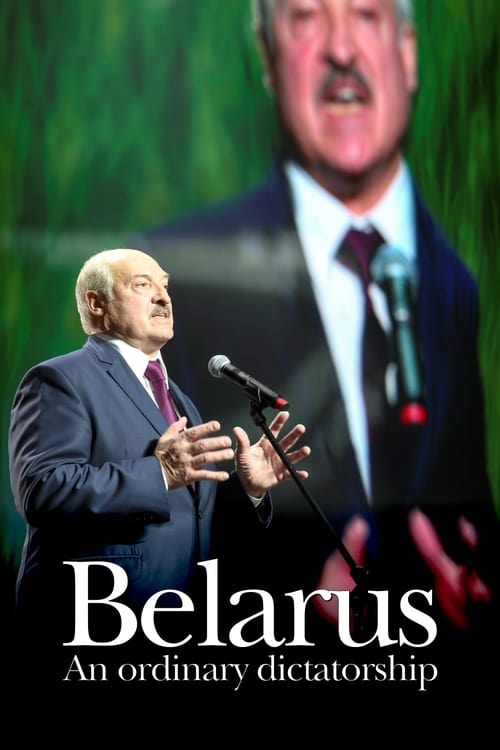
It’s the last dictatorship of Europe, caught in a Soviet time-warp, where the secret police is still called the KGB and the president rules by fear. Disappearances, political assassinations, waves of repression and mass arrests are all regular occurances. But while half of Belarus moves closer to Russia, the other half is trying to resist…
A short profile doc on street artist MissMe—a sort of Banksy-esque underground figure with a feminist bent. While the short portrait documentary field is certainly overcrowded, director Mohammad Gorjestani’s film is beautifully shot and quickly paced. It’s got a certain energy that can’t be denied (much like artwork driving the film). Plus, the central character is an inspiring symbol of artistic authenticity and self-liberation. A former advertising executive, MissMe ditched her high-profile corporate day job to become a counter-voice to the objectification of women in the mainstream advertising world. Girl power, indeed.
Poland, 1970. When popular protests erupt in the streets due to rising prices, the communist government organizes a crisis team. Soon after, the police use their truncheons and then their firearms. The story of a rebellion from the point of view of the oppressors.
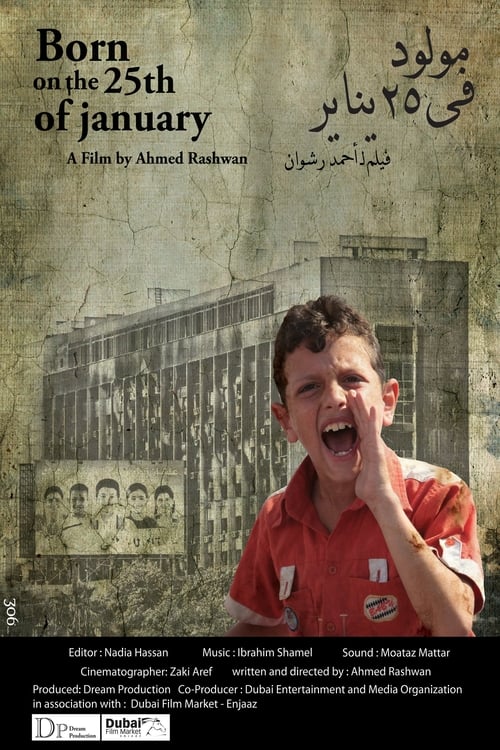
From January 25 to May 27, 2011, the film tracks four months of the Egyptian revolution as seen through the director's eyes. January 25 is the beginning, but May 27 is not the end - because the revolution continues.
Voigt, Kroske and Richter were among the first filmmakers who documented the events of the historic 9th of October 1989. Their “material” reflects them from different angles: protesters, workers, opposition members, policemen, street sweepers and functionaries. THE document of the “peaceful revolution”.