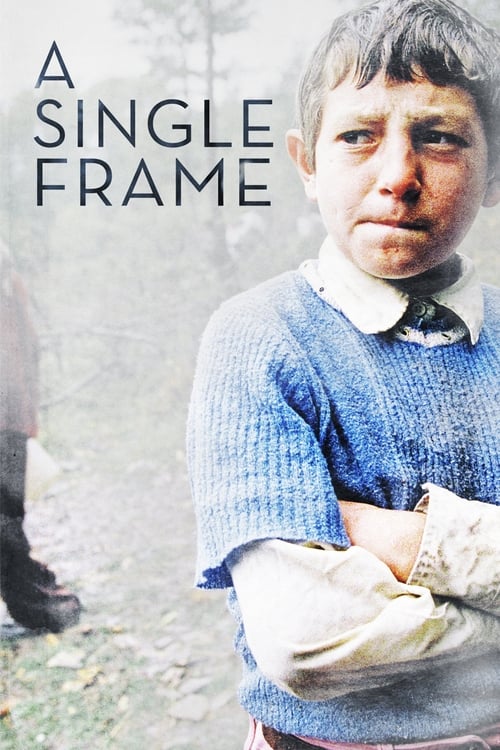
The journey of A SINGLE FRAME weaves an exploration of the impact of photography from both sides of the shutter. The fascinating post-war culture of Kosovo serves as backdrop.
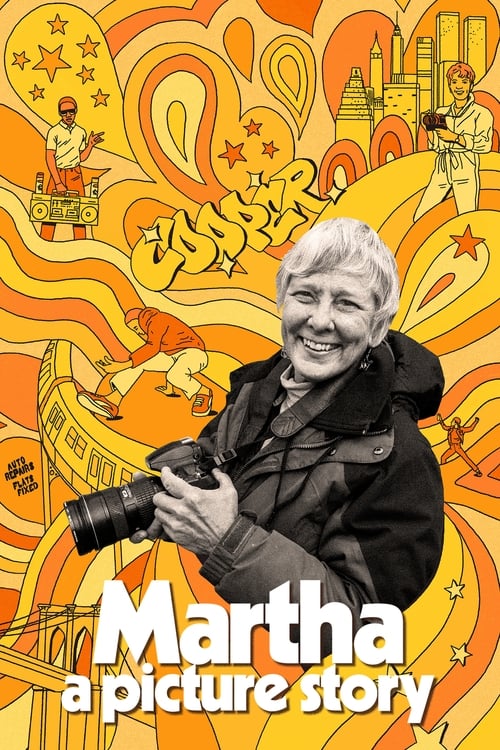
In 1970s New York, photographer Martha Cooper captured some of the first images of graffiti at a time when the city had declared war on it. Decades later, Cooper has become an influential godmother to a global movement of street artists.
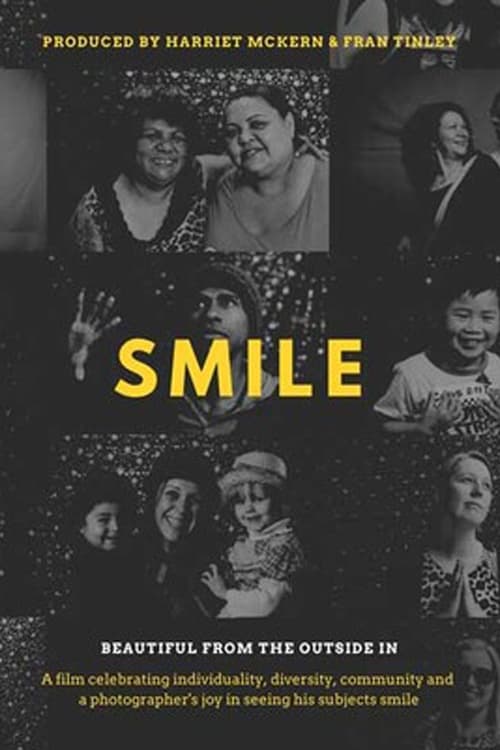
A heartwarming exploration of a community art project by photographer Tawfik Elgazzar providing free portraits for locals and passers-by in Sydney, Australia's Inner West. The film explores the nature of individuality, cultural diversity and the positive joy for the photographer of seeing his subjects smile.
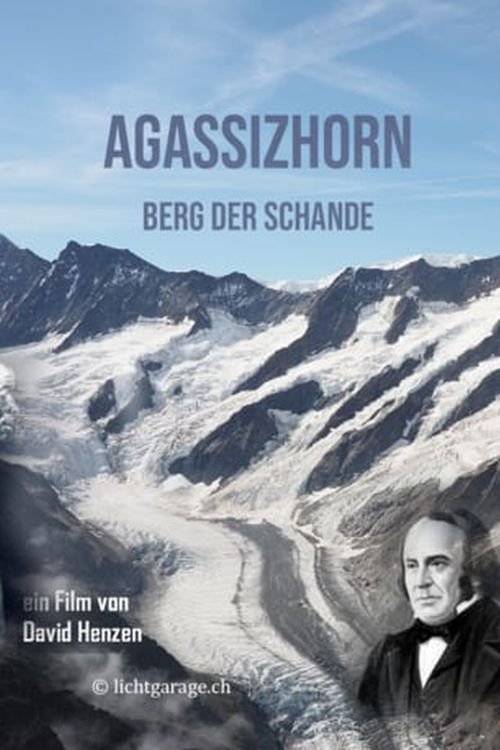
In the Bernese Alps, the Agassizhorn peak memorialises Louis Agassiz – a controversial 19th-century scientist, who not only named the mountain after himself, but who claimed he had discovered the Ice Age and went on to become one of the century's most virulent, most influential racists.
No overview available.
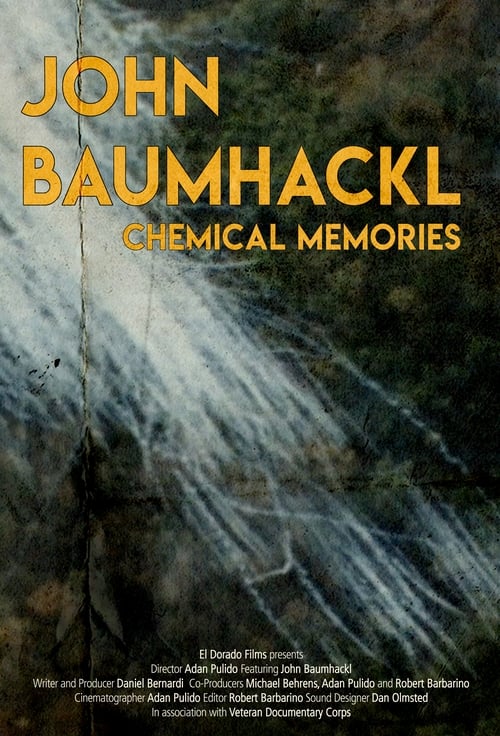
John Baumhackl recalls the early days of the Vietnam War when more and more troops were being sent into combat every month. In 1968, John's number came up and he was drafted into the conflict. Buying a camera at his company store before shipping off, he captured many battles while in a helicopter. John was near the front lines when President Nixon made the controversial decision to push into Cambodia. In John's view, this saved American lives.
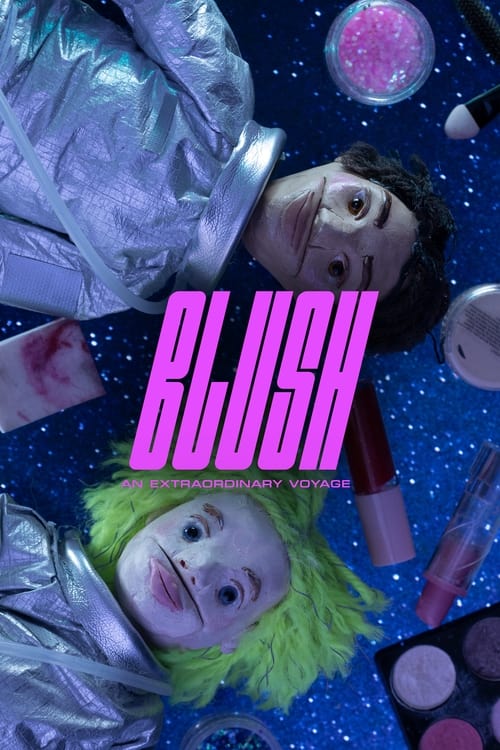
For 18-year-old Finnish–Kosovan Fatu, a simple visit to the grocery store feels as nerve-racking as a lunar expedition: for the first time in his life, he’s wearing makeup in public. Luckily his best friend Rai, a young woman on the spectrum of autism, is there to ferociously support him through the voyage.
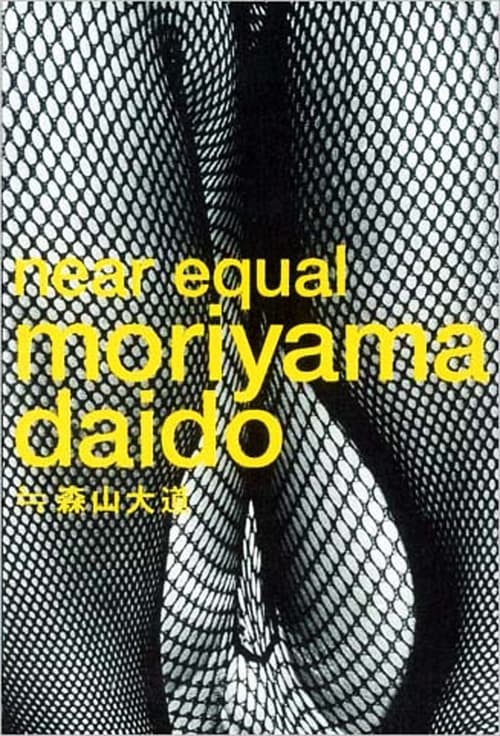
A documentary that follows the life of photographer Daido Moriyama in the present, which has never been revealed before. Even though his charismatic presence has reigned over the world of photography since the late 60’s, his true persona had been hidden behind a veil of mystery, since he had refused any major appearances in front of any media in the past. Follow the charismatic photographer Daido Moriyama as he takes his first digital photos and observe his style of quick snapshots without looking in the finder. His stark and contrasting black and white images symbolize his fervent lifestyle.
Following the 1884–85 Berlin Conference resolution on the partition of Africa, the Portuguese army uses a talented ensign to register the effective occupation of the territory belonging to the Cuamato people, conquered in 1907, in the south of Angola. A STORY FROM AFRICA enlivens a rarely seen photographic archive through the tragic tale of Calipalula, the Cuamato nobleman essential to the unfolding of events in this Portuguese pacification campaign.
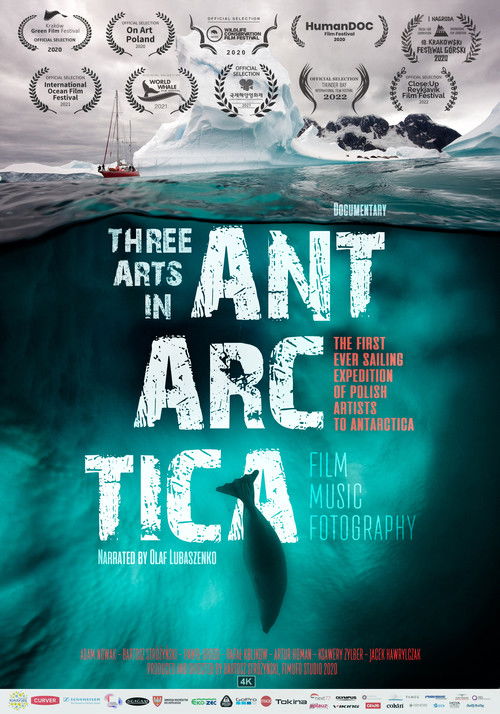
The documentary follows Polish artists on the first sailing expedition to Antarctica, their struggles, the first ever concert by Polish artists there, the first wet plate photography session & rare underwater encounters with leopard seals & other wildlife.
Whether famous or anonymous, stars or prisoners, models or sex workers, women have always been at the center of Bettina Rheims' photographic work since her debut in 1978. Both subversive and glamorous, trashy and sophisticated, her photographs mark and bear witness to the upheavals of the era, which this leading photographer both anticipated and accompanied.
The best known, "Weegee's New York" (1948), presents a surprisingly lyrical view of the city without a hint of crime or murder. Already this film gives evidence, here very restrained, of Weegee's interest in technical tricks: blur, speeded up or slowed-down film, a lens that makes the city's streets curve as if cars are driving over a rainbow. - The New York Times
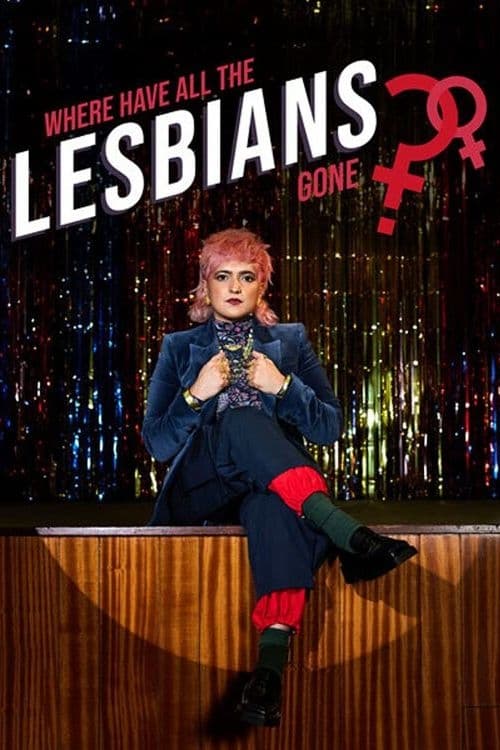
Lesbian director Brigid McFall and lesbian photographer Vic Lentaigne create a series of intimate, revealing portraits of what it means to be lesbian in 2022, exploring why it is that so many young women who are sexually attracted to other women now prefer to identify as queer.
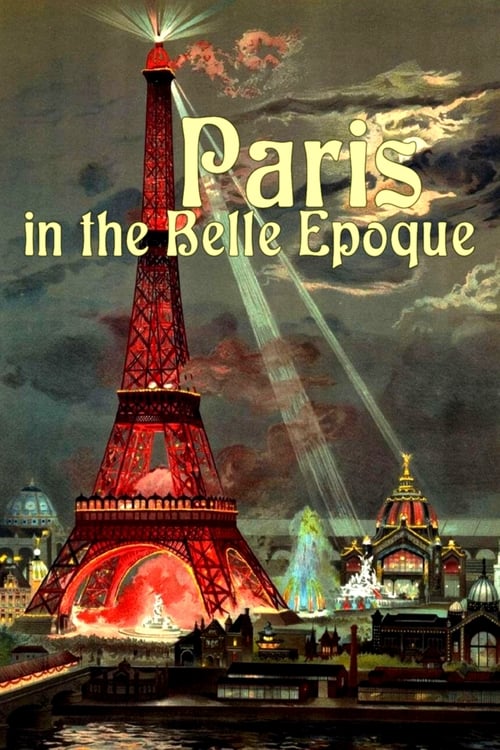
The Bokelberg photographic collection brings to life the Paris of the Belle Époque (1871-1914), an exhibition of workshops and stores with extremely beautiful shop windows before which the owners and their employees proudly pose, hiding behind their eyes the secret history of a great era.
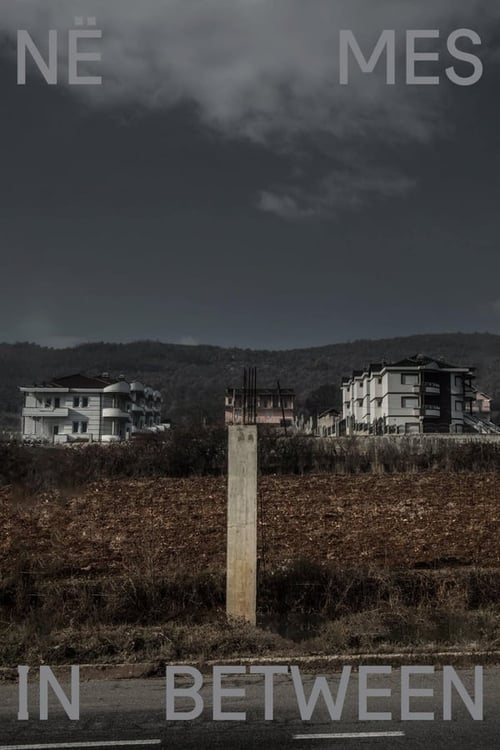
In rural Kosovo, identical houses are built for family members working abroad, in the hope that they will one day return to settle in their old homeland.
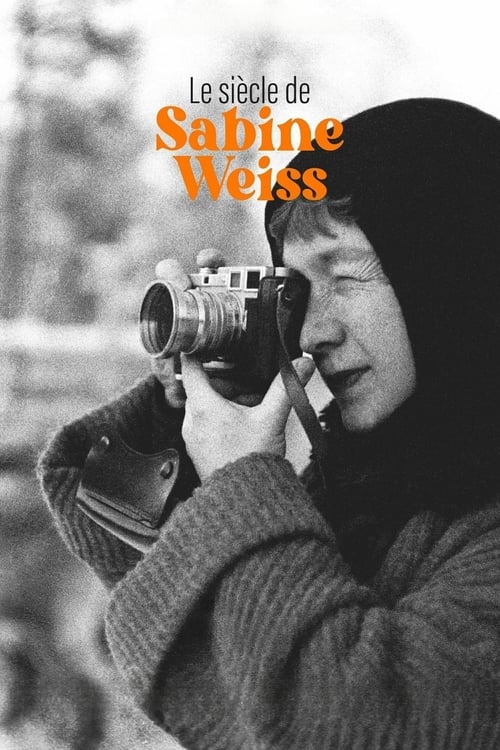
In nearly a century, Sabine Weiss (1924-2021) has left behind a monumental and eclectic work: thousands of faces, collections of the greatest fashion designers in prestigious magazines, a Parisian working-class now disappeared, photoreports around the world… By focusing on the margins of society, she was an exceptional witness of the 20th century. For the first time, a film draws the portrait of this hard-worker artist and captures the last words of the greatest female figure of the Humanist photography (Robert Doisneau, Henri Cartier-Bresson).
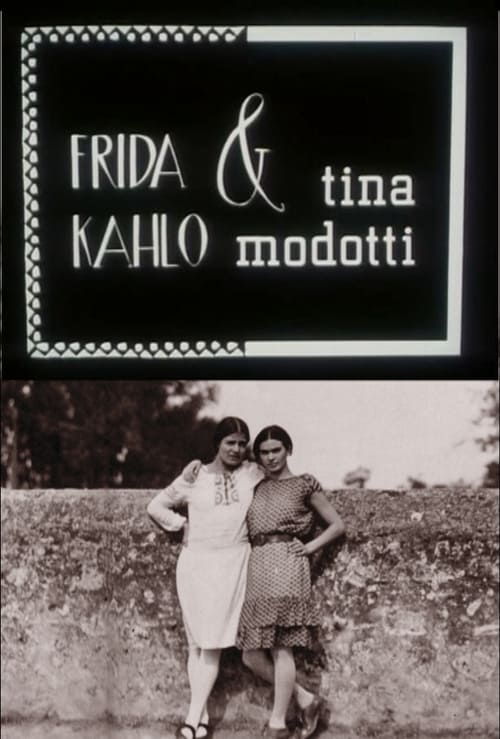
An unconventional portrait of painter Frida Kahlo and photographer Tina Modotti. Simple in style but complex in its analysis, it explores the divergent themes and styles of two contemporary and radical women artists working in the upheaval of the aftermath of the Mexican Revolution.
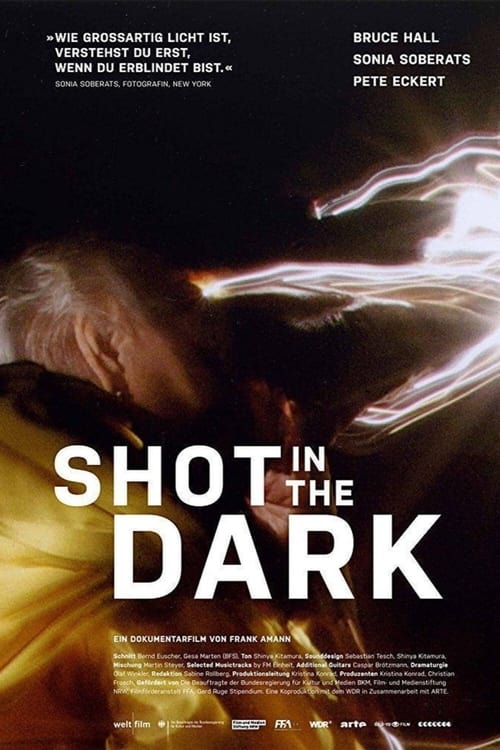
Shot in the Dark is a documentary on three blind photographers: Pete Eckert, Sonia Soberats and Bruce Hall. A documentary on three blind people who devote their lives to creating images. What do they see in their mind's eyes? Do they sense that which we sighted miss, overlook, or don't take into consideration? Their images, as we sighted can see, are extraordinary. "Even with no input the brain keeps creating images," says Pete Eckert. Sonia Soberats states, "I only understood how powerful light is after I went blind." Shot in the Dark is a journey into an unfamiliar yet fascinating realm. "My camera is like a bridge," claims Bruce Hall. All these photographers embrace fantasy, chance, and contingency at a fundamental level. Shot in the Dark enriches our understanding of perception and creation. We all close our eyes in sleep, the sighted and blind alike, and in our dreams - we see.
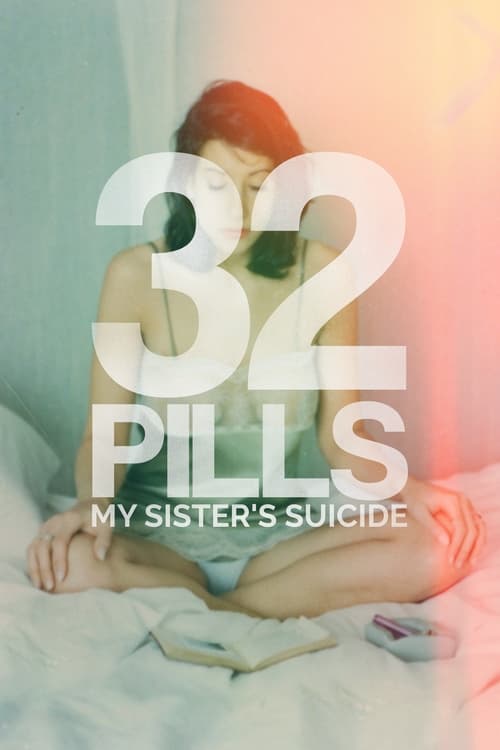
Traces the life and mental illness of New York artist and photographer Ruth Litoff, and her sister's struggle to come to terms with her tragic suicide.
No Cast found.
No Trailers found.