No Trailers found.
Himself
Monsieur Khiar (voice)
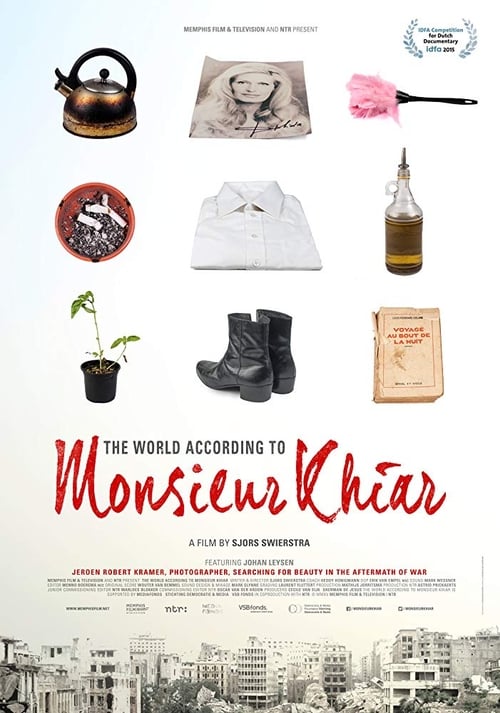
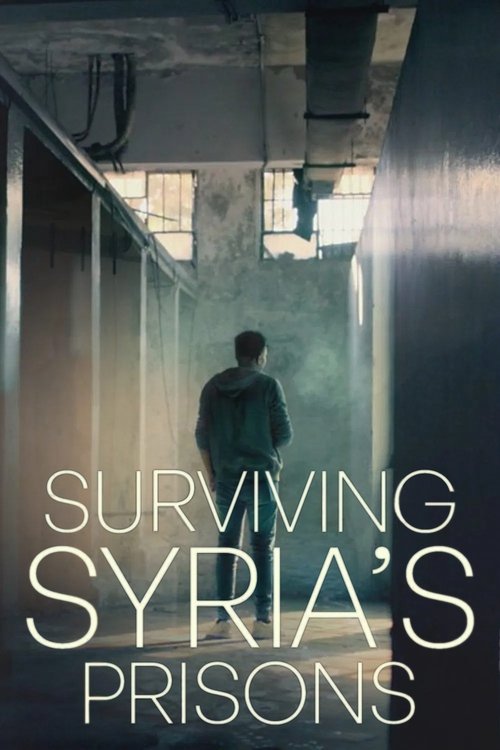
The tragedy of the Syrian people: War, conflict, loss, migration, exile, asylum, detention, drowning… A deserted place. Abandoned people. Abandoned country. The doors slammed shot; the doors are now locked - the keys thrown away...for what seems forever.
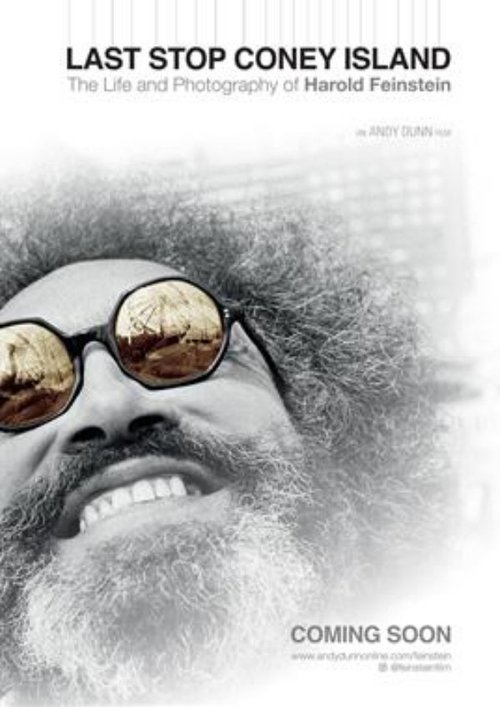
He found fame in his teens with images of his native New York, then lost it again.
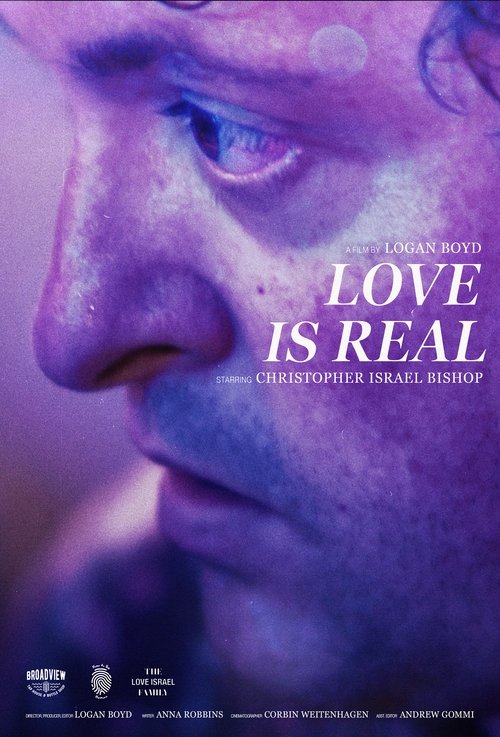
A musician's growth beyond a cult.
Following the 1884–85 Berlin Conference resolution on the partition of Africa, the Portuguese army uses a talented ensign to register the effective occupation of the territory belonging to the Cuamato people, conquered in 1907, in the south of Angola. A STORY FROM AFRICA enlivens a rarely seen photographic archive through the tragic tale of Calipalula, the Cuamato nobleman essential to the unfolding of events in this Portuguese pacification campaign.
Since the renewed Intifada began in 2000, there have been over 75 Palestinian suicide bombings. This is the story of 0ne-the bombing of bus 32 in Jerusalem in June 2002. The film connects the stories of a group of ordinary Israelis-Jews and Arabs. Each of them holds a clue to someone who died that day.
No overview available.
A look inside one of the most brutal campaigns of state repression in modern history - told by those who endured it and those who enforced it.
Three East German female photographers talk about their experiences making art in the East, and what it was like to work during time when every photographer working on their own in the GDR had entire photographic works and book projects hidden away in drawers, certain that they would probably never be shown publicly.
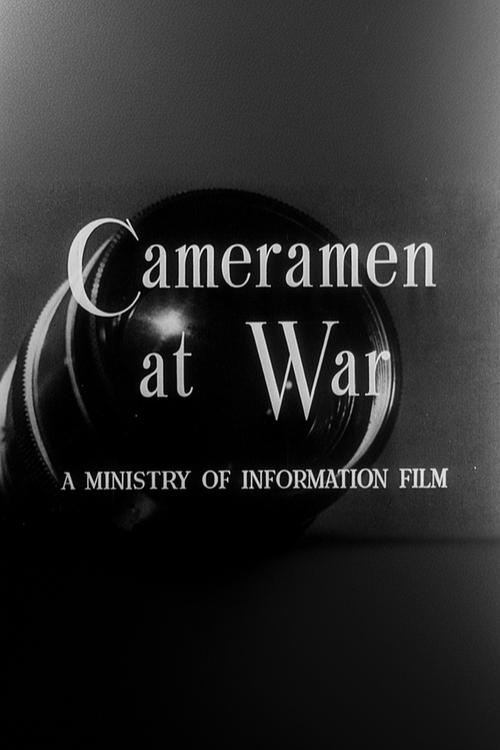
A tribute to the cameramen of the newsreel companies and the service film units, in the form of a compilation of film of the cameramen themselves, their training and some of their most dramatic film.
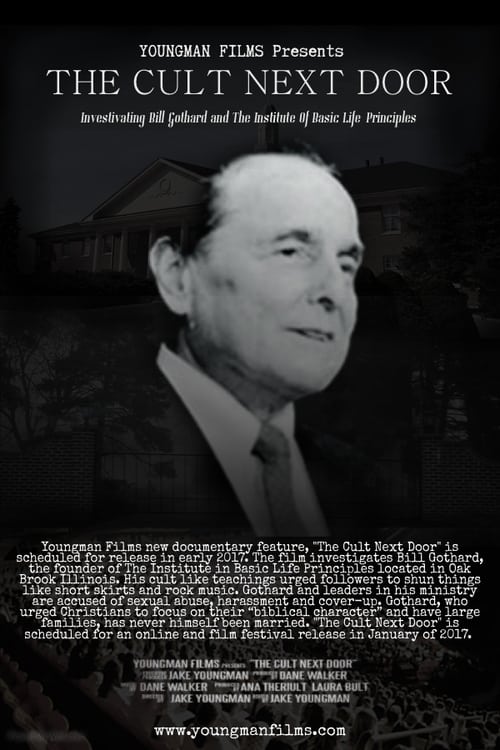
A short documentary featuring a brief overview of Bill Gothard's ministries, and some of the consequences for his followers.
On March 24, 1944, in the heart of Nazi Germany, 76 British, Canadian, Norwegian and French pilots who were held in Stalag Luft III, a prison camp of the Luftwaffe, escaped. Unique testimony from the last survivors, recreations and today’s digital images sheds new light on the audacious escape.
Here is the hair raising, seat-of-the-pants tale of men who dared to fly their planes, unescorted, to the heart of enemy held Romania to blast the source of German oil. It's also the story of long, low level flights over water, searching for the tell tale sliver of a U-boat periscope. It's a tribute to an underdog that became the most versatile, widely used bomber of World War II. This is THE B-24 LIBERATOR! Aviation A.V. Library brings you this battling classic in a hell-raising video adventure that we call "THE FIGHTING LIBERATOR." From the Bismark Sea to dirt airstrips in China to the exhilaration of the great push on D-Day the Liberator was there, fighting her way over, around and through the Axis ranks.
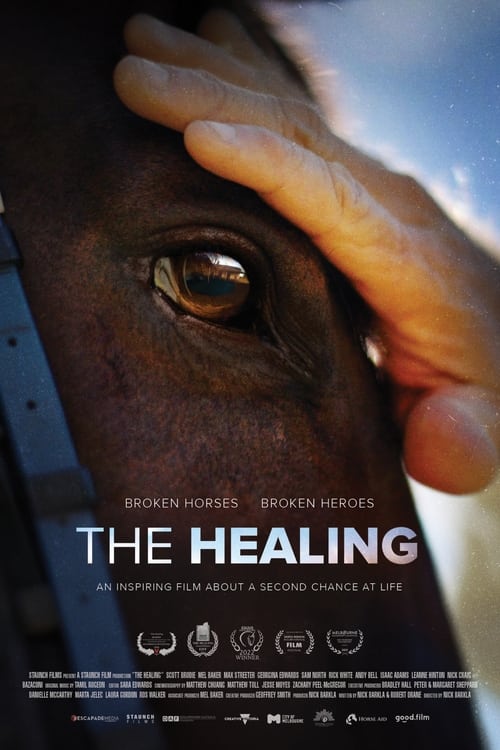
An inspiring journey of recovery from two very different worlds. Set against the stunning backdrop of Kangaroo Valley in NSW, a revolutionary program brings together traumatised ex-racehorses and traumatised military veterans - to help rebuild each other, and transform lives.
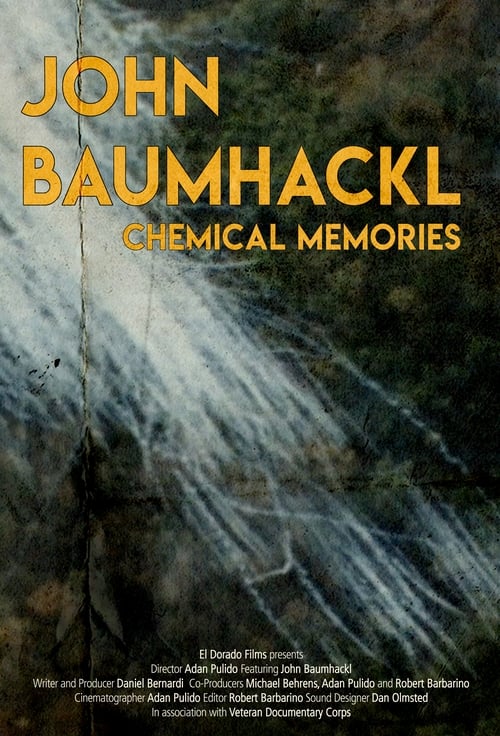
John Baumhackl recalls the early days of the Vietnam War when more and more troops were being sent into combat every month. In 1968, John's number came up and he was drafted into the conflict. Buying a camera at his company store before shipping off, he captured many battles while in a helicopter. John was near the front lines when President Nixon made the controversial decision to push into Cambodia. In John's view, this saved American lives.
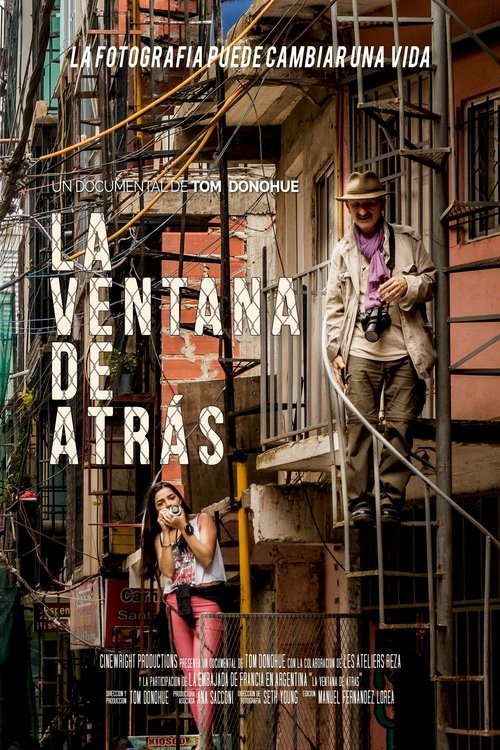
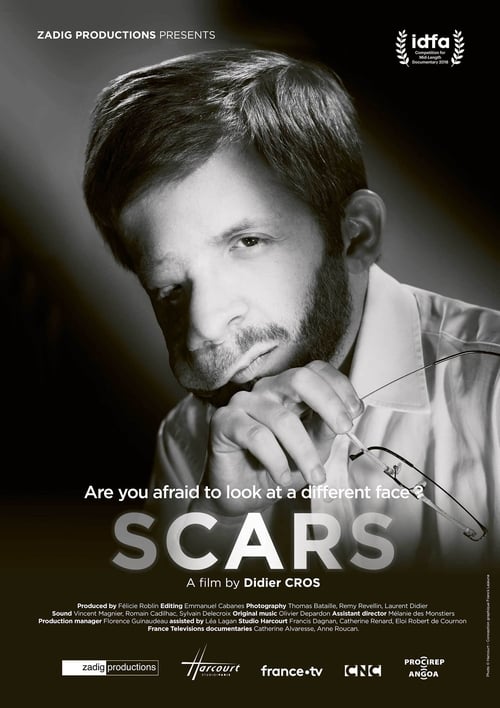
We admire beauty; we recoil from bodies that are marred, disfigured, different. Didier Cros’ moving, intimate film forces us to question what underlies our notions of beauty as we join a talented photographer taking stunning portraits of several people with profound visible scars which have dictated certain elements of their lives but have not come to define their humanity. The subjects' perceptions of themselves are dynamic, unexpected, and even heartwarming. This is an unforgettable journey to be shared with the world.
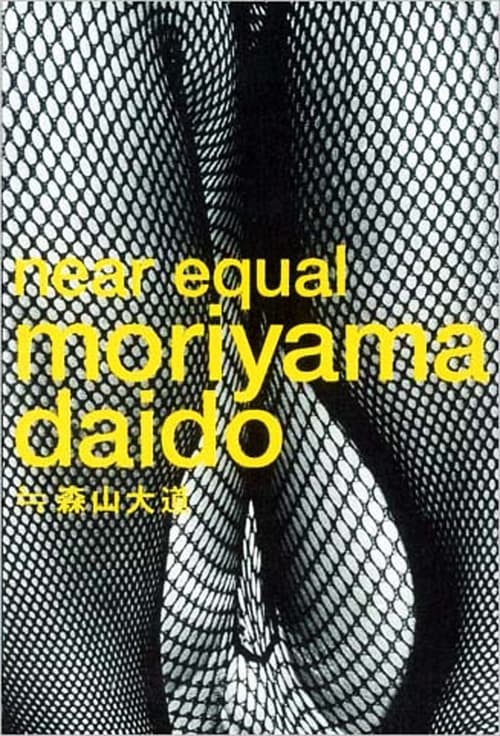
A documentary that follows the life of photographer Daido Moriyama in the present, which has never been revealed before. Even though his charismatic presence has reigned over the world of photography since the late 60’s, his true persona had been hidden behind a veil of mystery, since he had refused any major appearances in front of any media in the past. Follow the charismatic photographer Daido Moriyama as he takes his first digital photos and observe his style of quick snapshots without looking in the finder. His stark and contrasting black and white images symbolize his fervent lifestyle.
"The Star-Spangled Banner" is known by all, treasured for its powerful melody and stirring lyrics. And yet, only about 40% of U.S. citizens know all the words. And even fewer know their meaning. Join us as we travel back to 1814, when Washington D.C. was under British attack during the "Second War of Independence," and the very bricks and mortar of American democracy were reduced to smoking rubble. We examine the battle that inspired witness Francis Scott Key to immortalize its final moments, then reveal how his poem transformed into an anthem.