Life, customs and the fight for survival in the desolate wastelands of the Venezuelan plains.
No Cast found.
No Trailers found.
No overview available.
Caracas has been changing since the nineteenth century this is a story that tries to explain why the Venezuelan capital is complex, chaotic and fertile. In light of these new evidences, community experiments, social awareness and organization of people, seem to be the necessary ingredients to rescue a metropolis that is not yet completely lost.
Music documentary about Billo Frómeta by director Rafael Marziano Tinoco from Venezuela.
This is a story about youth with music. It all happens at the Dandelion School, Beijing’s first middle school specifically established for the children of migrant workers. Every year when new pupils arrive, Ms. Yuan Xiaoyan, who has worked in the school choir for eight years, would choose a group of music-loving first-years with solid musical foundations to join the choir. A new group of children join the choir while those who have advanced to the second year have to discuss with their families their future choices. For choir members, their music career in middle school will eventually stop due to the pressure of high school entrance examinations and the inevitable parting. But along this journey accompanied by music, they have been savoring the joys and sorrows of their youth, burying them deep in their hearts, and transforming them into growth-promoting nutrients.
Traditions during Easter holidays in the remote village of Grešnica. The film was a research project of the newly opened Ethnological Museum to preserve the disappearing customs at least on film for future generations.
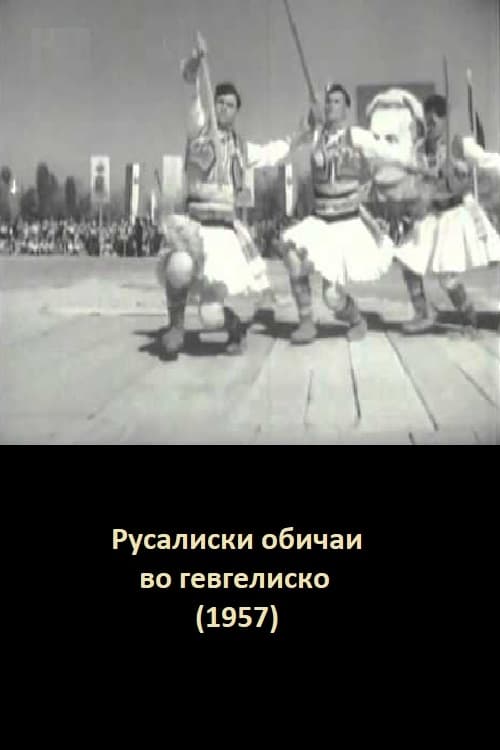
A testimony to the performance of ritual dances. Although they were performed only during the so-called “unbaptized days”, the 12 days between Christmas and Epiphany in the Orthodox Christianity, these dances are associated by some researchers with the Roman rosaries, the cult of the dead. Ritual clothing and the use of wooden swords to disperse the demons are important props in the dances that are believed to protect the folks from temptations and demons until they are baptized.
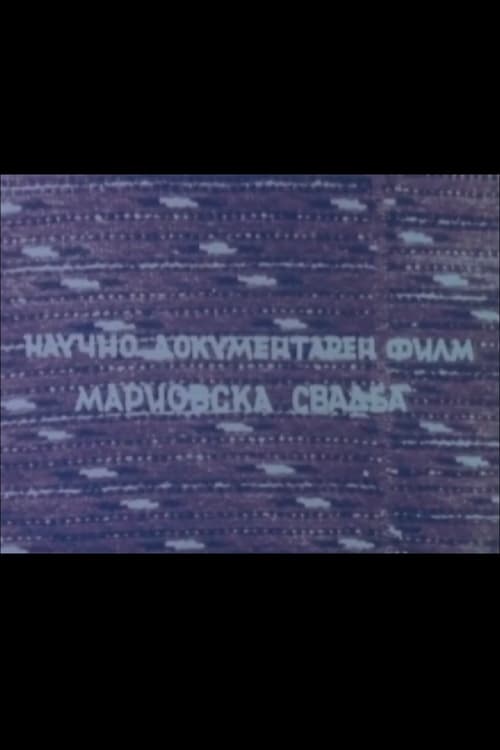
Another very isolated region, Mariovo, appears as a setting of the customs that must be performed before, during and after a wedding for the couple to fully unite.
The joys of 1960s modern education - as seen at a not-exactly-typical local comp.
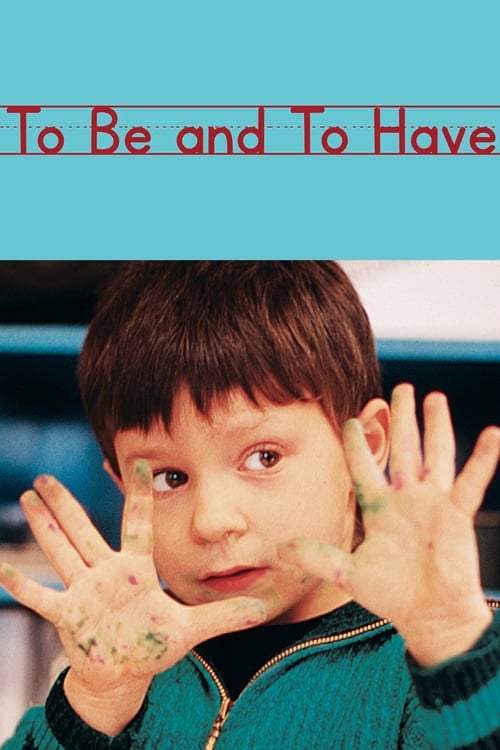
The documentary's title translates as "to be and to have", the two auxiliary verbs in the French language. It is about a primary school in the commune of Saint-Étienne-sur-Usson, Puy-de-Dôme, France, the population of which is just over 200. The school has one small class of mixed ages (from four to twelve years), with a dedicated teacher, Georges Lopez, who shows patience and respect for the children as we follow their story through a single school year.
This work documents a segment of Singapore’s education history –– the survival of the nation’s first Catholic missionary Chinese girls’ school through adversities during her formative years. It is a tribute to the arduous efforts and contributions of a generation of admirable educators who persevered in delivering the education of love with resilience and steadfastness.
In 1969, in order to bolster its shrinking student body, Fort Worth Country Day School recruited retired Marine Corps Lt. Colonel, R.C. "Rocky" Rosacker to ignite participation in athletics. No one was prepared for the Colonel's expectations of maximum effort and execution. Not only did the Colonel create a dynasty of championships but his teachings continue to inspire many generations after he taught.
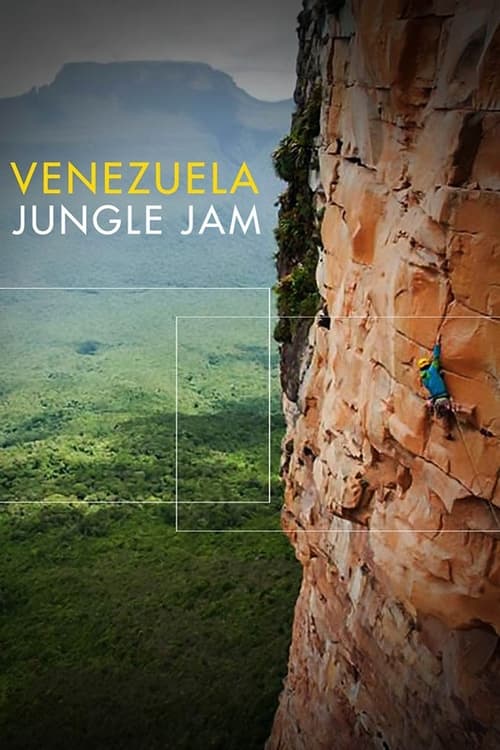
The latest film from the Belgian climbing team, following Asgard Jamming and Vertical Sailing Greenland, Venezuela Jungle Jam features Sean Villanueva O'Driscoll, Nico Favresse, Stephane Hanssens and Jean-Louis Wertz as they attempt a new free climb on the overhanging 500m wall of Amuri Tepul in the Venezuelan Jungle.
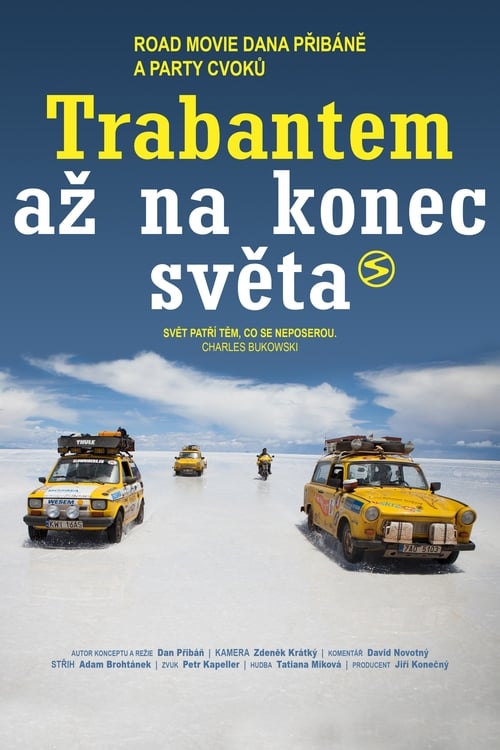
The third installment in Dan Přibáň's series of travel documentaries describes the author's journey with his friends across South America in vehicles that are often notorious but cult in their own way. The charming dynamics of the group on screen are further enhanced by the high-quality craftsmanship.
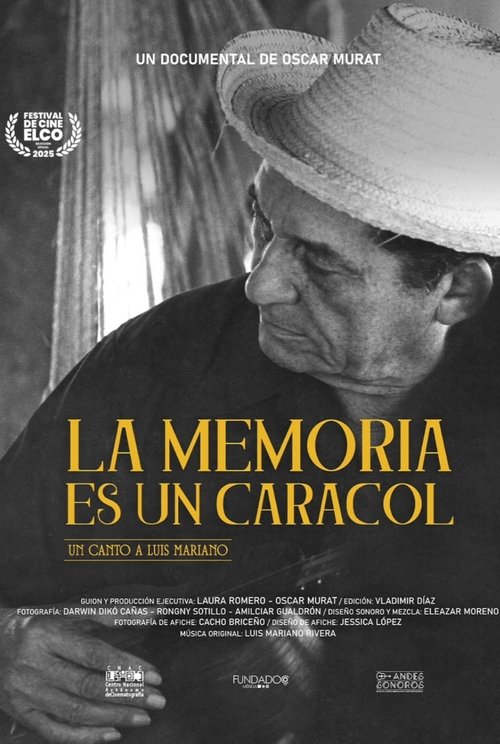
Documentary about the life of Luis Mariano Rivera.
The five Royal Schools of Ulster were established by James 1st in 1608. This documentary goes behind the scenes in the year of their 400th aniversary.
After the Kyrgyzstan Independence in 1991, the ancient practice of Ala-Kachuu ("grab and run") returned. Some women escape the men that kidnap them, but many remain married because of tradition and the fear of scandal.
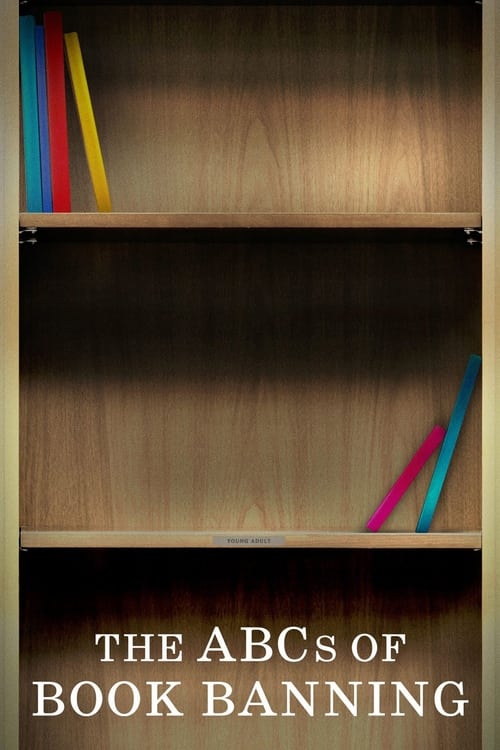
In recent years, more than 2,500 books have been removed from school districts around the US, labeled as banned, restricted, or challenged, and made unavailable to millions of students. By no accident, the themes targeted are the usual scapegoats of the American Right—LGBTQ+ issues, Black History, and women’s empowerment—impeding the power of future generations to develop their own thoughts and opinions on critical social issues. By weaving together a lyrical montage of young readers and authors, THE ABCs OF BOOK BANNING reveals the voices of the impacted parties, and inspires hope for the future through the profound insights of inquisitive youthful minds.