Portrait of Arnhem destroyed by war. Citizens and volunteers clear the rubble and start the reconstruction of their city.
No Cast found.
No Trailers found.
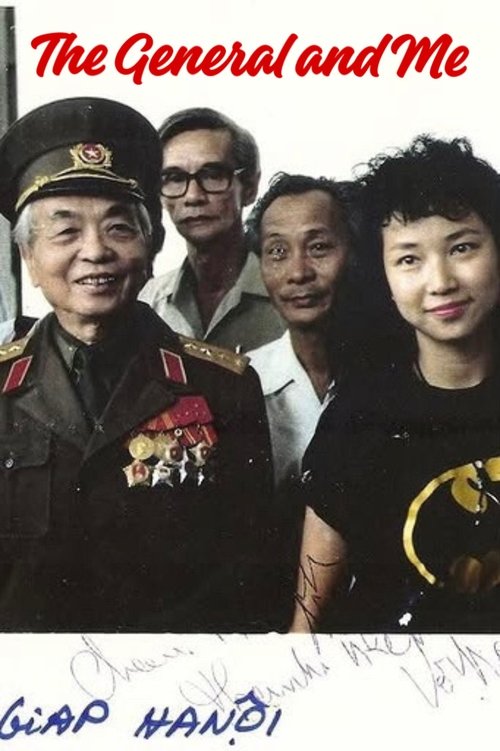
Over the period of 25 years the director met General Võ Nguyên Giáp, a legendary hero of Vietnam’s independence wars, a number of times. She was the first American who entered the home of the “Red Napoleon”. The fruit of this friendship is a film, personal and politically involved at the same time. Travelling across the country and talking to important figures as well as ordinary people, the director finds out more about her roots and offers the audience a unique perspective on Vietnam’s present and past.
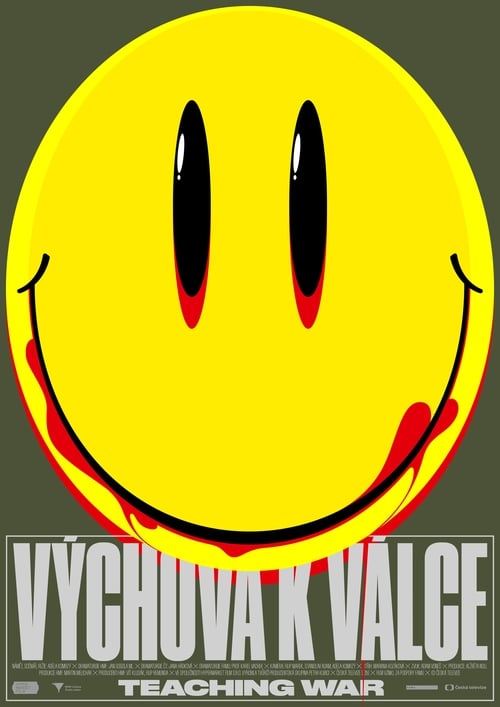
This episode from the Czech Journal series examines how a military spirit is slowly returning to our society. Attempts to renew military training or compulsory military service and in general to prepare the nation for the next big war go hand in hand with society’s fear of the Russians, the Muslims, or whatever other “enemies”. This observational flight over the machine gun nest of Czech militarism becomes a grotesque, unsettling military parade. It can be considered not only to be a message about how easily people allow themselves to be manipulated into a state of paranoia by the media, but also a warning against the possibility that extremism will become a part of the regular school curriculum.
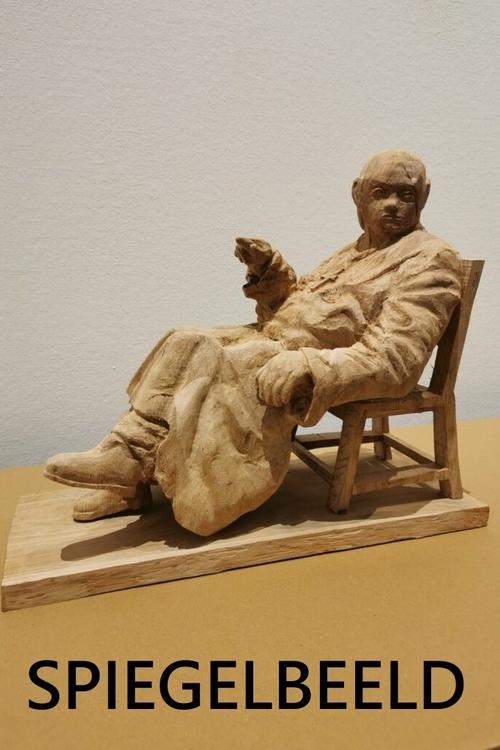
Tilburg artist Tommy van der Loo searches for the influence of superiority thinking, racism and colour in his life. Van der Loo is an emerging artist and his work has been purchased by Boijmans van Beuningen in Rotterdam. He also had an exhibition at the Kunsthal. He also made the memorial for the abolition of slavery in Eindhoven. He has had multiple experiences with discrimination and incorporates that into his sculptures. Identity and image formation are important to him: How do you look at others, how do others look at you. The search is the inspiration for his new sculpture.
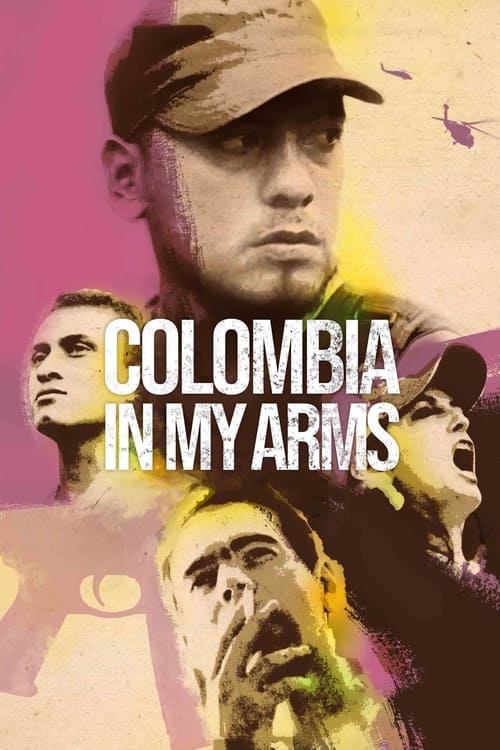
After 52 years of armed conflict the FARC guerrillas are about to hand over their arms in exchange for political participation and social inclusion of the poor. Ernesto is one of them. The much celebrated Colombian peace agreement throws Ernesto and the polarised society around him into chaos in which everyone is afraid of the future and their own survival.
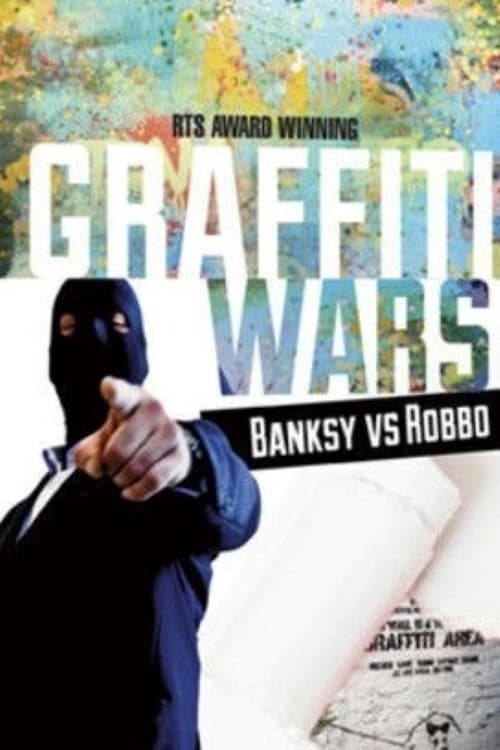
A look at the feud between graffiti artists King Robbo and Banksy.
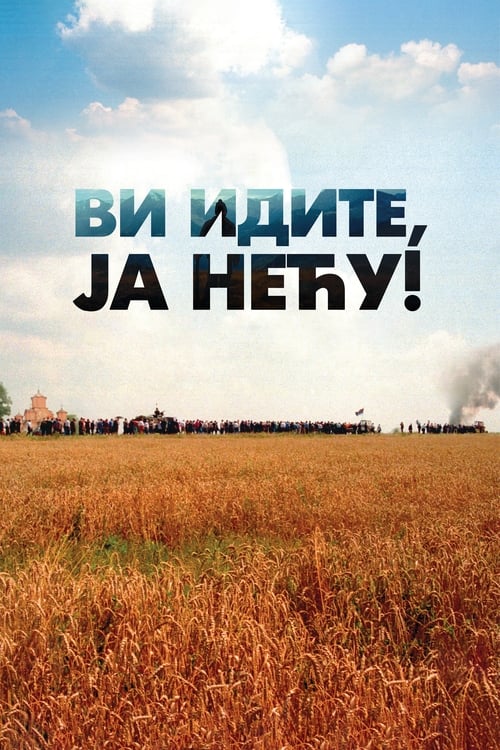
Story about the suffering of the Serbian people on Kosovo and Metohija based on Metropolitan Amfilohio's book "The Chronicle of the New Kosovo Crucifixion".
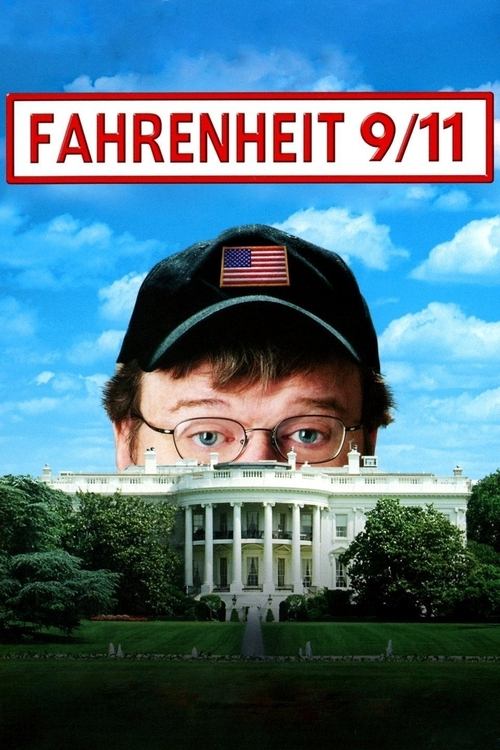
Michael Moore's view on how the Bush administration allegedly used the tragic events on 9/11 to push forward its agenda for unjust wars in Afghanistan and Iraq.
Carne Ross was a government highflyer. A career diplomat who believed Western Democracy could save us all. But working inside the system he came to see its failures, deceits and ulterior motives. He felt at first hand the corruption of power. After the Iraq war Carne became disillusioned, quit his job and started searching for answers.
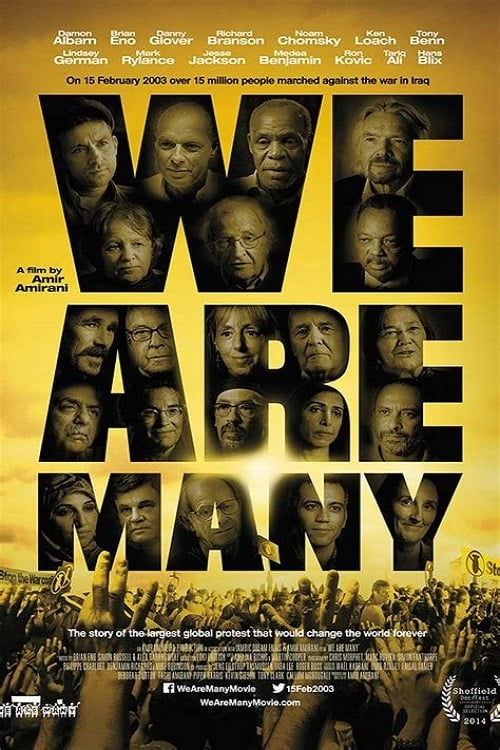
The story of the biggest demonstration in human history, which took place on 15th February 2003, against the impending war on Iraq.
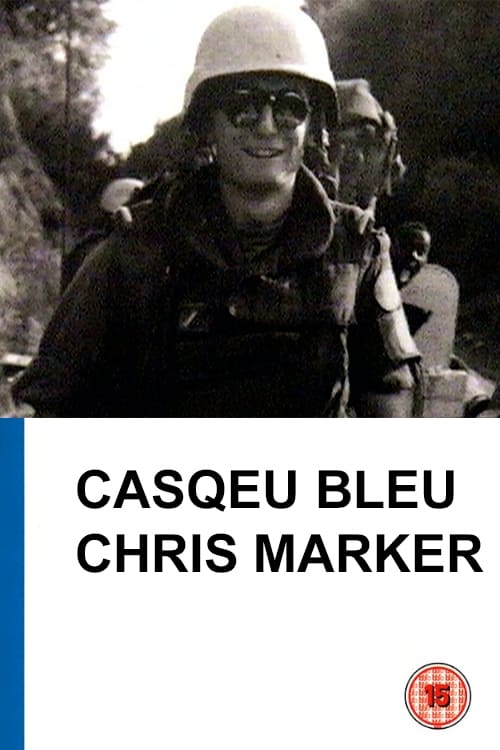
A young man, who served as a peacekeeper in Bosnia and Herzegovina for a few months during the war, recounts his experiences. Throughout the film, we only see his face filmed in close-up, along with a few photos. The interview acts as a strong testimony to the failure of the international community in the Yugoslav crisis.
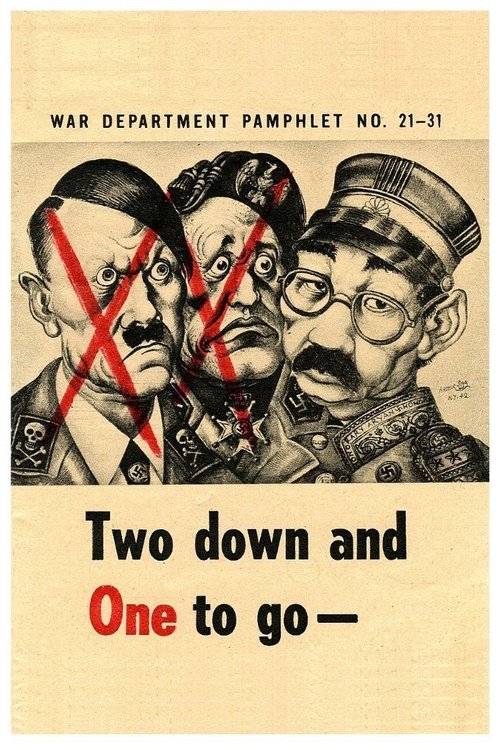
Documentary short film produced by the U.S. Army, intended to enlighten the American public on the final thrust of the Allied war effort in Europe and on the plans for the return home of American forces. Preserved by the Academy Film Archive in 2008.
This film deals with the atrocities of war as portrayed by a film student who spends some time working as a medic. One of the duties he performed was to carry amputated limbs to the cremation furnace. This is a film about the collective madness that engulfed Sarajevo. A one-armed boy is troubled because he can't make big, firm snowballs; a man who lost both legs demonstrates walking on his stumps... The film and the director's story help us understand the commotion and tumult that have occurred in the minds of Sarajevans.
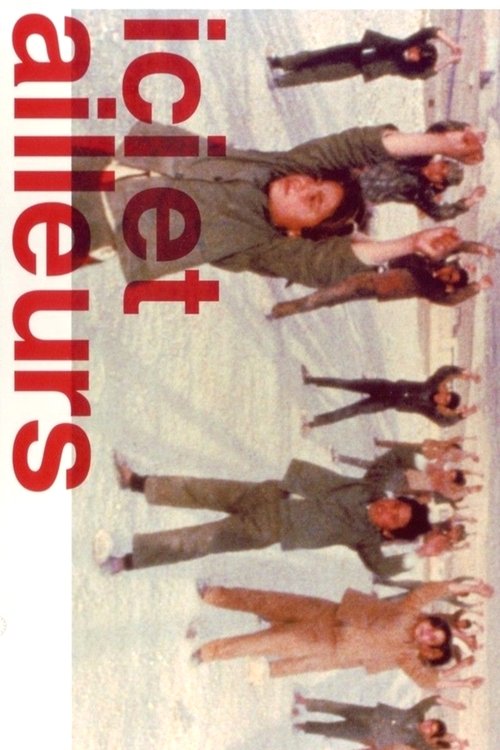
Here and Elsewhere takes its name from the contrasting footage it shows of the fedayeen and of a French family watching television at home. Originally shot by the Dziga Vertov Group as a film on Palestinian freedom fighters, Godard later reworked the material alongside Anne-Marie Miéville.
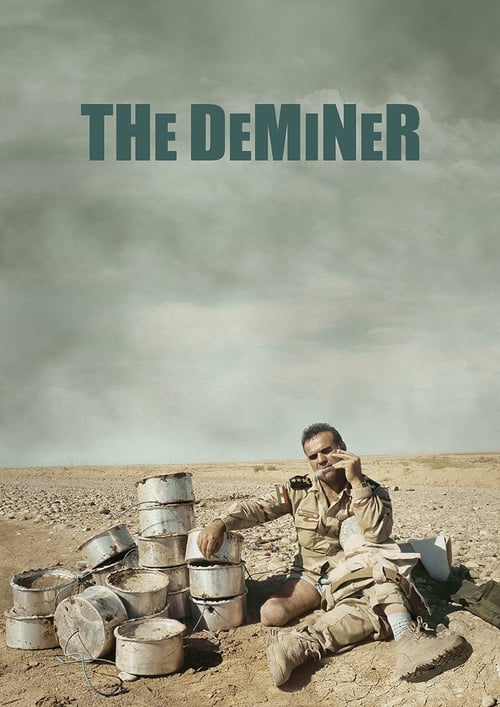
In the chaotic aftermath of the fall of Saddam Hussein, Fakhir, a father of eight, is serving in the Iraqi army. All around him, he sees innocent civilians getting injured by landmines, so he determines to disarm them with his own hands, using just a pocketknife and some wire cutters. He clears thousands of roadside bombs, mines and car bombs, knowing that every time he cuts a wire it could cost him his life—which he seems to find less important than the lives of others. In 2014, by this time having lost a leg, he starts working for the Kurdish Peshmerga, disarming boobytraps left behind by Daesh in and around Mosul. An enthusiastic home video maker, Fakhir collects hundreds of hours of footage of his day-to-day work.
Girl next door, activist, so-called traitor, fitness tycoon, Oscar winner: Jane Fonda has lived a life of controversy, tragedy and transformation – and she’s done it all in the public eye. An intimate look at one woman’s singular journey.
A thought-provoking documentary on the current and historical causes of the Israeli-Palestinian conflict and U.S. political involvement.
Exploring the relationship between woman and dog, CORPSMAN shows the impact a service dog has on one veteran's ability to heal from the physical and moral injuries acquired while serving in the U.S. Military and in war.
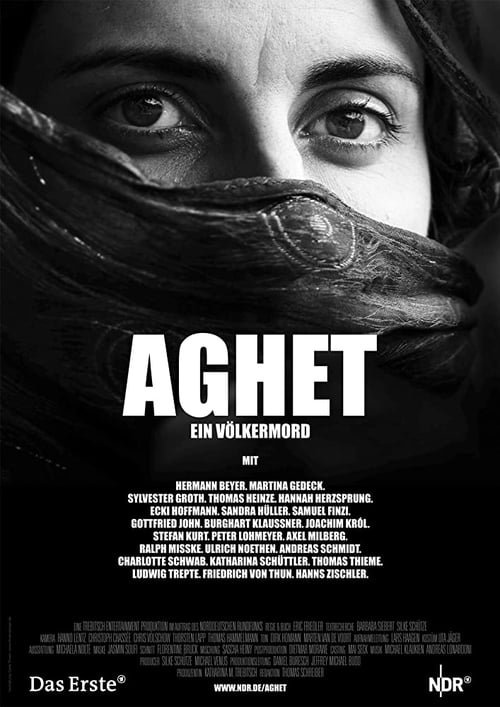
2010 documentary film on the Armenian Genocide by the Young Turk government of the Ottoman Empire during World War I. It is based on eyewitness reports by European and American personnel stationed in the Near East at the time, Armenian survivors and other contemporary witnesses which are recited by modern German actors.
The film Crustaceans treats itself like an impressionist picture or a Japanese Haiku. Crustaceans is a matter of reflection on an instance in life with the social-economical crisis as a landscape. The heartbreak in times of crisis. The film was filmed as demonstrations in the streets against crisis and social welfare cuts took place. For two years, it filmed street demonstrations and incorporated actors in the social landscape. The result, is a film in which the collective and the intimate come together. Both the characters and the people in the street, like identical crustaceans, take to the street to express their shame and rage for what is happening and try to find a solution. A time of anxiety, uncertainty and protest that conforms the landscape in which the characters, such as crustaceans hide their wounds under their hard shell is seen.
A documentary juxtaposing the events of the 20th century with the commentary of stand-up comedians.