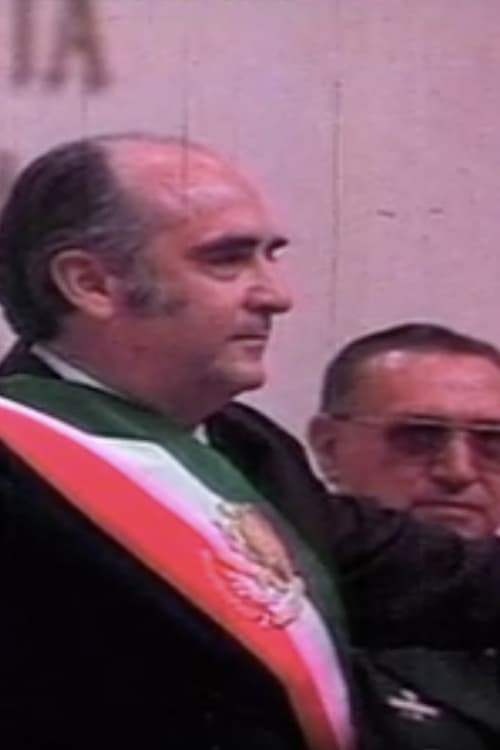
Chapter 17 of the series 18 decades of life in Mexico in the twentieth century. Images of the cultural, social and political life in Mexico between 1980-1984.
No Trailers found.
Narrator
No overview available.
In 1794, French revolutionary Maximilien Robespierre produced the world's first defense of "state terror" - claiming that the road to virtue lay through political violence. This film combines drama, archive and documentary interviews to examine Robespierre's year in charge of the Committee Of Public Safety - the powerful state machine at the heart of Revolutionary France. Contesting Robespierre's legacy is Slavoj Zizek, who argues that terror in the cause of virtue is justifiable, and Simon Schama, who believes the road from Robespierre ran straight to the gulag and the 20th-century concentration camp. The drama, based on original sources, follows the life-and-death politics of the Committee during "Year Two" of the new Republic.
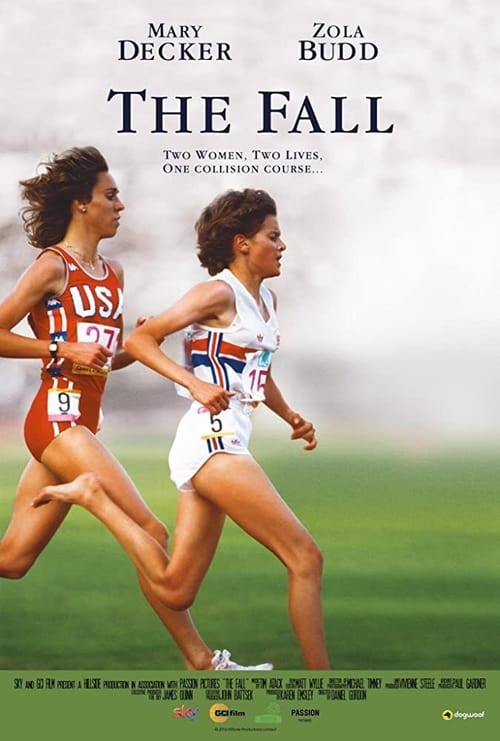
The Fall tells the remarkable story of a South African barefoot runner, an American track-and-field prodigy, and the events behind one of the most memorable moments in sporting history – the 1984 LA Olympics. The film charts two journeys, from rural South Africa under apartheid and the rolling hills of Southern California, to the starting line of the women’s 3,000 metres. It uncovers a tale of betrayal and exploitation, of the blurred lines between politics, media and sport, and of the dedication and sacrifice required to compete at the highest level. It’s a story that split governments and divided nations, but at its heart is a tale of two young women who, despite the turmoil in their lives, just wanted to run.
The Switchback Railway was the forerunner of the roller coaster. Passengers sit in a small car which trundles up a swooping railway track then performs a 180 degree turn at its summit before swooping back down on a parallel track.
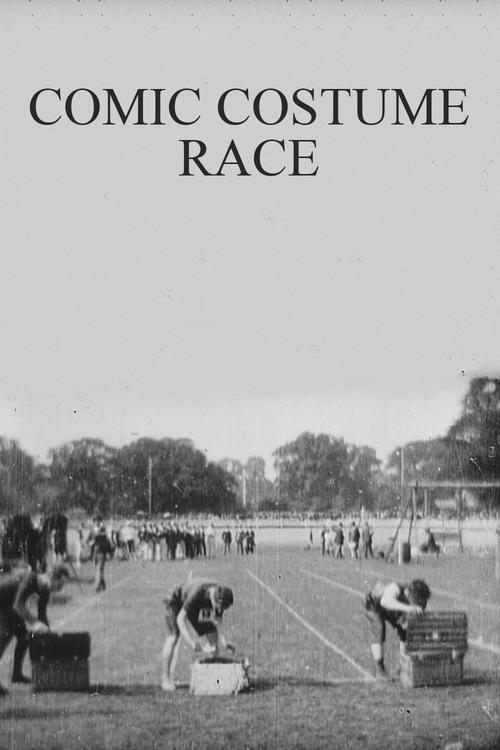
Three athletes make their way to wicker baskets that contain a mishmash of wacky costumes. They need to dress up as quickly as they can, and make their way back on the running track.
The film provides a historical overview of the history of the Palestinians between 1948-1974 and shows the living conditions of Palestinians in territories occupied by Israel since 1967.
Georgetown, 1901. A silver-mining town at 8,500 feet near the crest of the Rockies. Hooked somehow to the rear of a four-car passenger train is a camera that pans the scenery and, when the train goes around curves, looks ahead to see the engine and passenger cars: the passengers wave hundreds of white handkerchiefs out of the train's left-side windows for the benefit of the camera. The town comes into view; the tracks are above the town, so the camera looks down on dozens of modest rooftops as it pans the area. (AMB 1901, copyrighted 1903.)
Two girls do one of their chores. Standing alongside a tree-lined farmhouse, two children who are about ten and four years old toss grain to a flock of about 50 domesticated ducks. A woman watches them briefly and then moves on. The older girl has her grain in a bucket, the younger one's grain is in her apron. The children stay in one spot, as does the camera; it's the ducks that move around. Chickens are in the background; only one braves the ducks' territory.
A stationary camera looks across a busy corner toward a store front marked "The Divan." The words "des fees" are beneath. A cortege of Arabs, about 20 persons in the party, walk past; the dignitaries are in front, attended by men with horns and drums. Coming in the other direction are local Swiss, who pay little attention, and a group of native-garbed Africans. The dozen or so well-dressed denizens of Geneva who are sitting on the steps of the Divan take it all in.
Walking four abreast, in groups of six rows, 144 of Chicago's finest parade past a stationary camera. Each of the six groups that pass is escorted by an officer. All are men, all are white, all look tall, all wear identical high-buttoned uniforms and badges and carry a nightstick. Almost all sport mustaches. Behind the police comes a horse-drawn carriage.
First responders, journalists, shop owners, those inside the pressure-packed control center of Con Edison on West End Avenue, and other New Yorkers tell about what happened when the lights went out on July 13, 1977.
„The Frontier“ or „La Frontera“ is the undulating landscape of the Sonora Desert in Arizona, which once was a symbol of freedom on the horizon of the American West – and also a region plagued by recurrent territorial struggles. Currently, a high steel fence stretches over several miles strictly separating the USA and Mexico into two territories. Every year, the remains of hundreds of migrants are retrieved from the area. The tense situation in Arizona’s borderland has split the locals into two groups: one demanding a more technically advanced border control system, the other requesting more humanitarian help. Accompanying various locals, NGO workers and self-proclaimed border guards from the region, filmmaker Gudrun Gruber raises the question of whether the latest border control technology will finally bring peace to the area, or rather merely increase the number of deaths.
A celebration of the universe, displaying the whole of time, from its start to its final collapse. This film examines all that occurred to prepare the world that stands before us now: science and spirit, birth and death, the grand cosmos and the minute life systems of our planet.
King of disco in the 70s with the band Chic, producer of Bowie, Mick Jagger, Madonna, Daft Punk, Pharrell Williams and many others... Nile Rodgers is today pursuing his fascinating career. We take a behind-the-scenes look at the genesis of some of the greatest hits, and at the complex alchemy between Nile Rodgers and the biggest stars of the last 35 years: Madonna, David Bowie, Diana Ross, Duran Duran, Bryan Ferry, Grace Jones, Michael Jackson, INXS, Mick Jagger, Rod Stewart and David Guetta. What are the secrets of this genius of the music world, who has succeeded in transcending successive eras, reinventing himself every time?
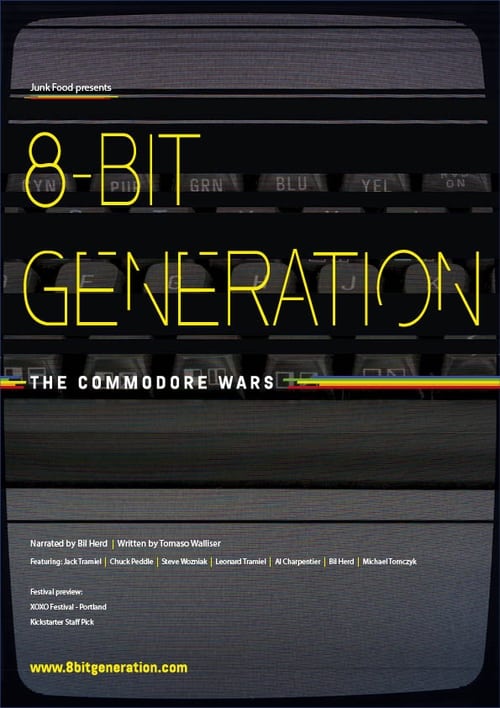
The rise and fall of Commodore computers in the 70s and 80s as described by the people who created the companies and technologies.
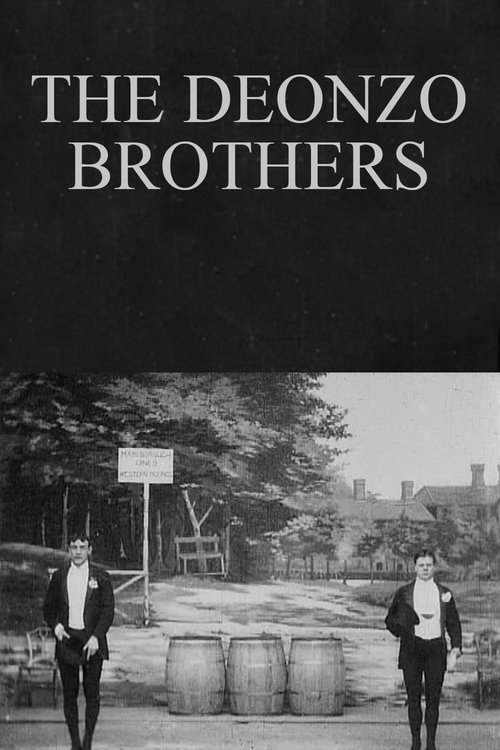
The famous acrobats in the above title appear in a marvellous acrobatic act. There are three barrels arranged on the stage. The boys, blindfolded, stand on opposite sides of the stage, and jump from one barrel into the other until they both land in the same barrel at the same time. They then jump backwards onto the stage over the two barrels. One table is then mounted upon another and the center barrel is placed on top. The brothers still blindfolded jump one each into a barrel and from them to the first to the second table and from the second table into the barrel on top of the second table. They then jump backwards onto the stage. This is pronounced by show people to be the most marvellous acrobatic feat that has ever been introduced. (Edison Catalog)
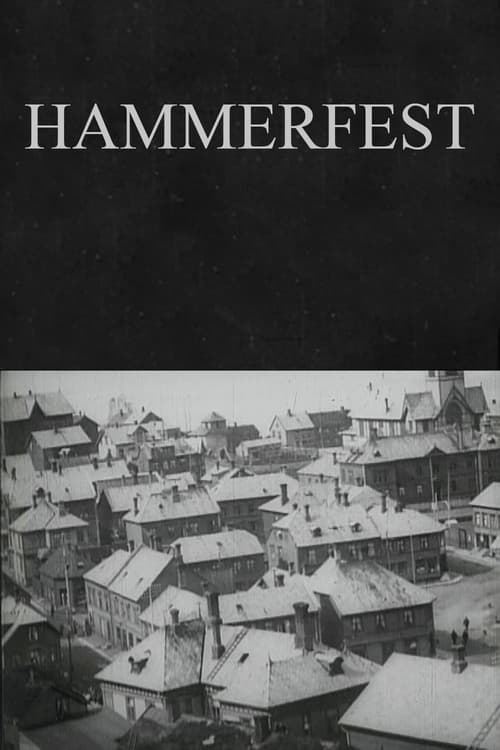
A panorama shot of the Norwegian town and harbour of Hammerfest. Believed to be the earliest surviving film of Norway.