Ruth Etting sings "Ay, Ay, Ay" in this 1935 film with Mario Álvarez, along with other songs.
No Trailers found.
Set to a classic Duke Ellington recording "Daybreak Express", this is a five-minute short of the soon-to-be-demolished Third Avenue elevated subway station in New York City.
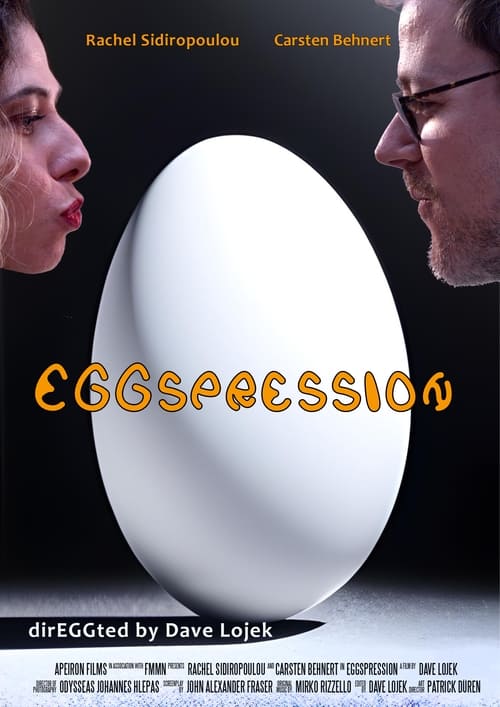
Egglantine loves salt on her eggs. Eggbert prefers pepper. Who blinks first in this playful Easter ritual?
In the darkness of a cave, one man who had never seen even his own figure found a hollow flooded with light. An expression of a chaotic world. This experimental graduation film is a mixture of different animation techniques
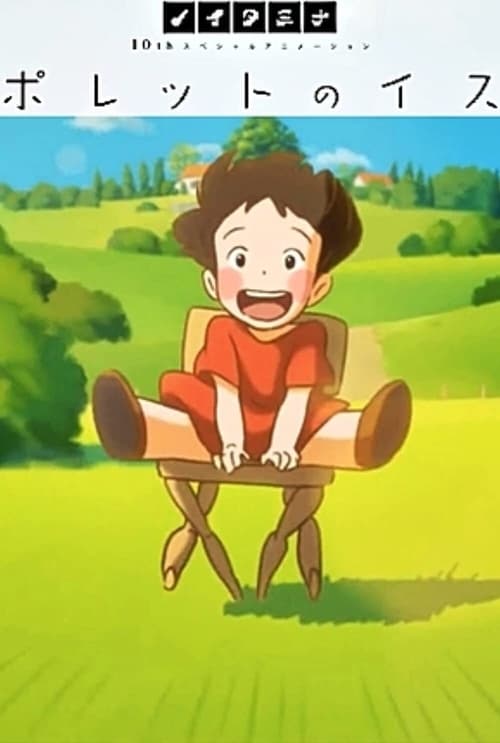
Paulette plays in the back yard, in the shade of a tall tree, with her doll, somewhere out in the countryside. Secretly watching other children have fun without her makes her sad. Then suddenly the wooden chair she is sitting on begins to move, and throws her off. She bravely gets on the chair again, which starts to buck like a wild horse, making her very happy. Racing through the countryside, the chair then throws her off, right into the middle of the group of playing children, helping her overcome her shyness.
Night vs. light, music vs. motion, figuration vs. abstraction. Experimental video artist Max Hattler utilises distorted urban imagery and neon glare to create this entrancing short
A short musical film
No overview available.
A lonely priest's housekeeper discovers a young Irish girl of exceptional promise.
Screen song from Fleischer Studios
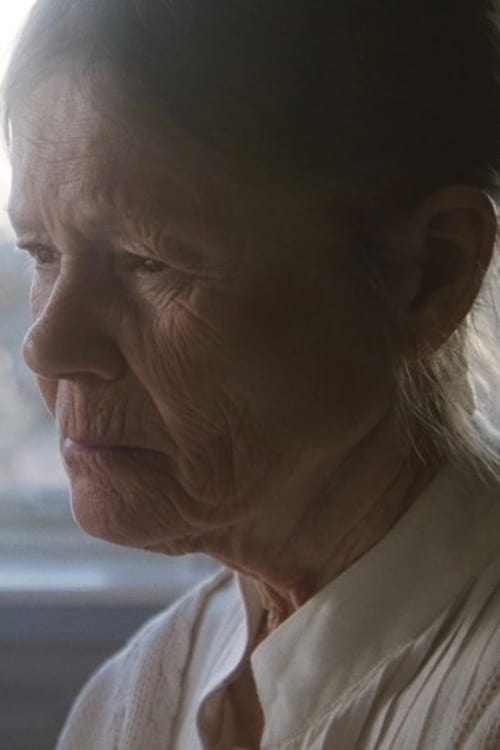
An 85-year old woman suffers from dementia. She dreams.
Little Taiko Boy's soundtrack is a safer-sex parody of the American Christmas carol "The Little Drummer Boy" interspersed with the slow rumble of a traditional Japanese taiko drum that sounds like a massive throbbing heart beat. Against this backdrop, several men meet in Tokyo's bathhouses, love hotels and cruising spots for intimate encounters, watched over by a glamorous drag version of Amaterasu Omikami, the Shinto goddess of the Sun played by Japanese activist and artist MADAME BONJOUR JOHNJ.
Two lifelong friends and aspiring musicians begin to spiral downwards as one of them decides to move away to pursue a new career.
A true look into Kosine’s coming of age story featuring all-new music from his highly anticipated debut album Truth Serum. On his journey to 9 Grammy nominations, millions of records sold, and a host of other accolades, Kosine still found himself unfulfilled and seeking purpose. Truth Serum is a story of self-discovery while tackling everything they never told you about Hollywood.
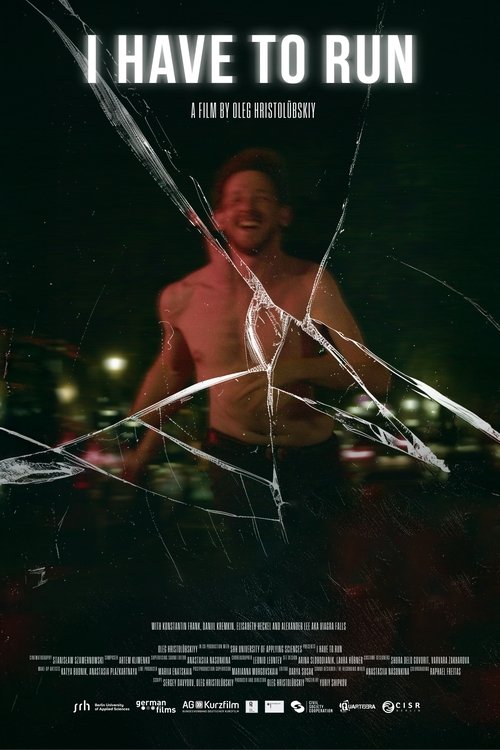
A gay artist flees the repressive laws and war in Russia to go to Berlin, leaving his boyfriend behind. Meanwhile, life in Berlin turns out to be less inclusive he had expected.
A woman living in Paris feels neglected by her husband, so she decides to go to New York City and enjoy herself.
Garfield, Jon and Odie go to Jon's family farm for Christmas, where Garfield finds a present for Grandma.
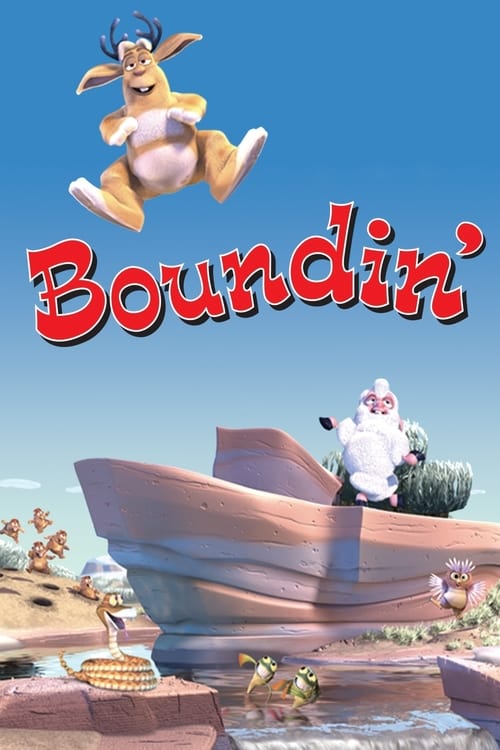
On a high mountain plain lives a lamb with wool of such remarkable sheen that he breaks into high-steppin' dance. But there comes a day when he loses his lustrous coat and, along with it, his pride. It takes a wise jackalope - a horn-adorned rabbit - to teach the moping lamb that wooly or not, it's what's inside that'll help him rebound from life's troubles.
Stop for Bud is Jørgen Leth's first film and the first in his long collaboration with Ole John. […] they wanted to "blow up cinematic conventions and invent cinematic language from scratch". The jazz pianist Bud Powell moves around Copenhagen -- through King's Garden, along the quay at Kalkbrænderihavnen, across a waste dump. […] Bud is alone, accompanied only by his music. […] Image and sound are two different things -- that's Leth's and John's principle. Dexter Gordon, the narrator, tells stories about Powell's famous left hand. In an obituary for Powell, dated 3 August 1966, Leth wrote: "He quite willingly, or better still, unresistingly, mechanically, let himself be directed. The film attempts to depict his strange duality about his surroundings. His touch on the keys was like he was burning his fingers -- that's what it looked like, and that's how it sounded. But outside his playing, and often right in the middle of it, too, he was simply gone, not there."