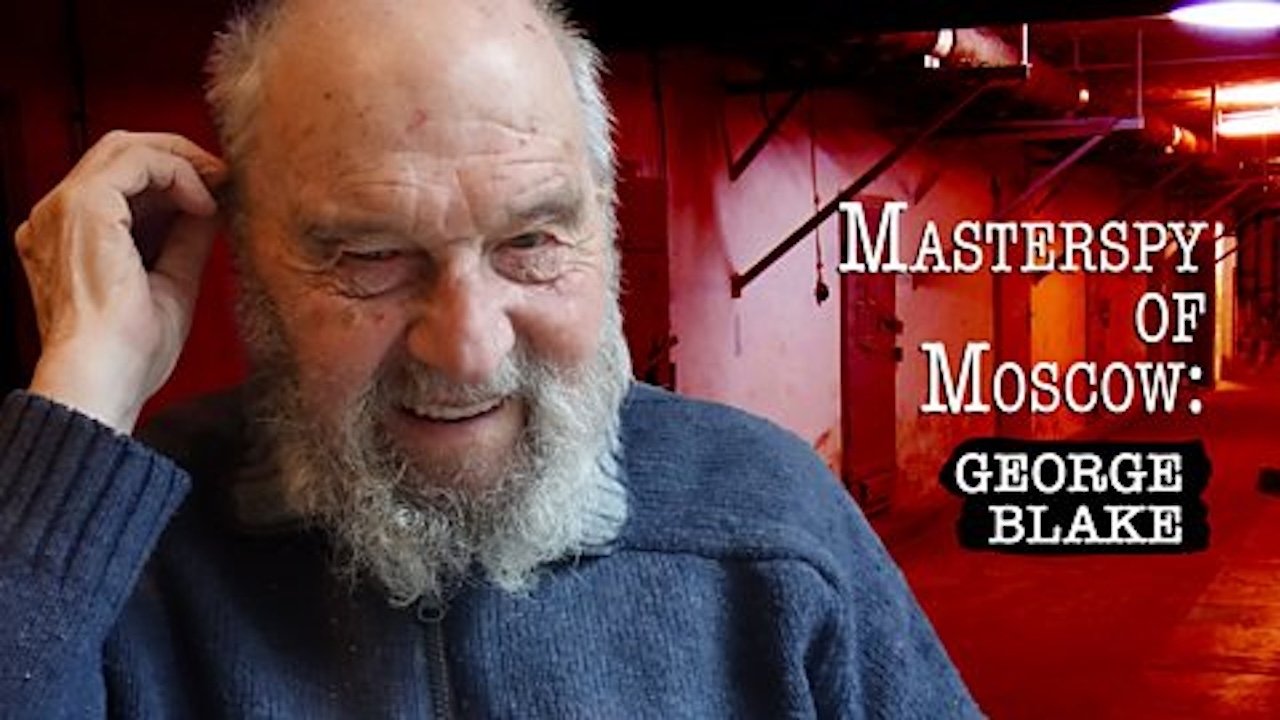
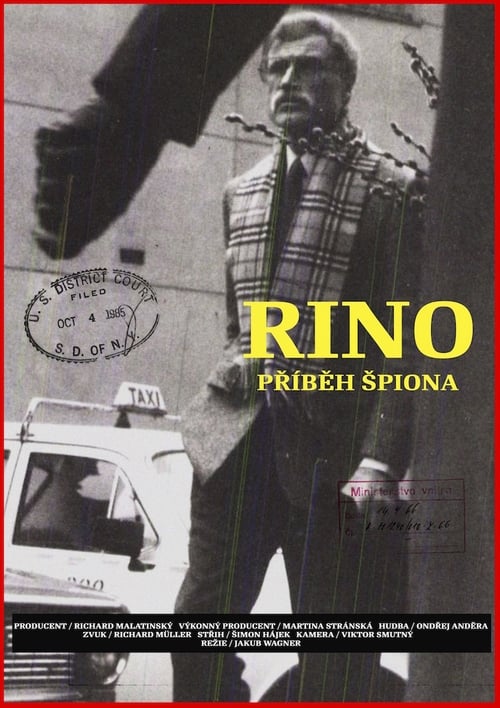
Documentary about the Cold War spy George Blake, who betrayed his colleagues to the KGB, then escaped from Wormwood Scrubs five years later and fled to the Soviet Union.
No Trailers found.
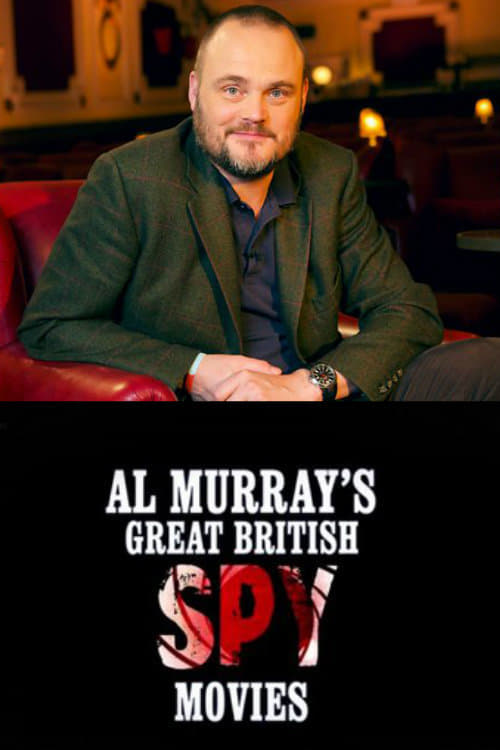
Comedian and history buff Al Murray is joined by former director of MI5 Dame Stella Rimington, political comedian Matt Forde and film expert Matthew Sweet for a fresh look at the great British spy movie. This round-table discussion looks at the films themselves - not to mention the spies that star in them - and uses them as a lens on the British people, our fear of the world and our changing views of espionage over the decades.
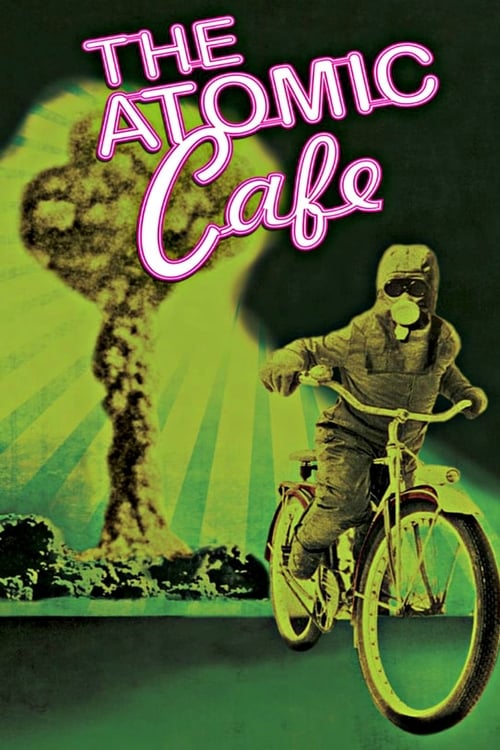
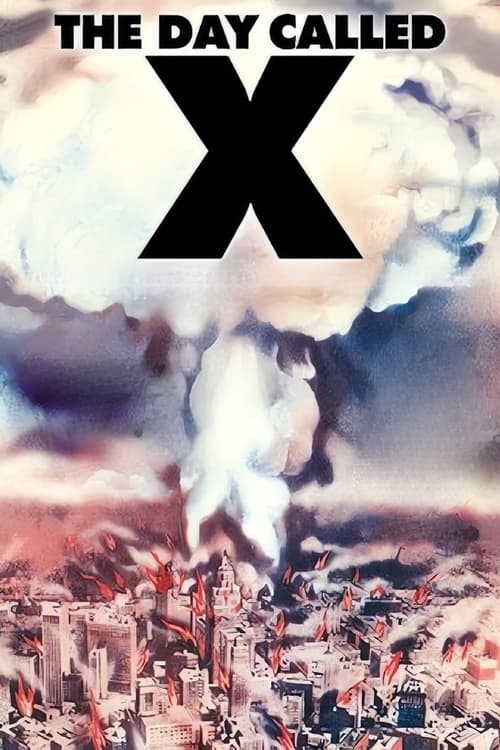
A disturbing collection of 1940s and 1950s United States government-issued propaganda films designed to reassure Americans that the atomic bomb was not a threat to their safety.
National Geographic 2011 Documentary on the World's Biggest Bomb (UK).
Portentously portrays the evacuation of Portland, Oregon, when threatened by a nuclear attack on its state-of-the-art civil defense system.
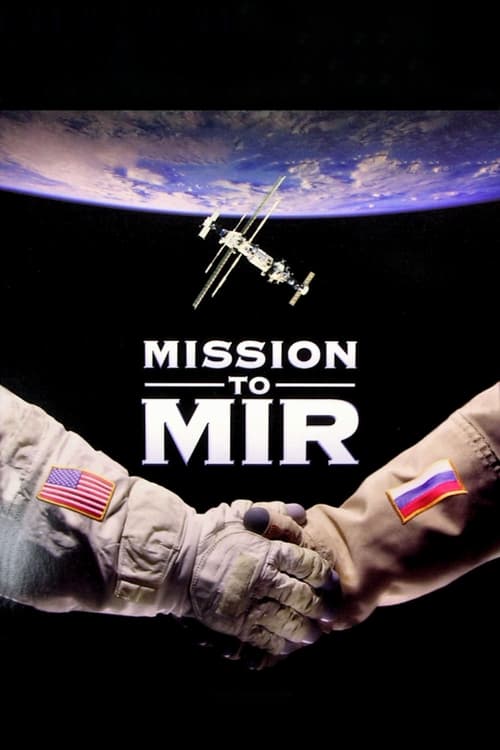
This film shows how far we have come since the cold-war days of the 50s and 60s. Back then the Russians were our "enemies". And to them the Americans were their "enemies" who couldn't be trusted. Somewhere in all this a young girl in Oklahoma named Shannon set her sights on becoming one of those space explorers, even though she was told "girls can't do that." But she did.
Documentary portrait of Karel Köcher, supposedly the most important communist agent to infiltrate the CIA.
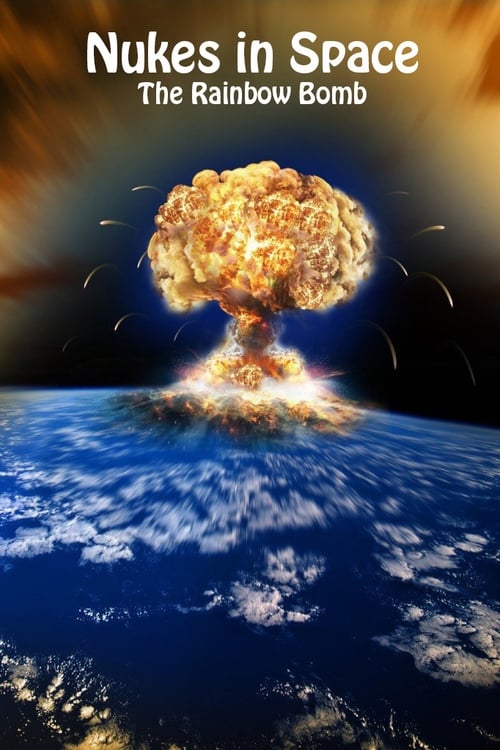
U.S. nuclear tests in space, and the development of the military intercontinental ballistic missile (ICBM).
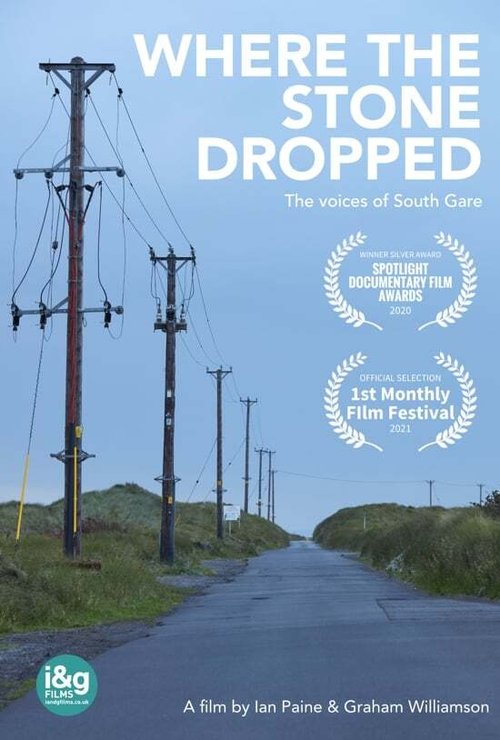
Created in the Victorian era to widen the mouth of the River Tees for shipping, South Gare is a man-made peninsula extending four kilometres into the cold North Sea. Today, the industry it was built for has gone, but the Gare remains as a haven for all sorts of unexpected communities - kite-surfers, photographers, bird-watchers, scuba-divers and the people who simply appreciate its strange, lonely beauty.
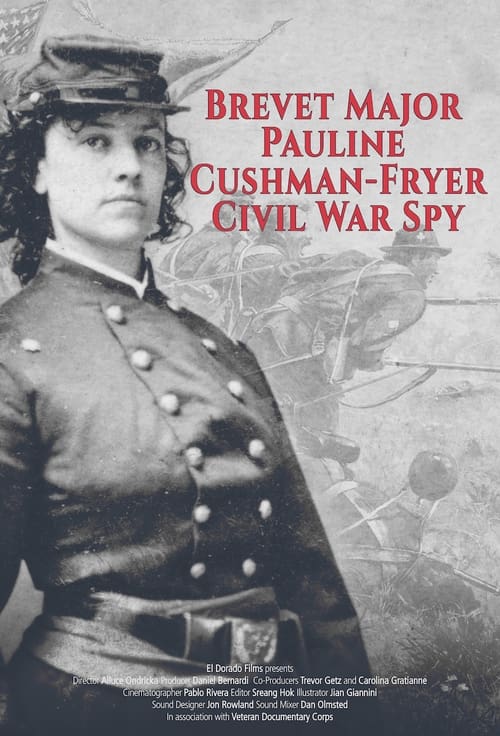
Performed by Constance Smith, Pauline Cushman-Fryer tells us how she became a Union Spy, was almost hanged, was granted the rank of Major by Abraham Lincoln, and died lonely in San Francisco from an overdose of opium.
The documentary relates how in the second half of the 20th century the agent Berthold Barluschke was first a henchman of the State Security Service of the GDR and then of the West German Federal Intelligence Service.
YU Wooseong who had been working as a civil servant is on trial for espionage following his sibling’s confession. A reporter who has been laid off begins following the traces of a spy story manipulated by a government agency. The clues lead to a confession and false evidence that society and the press have turned their back on.
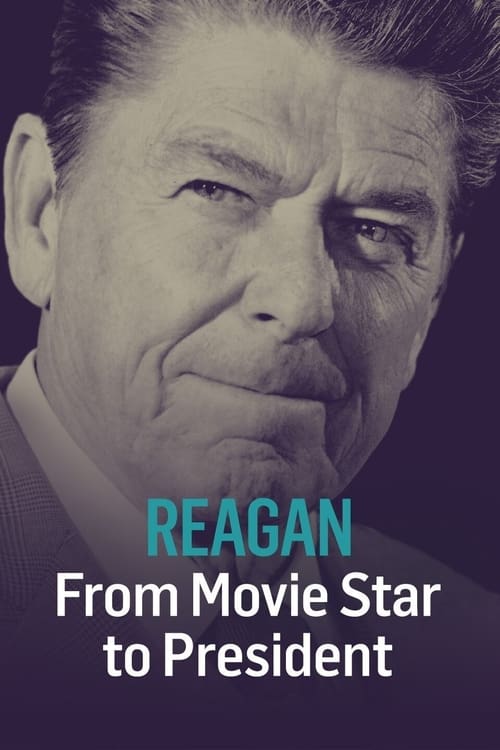
Drawing from the recent book, Reagan: The Life by best-selling biographer H.W. Brands, this Ronald Reagan biography dives deep into the pivotal events that shaped his life. Dramatic recreations reveal the untold, behind-the-scenes moments that shaped the trajectory of his career. Interviews and rare archival material illustrate his life through the Great Depression, WWII, Hollywood’s Golden Age, The Cold War, an assassination attempt (not unlike Bill O’Reilly’s book and recent Nat Geo movie, Killing Reagan), and public and personal heartache.
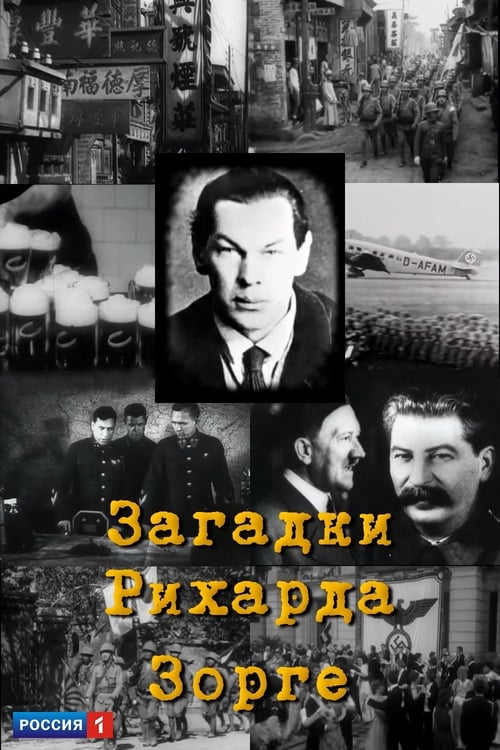
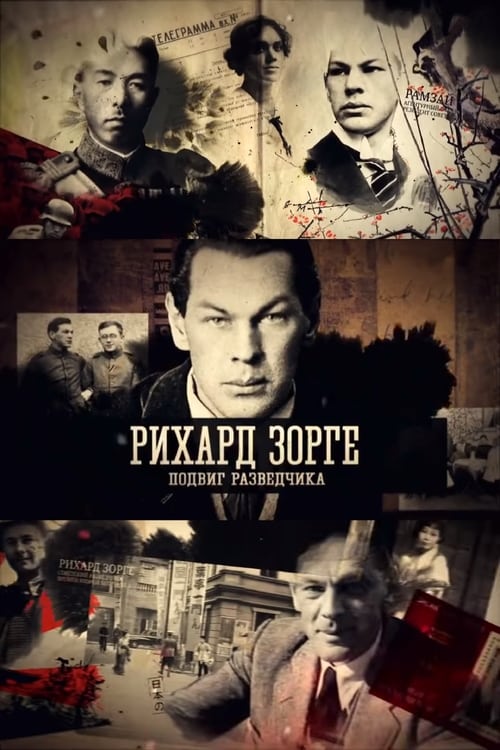
The legendary spy obtained as much secret information as no one else could. For this, he paid with his own life.
No overview available.
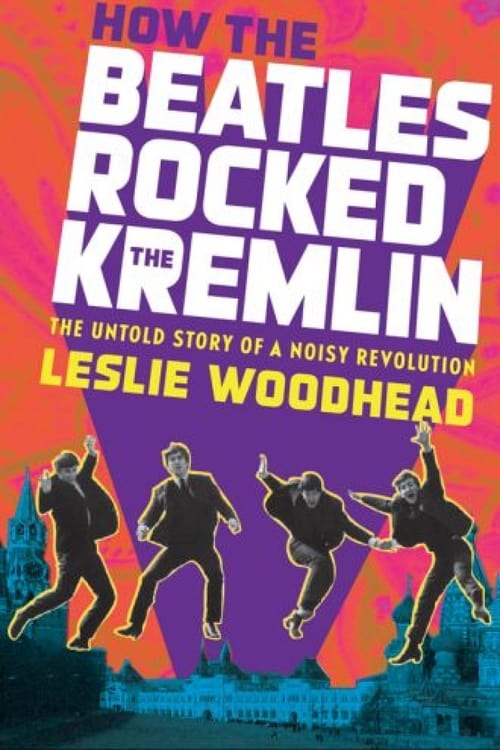
In August 1962, director Leslie Woodhead made a two-minute film in Liverpool's Cavern Club with a raw and unrecorded group of rockers called the Beatles. He arranged their first live TV appearances on a local show in Manchester and watched as the Fab Four phenomenon swept the world. Twenty-five years later while making films in Russia, Woodhead became aware of how, even though they were never able to play in the Soviet Union, the Beatles' legend had soaked into the lives of a generation of kids. This film meets the Soviet Beatles generation and hears their stories about how the Fab Four changed their lives, including Putin's deputy premier Sergei Ivanov, who explains how the Beatles helped him learn English and showed him another life. (Storyville)
An account of the last two centuries of the Anthropocene, the Age of Man. How human beings have progressed so much in such a short time through war and the selfish interests of a few, belligerent politicians and captains of industry, damaging the welfare of the majority of mankind, impoverishing the weakest, greedily devouring the limited resources of the Earth.
Documentary about the Intervision Song Contest in general and the 1980 edition in particular. Focuses on Finland's participation and the shipyard strikes in Gdansk at the time.
The author reports on the secret submarine operations of the USA and the Soviet Union, including "risky espionage missions by US combat swimmers in Soviet waters", which resulted in numerous fatal accidents. Both "superpowers" are also said to have lost submarines in various missions due to accidents or collisions. In the film, Pohlmann gives a voice to Ola Tunander, a professor at the Institute for Peace Research in Oslo at the time, who is "certain" that "the alleged Soviet submarines that were unsuccessfully hunted by the Scandinavians in the early 1980s were actually part of the Americans' psychological warfare". The "common goal of some very senior Swedish officers, the British Thatcher administration and Ronald Reagan's policy" was "to discredit the Olof Palme government and its initiative for a nuclear weapons-free Northern Europe".
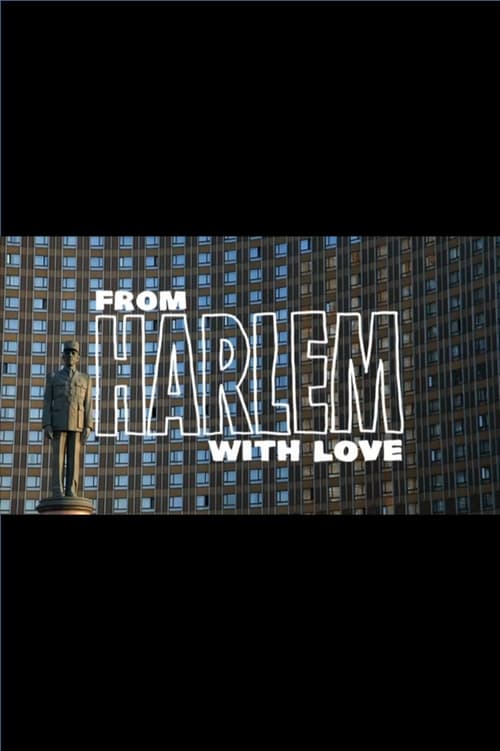
Tensions between the USSR and the United States were high in 1959, with the seemingly constant threat of nuclear war. Then some unlikely ambassadors stepped forward to clear all that away: the Harlem Globetrotters. From Harlem With Love is the story of how a group of barnstorming basketball players traveled to the heart of the Soviet Union at the height of the Cold War and bridged a cultural gap many thought would stand forever.
The Tet Offensive during the Vietnam War, the Civil Rights Movement, the May events in France, the assassinations of Martin Luther King and Robert F. Kennedy, the Prague Spring, the Chicago riots, the Mexico Summer Olympics, the presidential election of Richard Nixon, the Apollo 8 space mission, the hippies and the Yippies, Bullitt and the living dead. Once upon a time the year 1968.