Documentary about a Finnish mining company struggling with production and environmental management problems.
No Trailers found.
Self
In an era of throw-away ease, convenience has cost us our well-being. Plastics have been found inside our bodies— in our colons, our brains, and even in mothers’ developing wombs. Scientists around the country are sounding the alarm, but without public buy-in, there is little that can be done. How much evidence do we need before we decide to take action?
Shawn Huff and Ervin Latimer Jr. are the children of African-American basketball players Leon Huff and Ervin Latimer Sr. who arrived in Finland in the 1970s. They have grown up to become Finnish social and political influencers through their fathers' perseverance, ambition and the societal racism that has been passed down through the generations to their sons. The sons channel the experiences of their silent fathers into action and both generations fight for a more equal world.
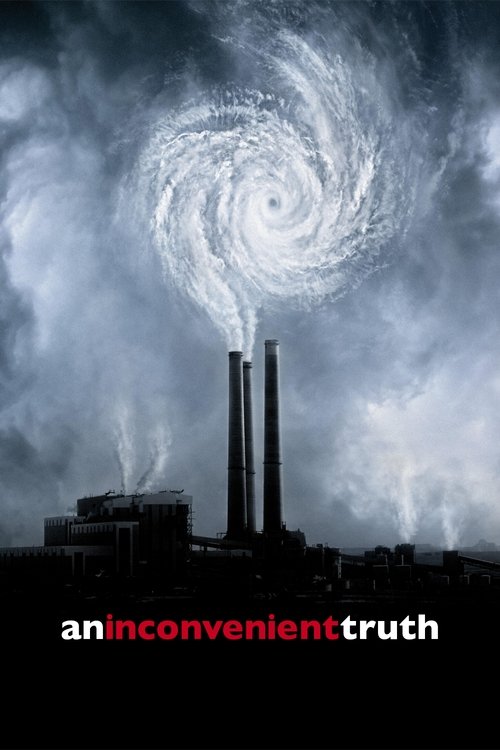
A decade after An Inconvenient Truth brought climate change into the heart of popular culture comes the riveting and rousing follow-up that shows just how close we are to a real energy revolution. Vice President Al Gore continues his tireless fight, traveling around the world training an army of climate champions and influencing international climate policy. Cameras follow him behind the scenes—in moments private and public, funny and poignant—as he pursues the empowering notion that while the stakes have never been higher, the perils of climate change can be overcome with human ingenuity and passion.
No overview available.
Sámi artefacts from the Finnish National Museum are returning home to Sápmi, while the holy drums of the Sámi people are still imprisoned in the basements of museums across Europe. The returning objects symbolise the dignity, identity, history, connection to ancestors and a whole world view that was taken from the Sámi people. Director Suvi West takes the viewer behind the scenes of the museum world to reflect on the spirit of the objects, the inequality of cultures and the colonialist burden of museums.
A documentary from Erkki Karu, one of the earliest pioneers of Finnish cinema: This government-produced propaganda film introduces the nature, sports, military, agriculture and capital of Finland.
For 18-year-old Finnish–Kosovan Fatu, a simple visit to the grocery store feels as nerve-racking as a lunar expedition: for the first time in his life, he’s wearing makeup in public. Luckily his best friend Rai, a young woman on the spectrum of autism, is there to ferociously support him through the voyage.
Brazil is one of the most dangerous countries for environmentalists. The rural community of Belisário holds the country's second largest bauxite reserve, right below one of the most bio-diverse areas in the world: the Atlantic Forest. The small community was shaken when the beloved Gilberto, a Franciscan Friar, received a death threat followed by the lines: "you've been talking against mining way too much". PT: O Brasil é um dos países mais perigosos do mundo para defensores do meio ambiente. Em Minas Gerais, a comunidade rural de Belisário abriga a segunda maior reserva de bauxita do país, em uma das áreas de maior biodiversidade do mundo: a Mata Atlântica. A tranquilidade do pequeno vilarejo foi abalada quando Frei Gilberto, um franciscano que dedica sua vida à preservação da natureza, recebeu uma ameaça de morte com o seguinte aviso: "você tem falado demais contra a mineração".
A documentary on Al Gore's campaign to make the issue of global warming a recognized problem worldwide.
The concept of machine-made knit was known as early as the 1850s, but it was only during the 1920s that the quality of the material had improved. When the plant known as "Atlas" was introduced in 1931, the shop windows drew a lot of attention, and Aho & Soldan was ordered to make a promotional film. In this well-paced film, we see the jersey production step by step.
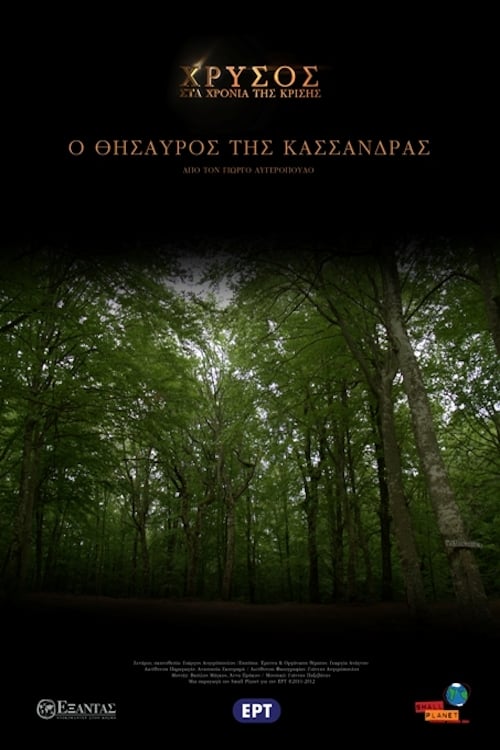
The exploitation of the country’s mineral wealth is projected as the most reasonable solution to deal with the economic crisis that plagues Greece. The Greek state has ceded its mining rights over 31.700 ha of land in northern Halkidiki, a region rich in gold, copper and other metals, to the Canadian multinational company Eldorado Gold. However, many of the region’s inhabitants, who have been resisting the construction of a goldmine for years, claim that this investment will cause irreparable damage to the environment and the benefits will be fewer than the losses. “Cassandra’s Treasure” presents a detailed picture of the modern Greek state before and during the crisis period.
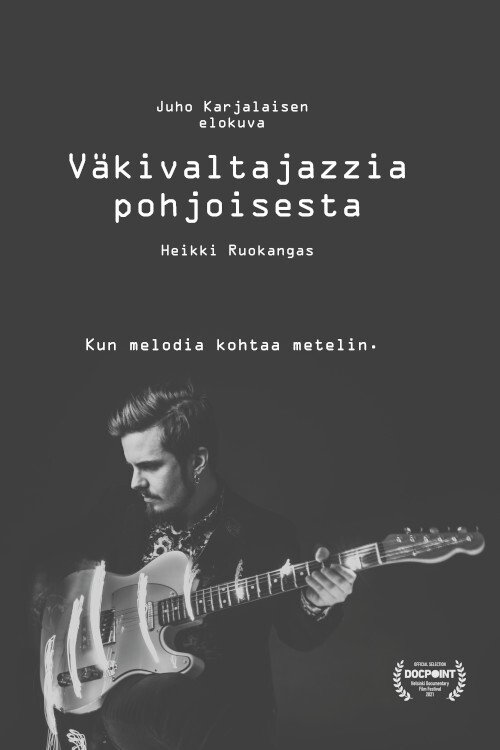
Finland has long been the promised land for long hair and heavy rock music, however jazz has it’s own place here too! Then again maybe jazz is just the general name we give to music we can’t quite classify. And the original soundscapes brought forth by guitarist Heikki Ruokangas are just that; hard to classify. In Ruokangas’ creations, elements of jazz meld together with the strums and tweaks of modern classic guitars to create an aggressive medley of sound. The end result is a skillful and intense break from traditional guitar song.
TV document about the Finnish music producer Atte Blom.
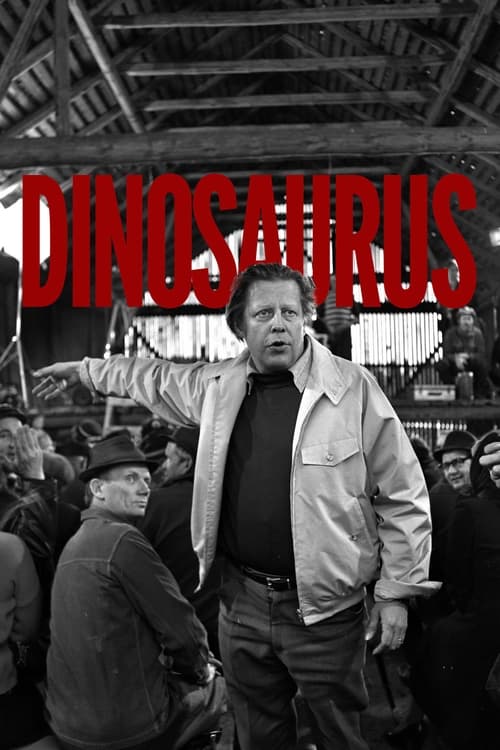
Acclaimed Finnish director Rauni Mollberg made several scandalous yet widely appreciated films. Former co-worker Veikko Aaltonen’s eye-opening documentary The Dinosaur looks at the relentless, often disturbing directing techniques behind Mollberg’s art and success.
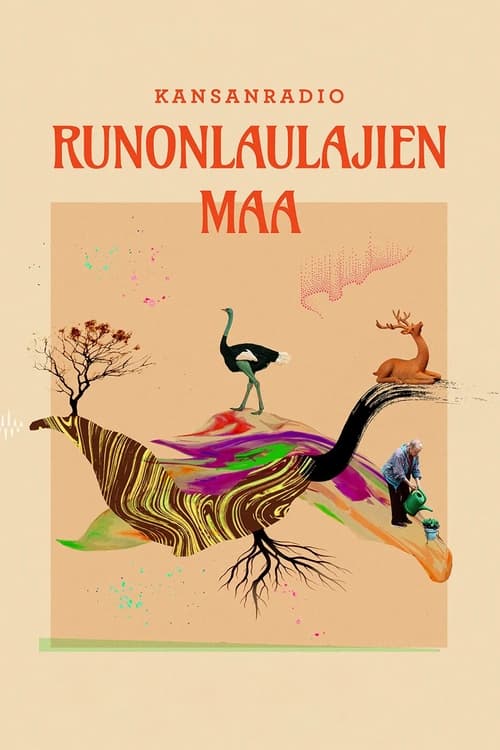
A People’s Radio – Ballads from a Wooded Country is a carnivalesque portrayal of the Finnish landscape of the soul and abode. The short film is based on the iconic YLE programme “People’s Radio”, and its visual material has been created by the road movie method of driving across summery Finland. The film paints a panorama of what Finland looks like today. Its narration progresses through humour into civic anarchy, ultimately also towards the longing for human connection.
Harald Reichenbach sets off around the globe in a sailing boat collecting garbage from the sea with local people. Using a press, he compresses what they find and pours it into resin to form ‚G-Cubes’. He then takes the garbage back as art to the people who created it – consumers in industrialized countries. Nothing on the journey goes exactly as planned, however, and Reichenbach finds himself teetering between art and activism.
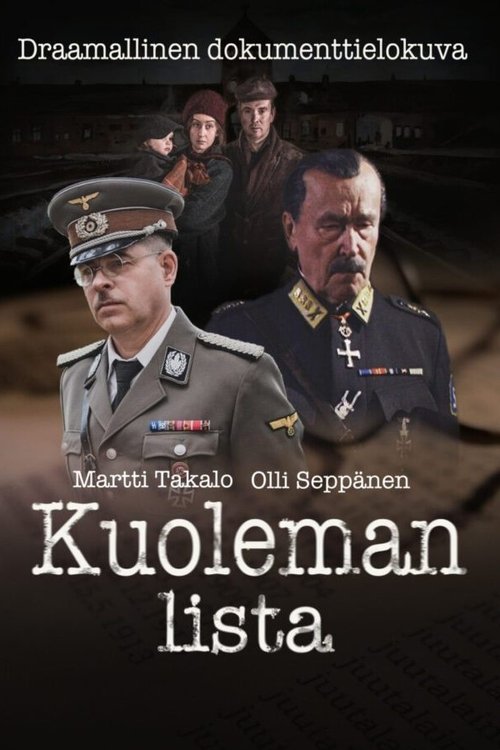
A dramatic documentary film that deals with the Nazi rise to power in Germany in the 1930s and the development of the persecution of Jews up to the Holocaust. The film tells about the attitude of the Finnish government to the request for the handover of the Finnish Jews presented by Heinrich Himmler in the summer of 1942. The main focus of the film is the life of Jewish refugees in Finland in the years 1938-1942 and the attitude of the Finnish government to their handover in the fall of 1942.
From a historic genocide trial to the overthrow of a president, the sweeping story of mounting resistance played out in Guatemala’s recent history is told through the actions and perspectives of the majority indigenous Mayan population, who now stand poised to reimagine their society.
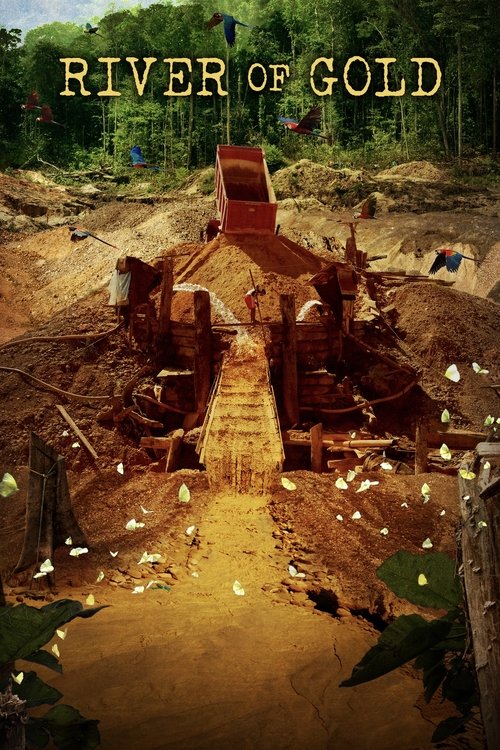
Narrated by Academy Award winners Sissy Spacek and Herbie Hancock, River of Gold is the disturbing account of a clandestine journey into Peru's Amazon rainforest to uncover the savage unraveling of pristine jungle. What will be the fate of this critical region of priceless biodiversity as these extraordinarily beautiful forests are turned into a hellish wasteland?