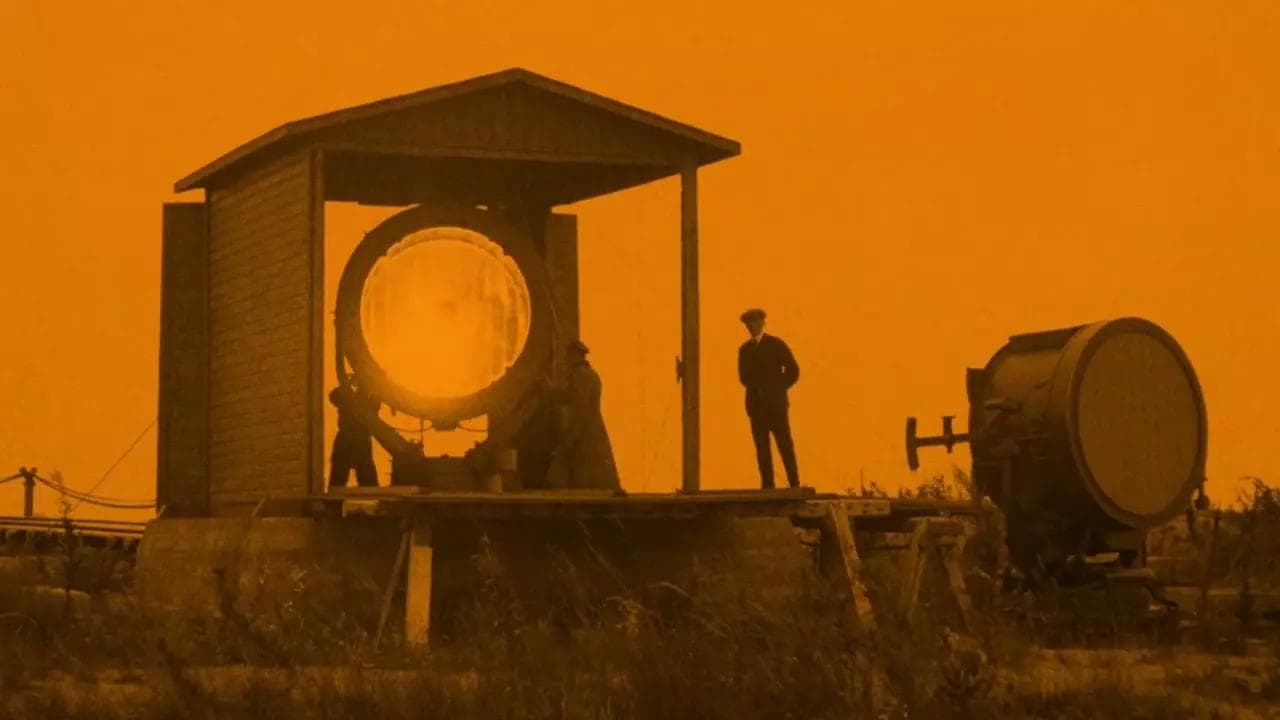
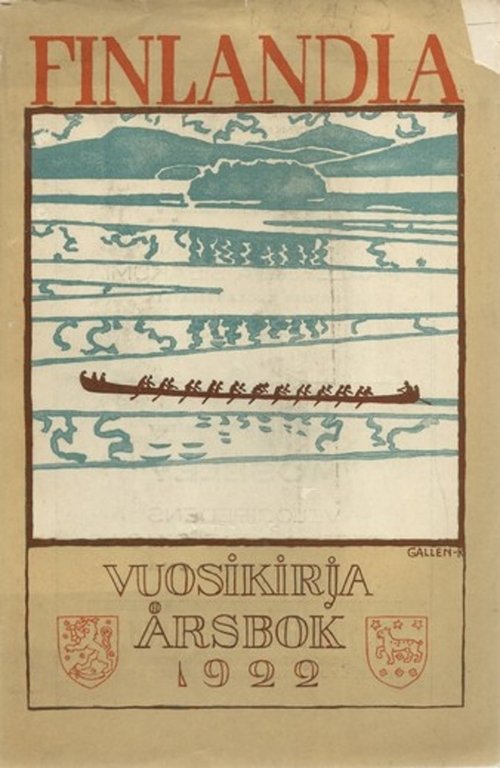
A documentary from Erkki Karu, one of the earliest pioneers of Finnish cinema: This government-produced propaganda film introduces the nature, sports, military, agriculture and capital of Finland.
Narrator
No Trailers found.
Charles Dekeukeleire, then a questioning Catholic, was spurred into making this documentary on a pilgrimage with the Catholic Young Workers’ Movement. The director’s approach is one of critical reflection; A film emotional and fervent, even acerbic.
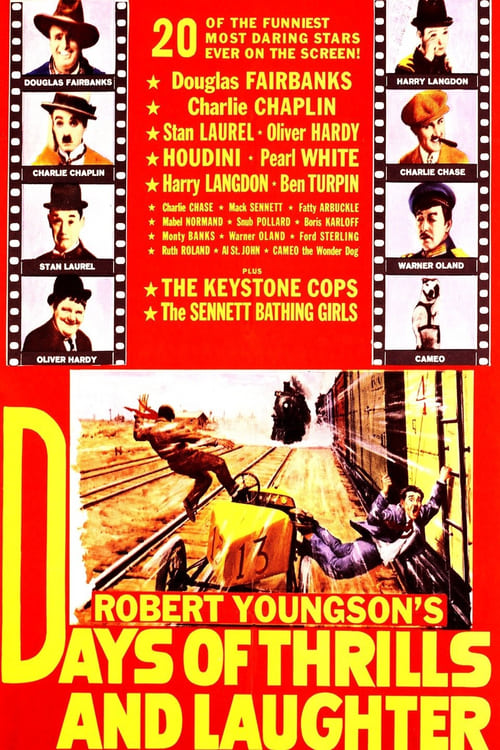
An appreciative, uncritical look at silent film comedies and thrillers from early in the century through the 1920s.
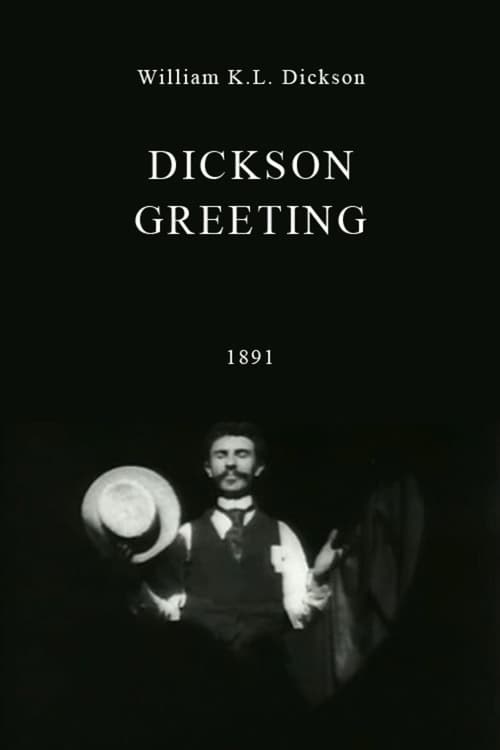
William K.L. Dickson brings his hat from his one hand to the other and moves his head slightly, as a small nod toward the audience. This was the first film produced by the Edison Manufacturing Company to be shown to public audiences and the press.
Experimental film fragment made with the Edison-Dickson-Heise experimental horizontal-feed kinetograph camera and viewer, using 3/4-inch wide film.
Tells the life story of a grain of wheat In Casselton, North Dakota.
An interview documentary about Finnish military court sentencing procedures after the Continuation War.
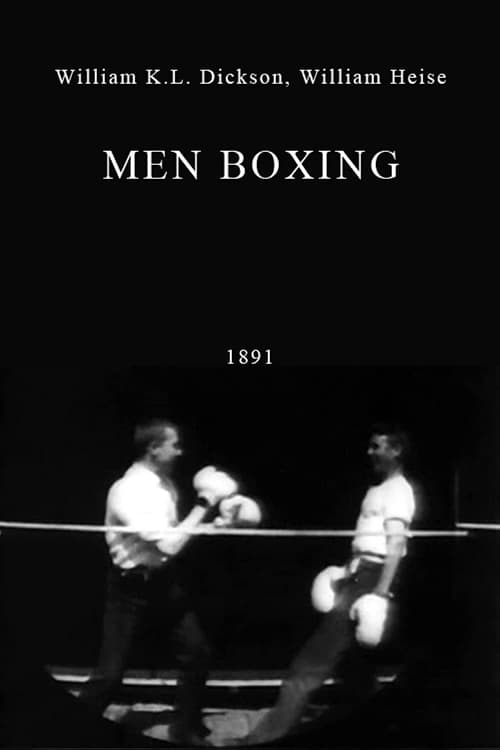
Staged boxing match between Sergeant-Instructor Barrett and Sergeant Pope, with a round, interval, and knockout.
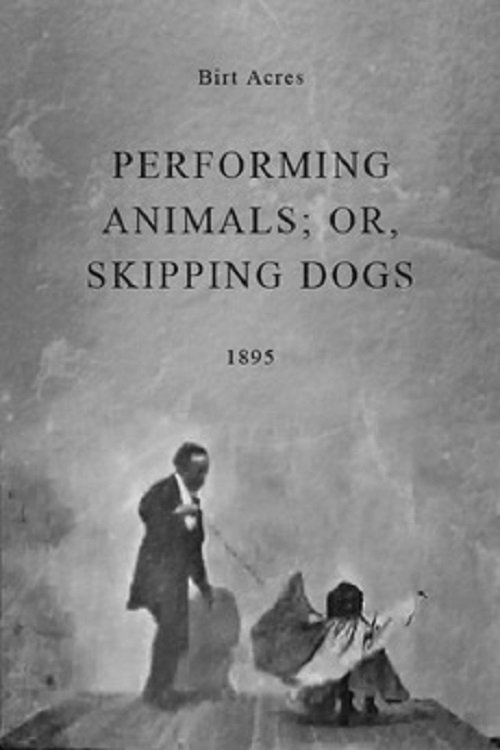
A short black-and-white silent documentary film featuring one dog jumping through hoops and another dancing in a costume, which was considered lost until footage from an 1896 Fairground Programme was identified as being from this film.
"All sounds travel in waves much the same as ripples in water." Educational film produced by Bray Studios New York, which was the dominant animation studio based in the United States in the years surrounding World War I.
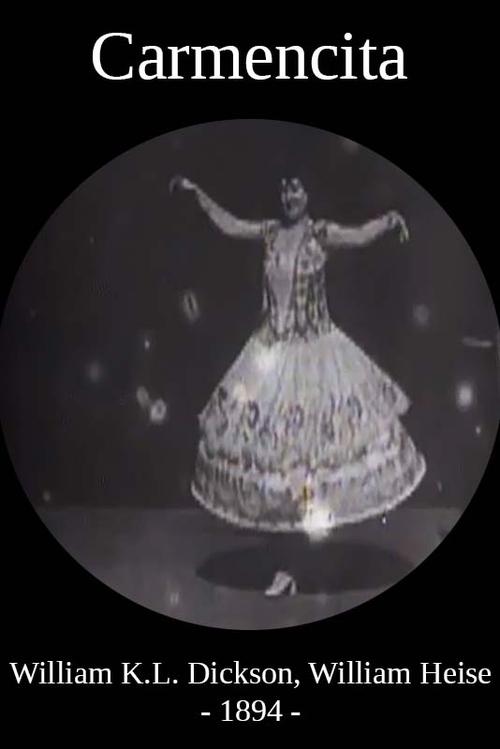
The first woman to appear in front of an Edison motion picture camera and possibly the first woman to appear in a motion picture within the United States. In the film, Carmencita is recorded going through a routine she had been performing at Koster & Bial's in New York since February 1890.
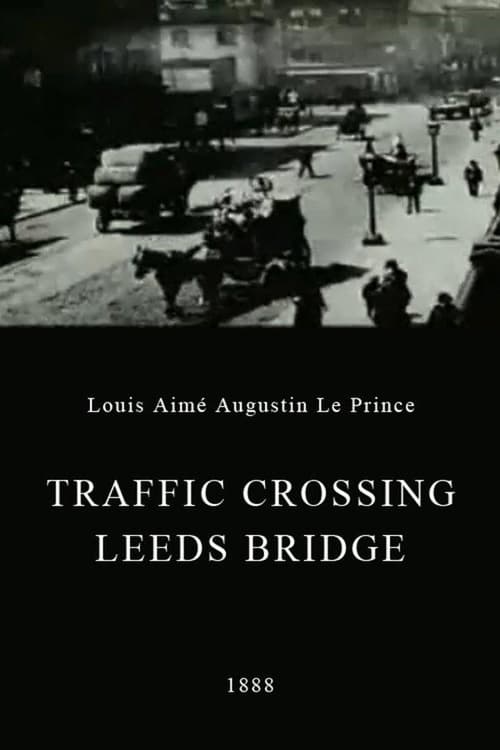
A film by Louis Aimé Augustin Le Prince, shot in late October 1888, showing pedestrians and carriages crossing Leeds Bridge.
This 10-minute short documentary exploring the shifting state of the American poultry industry was preserved in 2015 from an original nitrate print. More information is available on the film's page in the National Film Preservation Foundation's website, where this version can be found featuring original music by Michael D. Mortilla.
Goodbye Tornio is a vivid depiction of being young, fearlessly following your dreams and figuring things out on your own as you go. Eighteen-year-old Vilma celebrates her graduation from high school, with toasts from loving parents and parties with best friends, before leaving her hometown in Lapland and moving to the big city.
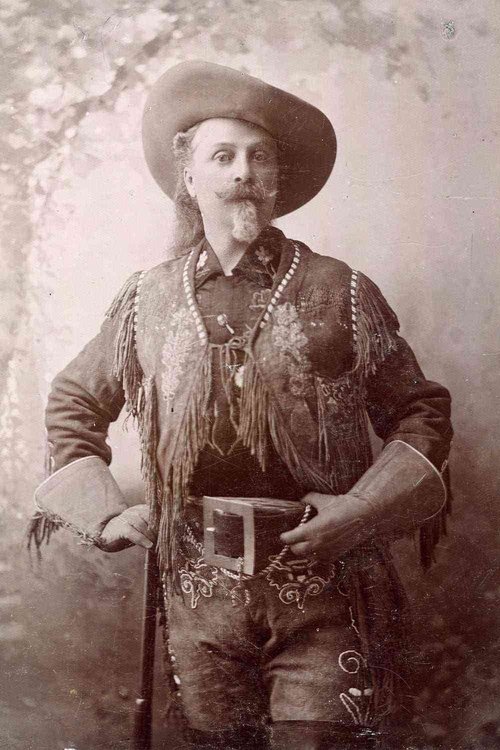
The famous army scout in an exhibition of rifle shooting. A fine picture of the principal, and beautiful smoke effects.
An evocative portrait of people having orgasms, lingering on the silent classical face of ecstasy.
On a market day in Kernascleden, two Breton women exchange their hair for a few coins. The hair becomes hairpieces. Last scene, an elegant Parisian removes her hat and exposes her generous wig skillfully coiffed.
Also known as The Operation of Dr. Alejandro Posadas. Filmed with early orthochromatic film in the Hospital de Clínicas de la Ciudad in Buenos Aires.
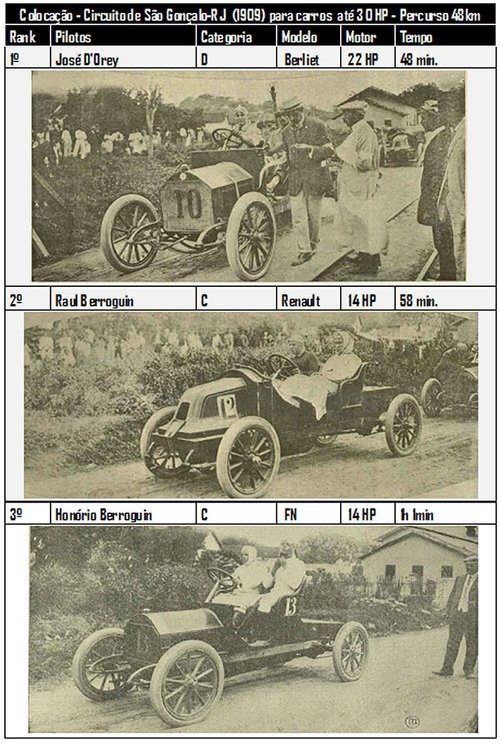
It's the oldest Brazilian movie that survived and the film that captured the first car race in Brazil.
Lucien Bull was a pioneer in chronophotography. Chronophotography is defined as "a set of photographs of a moving object, taken for the purpose of recording and exhibiting successive phases of motion."
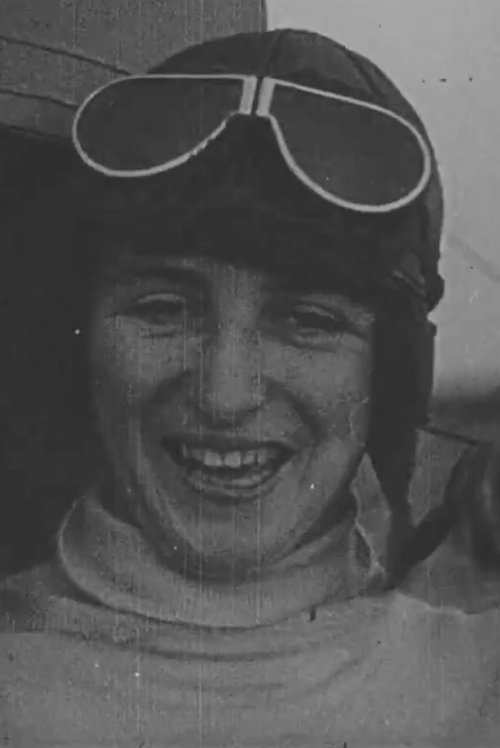
Topical Budget 545-2. Newsreel of the 1920s aerial stuntwoman and barnstormer, Sara “Babe” Kalishek. We see her on the ground at first, standing in front of a plane before we see her wing walking on a plane in flight, then climbing from one plane onto the wing of another.