No Cast found.
No Trailers found.
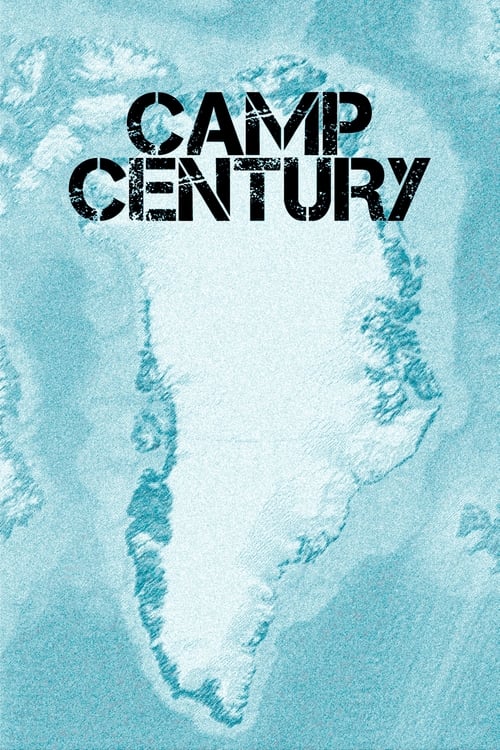
How in 1959, during the heat of the Cold War, the government of the United States decided to create a secret military base located in the far north of Greenland: Camp Century, almost a real town with roads and houses, a nuclear plant to provide power and silos to house missiles aimed at the Soviet Union.
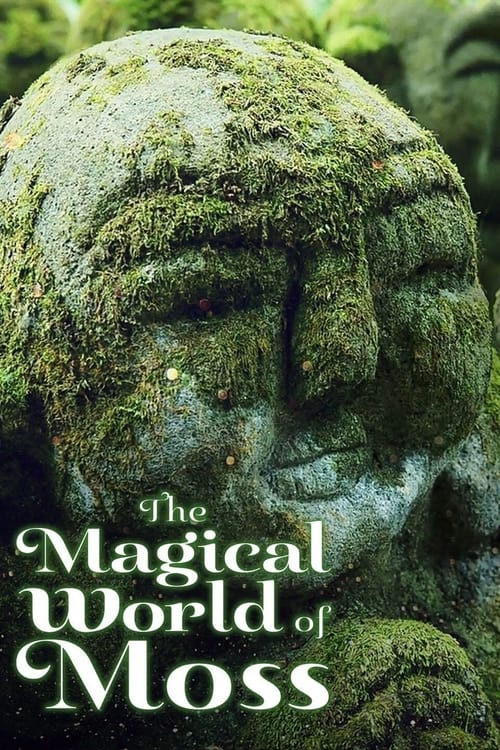
They have no roots, no seeds, no flowers, but mosses show immense survival capacities and can suspend their biological activity for long periods. Today, researchers are exploring the exceptional resistance of these archaic organisms. British ecologists have even resurrected a "zombie" moss that has been trapped in the permafrost for 1,500 years. Associated with decay and disliked in Europe, mosses are deified in Japan. With 25,000 species worldwide, bryophytes - their scientific name - are the seat of real ecosystems, and can develop in inhospitable landscapes, through an extravagant reproduction cycle.
No overview available.
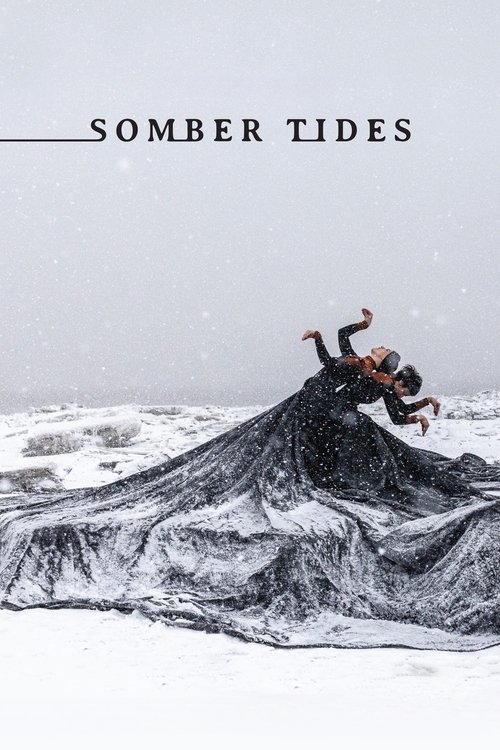
Somber tides a cry from the species, startled into survival against the elements. One last breath before being trampled by the Earth or maybe conversely a battle to wage against winds and tides clutching on before extinction.
A new exploration of familiar places located in the region of Rhône and Isère throught an reinvention of digital nuances, a study of perceptions and fluidity around the nature of motion in landscapes and human interactions.
Deng Xiaoping's economic and political opening in China. Margaret Thatcher's extreme economic measures in the United Kingdom. Ayatollah Khomeini's Islamic Revolution in Iran. Pope John Paul II's visit to Poland. Saddam Hussein's rise to power in Iraq. The Soviet invasion of Afghanistan. The nuclear accident at the Harrisburg power plant and the birth of ecological activism. The year 1979, the beginning of the future.
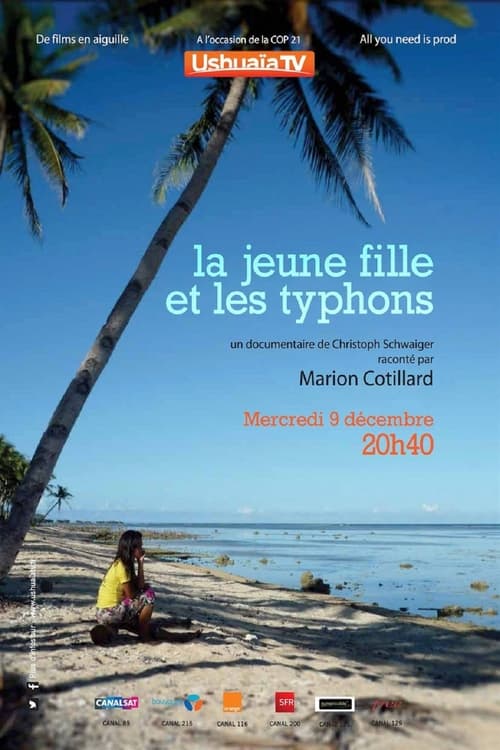
French actress Marion Cotillard travelled to the Philippines to meet with children and young people on climate change and what they want big-polluting governments to do about it. One of the girls she met is Marinel, a survivor of the Super Typhoon disaster in the Philippines in 2013, who is taking action on climate change in her own community. She participates in Plan International’s climate change adaptation projects and now teaches at youth camps to pass on everything she has learnt to the younger children. Marinel travelled to Paris with Plan International for the United Nations Framework Convention on Climate Change (UNFCCC) 21st Conference of the Parties (COP21) in December 2015.
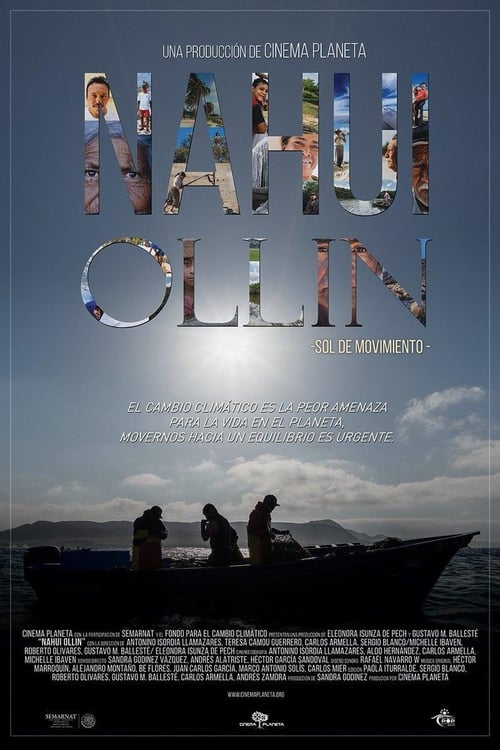
Through the eyes of eight filmmakers "Nahui Ollin, Sun Of Motion" explores several sites in Mexico to reveal how climate change has been advancing in one of the countries with the highest biodiversity globally. Corals, glaciers, seas, mangroves, rivers, mountains, fields and cities have witnessed the advancement of what may represent the greatest threat to human kind in this age. Through the voices of the inhabitants in different parts of the country, we will witness the adaptation as well as the mitigation that is carried out in their communities.
A provocative and poetic exploration of how the British people have seen their own land through more than a century of cinema. A hallucinated journey of immense beauty and brutality. A kaleidoscopic essay on how magic and madness have linked human beings to nature since the beginning of time.
Footage from the side of the road.
A group of young architects, confined to a forest in Barcelona during the COVID crisis, explore the problems generated by the ambition of wanting to be completely self-sufficient.
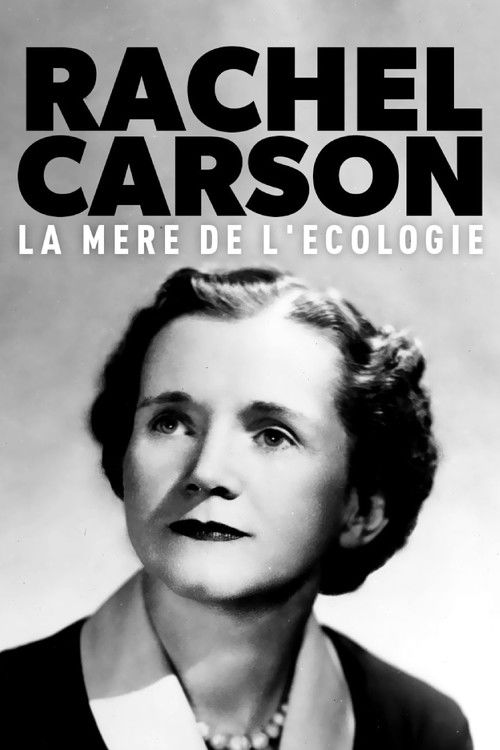
In 1962, Rachel Carson's book Silent Spring opened America's eyes to the dangers of pesticides and man's place in nature. This episode of the "Before/After" series dives into the genesis of a poetic and powerful text, which inspired modern environmentalist thought.
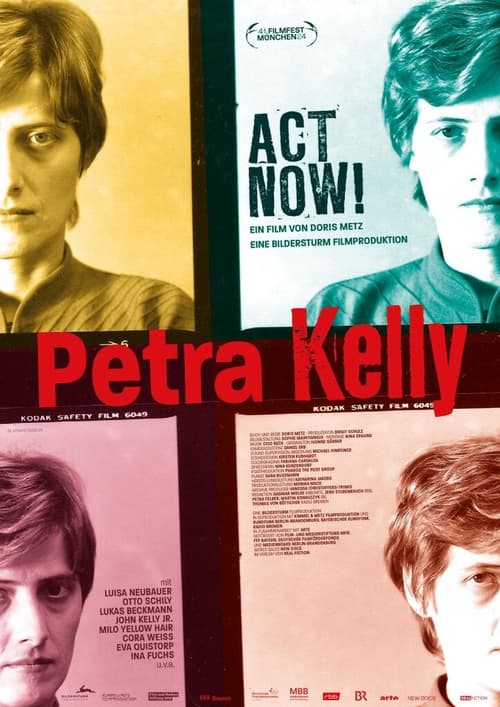
The German documentary is dedicated to an influential figure of the 20th century: Petra Kelly spent her life campaigning for feminism, environmental activism, human rights and peace. She was a political co-founder of the Green Party in the 1970s and 80s and protested against nuclear missiles in West Germany at the height of the Cold War. Above all, however, she believed that one person could very well change the world and thus rose to become an icon of the peace movement.
“Tucaneira: Wooden Hands” is a captivating mini-documentary that takes us on a fascinating journey through the world of a skilled artisan who works with wood at an eco-solidarity fair held in a university environment. In this brief and inspiring portrait, we explore the life and craft of Manoel, a master craftsman whose hands transform tree trunks into true works of art. Through beautiful images, testimonials and captivating photographs, the documentary reveals Manoel's passion for his art. He shares his inspirations and motivations, highlighting how his work is deeply rooted in sustainability and respect for nature. “Tucaneira: Wooden Hands” is a mini-documentary that not only celebrates the talent and dedication of an exceptional artisan, but also reminds us of the importance of supporting initiatives and fairs that promote eco-solidarity, art and sustainability in a vibrant and inspiring university .
Abel, Marianne and their 13-year-old son Joseph live together in Paris. Their everyday existence is thrown into turmoil when Abel and Marianne discover that Joseph has secretly sold valuables from the family home to finance a mysterious ecological project he and his friends have in Africa. They’re about to save the planet.
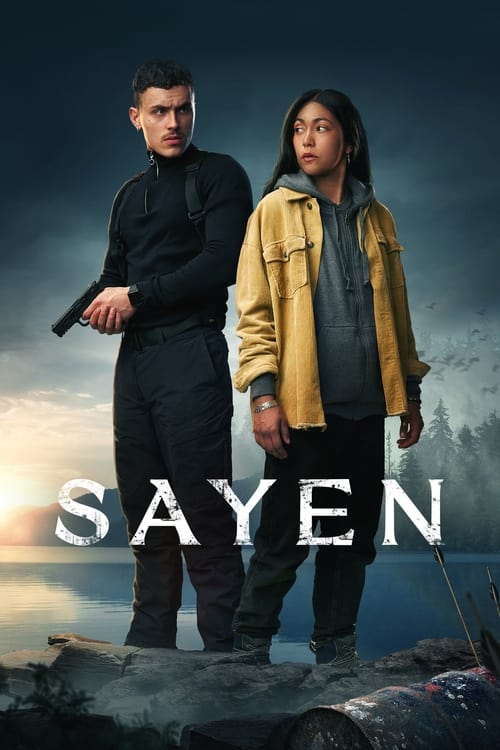
Sayen is hunting down the men who murdered her grandmother. Using her training and knowledge of nature, she is able to turn the tables on them, learning of a conspiracy from a corporation that threatens her people's ancestral lands.