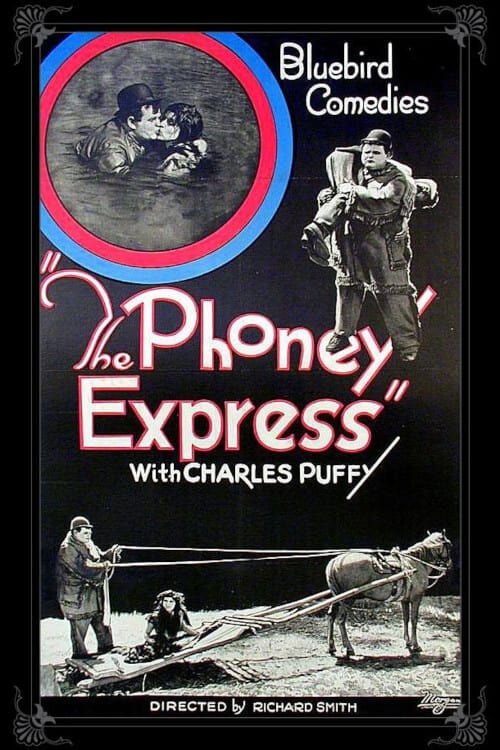
Silent western comedy starring Charles Puffy
No Trailers found.
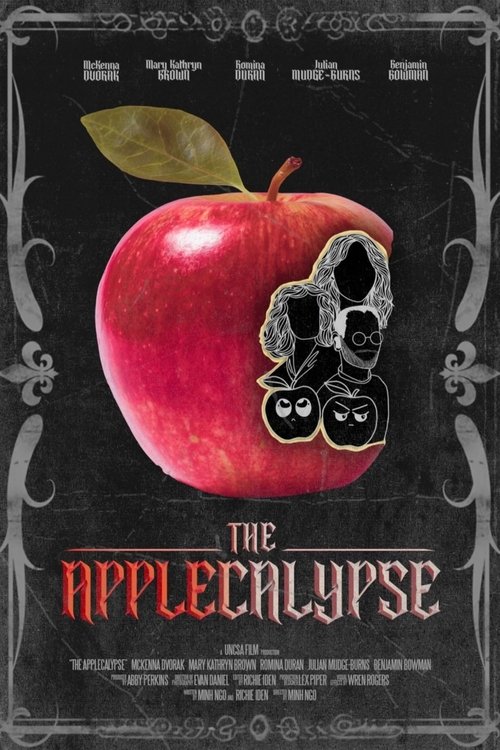
After Eve causes a cataclysmic event that sucks all apples into a dark void, the two surviving apples must recruit the help of Steve Jobs and Isaac Newton to save the Garden of Eden.
A resourceful landlady rents the same room to two men: the commercial clerk Zimt, who is at work during the day, and the conductor of a café orchestra Zucker, who has to work all night. After all kinds of turbulence, the trick comes to light and the two bitter enemies Zucker and Zimt eventually become good friends.
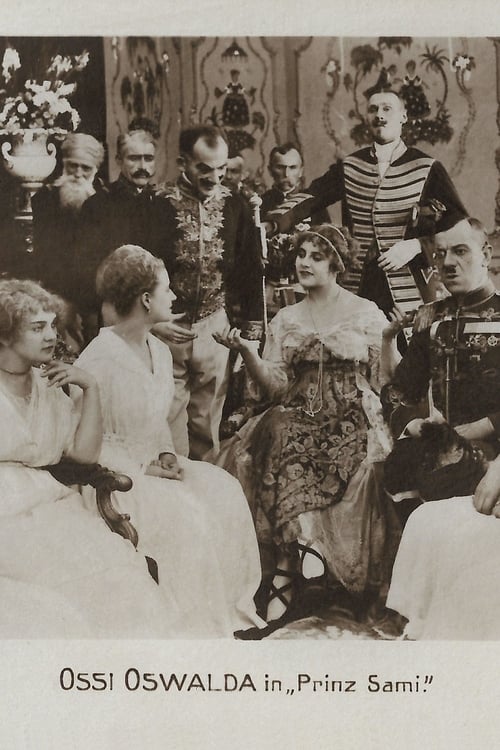
Prince Sami comes from Nigeria and is an uncivilized "nature boy." He is sent to the highly civilized court of Duchess Maria of Arragon, where he initially causes chaos. In the end, however, he becomes the duchess's husband.
While making a movie in the Alps, the female star falls in love with a nobleman.
In this silent film, now considered lost, Doug Caswell falls for Irene, his wealthy father's mistress. It's up to Doug's stepmother Helen to put things right.
So This is Love? was another early Frank Capra production for fledgling Columbia Pictures. The hero, dress designer Jerry McGuire (William Collier Jr.), is tired of being considered a wimp. After business hours, Jerry secretly takes boxing lessons, enabling him to knock the stuffings out of his burly rival Spike Mullins (Johnnie Walker). Jerry's newfound pugilistic skills wins him the affections of store clerk Hilda Jensen (Shirley Mason), who's just car-razy about "cave men." Filmed in a fast three weeks, So This is Love? was completed before Frank Capra's Matinee Idol but released afterward. Leading lady Shirley Mason was the sister of Viola Dana, who starred in Capra's initial Columbia effort, That Certain Thing.
No overview available.
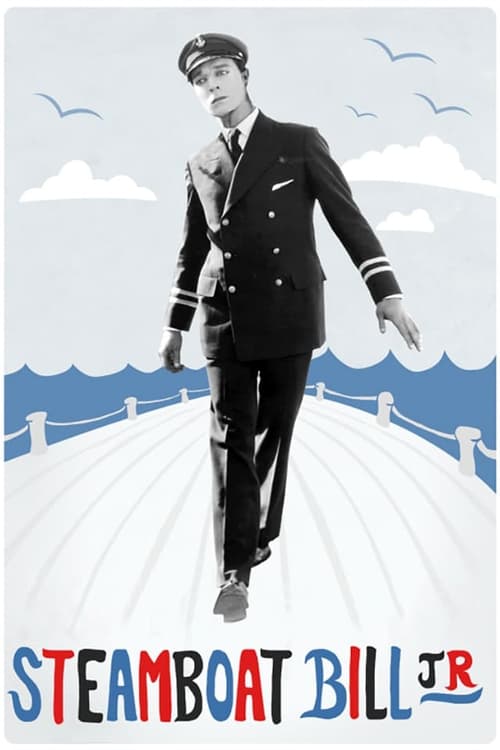
The just-out-of-college, effete son of a no-nonsense steamboat captain comes to visit his father whom he's not seen since he was a child.
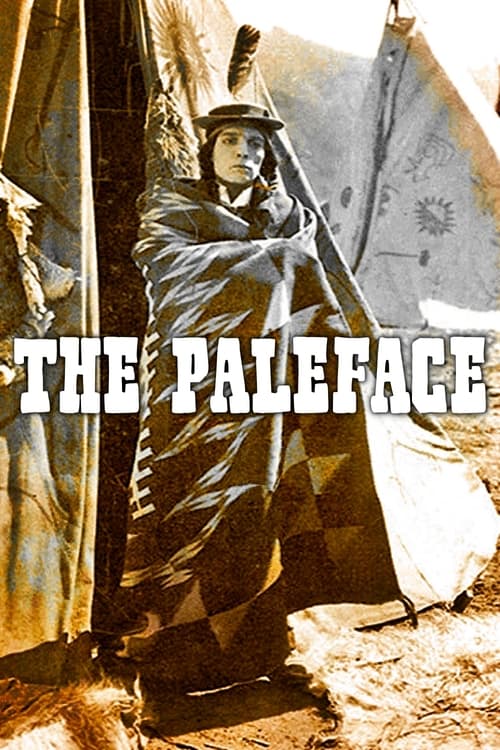
A butterfly collector unwittingly wanders into an Indian encampment while chasing a butterfly, but the tribe has resolved to kill the first white man who enters their encampment because white oil tycoons are trying to force them from their land.
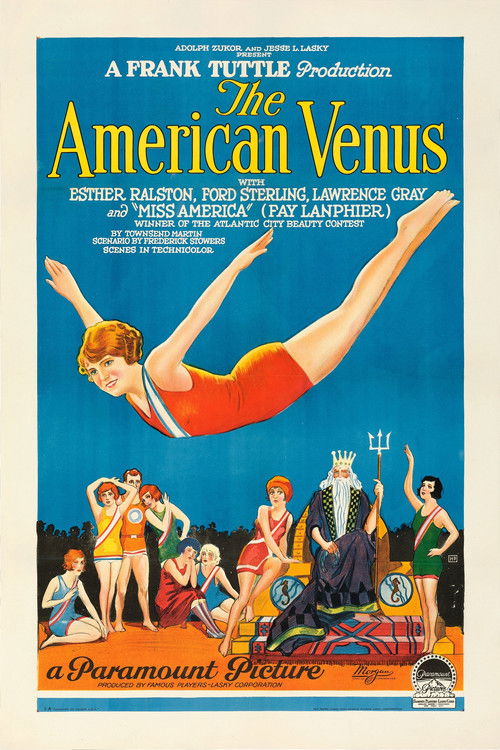
A lost film - Mary Gray, whose father manufactures cold cream, is engaged to sappy Horace Niles, the son of Hugo Niles, the elder Gray's most competitive rival in the cosmetics business. Chip Armstrong, a hot-shot public relations man, quits the employ of Hugo Niles and goes to work for Gray, persuading Mary to enter the Miss America contest at Atlantic City, with the intention of using her to endorse her father's cold cream should she win. Mary breaks her engagement with Horace. When it appears that she will win the contest, Hugo lures her home on the pretext that her father is ill, and she misses the contest. Chip and Mary return to Atlantic City, discovering that the new Miss America has told the world that she owes all her success to Gray's cold cream. On this note, Chip and Mary decide to get married.
A photographer takes up newsreel shooting to impress a secretary.
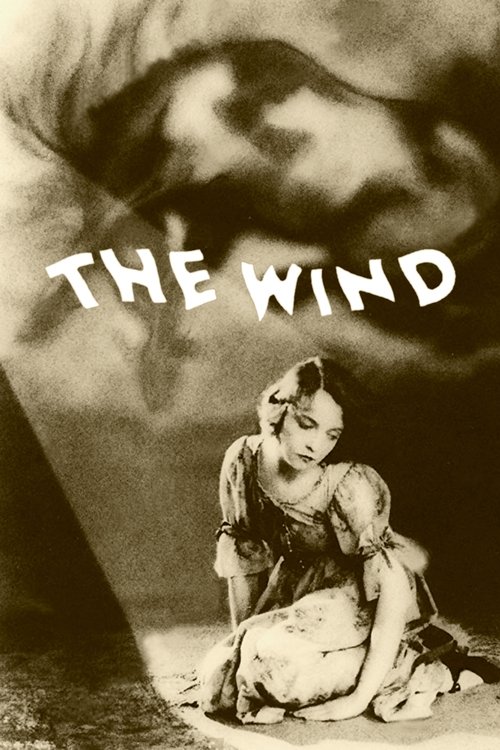
When Letty Mason relocates to West Texas, she finds herself unsettled by the ever-present wind and sand. Arriving at her new home at the ranch of her cousin, Beverly, she receives a surprisingly cold welcome from his wife, Cora. Soon tensions in the family and unwanted attention from a trio of suitors leave Letty increasingly disturbed.
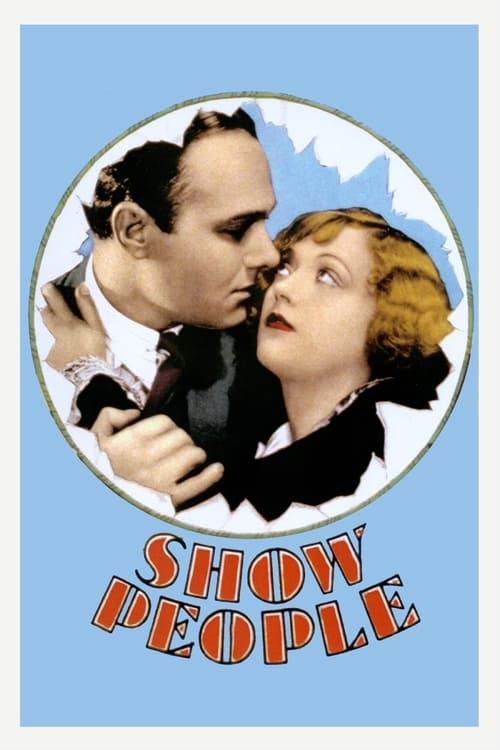
Hollywood hopeful Peggy Pepper arrives at a major studio, from Georgia, to become a great dramatic star. Things don't go entirely according to plan.
A struggling drug addict is plunged into a tortured netherworld, where he must defend his spirit from a ravenous horde of soul-addicted junkies.
Edgar is called upon by his mother to execute a disagreeable errand, has to mind his troublesome younger brother, and runs away.
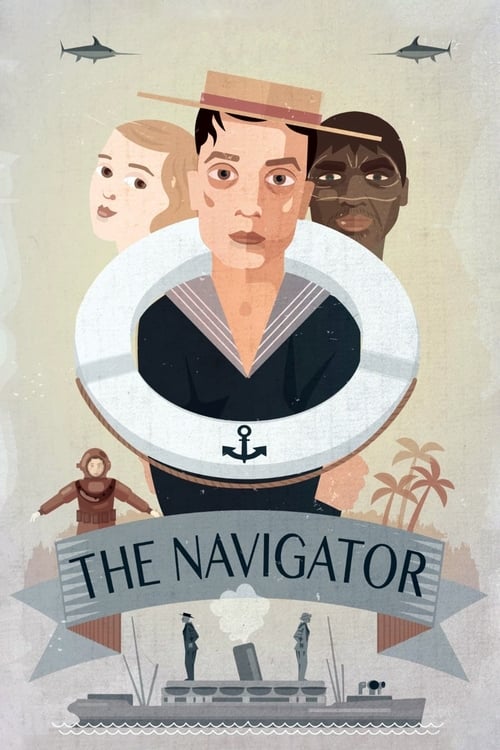
The wealthy and impulsive Rollo Treadway decides to propose to his beautiful socialite neighbor, Betsy O'Brien. Although Betsy turns Rollo down, he still opts to go on the cruise that he intended as their honeymoon. When circumstances find both Rollo and Betsy on the wrong ship, they end up having adventures on the high seas.
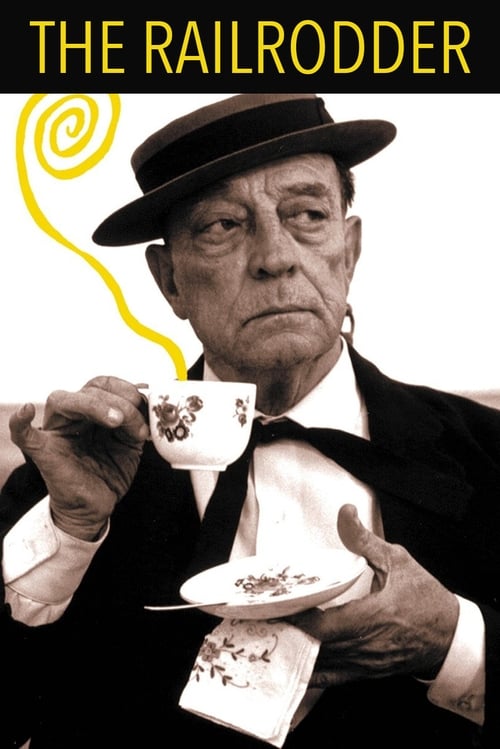
After literally swimming across the Atlantic Ocean, an Englishman takes a country trip across Canada on a railcar.
Struggling stockbroker Jimmie Shannon learns that, if he gets married by 7 p.m. on his 27th birthday -- which is today -- he'll inherit $7 million from an eccentric relative.
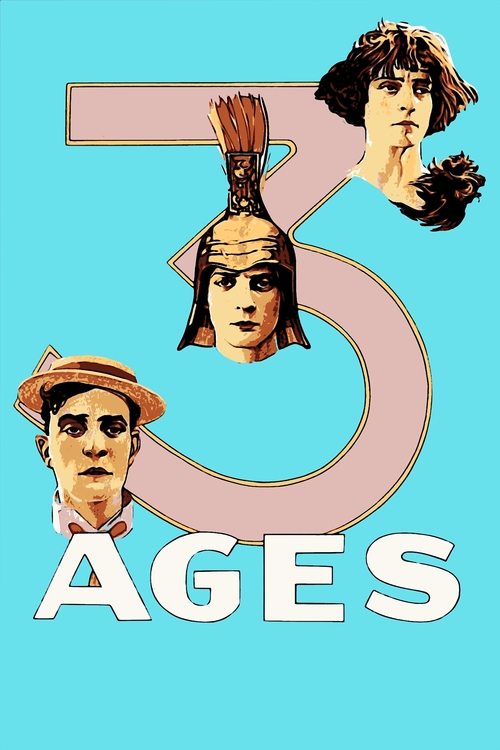
The rituals of courtship, romantic rivalry, and love play out three times as a man vies with a villain for the girl. In the Stone Age, the rivalry is set off by dinosaurs, a turtle used as a ouija board, and a round of golf with stones. In ancient Rome, the men display their brawn through a chariot race, using dogs instead of horses. In contemporary times, the man finds himself overcome by modernity, including a very fragile car.
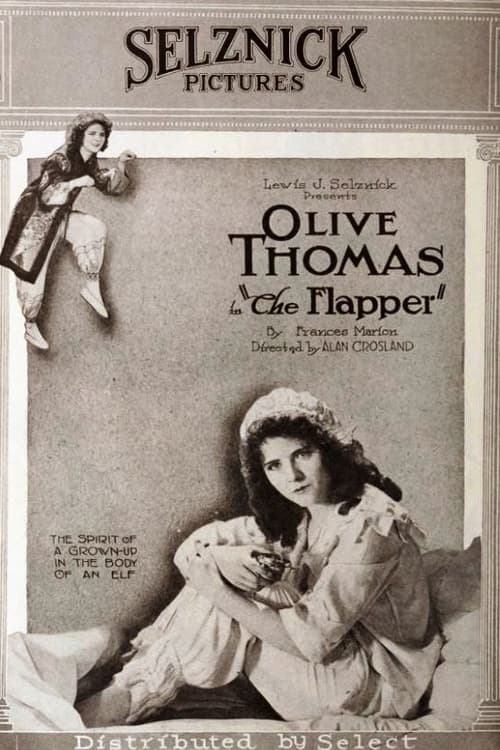
A Southern teen at a ritzy boarding school gets into mischief while acting the sophisticated grownup to impress a suave gentleman and match wits with a pair of jewel thieves.
The Express Rider
Little Nell