An animated comedy short from the 1920s. Preserved by the Academy Film Archive in 2008.
No Trailers found.
No Cast found.
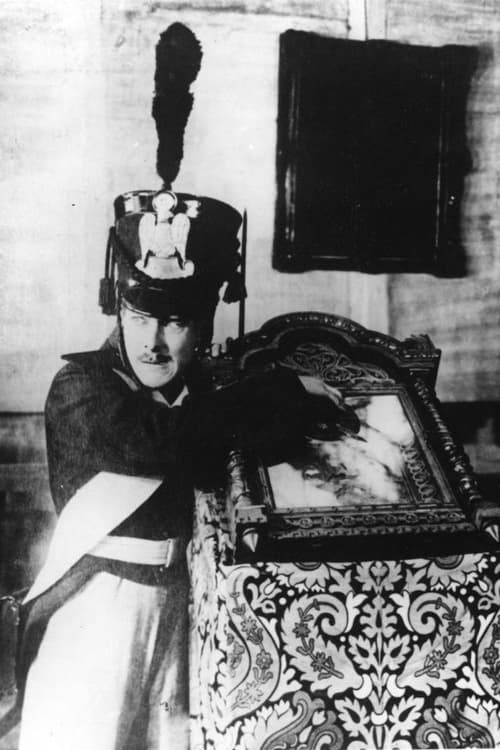
The young serf Eremey Mizgir is surrendered as a soldier by his mistress for his mischievous tricks. Mizgir ends up in St. Petersburg in the guards regiment. Resourceful, quick-witted, cheerful, he easily copes with his official duties and, although he often gets punished by the sergeant-major for his pranks, he never loses heart. But then sad news came from the village: the old people’s cow had died, and Eremey’s bride Dunya was being relentlessly pursued by the clerk. The soldier felt sad. Standing on guard at the rich, diamond-studded icon of the Kazan Mother of God and thinking about how to help the elderly and the bride, Mizgir decides to take a desperate step. He breaks the glass of the icon and picks out a large gemstone from the aureole of the Mother of God. When the loss is discovered, Mizgir, without blinking an eye, announces that the Mother of God herself gave him the stone.
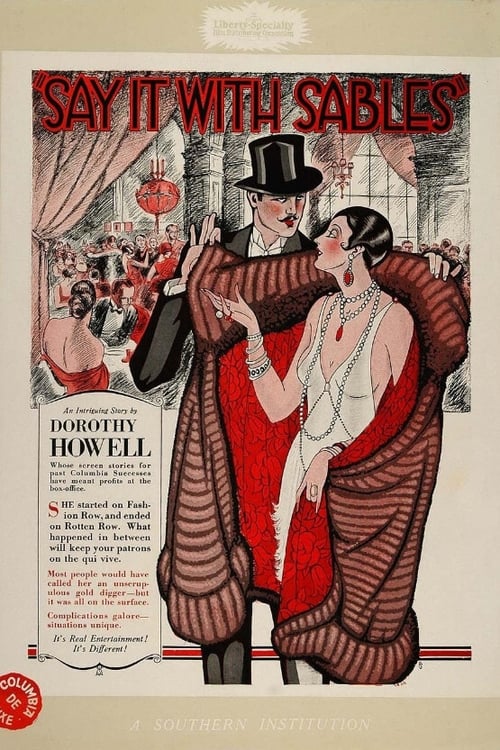
In this silent film, now considered lost, Doug Caswell falls for Irene, his wealthy father's mistress. It's up to Doug's stepmother Helen to put things right.
So This is Love? was another early Frank Capra production for fledgling Columbia Pictures. The hero, dress designer Jerry McGuire (William Collier Jr.), is tired of being considered a wimp. After business hours, Jerry secretly takes boxing lessons, enabling him to knock the stuffings out of his burly rival Spike Mullins (Johnnie Walker). Jerry's newfound pugilistic skills wins him the affections of store clerk Hilda Jensen (Shirley Mason), who's just car-razy about "cave men." Filmed in a fast three weeks, So This is Love? was completed before Frank Capra's Matinee Idol but released afterward. Leading lady Shirley Mason was the sister of Viola Dana, who starred in Capra's initial Columbia effort, That Certain Thing.
An ordinary man wakes up in a world upside down! Illegible newspaper, people backing up, cars backing up: nothing is the same anymore, but everything seems to be going well.
A newlywed couple tries to make her sea captain Uncle feel like a welcome house guest by giving him all the comforts of the sea...
Kris Kringle, seemingly the embodiment of Santa Claus, is asked to portray the jolly old fellow at Macy's following his performance in the Thanksgiving Day parade. His portrayal is so complete that many begin to question if he truly is Santa Claus, while others question his sanity.
The opening shows a colored nursemaid in the park with baby carriage, and seated on a bench receives the attention of several smart colored men who admire her greatly and endeavor to make her acquaintance. But the dusky belle is coy and declines to make the acquaintance of any of them, until one more fortunate than the rest is invited to a seat on the bench with her, and a most pronounced flirtation takes place between the lady and her beau. (Selig catalog)
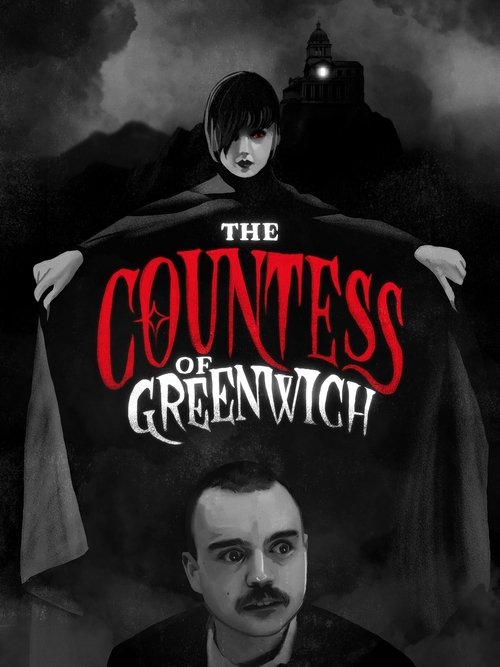
When Luke, a travelling salesman, finally arrives at the Countess' castle, he discovers his client is not what she seems to be...
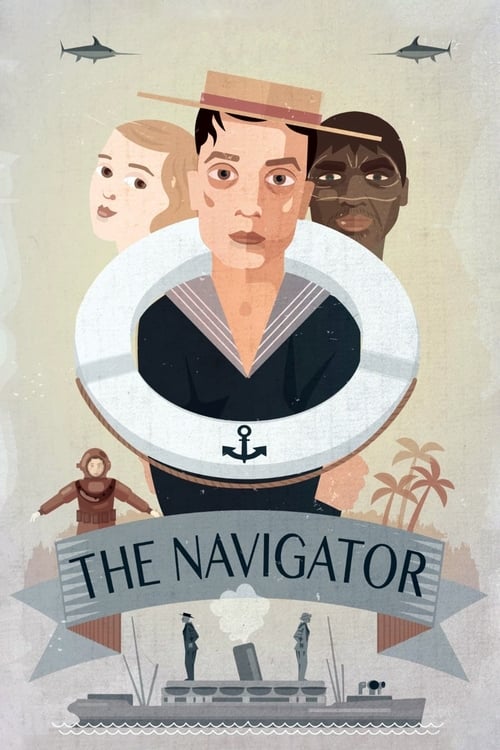
The wealthy and impulsive Rollo Treadway decides to propose to his beautiful socialite neighbor, Betsy O'Brien. Although Betsy turns Rollo down, he still opts to go on the cruise that he intended as their honeymoon. When circumstances find both Rollo and Betsy on the wrong ship, they end up having adventures on the high seas.
After literally swimming across the Atlantic Ocean, an Englishman takes a country trip across Canada on a railcar.
Professor Owl gives a lecture on the evolution of Western musical instruments, starting with the advent of rudimentary brass, woodwind, string and percussion instruments by ancient cave dwellers at the dawn of history.
Gio, and her big brother, Marco, live alone in a city they are yet to call home. Summer's scorching sun prompts Marco on a quest to make the heat bearable.
Struggling stockbroker Jimmie Shannon learns that, if he gets married by 7 p.m. on his 27th birthday -- which is today -- he'll inherit $7 million from an eccentric relative.
The rituals of courtship, romantic rivalry, and love play out three times as a man vies with a villain for the girl. In the Stone Age, the rivalry is set off by dinosaurs, a turtle used as a ouija board, and a round of golf with stones. In ancient Rome, the men display their brawn through a chariot race, using dogs instead of horses. In contemporary times, the man finds himself overcome by modernity, including a very fragile car.
A Southern teen at a ritzy boarding school gets into mischief while acting the sophisticated grownup to impress a suave gentleman and match wits with a pair of jewel thieves.
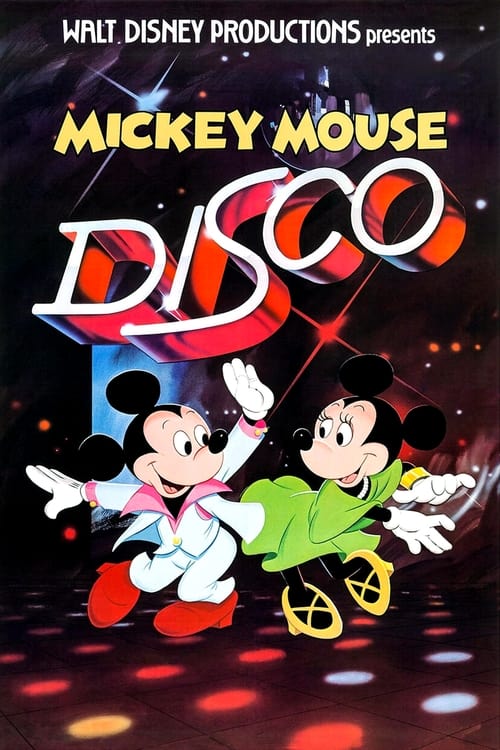
A clip-show music video for the album of the same name and vintage. Includes 5 songs from the album ("Mousetrap", "Disco Mickey Mouse", "Watch Out For Goofy", "Macho Duck", "Welcome To Rio").
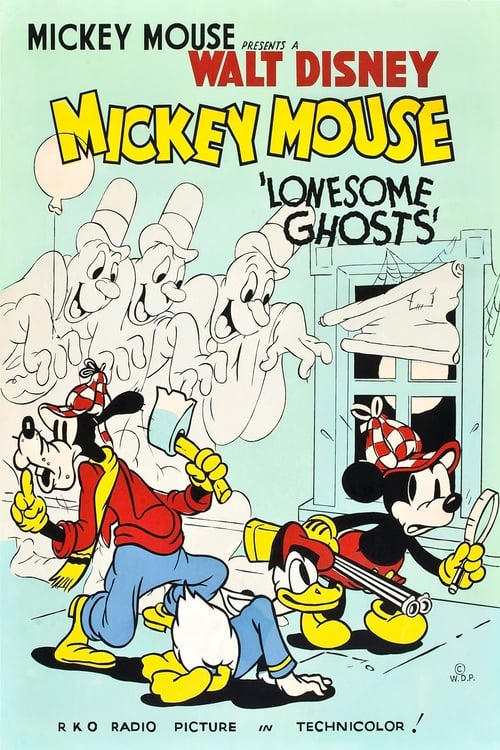
On a dark and stormy night, four bored ghosts decide to have some fun by calling the Ajax Ghost Exterminators.
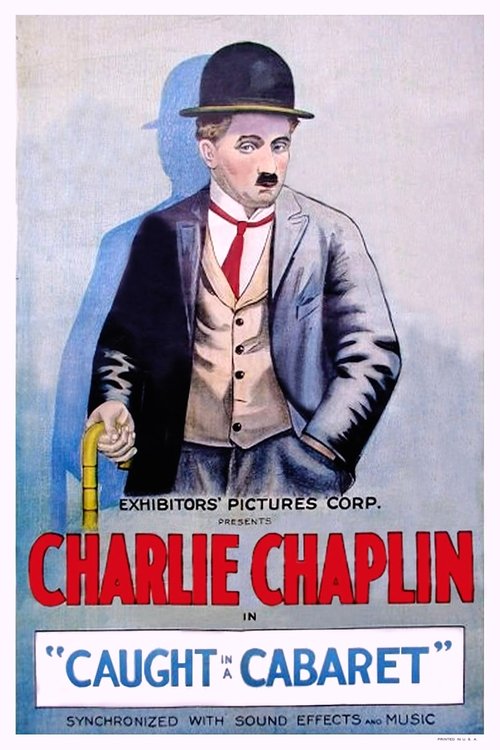
Charlie is a clumsy waiter in a cheap cabaret, suffering the strict orders from his boss. He meets a pretty girl in the park and tries to impress her by pretending to be an ambassador. Unfortunately she has a jealous fiancé.
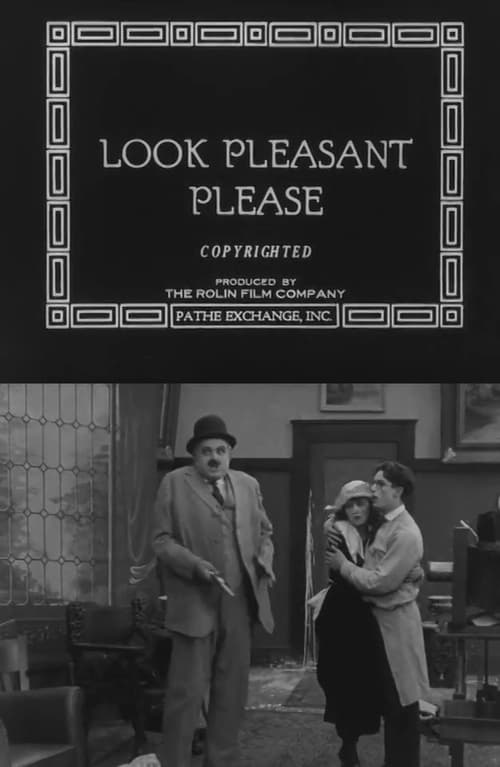
A photo studio operator seems only interested in flirting with women. Hilarity ensues.
Educational short about the status of battle tanks and tank training in the U.S. Army in pre-War 1941, featuring a comical Army trainee from the Bronx.