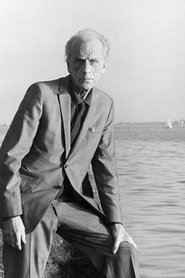
Lawrence Jordan's portrait of the reclusive artist Joseph Cornell.
No Trailers found.
Self (archive footage)
Narrator (voice)
A loop of edgeless bend. You were its doom, he was its bloom. You were its tomb, he was its womb. You were its gloom, he was its loom. For Heaven and Hell, were words made of fume.
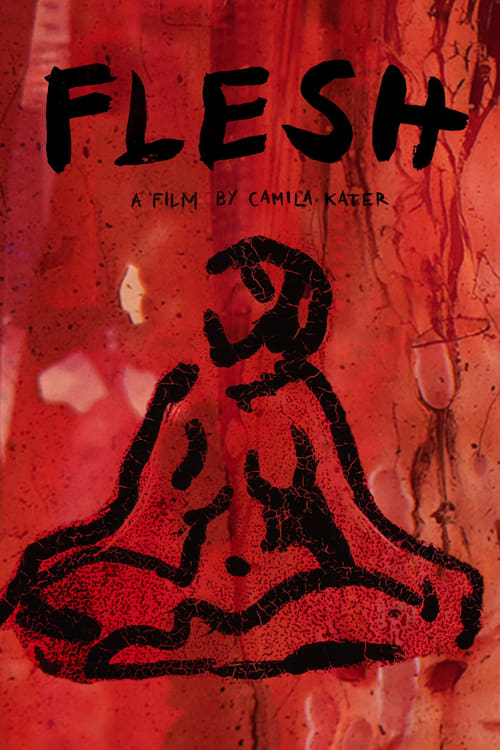
Rare, medium rare, medium, medium well and well done. Through intimate and personal stories, five women share their experiences in relation to the body, from childhood to old age.
Greek internal migrants in Athens, after the Greek Civil War colonize the tops of the Tourkovounia hills.
A documentary-style capturing of the life of Ab, a young struggling artist trying to find her way, all while dealing with unwanted company.
"With the barrel bombs falling on Ghouta, civilians sought shelter in the basements of their homes. I was one of them, holding on to my camera, I tried to film what I couldn’t express in words."
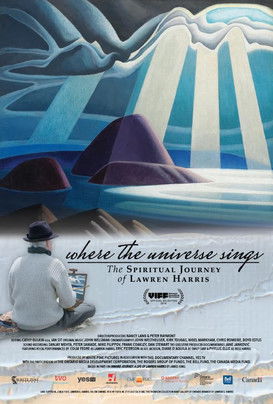
Admirers of Lawren Harris, founding member of the iconic Group of Seven, discuss his paintings and his place in the pantheon of Canadian artists.
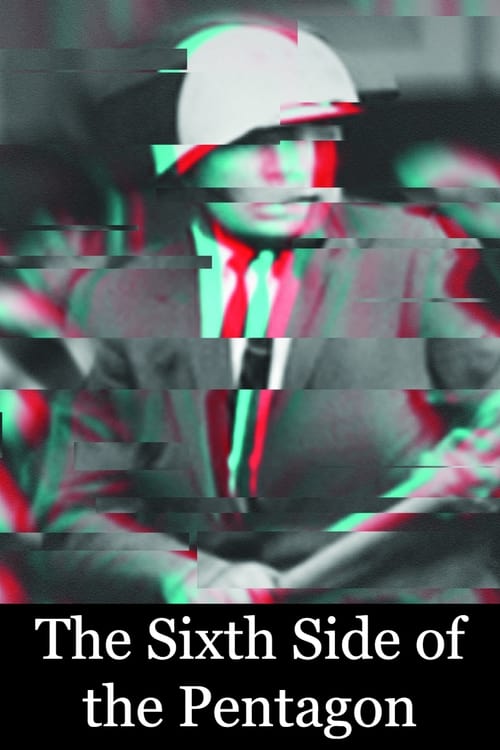
Chris Marker and François Reichenbach document the massive anti–Vietnam War protest held in Washington, D.C., on October 21, 1967, where more than 100,000 demonstrators gathered at the Lincoln Memorial before marching on the Pentagon. Filmed amid the crowd, the short captures the tension, idealism, and growing radicalism of the American peace movement.
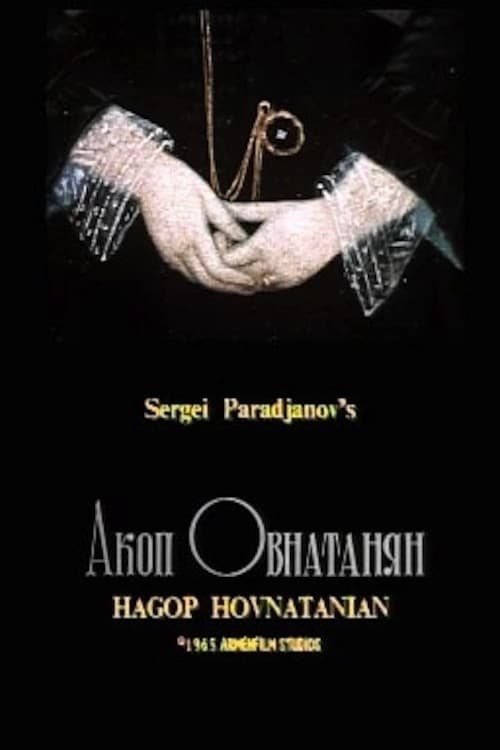
Exploring the art of Armenian portraitist Hakob Hovnatanyan, Parajanov revives the culture of Tbilisi of the 19th century.
The history of the ancient neighborhood of Colonus in Athens, by a novelist and script writer who lives in modern-day Kolonos.
The Greek guest workers -gästarbeiter- in the industrially developed central and northern Europe in the mid 70s.
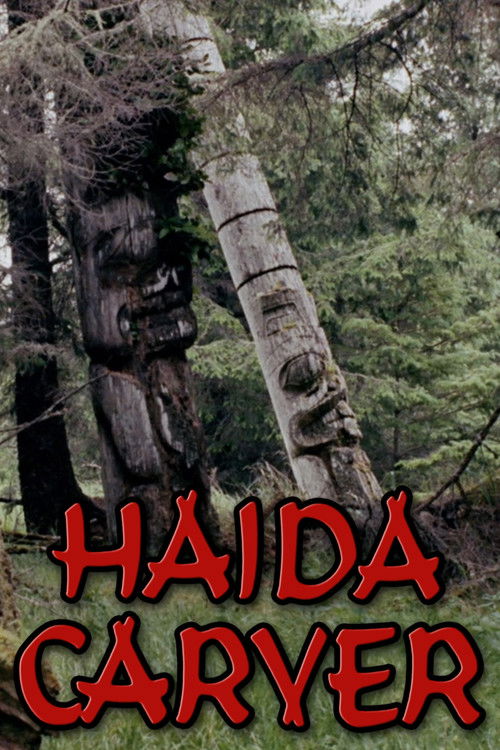
On Canada's Pacific coast this film finds a young Haida artist, Robert Davidson, shaping miniature totems from argillite, a jet-like stone. The film follows the artist to the island where he finds the stone, and then shows how he carves it in the manner of his grandfather, who taught him the craft.
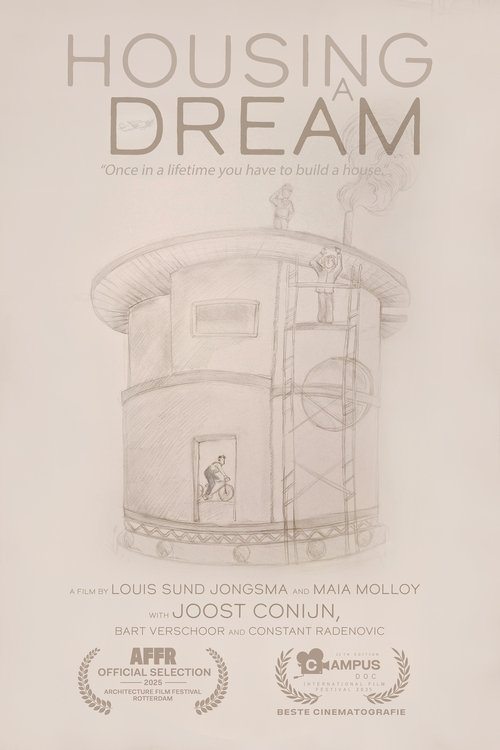
Housing a Dream follows Dutch visionary artist Joost Conijn as he builds his dream home—an unconventional, rotating house that turns with the help of a red bicycle mounted to its floor. By pedaling, Joost can orient the house to follow the sunlight, reflecting his work's delicate balance between function and poetry. Through his process, the film explores the philosophies shaped by a lifetime of craftsmanship, revealing how building a home can become a profound act of artistic creation.
The film sheds light on the topic of the high divorce rate among young people in the form of journalistic statements and scenes as well as analytically reflected statements and statements of experience by sociologist Dr. Ursula Hempel, divorced and single mother of two adolescent children, and her cousin, a puppeteer who is also divorced.
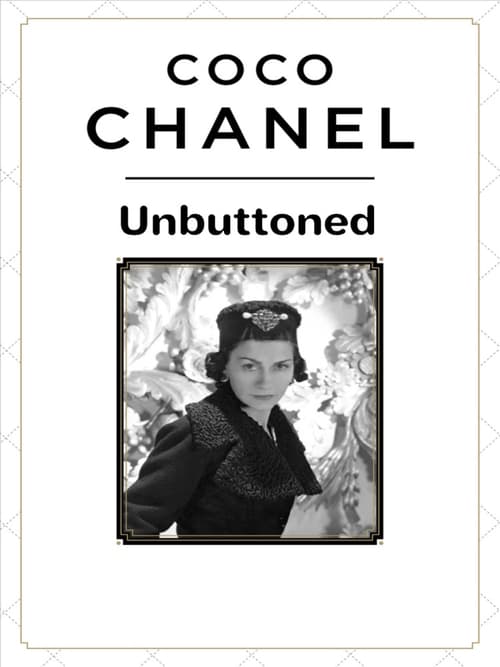
The story of original influencer Coco Chanel, whose designs still represent the zenith of female sexuality, style and power.
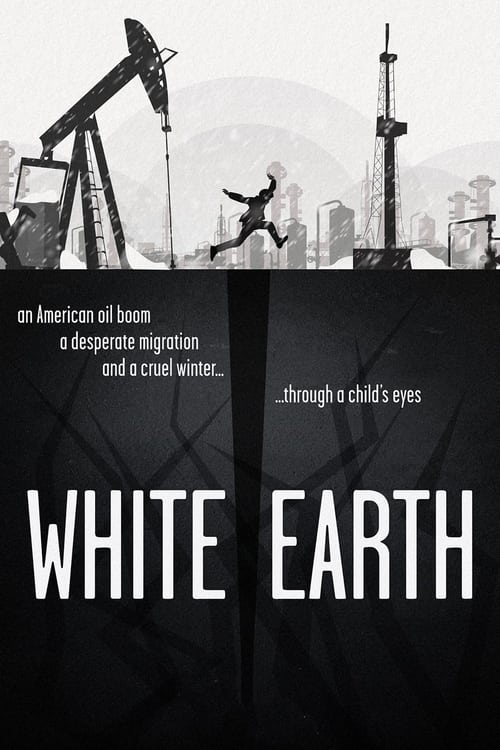
An oil boom has drawn thousands to America’s Northern Plains in search of work. Against the backdrop of a cruel North Dakota winter, the stories of three children and an immigrant mother intertwine among themes of innocence, home, and the American Dream.
A last tour throughout a day through the signs and the memory of a house. A sensory and poetic exploration that reflects an intimate and nostalgic look at the places we inhabit and the way they contain us.
No overview available.
You've never heard of Jonathan Hoefler or Tobias Frere-Jones but you've seen their work. They run the most successful and respected type design studio in the world, making fonts used by the Wall Street Journal to the President of the United States.
Filmmaker Alain Resnais documents the atrocities behind the walls of Hitler's concentration camps.
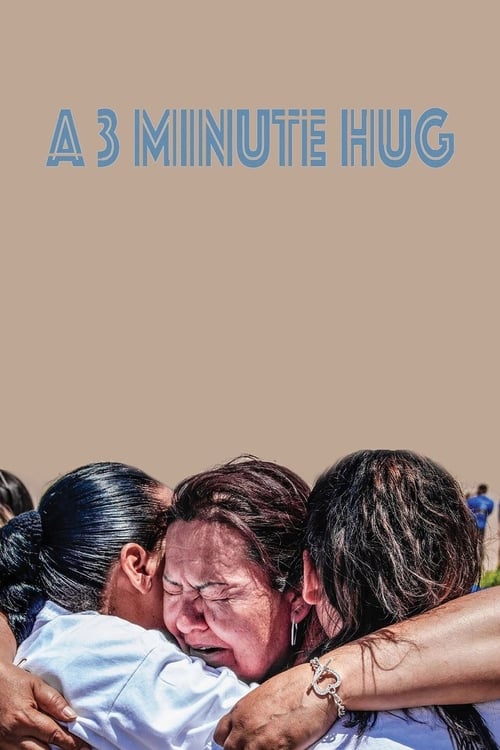
As daylight breaks between the border cities of El Paso, Texas, and Juarez, Mexico, undocumented migrants and their relatives, divided by a wall, prepare to participate in an activist event. For three minutes, they’ll embrace in no man’s land for the briefest and sweetest of reunions.