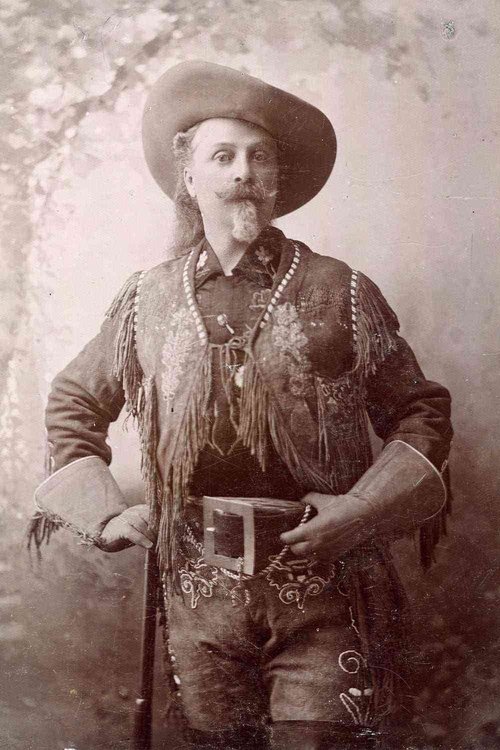
The famous army scout in an exhibition of rifle shooting. A fine picture of the principal, and beautiful smoke effects.
No Trailers found.
Charles Dekeukeleire, then a questioning Catholic, was spurred into making this documentary on a pilgrimage with the Catholic Young Workers’ Movement. The director’s approach is one of critical reflection; A film emotional and fervent, even acerbic.
A short documentary illustrating how art can influence public perception towards environmental issues. Green Patriot Posters is a highly acclaimed multimedia design campaign that challenges artists to deepen public understanding and ignite collective action in the fight against climate change. So far, it has reached five million people through print media, public space and digital culture. The film features interviews with key Green Patriot Posters contributors (Shepard Fairey, Michael Bierut, DJ Spooky, Mathilde Fallot) and its founders (The Canary Project, Dmitri Siegel).
No overview available.
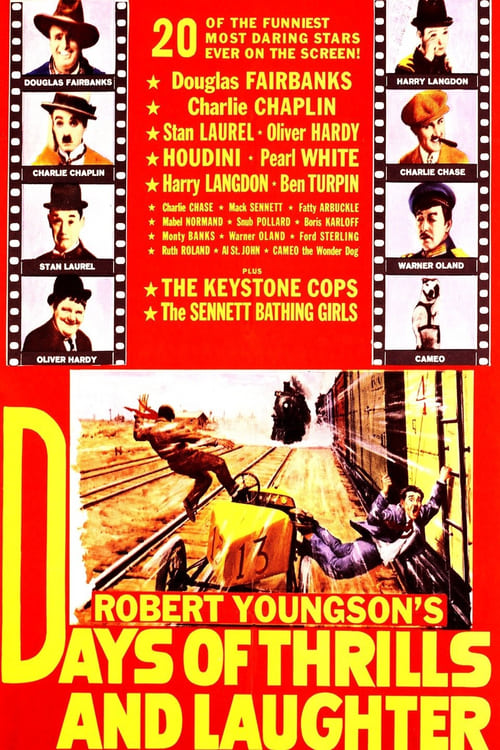
An appreciative, uncritical look at silent film comedies and thrillers from early in the century through the 1920s.
A portrait of Austria captured with a broken camera, accompanied by an enhanced and AI-generated version of the national anthem.
A documentary about the making of the 2006 AMC miniseries Broken Trail.
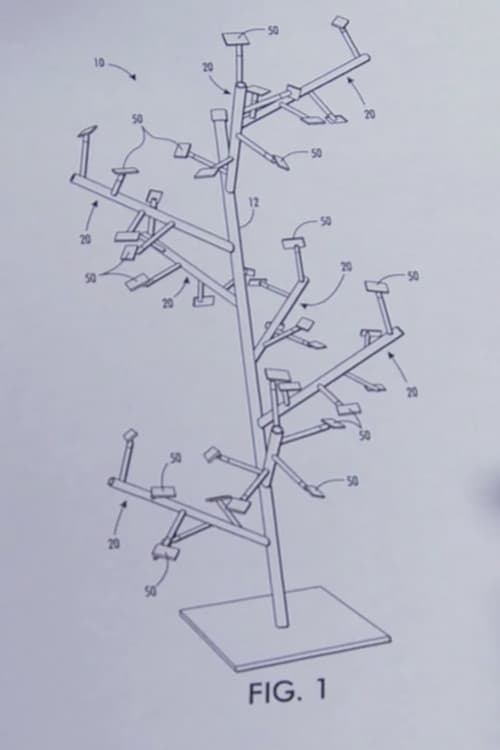
13-year-old inventor Aidan has discovered that trees use a mathematical formula to gather sunlight in crowded forests. Now he wonders why we don't collect solar energy the same way.
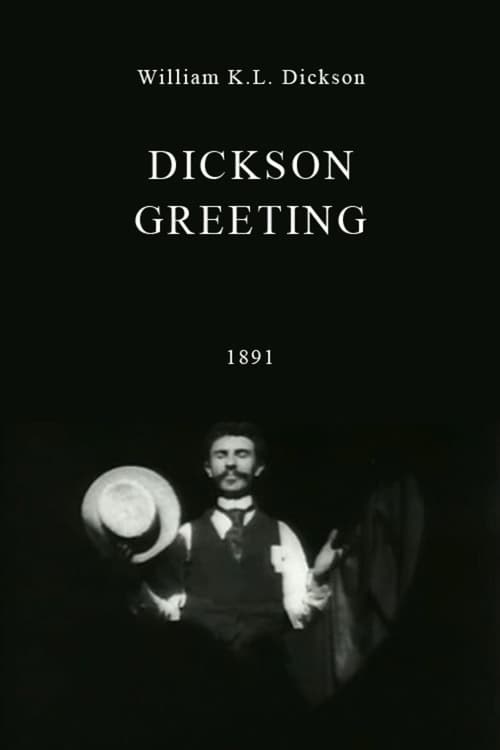
William K.L. Dickson brings his hat from his one hand to the other and moves his head slightly, as a small nod toward the audience. This was the first film produced by the Edison Manufacturing Company to be shown to public audiences and the press.
A movie that portrays a reflection about sense of being self, to love and to be loved.
Experimental film fragment made with the Edison-Dickson-Heise experimental horizontal-feed kinetograph camera and viewer, using 3/4-inch wide film.
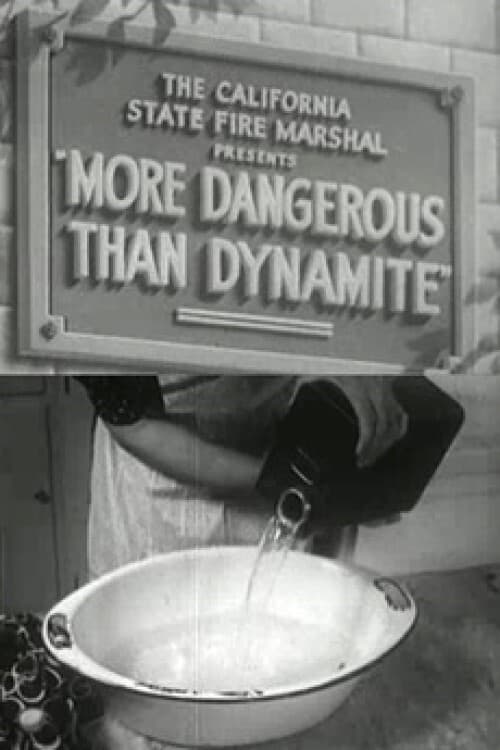
A short film warning the unaware housewife of the dangers of “dry cleaning” with gasoline at home.
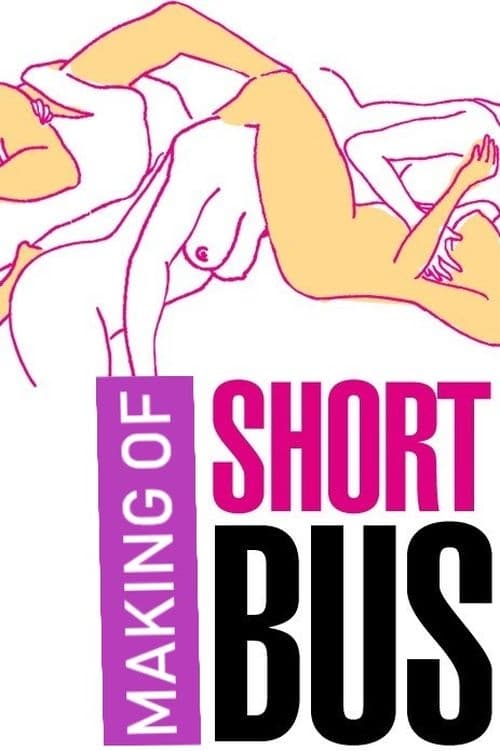
A look at the unusual process used in the making of the film Shortbus (2006) featuring interviews, behind the scenes footage and clips from the feature film. Director John Cameron Mitchell starts with the concept of using real sex in a film with a positive message. The cast of unknowns is selected from homemade audition tapes and then a callback audition workshop. More acting workshops are used to develop the characters and script. The project overcomes a number of obstacles and the rest of the film's development is followed up until its premiere at the Cannes Film Festival.
Tells the life story of a grain of wheat In Casselton, North Dakota.
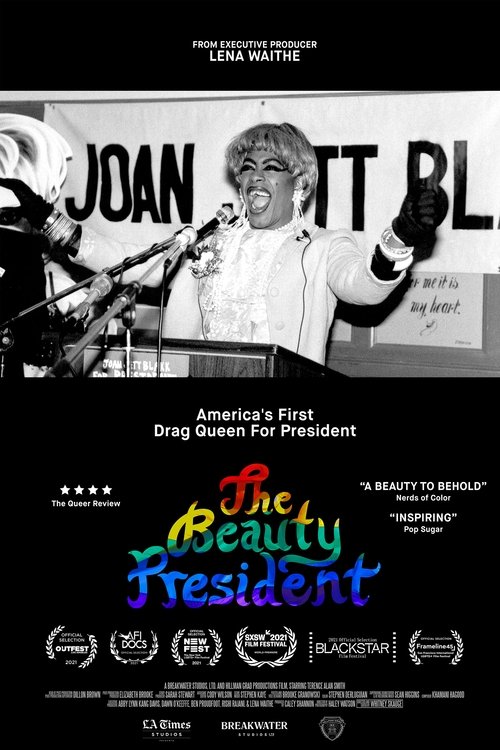
In 1992, at the height of the AIDS pandemic, activist Terence Alan Smith made a historic bid for president of the United States as his drag queen persona Joan Jett Blakk. Today, Smith reflects back on his seminal civil rights campaign and its place in American history.
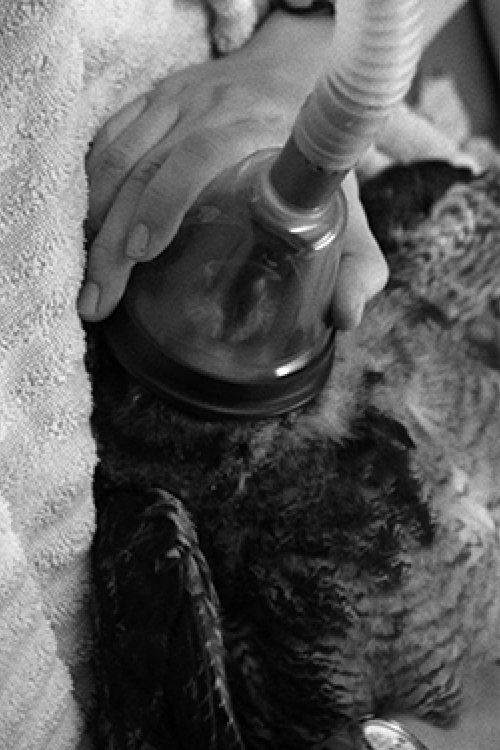
At a wildlife rehabilitation center in the Pacific Northwest, the steady, practiced, and gentle hands of veterinarians nurse dozens of convalescing animals back to health.
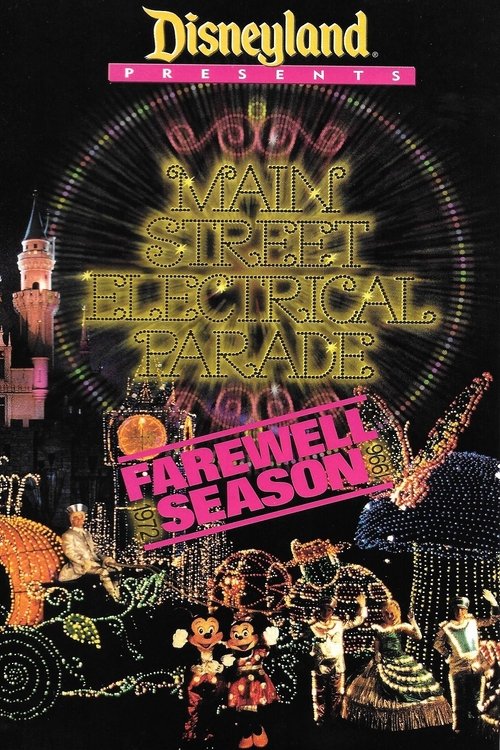
Catch the spark after dark at Disneyland Park. And say farewell to one of the Magic Kingdom's most celebrated traditions - The Main Street Electrical Parade. Where else, but in The Main Street Electrical Parade, could you see an illuminated 40-foot-long fire-breathing dragon? And hear the energy of its legendary melody one last time? It's unforgettable after-dark magic that will glow in your heart long after the last float has disappeared.
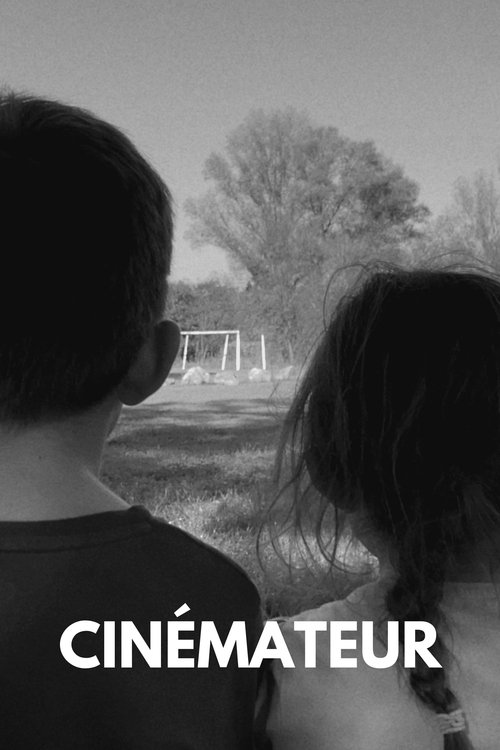
Two children are directed by a cinemaker.
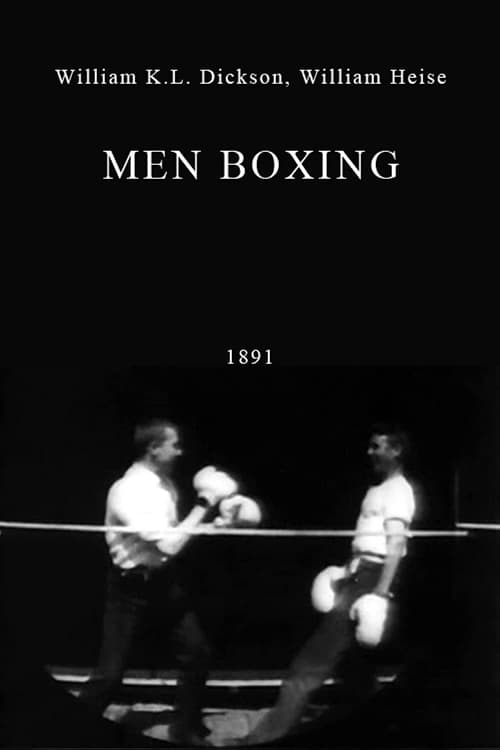
Staged boxing match between Sergeant-Instructor Barrett and Sergeant Pope, with a round, interval, and knockout.
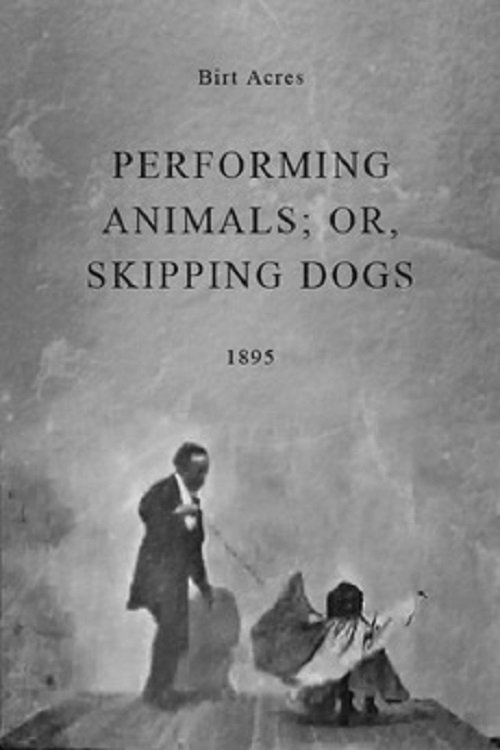
A short black-and-white silent documentary film featuring one dog jumping through hoops and another dancing in a costume, which was considered lost until footage from an 1896 Fairground Programme was identified as being from this film.
Himself