No Trailers found.
In 2011, as tens of thousands of migrants, Loss, and Madess Moussa arrived in Europe via Turkey. Required by EU law to remain in Greece, they only want one thing : to leave. Therefore earn the money needed to start is an obsession and all means are good. The film "The Adventure" follows the lives of these three Ivorians to Athens - their sense of enclosure, strategies to find money, failover illegally, attempts to start - and explores what is at stake, individually and collectively during migration: relations to other migrant communities, friendship, betrayal, solidarity, mafias and violence.
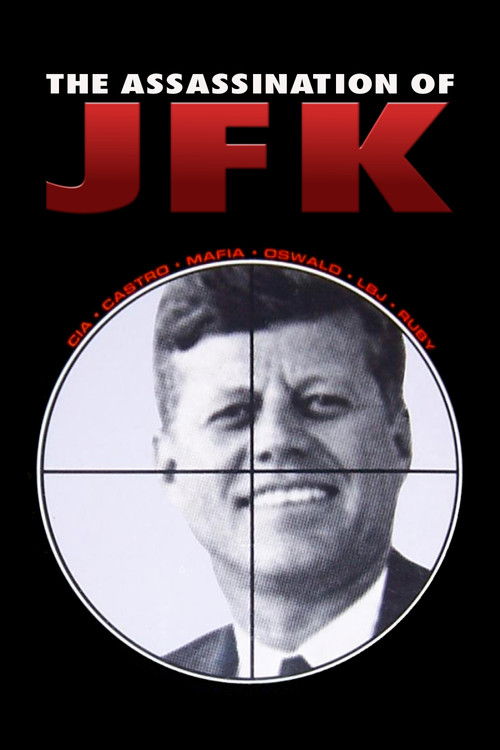
A variety of experts, authors, and reporters discuss the murder of JFK. If one were to select the ten most significant events in American history, there would be no doubt that the death of President John F. Kennedy would be among the list. This is not only because of the fact that one of America’s most visionary presidents was cut down in the prime of his life, but because for almost 60 years later after the fact, his assassination continues to be shrouded with mystery and controversy. This documentary presents the facts surrounding the events before, and after that horrific moment in Dallas, and includes interviews of those who were on the scene not only at the tragic sight of the murder of JFK but also a number of individuals who possess firsthand knowledge of everything from the politics of the day to the actual autopsy performed on the president.
No overview available.
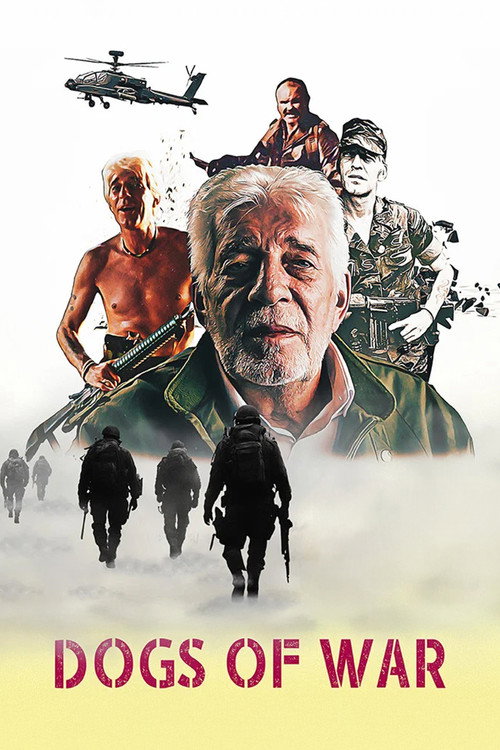
The untold true story of how Dave Tomkins, originally a safe-cracker from London, rose from small-time criminal to international mercenary and arms dealer, enabling death and destruction around the world.
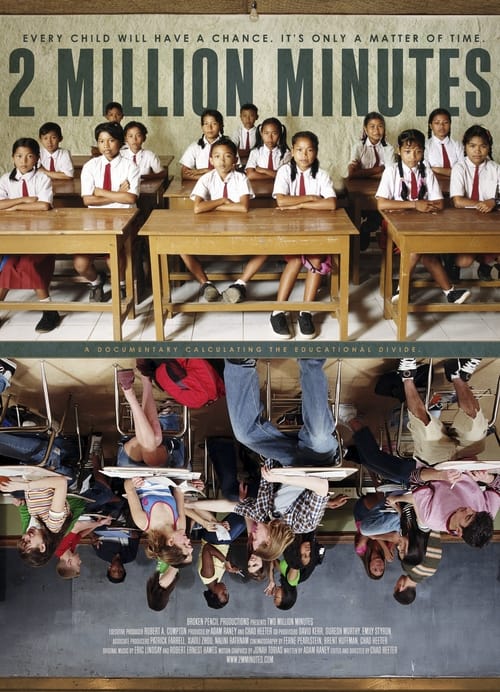
Six students from 3 Countries, USA, India and China are moving to College. They soon find themselves in a global competition and it narrows down to: Engineering and Science.
August 29, 1979, Talavera Bruce Penal Institute, Bangu, Rio de Janeiro. After serving eight years in prison, Inês Etienne Romeu, the only survivor of the "House of Death" in Petrópolis and the first political prisoner sentenced to life in prison in Brazil, left prison benefiting from Amnesty. Norma Bengell filmed this moment: from the prison door to her home with her family, Inês was welcomed by family, friends and members of the Brazilian Amnesty Committee, in what marked the first act of the historic denunciation that Inês would carry out against her tormentors and the Military Regime.
Wissam Charaf traces the recent history and identity of Lebanon through its political campaigns, PR imagery and pop videos.
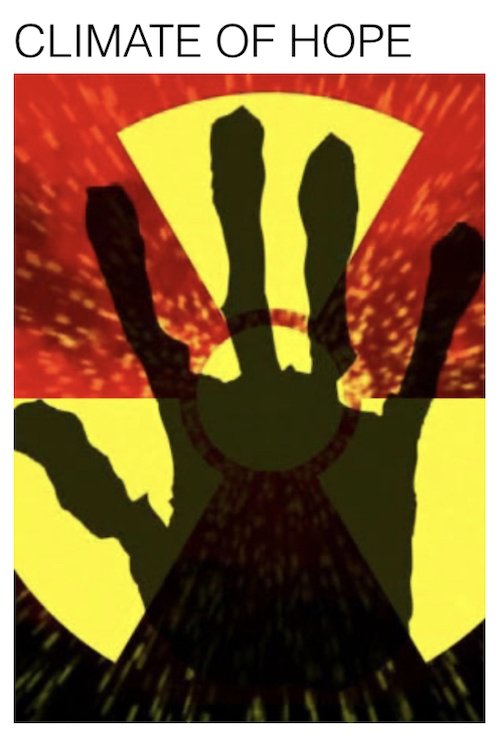
Documentary created to demystify climate change and nuclear energy. While the threat of climate change is now widely accepted in the community, the potential for a host of nuclear power stations in Australia has raised questions about the best strategy for the country to move to a low-carbon economy. This animated documentary takes viewers on a tour through the science of climate change and the nuclear fuel chain and the remarkable energy revolution that is under way.
This is the story of an ordinary man transformed by history. A simple baker from Besançon who became a political symbol of resistance. That of a France that knows how much it needs others to grow. Of working classes rejecting the siren calls of populism. He says: "I was nothing and I became a monster" to express the vertigo of his transformation. And so the baker entered politics, visited the United States in the footsteps of Martin Luther King, brought aid to the Ukrainians, and ran for legislative elections. Fearless. Fighting with all his heart. It is this inspiring, touching, and funny human epic that Pedro da Fonseca's camera followed closely, capturing his doubts, his hesitations, and his emotions.
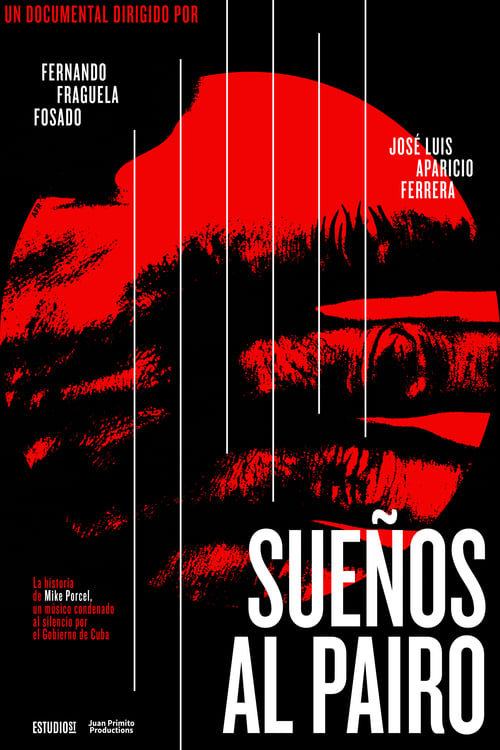
Mike Porcel is the lost member of the Cuban Nueva Trova musical movement. His lack of “revolutionary spirit” condemned him to the scorn of his peers and made him a pariah for a decade, until he managed to go into exile. Without resentment, but without forgetting, the film reconstructs his story and revives a forgotten brilliance.
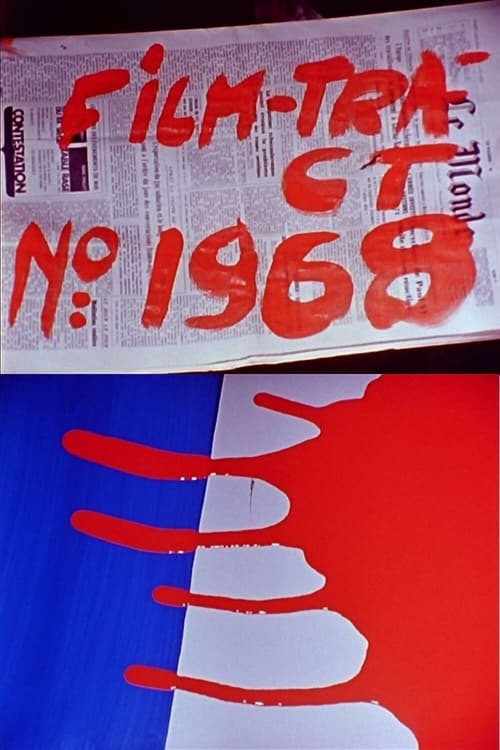
In the 1968 movement in Paris, Jean-Luc Godard made a 16mm, 3-minute long film, Film-tract No.1968, Le Rouge, in collaboration with French artist Gérard Fromanger. Starting with the shot identifying its title written in red paint on the Le Monde for 31 July 1968, the film shows the process of making Fromanger’s poster image, which is thick red paint flows over a tri-color French flag. —Hye Young Min
Paul Robeson: Here I Stand presents the life and achievements of an extraordinary man. Athlete, singer, and scholar, Robeson was also a charismatic champion of the rights of the poor working man, the disfranchised and people of color. He led a life in the vanguard of many movements, achieved international acclaim for his music and suffered tremendous personal sacrifice. His story is one of the great dramas of the 20th century, spanning an international canvas of social upheaval and ideological controversy.
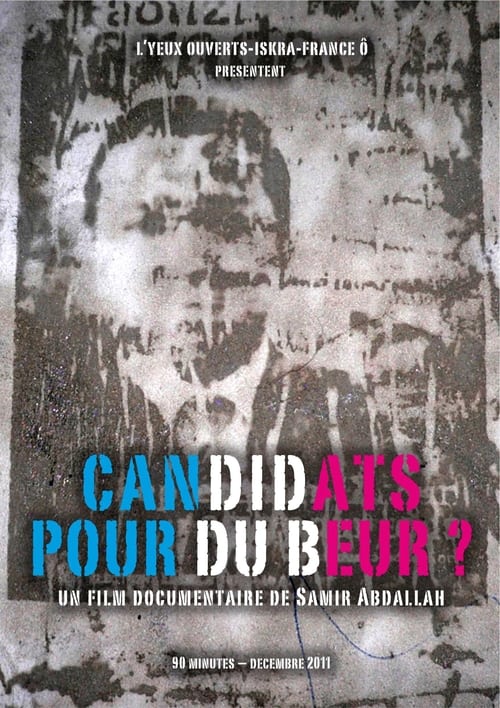
Looking back at the history of the struggle for true equality, we follow the daughters and sons of immigrant workers who have been nominated as candidates representing "diversity" in various election campaigns since the 2007 presidential election. On the ground, through meetings, debates, and more "intimate" encounters with candidates and actors from past struggles, a great diversity of thought emerges. But they all have the same goal: not to be just "candidates for Beurs." With many activists from working-class neighborhoods, from Clichy-sous-Bois to Marseille, via Roubaix, and candidates Mouloud Aounit, Kamel Hamza, Faouzi Lamdaoui, Halima Boumedienne, Omar Slaouti, Samia Ghali, Karim Zeribi, Rama Yade, and others... Will these "new faces" of the Republic be in the picture when the votes are counted, or will they simply be "candidates for the Beurs"?
On the 50th anniversary of the Cyprus Peace Operation, TRT World revisits the island's turbulent history and asks: Is there still hope for reconciliation?
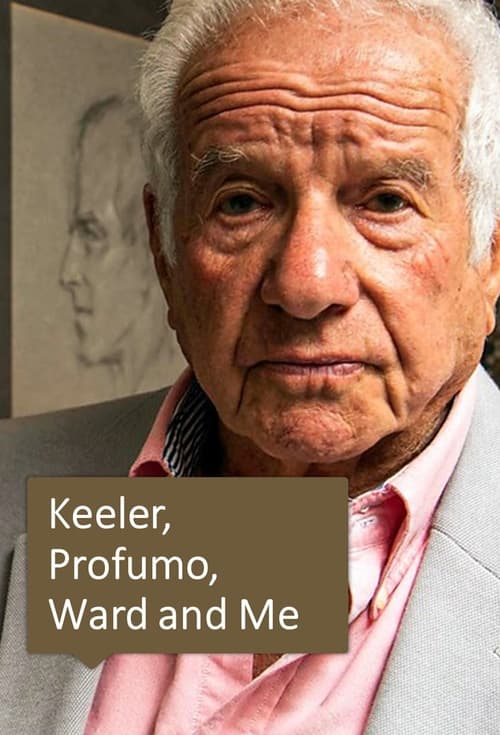
Tom Mangold's inside story of the scandal that rocked Britain, showing what it was really like to live with Stephen Ward as he became the scapegoat for the Profumo affair.
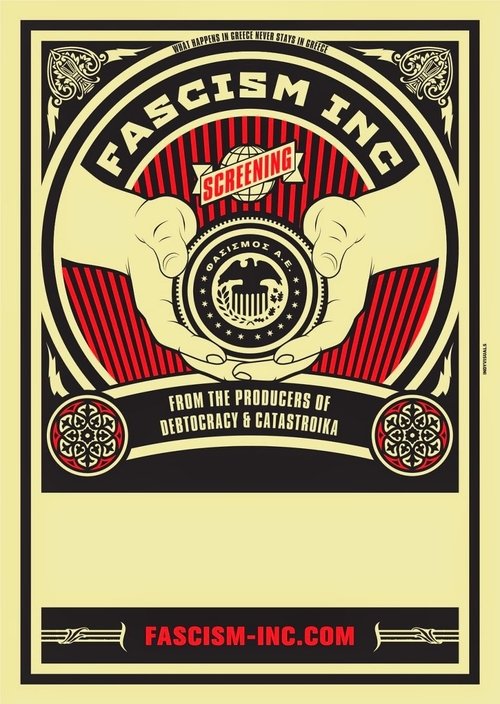
Unknown short stories from the past, the present and the future of fascism and its relation to the economic interests of each era. We will travel from Mussolini’s Italy to Greece under the Nazi occupation, the civil war and the dictatorship; and from Hitler’s Germany to the modern European and Greek fascism.
In the midst of the chaos of México City, a group of eight bachelor millennials who call themselves ´The Hermits´, open the doors to their tiny apartments in the historic Ermita Building, in the yet-to-be gentrified neighborhood of Tacubaya, and share their life experiences in a time when precarity changes the way in which we love, feel and relate to each other. As we explore the homes of these eight neighbors, we also witness their personalities intersect in a Whatsapp chat, a virtual space that functions as a supporting system that helps them face the adversities that living alone in this city brings.
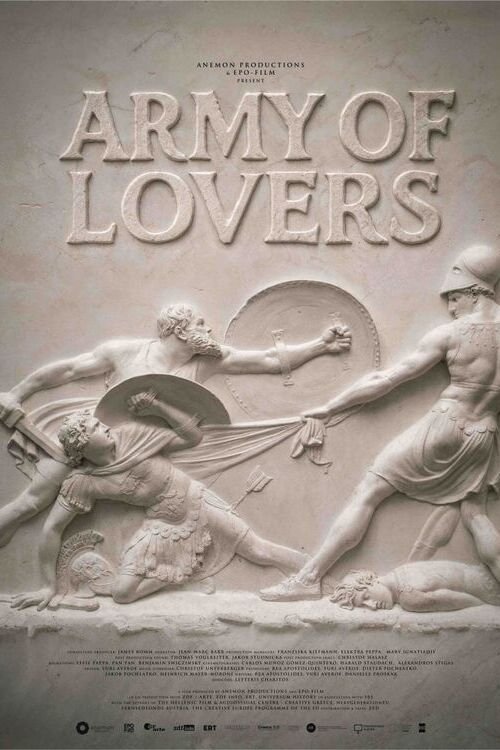
A documentary that brings to light the extraordinary story of the Sacred Band of Thebes – an elite military unit composed of 150 pairs of male lovers that became one of the most formidable forces of the ancient world. It delves into the history of this little-known chapter of classical antiquity through forensic archaeology, rare archival material, ancient art, and animation. It explores how the Sacred Band rose to prominence, met its tragic end, and continues to resonate in modern discussions of identity, heroism, and love.
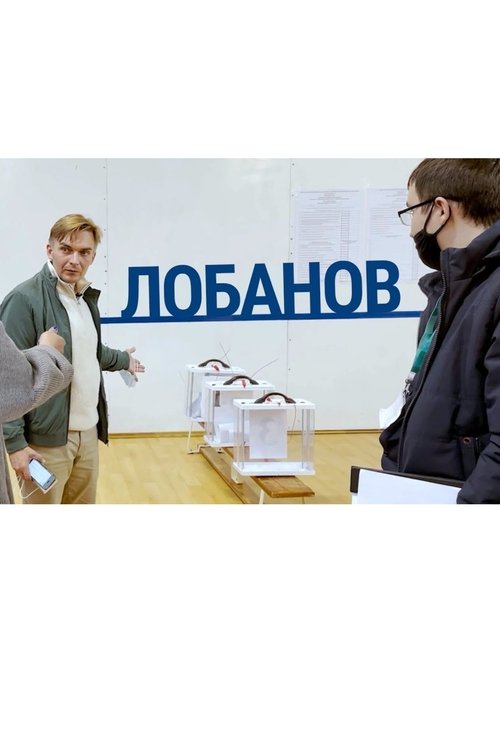
The 2021 Duma elections made Mikhail Lobanov a recognizable Moscow politician. The 37-year-old mathematician, lecturer at the Moscow State University, has long been involved in social activities: ten years ago he opposed political agitation at the university, participated in the creation of an independent association of university employees to protect their rights, and was almost fired for his activism. In 2021 elections, Lobanov ran for the Communist Party (he is not a member of the party, calls himself a democratic socialist) and waged a powerful grassroots campaign against the pro-government candidate, TV presenter Yevgeny Popov.
Five women veterans who have endured unimaginable trauma in service create a shared sisterhood to help the rising number of stranded homeless women veterans by entering a competition that unexpectedly catalyzes moving events in their own lives.
No Cast found.