No Trailers found.
No Cast found.
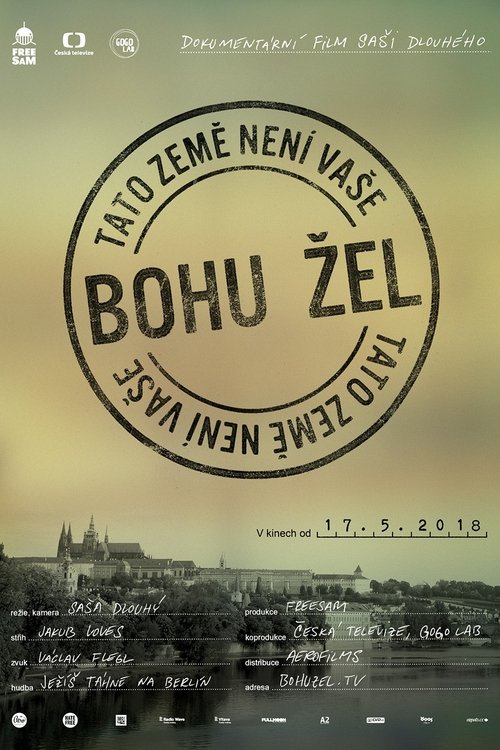
Six refugee stories experienced over several years in the Czech Republic. As a former member of the Soviet socialist bloc and now part of the European Union, the Czech Republic shows almost the greatest resistance to refugees from a pan-European perspective, without having any itself.
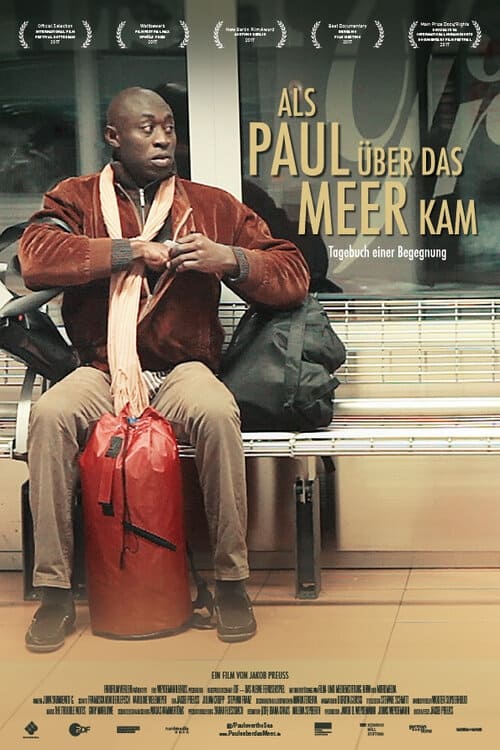
An unusual friendship in an agitated political context.
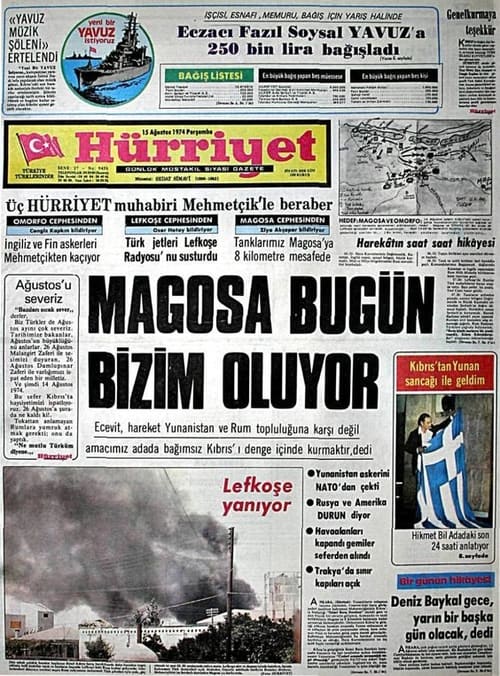
32.Day, a news classic by Mehmet Ali Birand, is with you this time with the documentary 50 Years of Cyprus!
No overview available.
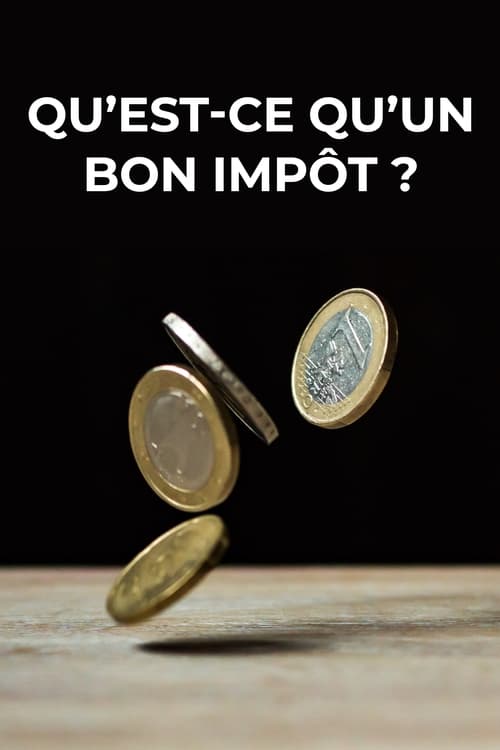
Too high, misused, unfair... a large part of the French and Europeans criticize taxes. From tax-rascal to tax revolt, the movement of yellow vests in France has returned to the center of attention the question of consent to tax. How to explain a different resistance to taxes from one country to another without tax pressure being an explanation? Is there a "good" tax? Jean Quatremer takes us on a journey to the tax center across Europe, to meet those who pay it, those who decide it, those who study it... or those who allow to avoid it.
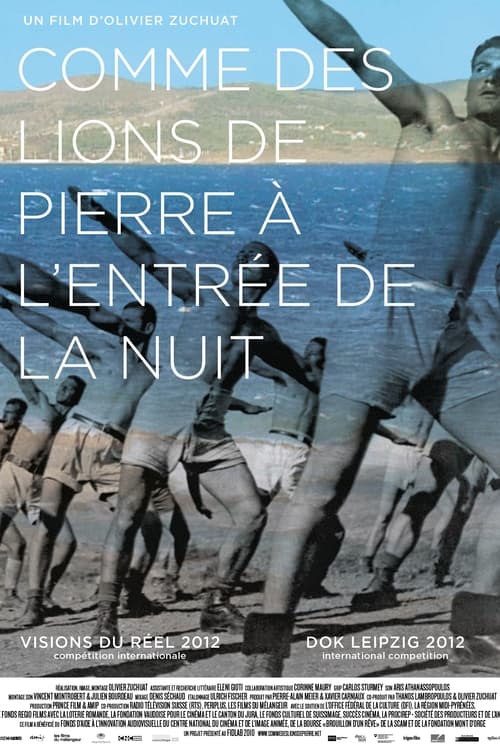
Between 1947 and 1951, more than 80 000 Greek men, women and children were deported to the isle of Makronissos (Greece) in reeducation camps created to ‘fight the spread of Communism’. Among those exiles were a number of writers and poets, including Yannis Ritsos and Tassos Livaditis. Despite the deprivation and torture, they managed to write poems which describe the struggle for survival in this world of internment. These texts, some of them buried in the camps, were later found. «Like Lions of stone at the gateway of night» blends these poetic writings with the reeducation propaganda speeches constantly piped through the camps’ loudspeakers. Long tracking shots take us on a trance-like journey through the camp ruins, interrupted along the way by segments from photographic archives. A cinematic essay, which revives the memory of forgotten ruins and a battle lost.
Unknown short stories from the past, the present and the future of fascism and its relation to the economic interests of each era. We will travel from Mussolini’s Italy to Greece under the Nazi occupation, the civil war and the dictatorship; and from Hitler’s Germany to the modern European and Greek fascism.
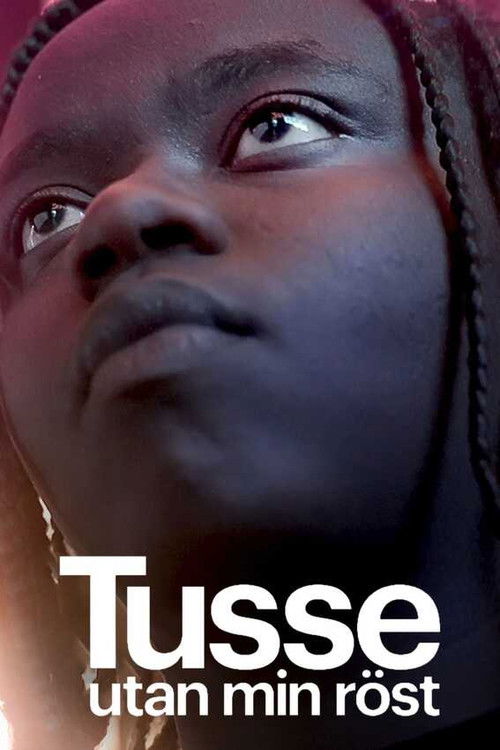
With less than a month until his Eurovision appearance Tusse must undergo a surgery that puts everything in jeopardy. Here is Tusse’s incredible life story, from Congolese refugee to winner of Swedish Idol and Melodifestivalen.
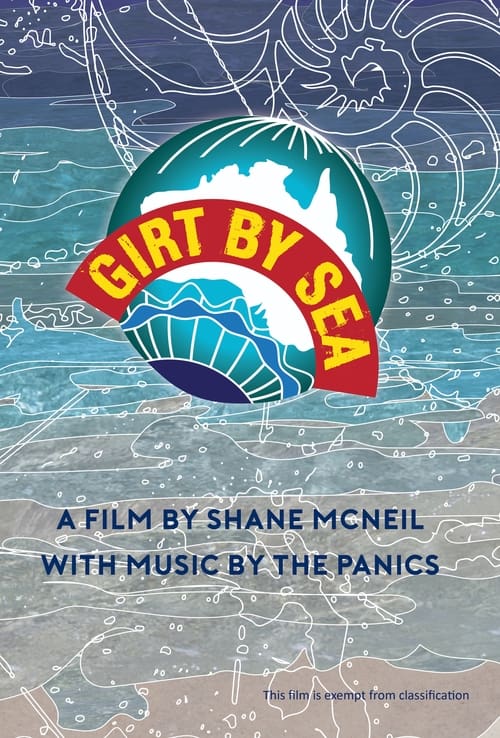
Girt By Sea is a cinematic love letter to the coastline of Australia - a poetic celebration of our connection to the sea as documented through archival footage over the past 100 years.
The events that took place at the beach of El Tarajal in Ceuta (Spain) in February 2014 - the killing by the border police of 15 people who were trying to reach the Spanish coast - are an example of how the police force can violate the laws of its own country and international conventions with total impunity. The worst part is that this violation of human rights is protected by the Spanish Ministry of Interior itself, which hinders any effective action by the prosecution. For this reason, the civil society plays a fundamental role in revealing the facts. This is where the figure of collective complaints (DESC Observatory and the association Coordinadora de Barrios) steps in.
The story of a young gay man who faced persecution due to his sexuality and made a frightening journey to the UK with just a suitcase.
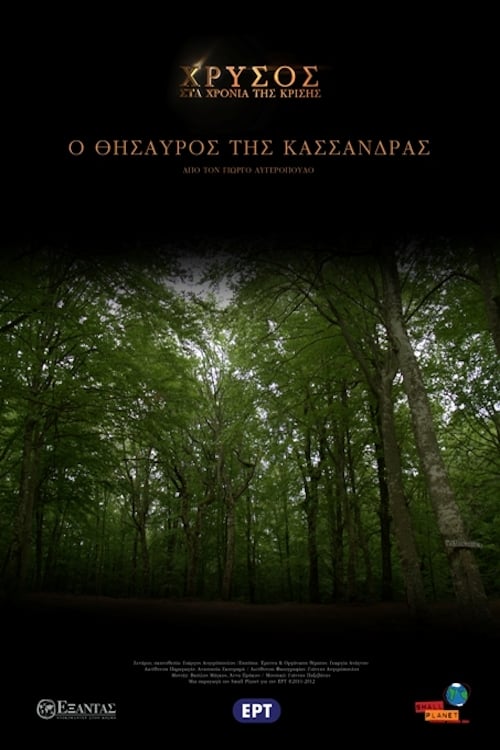
The exploitation of the country’s mineral wealth is projected as the most reasonable solution to deal with the economic crisis that plagues Greece. The Greek state has ceded its mining rights over 31.700 ha of land in northern Halkidiki, a region rich in gold, copper and other metals, to the Canadian multinational company Eldorado Gold. However, many of the region’s inhabitants, who have been resisting the construction of a goldmine for years, claim that this investment will cause irreparable damage to the environment and the benefits will be fewer than the losses. “Cassandra’s Treasure” presents a detailed picture of the modern Greek state before and during the crisis period.
Based on a poem by a Zimbabwean LGBT activist written in response to the gay hate speech that is being perpetuated president Robert Mugabe. The film was shot in South East London UK with a cast of six women from several African countries playing multiple roles in this portrayal of being a lesbian in homophobic Zimbabwe. Five of the actors and the producer are refugees who fled their countries in fear of persecution for their sexuality.
In 2011, as tens of thousands of migrants, Loss, and Madess Moussa arrived in Europe via Turkey. Required by EU law to remain in Greece, they only want one thing : to leave. Therefore earn the money needed to start is an obsession and all means are good. The film "The Adventure" follows the lives of these three Ivorians to Athens - their sense of enclosure, strategies to find money, failover illegally, attempts to start - and explores what is at stake, individually and collectively during migration: relations to other migrant communities, friendship, betrayal, solidarity, mafias and violence.
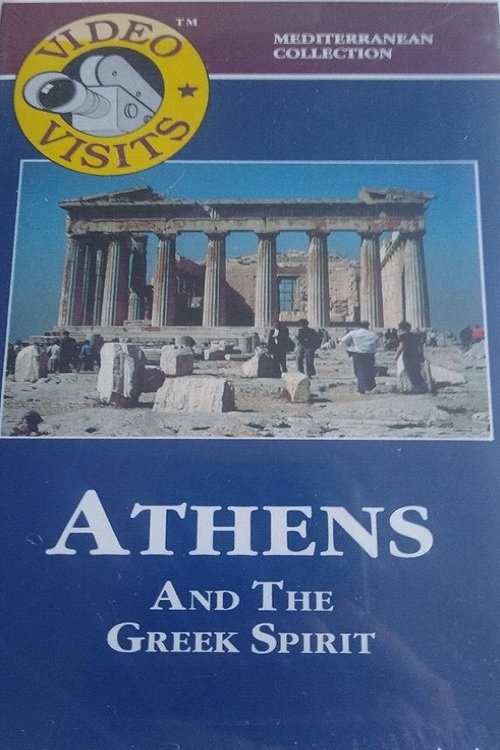
The sights of Athens and the Greek Isles are shown, including the Temple of Poseidon, city of Rhodes, the shores of Santorini, the Acropolis and the Parthenon.
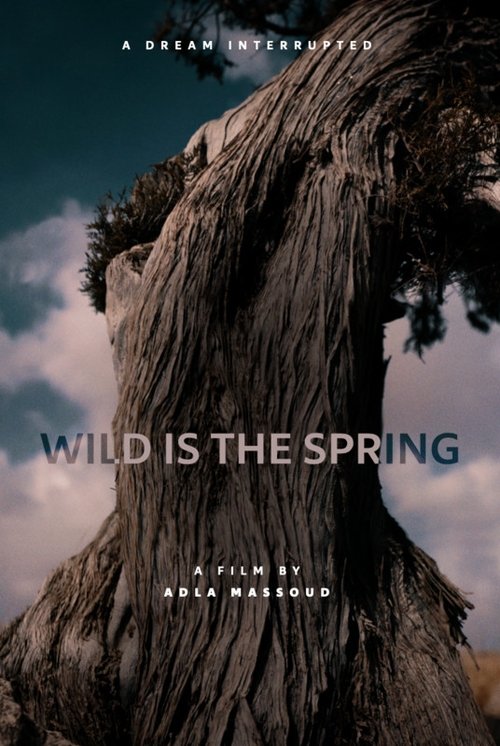
Through a series of vignettes from the ancient and war-torn Levant, WILD IS THE SPRING captures moments in the lives of diverse ethnic communities who struggle to survive when life descends into chaos.
During Summer 2000, the mayor of the Greek island of Lesbos tried to ban 26 lesbians from arriving on a package holiday from the UK; but he ended up biting off more than he could chew. This programme follows the love, lust and laughs over the course of their holiday as the women drink, dance and snog their way around the island. Despite being shadowed by the papparazi and some negative islanders, nothing can stop our women from fighting for their right to party.
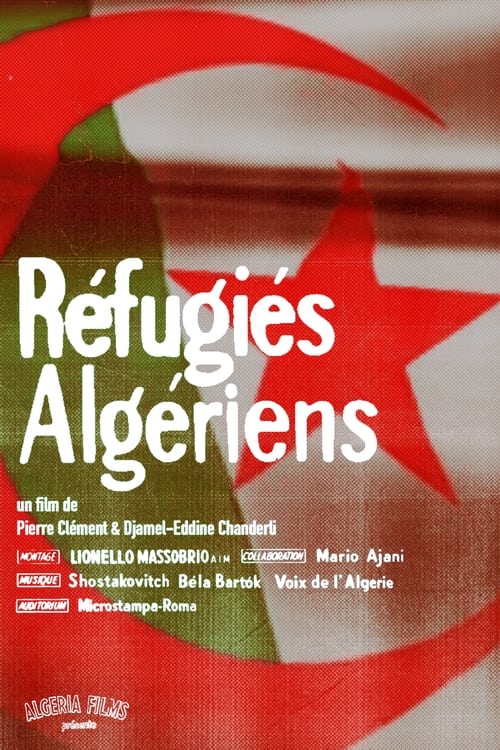
Directed by Pierre Clément and Djamel-Eddine Chanderli, produced by the FLN Information Service in 1958, this film is a rare document. Pierre Clément is considered one of the founders of Algerian cinema. In this film he shows images of Algerian refugee camps in Tunisia and their living conditions. A restored DVD version released in 2016, from the 35 mm original donated by Pierre Clément to the Contemporary International Documentation Library (BDIC).
The tragedy of the Syrian people: War, conflict, loss, migration, exile, asylum, detention, drowning… A deserted place. Abandoned people. Abandoned country. The doors slammed shot; the doors are now locked - the keys thrown away...for what seems forever.