Varosha, the only city on the world without people, the loneliest city... Varosha is a province in Cyprus that is closed with fences and unpopulated since 1974.
No Trailers found.
herself
Himself
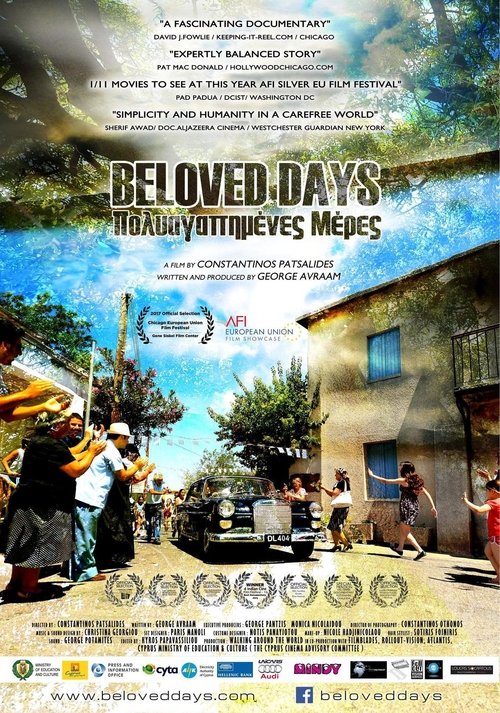
In 1970 the people of Karmi in Cyprus participate in an unprecedented experience: the shooting of the film "Beloved", with Hollywood cast and crew. This documentary functions as a kaleidoscope, transmitting images of that magical time and of the traumatic changes in their lives after the Turkish invasion. Four decades later, they revisit nostalgically those old beloved days.
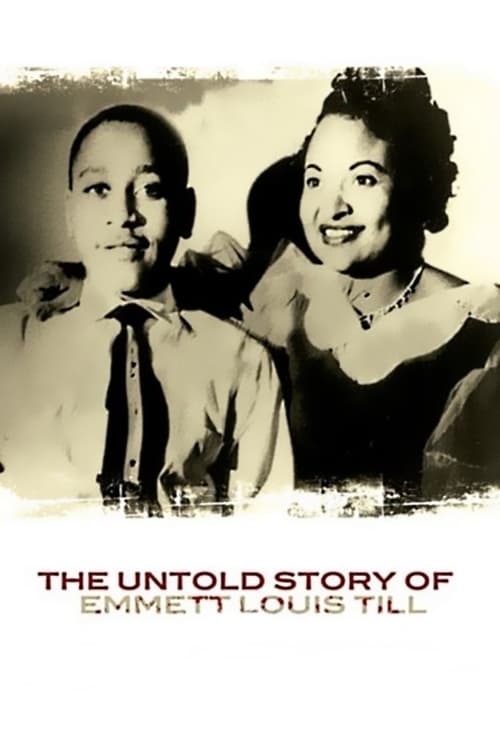
Never-before-seen testimony is included in this documentary on Emmett Louis Till, who, in 1955, was brutally murdered after he whistled at a white woman.
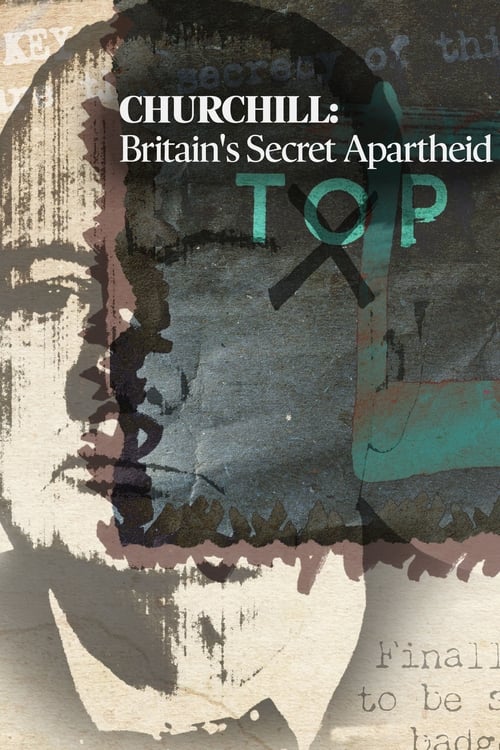
When Winston Churchill needed the help of the US Army to defeat Hitler, he made a controversial decision to allow America to bring its segregated Army to the UK. Racial tension between black and white American soldiers spilled out onto the streets of Britain, resulting in shoot-outs, riots and murders. Searching for people alive today directly impacted by the violence, the program examines its lingering impact.
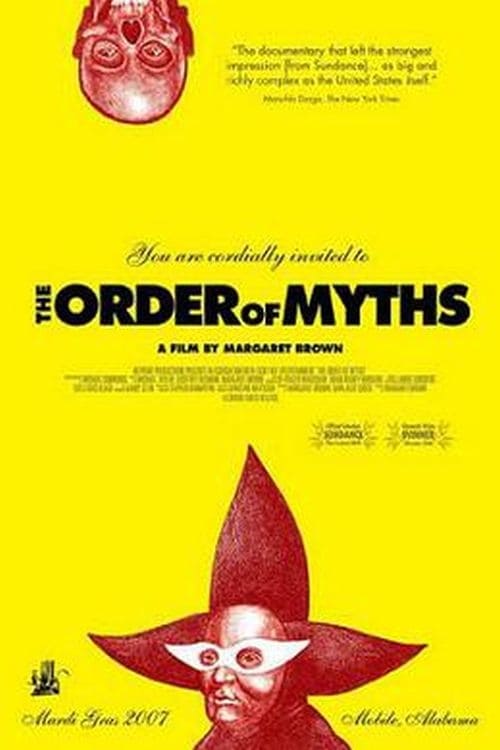
In 2007 Mobile, Alabama, Mardi Gras is celebrated... and complicated. Following a cast of characters, parades, and parties across an enduring color line, we see that beneath the surface of pageantry lies something else altogether.
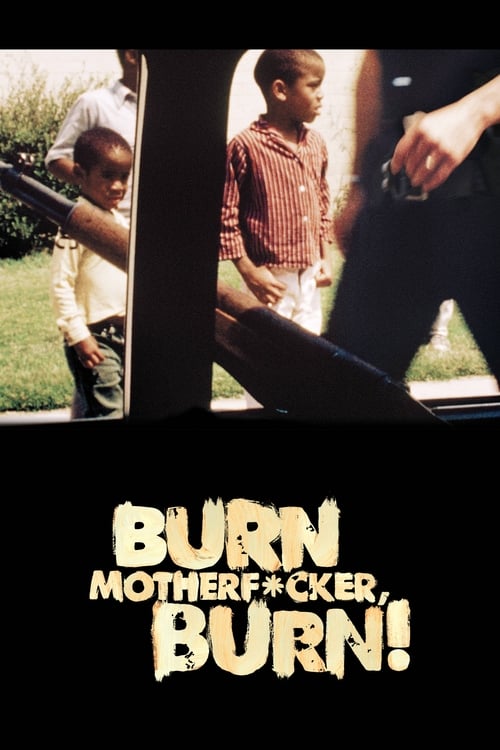
An in-depth and provocative look at the 1992 Los Angeles riots exploring the roots of civil unrest in California and the relationship between African Americans and LAPD.
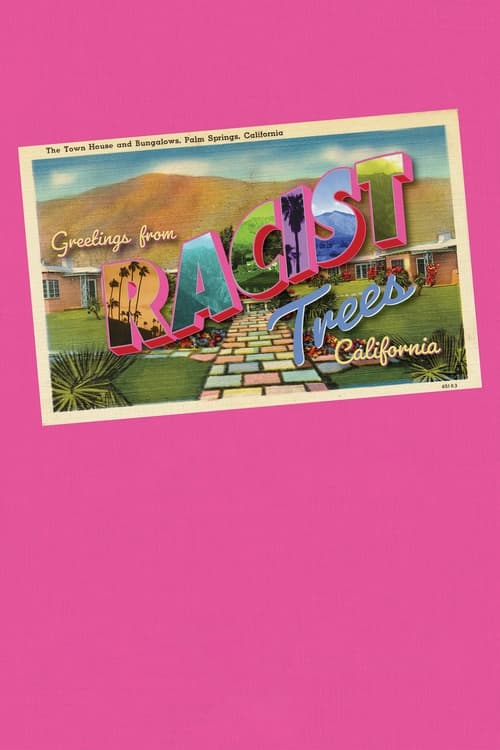
Can a tree be racist? A few years ago, debate on this issue reached as far as Fox News. The focus was a row of tamarisk trees along a huge golf course in Palm Springs, which screened off the neighborhood of Crossley Tract. This is a historically Black neighborhood, named after its founder Lawrence Crossley, who was one of the first Black residents to settle in the largely white tourist paradise, established on indigenous land over a century ago.
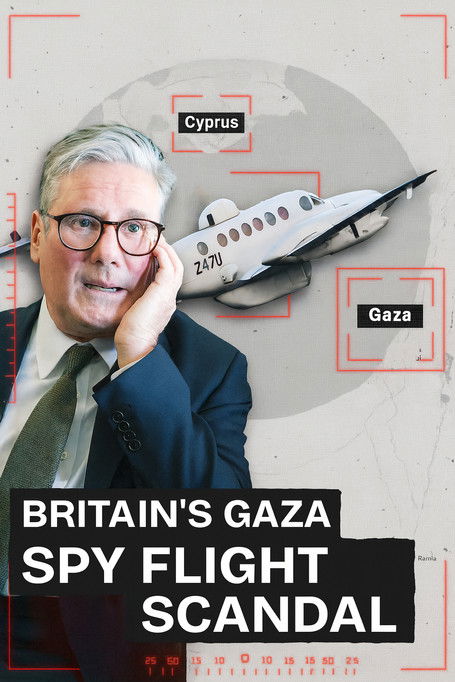
Declassified presents the first documentary about Britain's complicity in the Gaza genocide, exposing Keir Starmer's shady spy flight missions for Israel. What does a British base in Cyprus have to do with Israel's genocide in Gaza? Declassified travelled to this Mediterranean island to investigate the hundreds of spy flights Keir Starmer has sent over Gaza, that coincided with Israeli airstrikes and the killing of British aid workers We go where the British media and military experts have refused to look and ask whether this scandal could put Keir Starmer in The Hague.
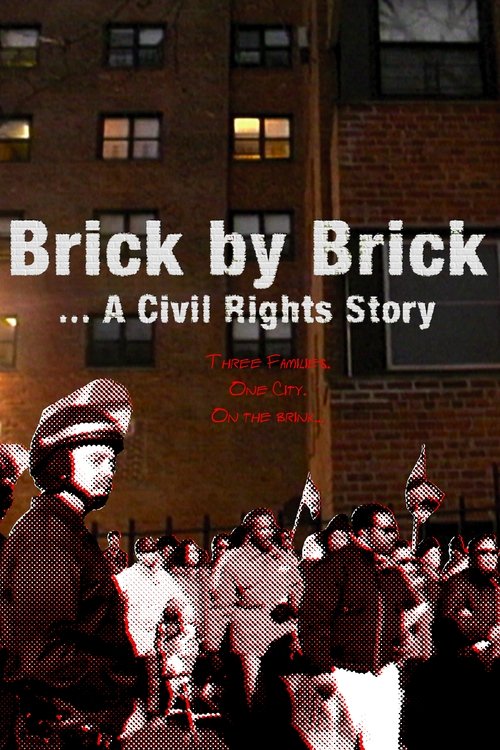
The real life story of the events surrounding the fight for and against public housing and racial integration in Yonkers, New York in the 1980s as portrayed in the HBO miniseries Show Me a Hero.
Turkey's history has been shaped by two major political figures: Mustafa Kemal (1881-1934), known as Atatürk, the Father of the Turks, founder of the modern state, and the current president Recep Tayyıp Erdoğan, who apparently wants Turkey to regain the political and military pre-eminence it had as an empire under the Ottoman dynasty.
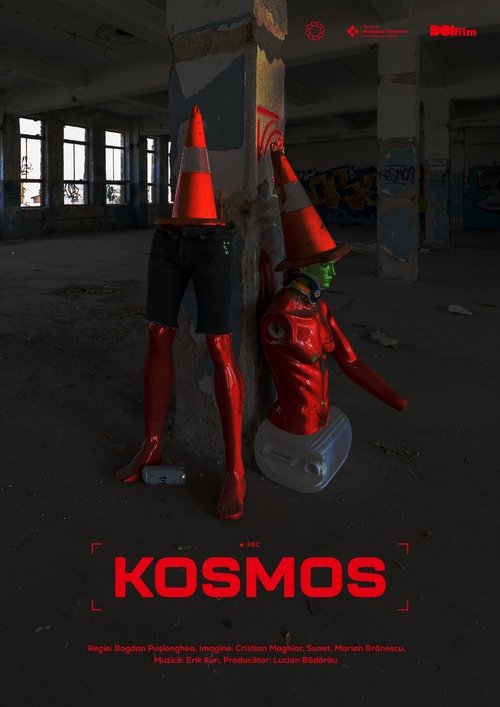
A documentary about the Kosmos collective in Timisoara: a self-organized group of artists, curators, and musicians who revived a former textile factory.
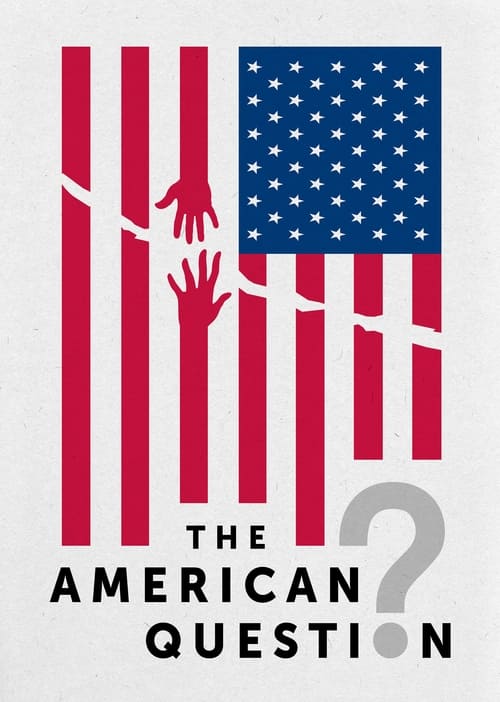
An 8-year journey into divided America, The American Question examines the insidious roots of polarization and distrust through past the past and present, revealing how communities can restore trust in each other to unite our country.
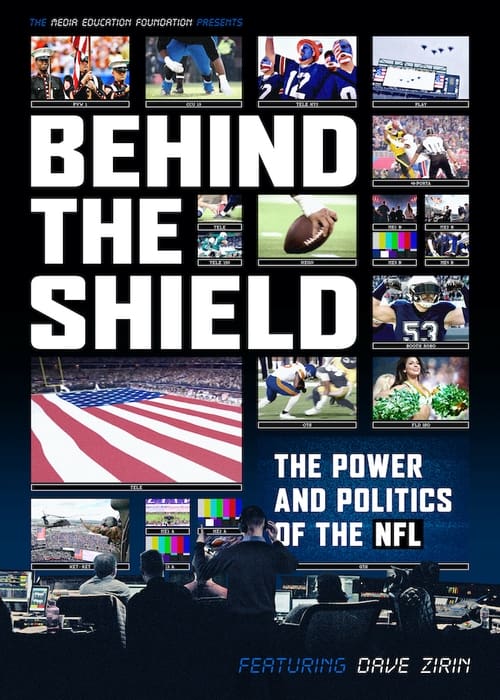
Celebrated author and Nation magazine sports editor Dave Zirin tackles the myth that the NFL was somehow free of politics before Colin Kaepernick and other Black NFL players took a knee.
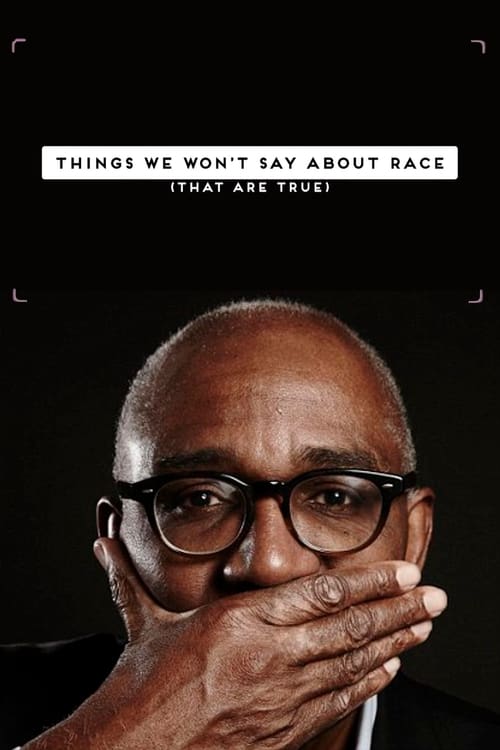
Trevor Phillips confronts some uncomfortable truths about racial stereotypes, as he asks if attempts to improve equality have led to serious negative consequences.
A look at three U.S. cities, which were part of many communities that violently forced African American families to flee in post-reconstruction America.
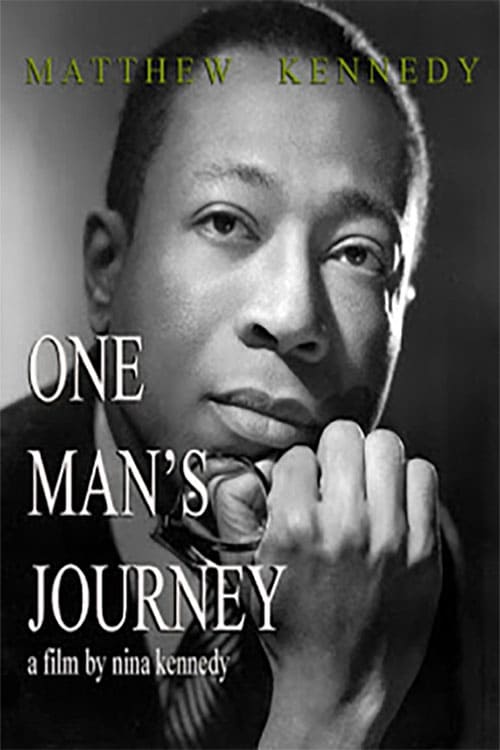
A documentary on the life of Matthew Kennedy, one of the first internationally acclaimed African American concert pianists, and former director of the Fisk Jubilee Singers of Nashville, Tennessee. The film contains footage of interviews with Dr. Kennedy, live performances, radio broadcasts, studio recordings, and interviews with his former students and colleagues. Born in the segregated South in 1921, Matthew Kennedy was known throughout his home state of Georgia as a child-prodigy. At age 12 he attended a concert given by the famous Russian pianist Sergei Rachmaninoff in Macon, Georgia in 1932. Kennedy describes what he remembers of the concert from his perspective in the segregated balcony for “Colored.” He was also the star of his own radio show in the early 1930s. At that time, Kennedy's stage name on radio and in the cinema – where he played the organ to accompany the silent films – was “Sunshine.”
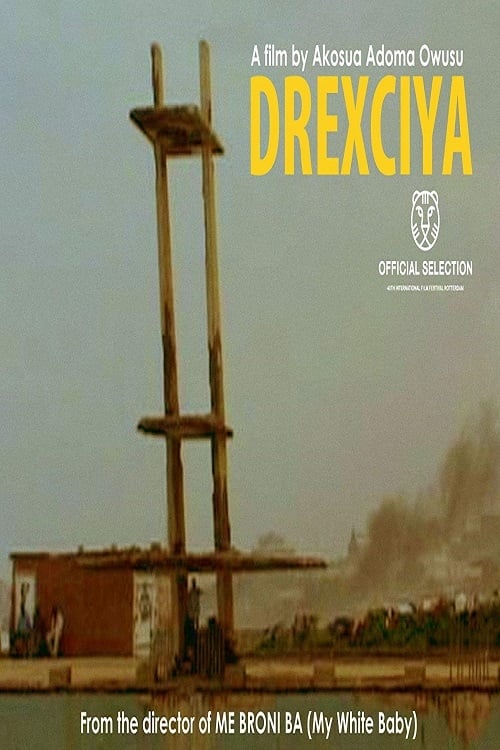
A portrait of a dilapidated Olympic-sized pool in Accra, Ghana.
Report on vandalism
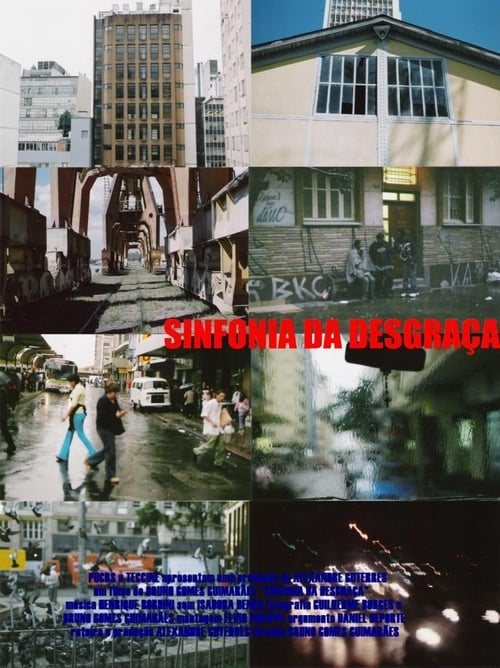
An urban symphony about all the evils that affect contemporary societies.
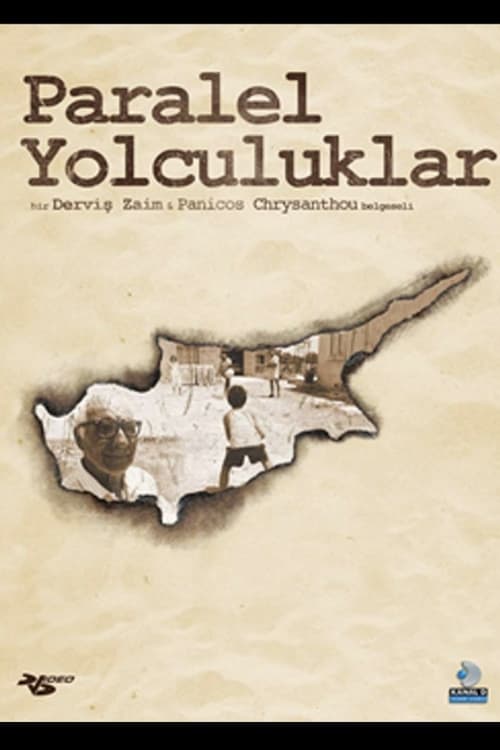
Turkish and Greek islanders talk about their losses and their experience of shifting residences across to the north and to the south post-1974. In this Turkish and Greek Cypriot joint production, Zaim and Chrysanthou deal with extremely sensitive socio-historical material successfully.
A short history of the island is followed by views of the countryside and people in town and village.