No Trailers found.
Police inspector Sciarra, struggling with an identity crisis, and Domenica, an orphan who would like to know about her mother, spend one day together along the streets of Naples. It's Sciarra's last day of work and he has to take Domenica to the morgue, to identify a man who might have raped her. To Domenica, Sciarra is a father she never had, to him she is the daughter he couldn't have.
No overview available.
A group of people are standing along the platform of a railway station in La Ciotat, waiting for a train. One is seen coming, at some distance, and eventually stops at the platform. Doors of the railway-cars open and attendants help passengers off and on. Popular legend has it that, when this film was shown, the first-night audience fled the café in terror, fearing being run over by the "approaching" train. This legend has since been identified as promotional embellishment, though there is evidence to suggest that people were astounded at the capabilities of the Lumières' cinématographe.
Charismatic auto executive Sergio Marchionne saved Fiat from bankruptcy in 2004 and took control of failing Chrysler in 2009, merging both companies to create the world's seventh-largest vehicle manufacturer.
In a small, conservative Scottish village, an oilman is paralyzed in an accident. His wife, who prayed for his return, feels guilty; even more, when he urges her to have sex with another.
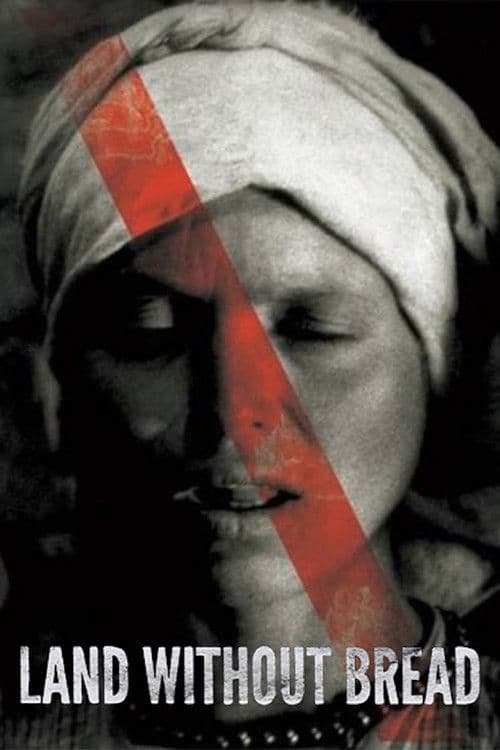
An exploration —manipulated and staged— of life in Las Hurdes, in the province of Cáceres, in Extremadura, Spain, as it was in 1932. Insalubrity, misery and lack of opportunities provoke the emigration of young people and the solitude of those who remain in the desolation of one of the poorest and least developed Spanish regions at that time.
Images complement what is always lacking in words. The poems complement what is always present in the city. Freely inspired by the poetry Cidade City Cité, by Augusto de Campos.
A frivolous middle aged socialite is suddenly put upon to have her daughter live with her. Her conniving paramour dumps her for the daughter, leaving the young boyfriend crushed.
In the winter of 1959, a single mother and her young daughter arrive in a rural French town, where they open an unusual chocolate shop that disrupts the moral fiber of the strictly Catholic townsfolk and mayor.
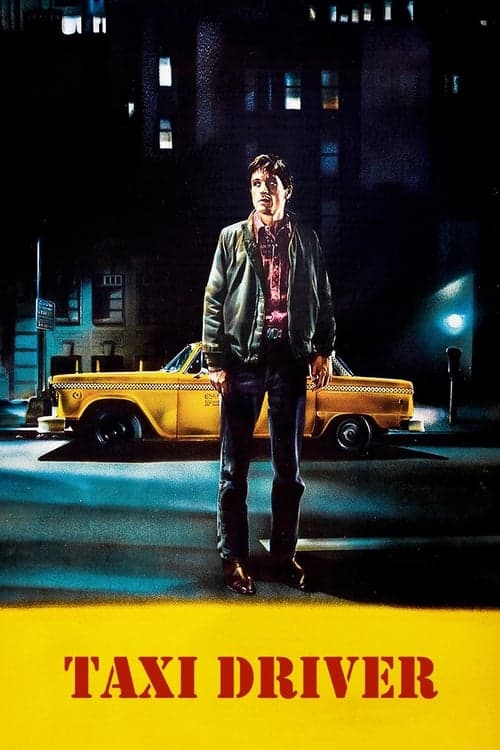
Suffering from insomnia, disturbed loner Travis Bickle takes a job as a New York City cabbie, haunting the streets nightly, growing increasingly detached from reality as he dreams of cleaning up the filthy city.
The wife of a famous composer survives a car accident that kills her husband and daughter. Now alone, she shakes off her old identity and explores her newfound freedom but finds that she is unbreakably bound to other humans, including her husband’s mistress, whose existence she never suspected.
Polish immigrant Karol Karol finds himself out of a marriage, a job and a country when his French wife, Dominique, divorces him after six months due to his impotence. Forced to leave France after losing the business they jointly owned, Karol enlists fellow Polish expatriate Mikołaj to smuggle him back to their homeland.
In barely a century, French peasants have seen their world profoundly turned upside down. While they once made up the vast majority of the country, today they are only a tiny minority and are faced with an immense challenge: to continue to feed France. From the figure of the simple tenant farmer described by Emile Guillaumin at the beginning of the 20th century to the heavy toll paid by peasants during the Great War, from the beginnings of mechanization in the inter-war period to the ambivalent figure of the peasant under the Occupation, From the unbridled race to industrialization in post-war France to the realization that it is now necessary to rethink the agricultural model and invent the agriculture of tomorrow, the film looks back at the long march of French peasants.
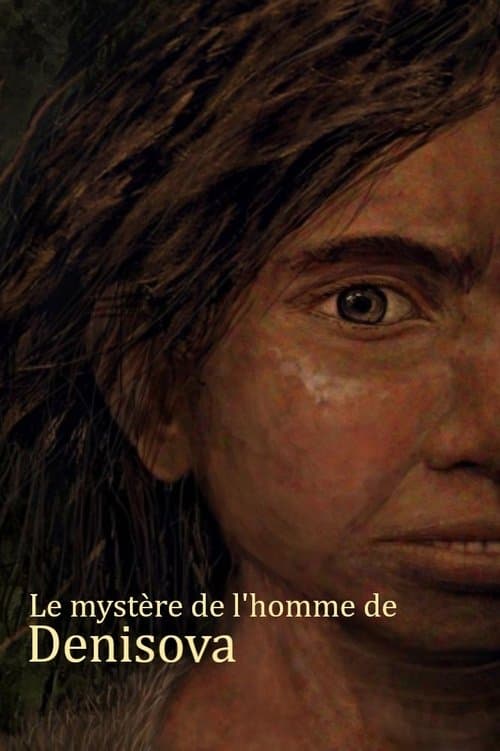
The Mandrin Cave in the Rhône Valley is a fascinating excavation site. Archaeologist Ludovic Slimak discovered fossils and flints here, proving that Neanderthals inhabited the cave for over 80,000 years. The first Neanderthal in France for half a century was also unearthed in the cave: He was given the name Thorin.
Two years after the fall of Goguryeo's Pyongyang Castle, slave-turned-warrior Chil-seong, also known as Red Wolf, has lost his memory and gets caught up in a brutal conflict between factions over the sword of Godumakhan, a fabled sword in the kingdom of Goguryeo.
In the final days of the American Civil War, an emigre Hungarian military officer attempts to map the situation of the enemy. Many veterans of the 1848 War of Independence in Hungary fought on the northern side. Experienced Fiala, Boldogh who struggles with homesickness and the reckless Vereczky all experience their enforced emigration in different ways and news of impending peace elicits different reactions from them all.
The true story of how businessman Oskar Schindler saved over a thousand Jewish lives from the Nazis while they worked as slaves in his factory during World War II.
Loosely based on the true story of the killing of Kitty Genovese: A young woman's murder is witnessed by fifteen of her neighbors who do nothing to help and refuse to cooperate with the police.
In Paris, the story of three women on the verge of mental collapse and suicide.
No Cast found.