Key decision makers reveal the inside story of how the West was drawn ever deeper into the Afghan war. Reporter John Ware charts the history of a decade of fighting and looks at when the conflict may end.
Himself - Reporter
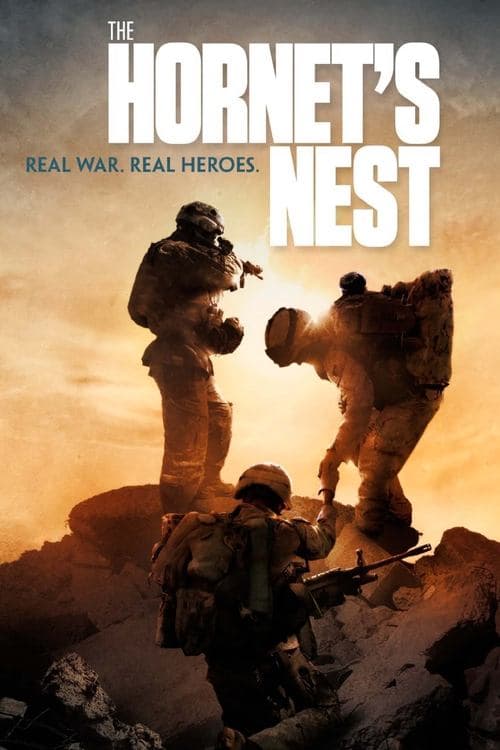
Armed only with their cameras, Peabody and Emmy Award-winning conflict Journalist Mike Boettcher, and his son, Carlos, provide unprecedented access into the longest war in U.S. history: they are embed with U.S. troops during nine days of intense combat in Afghanistan.
The Kabul National Museum, once known as the "face of Afghanistan," was destroyed in 1993. We filmed the most important cultural treasures of the still-intact museum in 1988: ancient Greco-Roman art and antiquitied of Hellenistic civilization, as well as Buddhist sculpture that was said to have mythology--the art of Gandhara, Bamiyan, and Shotorak among them. After the fall of the Democratic Republic of Afghanistan in 1992, some seventy percent of the contents of the museum was destroyed, stolen, or smuggled overseas to Japan and other countries. The movement to return these items is also touched upon. The footage in this video represents that only film documentation of the Kabul Museum ever made.
In the summer of 2001 the Taliban strategically captured 24 Shelter Now International Aid hostages that captured the attention of the world for more than three months. With representatives from the United States, Australia, Germany and Afghanistan, the Taliban set out to create an insurance policy against the pending attacks of September 11th. What transpired through their story was an overwhelming journey of faith, grace and endurance. Based on the true story as told by the captives, Kabul 24 captures the gantlet of their 105 days in captivity and the cruel treatment of the Muslim co-workers at the hands of the Taliban who accused them of converting to Christianity. Revisit their journey from the grueling interrogation to their sham "trial" before the Taliban Supreme Court, to the dangers endured during the bombing of Kabul and a crushing sense that the world had abandoned them.
Afghan documentary maker Najiba Noori offers not only a loving and intimate portrait of her mother Hawa, but also shows in detail how the arduous improvement of the position of women is undone by geopolitical violence. The film follows the fortunes of Noori’s family, who belong to the Hazaras, an ethnic group that has suffered greatly from discrimination and persecution.
Mark Urban tells the inside story of Britain's fight for Helmand, told with unique access to the generals and frontline troops who were there.
"No Book This Year" tells the story of Yalda, a former staff member of Afghanistan's booth at the Frankfurt Book Fair. Years after the booth's closure, Yalda takes it upon herself to independently relaunch Afghanistan's presence at the fair. Despite numerous challenges and obstacles, her unwavering determination to showcase Afghan literature and culture shines through, illustrating the resilience of the human spirit in preserving cultural heritage.
This documentary on the effect the talent competition "Afghan Star" has on the incredibly diverse inhabitants of Afghanistan affords a glimpse into a country rarely seen. Contestants risk their lives to appear on the television show that is a raging success with the public and also monitored closely by the government.
A poignant story about overcoming our demons and finding hope through darkness. Haunted by the affects of PTSD induced by fighting a war, the physical injuries that led to copious amounts of opiates, the emotional strain of his squad leader committing suicide, losing his best friend from overdosing on heroin, all combined with his drug addiction ultimately left Shawn losing all hope in life.
Unfolding over 18 monumental days in August 2021, this deeply immersive and emotional documentary combines never-before-seen archival footage from those on the ground at the airport with exclusive interviews with people who were there throughout the period, including Afghan citizens attempting to flee, U.S. Marines tasked with managing the evacuation, and Taliban commanders and fighters who had recently taken the city.
In 1960, acclaimed filmmaker James Ivory traveled to Afghanistan to shoot scenes for a documentary that was never completed. In 2022, he decided to revisit this unique footage, which takes him back to his adventurous youth.
16 Days in Afghanistan is a documentary that documents the state of Afghan people after the fall of the Taliban.
In 1989, Swedish journalist, Khazar Fatemi narrowly fled the war torn country of Afghanistan with her life. Twenty years later, the former refugee returned to the place that has always remained in her heart. Where My Heart Beats follows Khazar's dangerous, painful, and inspirational journey back home to reconnect with the amazing people of this broken nation.
Korengal picks up where Restrepo left off; the same men, the same valley, the same commanders, but a very different look at the experience of war.
The friendship between Christophe de Ponfilly and Commander Massoud, a legendary figure of the Afghan resistance against the Soviet invader, goes back to the filmmaker's first film, "A Valley Against an Empire", made in 1981. Fifteen years later, weakened, isolated, betrayed by many of his own, the "Lion of Panshir" has not surrendered to his new and implacable enemies, the Taliban. While preparing his next offensive, he evokes his commitment and his fights, and bears witness to a history in which he has been one of the main actors for twenty years. At the same time, the director questions the role and power of the media, as well as his own approach as a filmmaker. Commander Massoud was killed in an attack in September 2001.
Fidelis Cloer is a self-confessed war profiteer who found The Perfect War when the US invaded Iraq. It wasn't about selling a dozen cars, or even a hundred, it was a thousand-car war where security would become the ultimate product.
The story of Shaista, a young man who—newly married to Benazir and living in a camp for displaced persons in Kabul—struggles to balance his dreams of being the first from his tribe to join the Afghan National Army with the responsibilities of starting a family. Even as Shaista’s love for Benazir is palpable, the choices he must make to build a life with her have profound consequences.
The story of the last months of the 20-year war in Afghanistan through the intimate relationship between American Green Berets and the Afghan officers they trained.
No overview available.
French documentarist Sonia Kronlund follows actor and director Salim Shaheen, an Afghan movie star who produced more than 110 low-budget movies in a country devastated by war.
A powerful and poignant film in which families and friends of those who have died fighting in Afghanistan and Iraq talk openly about their loved ones and their grief. Epic in scale and spanning seven years of war, this landmark three-hour film gives a rare insight into the personal impact and legacy of this loss.
No Trailers found.