war on drugs
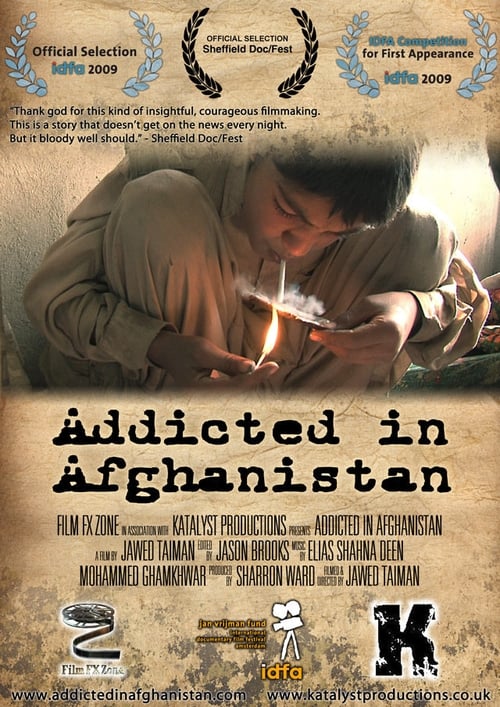
An intimate and uncompromising portrayal, filmed over a year, of the day to day struggles of a new generation of children addicted to heroin, trying to find their way in the new Afghanistan.
No Trailers found.
No Cast found.
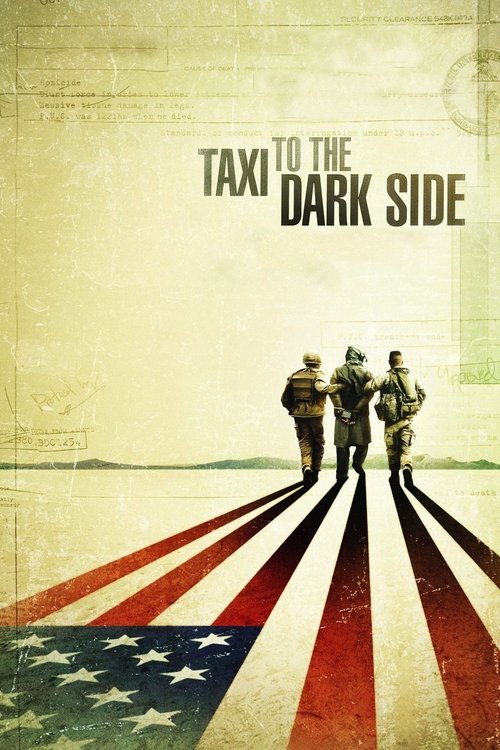
An in-depth look at the torture practices of the United States in Afghanistan, Iraq and Guantanamo Bay, focusing on an innocent taxi driver in Afghanistan who was tortured and killed in 2002.
An intimate look at the Woodstock Music & Art Festival held in Bethel, NY in 1969, from preparation through cleanup, with historic access to insiders, blistering concert footage, and portraits of the concertgoers; negative and positive aspects are shown, from drug use by performers to naked fans sliding in the mud, from the collapse of the fences by the unexpected hordes to the surreal arrival of National Guard helicopters with food and medical assistance for the impromptu city of 500,000.
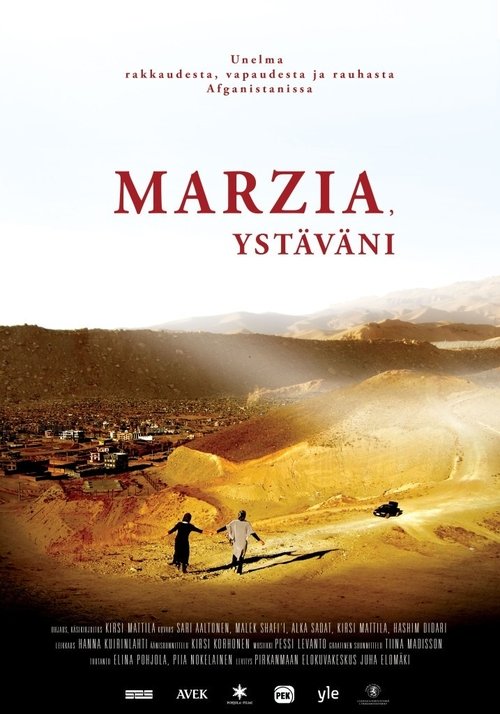
Marzia, My Friend is the story of an Afghan woman in her twenties, who like all young people dreams of love, freedom and an interesting job. She dreams of peace and independence, but because she lives in Afghanistan, her dreams are revolutionary. Ultimately Marzia’s story becomes a symbol of the wider struggle of Afghan women: it is about the right to make decisions about your own life. The film follows Marzia’s life from spring 2011 to the end of 2014, when international troops were due to leave Afghanistan.
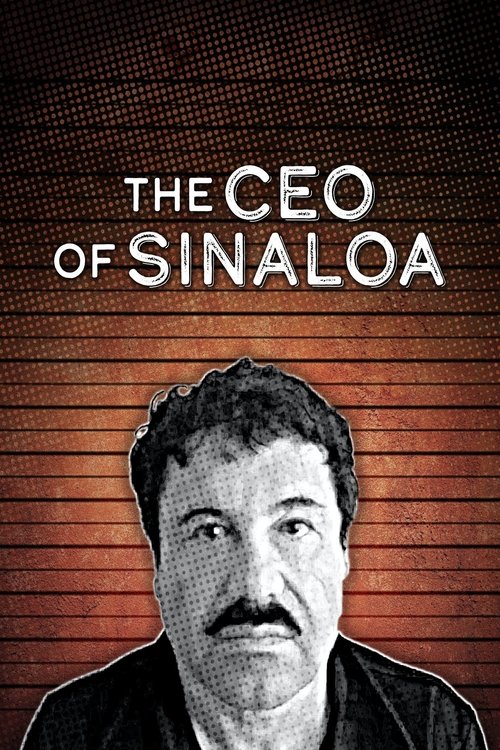
The CEO of Sinaloa takes an objective, in-depth, and original approach to the story of Joaquín "El Chapo" Guzmán, the head of a violent, criminal drug empire known as the Sinaloa Cartel. We tell the story through a business lens, breaking down the business models used by the Sinaloa Cartel to become one of the wealthiest organizations on the planet. Our film will focus on cartel strategies in terms of distribution, accounting, branding, mergers and acquisitions, human resources, termination, and of course - product. But we will never lose sight of the terrible violence this organization employed to reach its success.
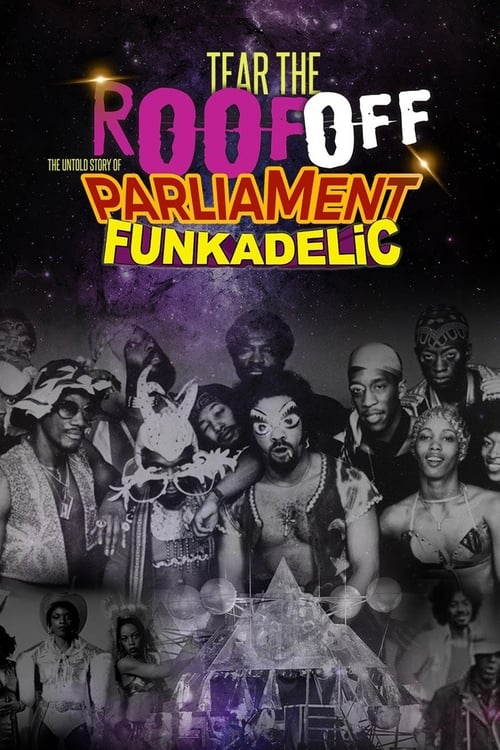
The untold true story: The rise and fall of the greatest funk band ever, Parliament Funkadelic.
Key decision makers reveal the inside story of how the West was drawn ever deeper into the Afghan war. Reporter John Ware charts the history of a decade of fighting and looks at when the conflict may end.
Mark Urban tells the inside story of Britain's fight for Helmand, told with unique access to the generals and frontline troops who were there.
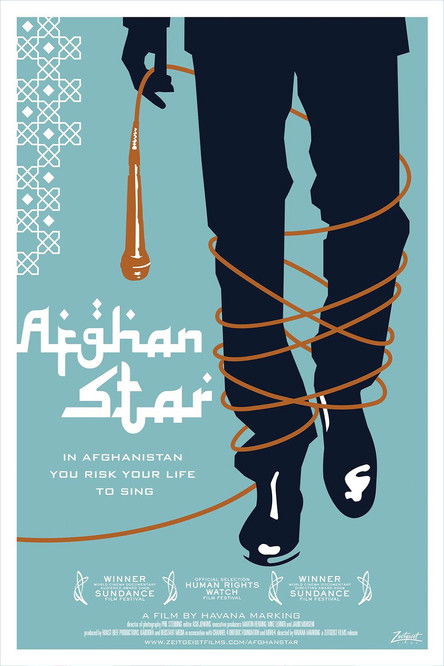
This documentary on the effect the talent competition "Afghan Star" has on the incredibly diverse inhabitants of Afghanistan affords a glimpse into a country rarely seen. Contestants risk their lives to appear on the television show that is a raging success with the public and also monitored closely by the government.
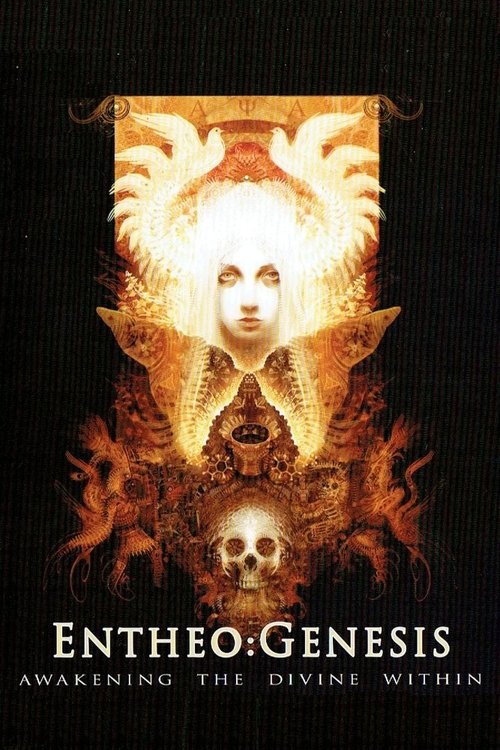
A feature length documentary which invites the viewer to rediscover an enchanted cosmos in the modern world by awakening to the divine within. The film examines the re-emergence of archaic techniques of ecstasy in the modern world by weaving a synthesis of ecological and evolutionary awareness,electronic dance culture, and the current pharmacological re-evaluation of entheogenic compounds.
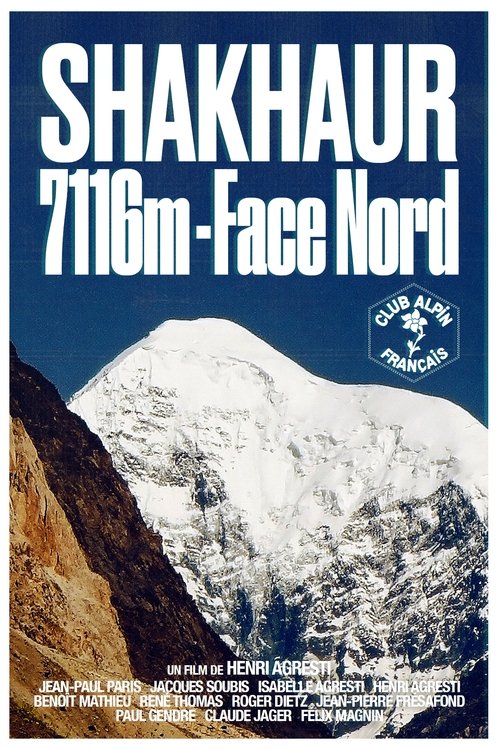
This film - without commentary and simply accompanied by local music - relates the 1969 ascent of the north face of Kohe Shakhawr, a Himalayan peak located on the border with Afghanistan, by mountaineers Benoît Mathieu, Jacques Soubis, René Thomas, Jean-Paul Paris, Isabelle Agresti, Henri Agresti, Roger Dietz, Jean-Pierre Frésafond, Paul Gendre, Claude Jager and Félix Magnin. As is often the case in Henri Agresti's films, there is an encounter with other peoples, other cultures, documented at length in the introduction. Then, after the interminable approach, the ascent begins: distribution of camps, successive assaults on the mountain, walking on steep scree and snowy slopes, climbing on icy walls... The arrival at the summit, without the aid of oxygen devices, seems to take place in slow motion: exhaustion mixes with the joy of the victorious mountaineers who will celebrate their success on their return to base camp on August 24, 1969.
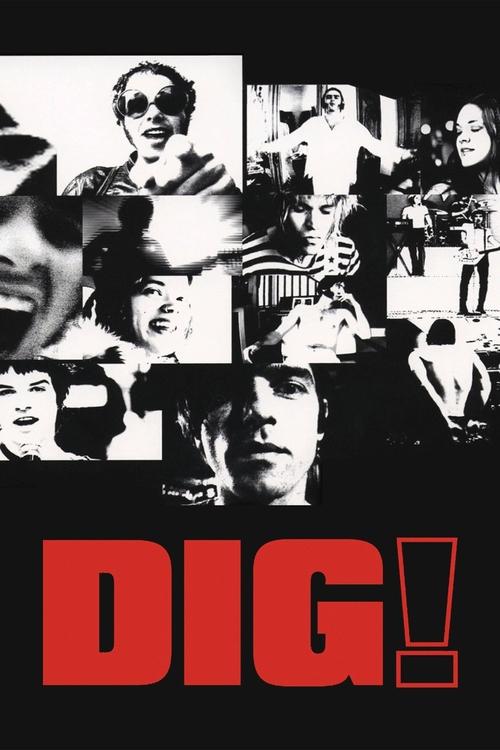
A documentary on the once promising American rock bands The Brian Jonestown Massacre and The Dandy Warhols. The friendship between respective founders, Anton Newcombe and Courtney Taylor, escalated into bitter rivalry as the Dandy Warhols garnered major international success while the Brian Jonestown Massacre imploded in a haze of drugs.
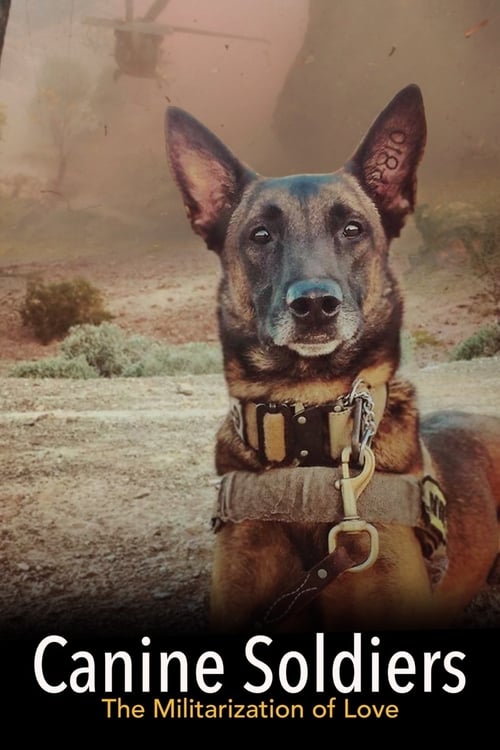
A documentary exploring the experience of going to war with a Military Working Dog, trained to find bombs before they can kill or maim soldiers, often at the expense of the dog's sanity.
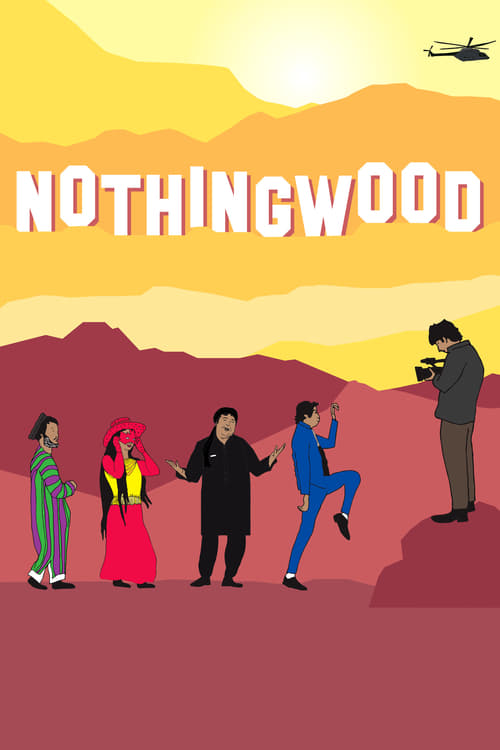
French documentarist Sonia Kronlund follows actor and director Salim Shaheen, an Afghan movie star who produced more than 110 low-budget movies in a country devastated by war.
War has been declared between William and Harry, who are no longer on speaking terms. The elder brother, temperamental and ultra-traditionalist, was raised by his grandmother, for whom only the crown mattered. Harry, on the other hand, is the unloved one. He was the most popular member of the family before he left for the United States with his wife Meghan. Who will win the battle for the hearts and minds of the British people?
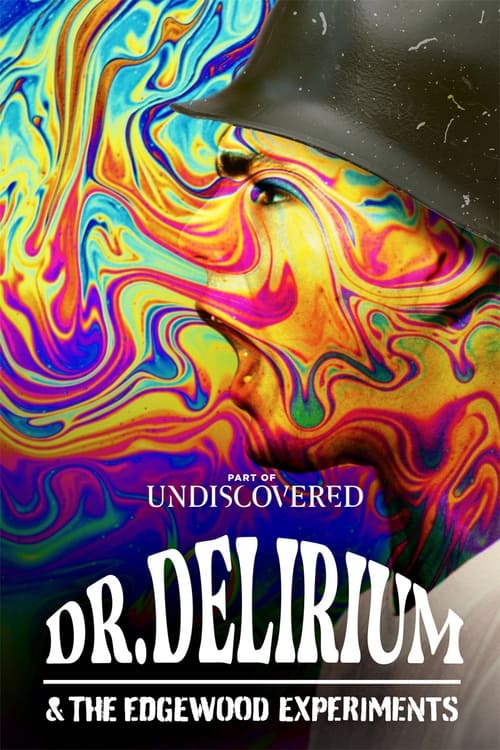
From 1955 to 1975, the US Army used its own soldiers as human guinea pigs in research involving powerful, mind-altering drugs. Told through exclusive footage and first-hand accounts, this is the true story of one of the darkest chapters in US history.
Produced in 1967, this black and white film is an inmate's view of Daytop, a drug treatment centre on Staten Island, New York, where addicts learn to get along without drugs. Uncompromising, often brutal group therapy sessions are designed to shake loose the excuses a victim makes for himself. The people and situations shown are authentic; only one actor was employed. The results obtained at Daytop are regarded by some psychiatrists as a breakthrough.
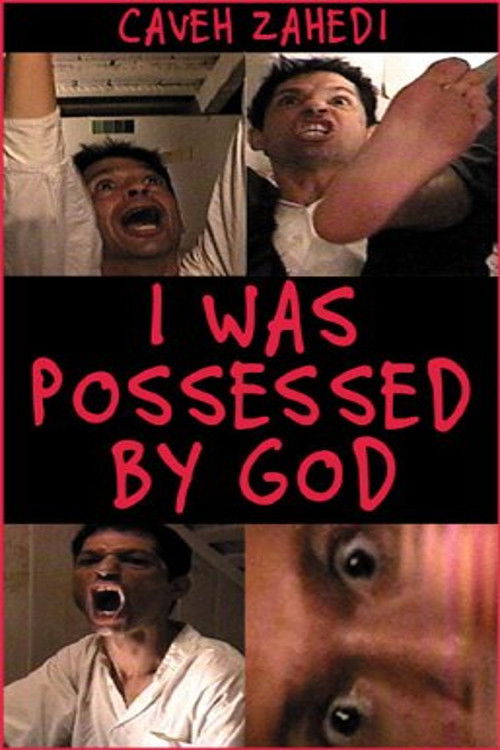
On Valentine's Day, 1993, Caveh Zahedi decided to ingest 5 grams (a very large dose) of hallucinogenic mushrooms. For the first time in his mushroom-taking history, he had an experience of "divine possession," in which he felt that a divine being took possession of his body and spoke through him, in a voice that was not his, and with knowledge that he himself did not possess. He later tried several times to repeat the experience. I WAS POSSESSED BY GOD is the documentary record of one such attempt.
Armed only with their cameras, Peabody and Emmy Award-winning conflict Journalist Mike Boettcher, and his son, Carlos, provide unprecedented access into the longest war in U.S. history: they are embed with U.S. troops during nine days of intense combat in Afghanistan.
100m Olympic champion Linford Christie is one of Britain’s most successful athletes. Now, he’s confronting his complicated legacy, in a story about race, respect and reputation.
This refreshingly frank and impartial study of the discovery and development of the notorious hallucinogenic drug is notably free of moral judgmental, and features contributions from such legendary heroes of psychedelia as Albert Hoffman - the Swiss scientist who discovered the drug - Aldous Huxley - author of 'The Doors of Perception' - Ken Kesey - author of 'One Flew Over the Cuckoo's Nest.