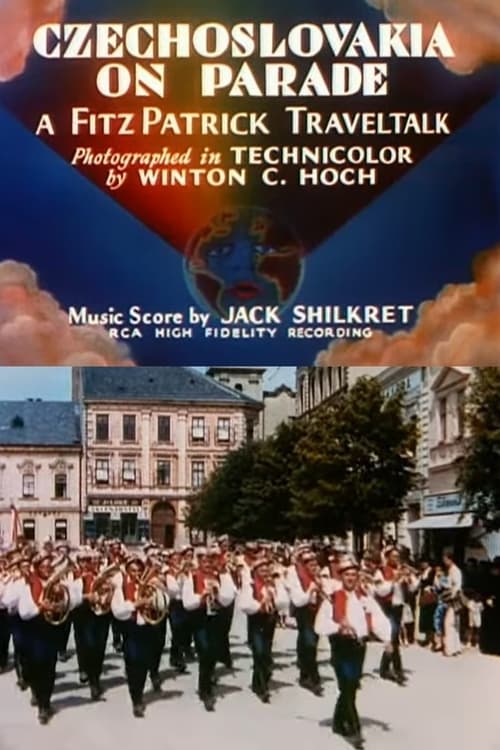
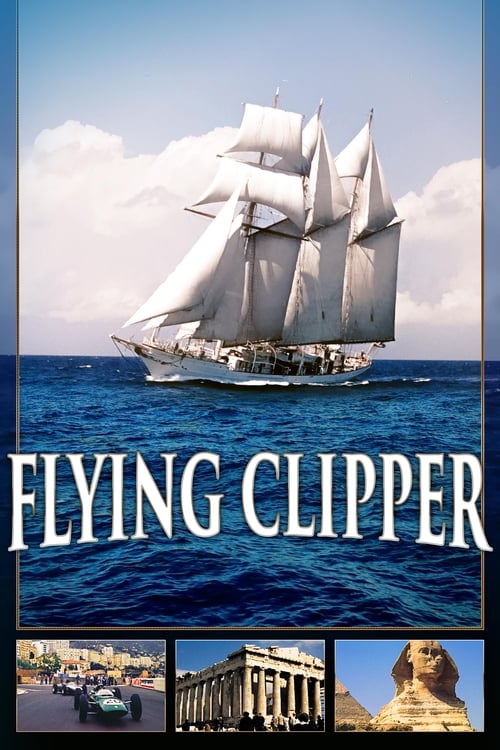
This FitzPatrick Traveltalk series short looks at Czechoslovakia before World War II, including images of bridges, churches, and castles in Prague, also a non-military parade through the city.
No Trailers found.
No overview available.
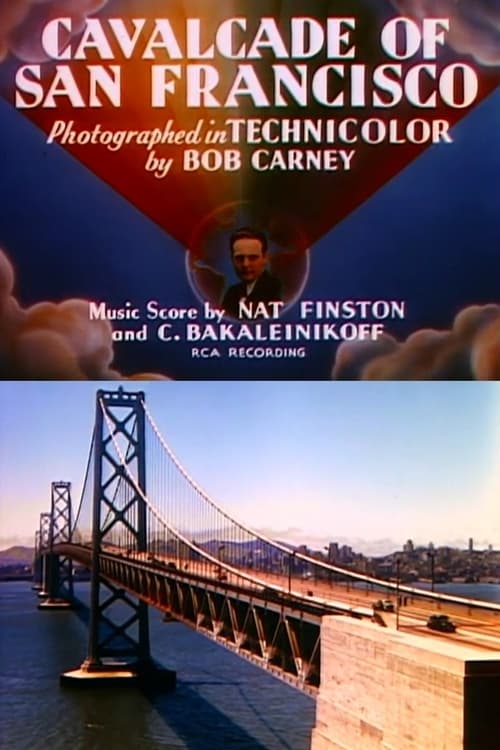
This Traveltalk series short celebrates San Francisco, past and present.
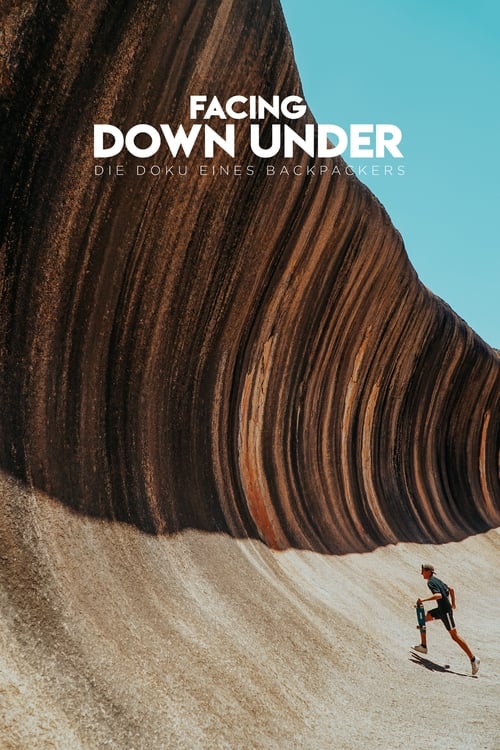
A 19-year-old high school graduate travels through Australia as a backpacker and accompanies his adventure with a camera.
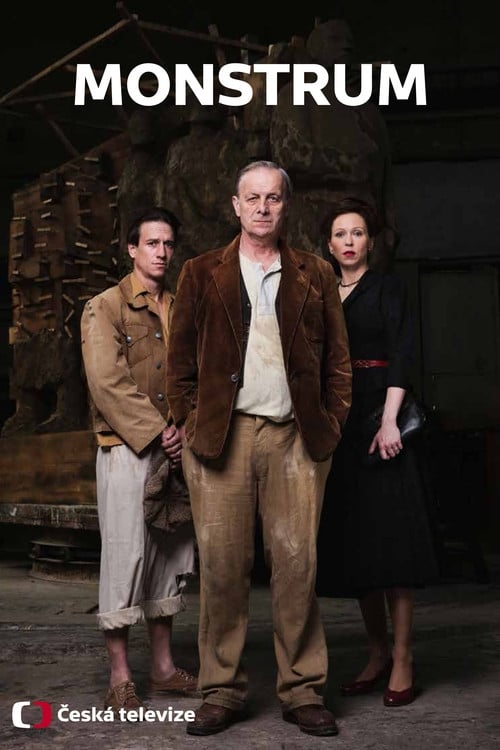
From the behavior, discourse, and appearance of individual actors, Vachek composes, in the form of a mosaic, a broad and many-layered film-argument about Czechoslovak democracy in the period of its rebirth, all administered with the director’s inimitable point of view.
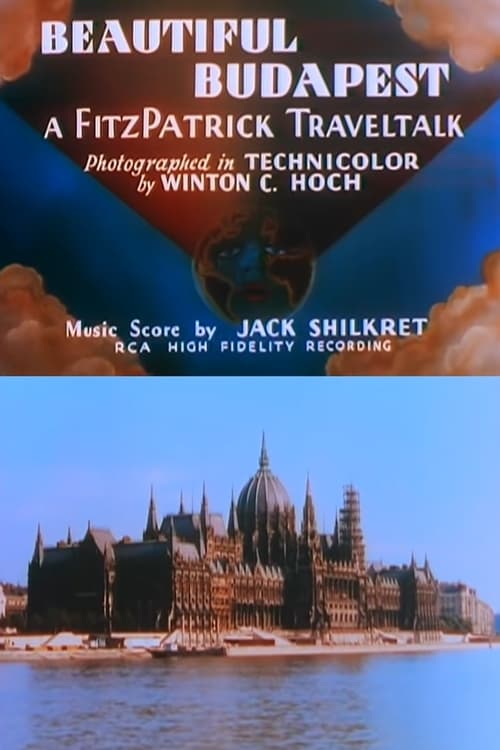
This Traveltalk series short visits Hungary's capital, Budapest.
A jetliner spans the miles, sheering through clouds to open sky and scenic vistas of the provinces below. Glimpses of town and country, of people of many ethnic origins, of a resourceful and industrious nation - impressions it would take days and weeks to gather at first hand - are brought to you in this vivid 1800-kilometer panorama.
The reception ebbs and flows as the unfamiliar landscape whirls by the window of a plane or train or car. Communication is delayed, fragmented, interrupted. Memories of a distant country.
I enjoy religion, I appreciate belief systems and how they offer structure to people's lives. I also appreciate how spirituality manifests itself in Asian cultures as this almost earthbound presence guiding people through every day life and when they need an extra bit of help they need only ask whichever deity holds dominion over their desire. Here is an experimental film I made with videos from my iPhone. Shot across Taiwan and South Korea. An experimental film I made with videos from my iPhone. Shot across Taiwan and Korea. My aim was to explore success in how it pertains to every day life, the satisfaction of small moments, spirituality, superstition, and daily rituals.
A stunning trek from the vale of Kashmir, via Sind Valley and Kargil and Lamayaru Monastry.
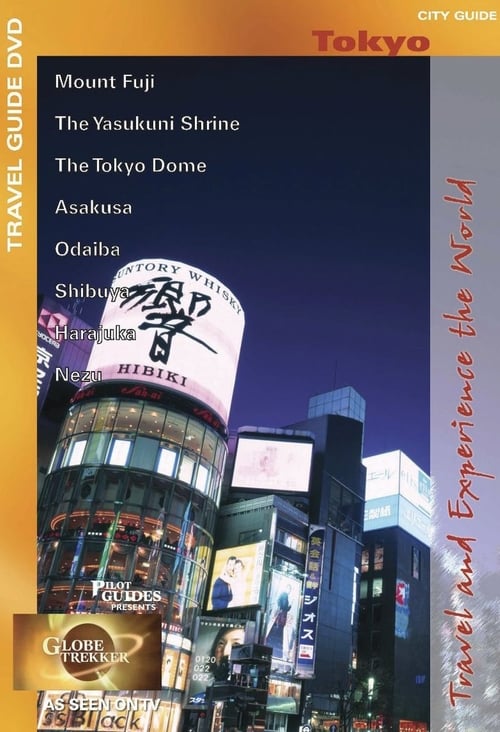
Tokyo is a fascinating city of extremes, blending the old traditions with visions of the future and an extraordinary pace of life. A shock of skyscrapers and neon, it's a gleaming example of Japan's post World War II success. Traveller Ian Wright begins his stay by experiencing the spiritual side of Tokyo at the peace loving Senso-ji temple. After a gentle introduction he throws himself into the pace of the city and discovers some incredible technology and fashion! He then heads to Mount Fuji for a crowded climb to the summit, before ending his trip experiencing the infamous Tokyo nightlife.
Hong Kong and Taiwan are 2 islands inextricably linked by their huge neighbour. Modern metropolises full of eastern traditions, they're forging forward in the 21st century as China's little dragons. Traveller Megan McCormick begins her journey in Hong Kong, looking out at the incredible skyline from Victoria Peak. She then takes in the contrasts of the city before taking the ferry visit Tap Mum Chau and Lantau Island. After a flight to Taiwan she explores the capital Taipei, ending her trip with a visit to its most remote outpost - Orchid Island.
A 1962 West German documentary film directed by Hermann Leitner and Rudolf Nussgruber.
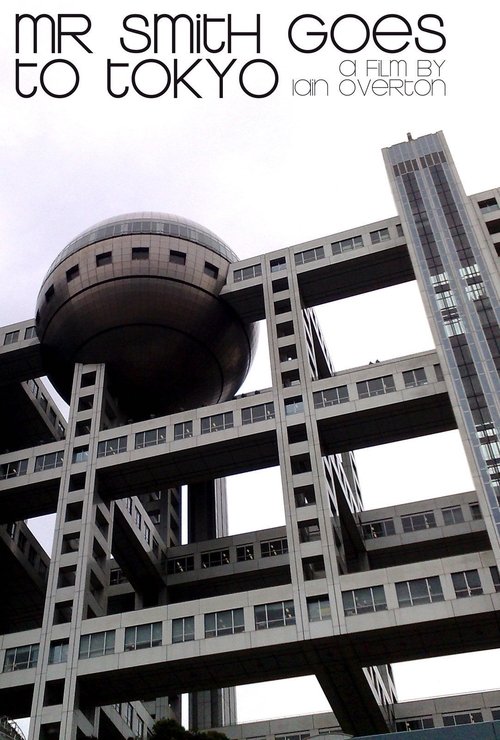
When Tomoko finds some messages for a 'Mr Smith' on a lost mobile phone, she finds herself on an 'Alice in Wonderland' journey through Tokyo's boulevards and back alleys. From the tyranny of symmetry in soaring office blocks - to buildings that look like space-ships, this creative documentary shows us the city's soul.
Botanical gardens in Bombay plus the highly decorative Jain Temple in Calcutta.
Spalding Gray sits behind a desk throughout the entire film and recounts his exploits and chance encounters while playing a minor role in the film 'The Killing Fields'. At the same time, he gives a background to the events occurring in Cambodia at the time the film was set.
A brief moment at a hacker conference planted a seed that would eventually spawn an ad-hoc motorcycle gang in the Orkhon Valley of Mongolia. Join Vincent Canfield and the COCKCON crew as they ride motorcycles for the first time through one of the least densely populated countries in the world.
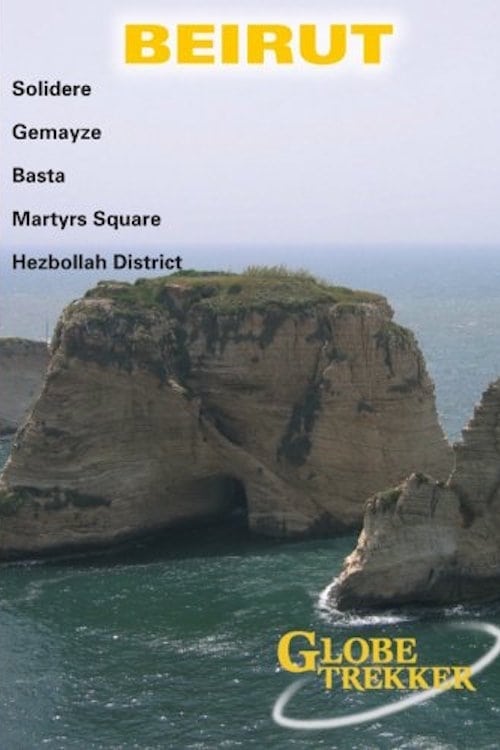
Beirut, Lebanon's capital has a long history of political and social unrest that still makes headlines today. Globe Trekker's Beirut City Guide captures the city in more optimistic days, two weeks before the latest outbreak of hostilities in Lebanon between Israeli and Hezbollah forces in July 2006. Globe Trekker Megan McCormick explores the neighborhoods of Basta, Solidere, Gemayze and the Hezbollah District and finds a city in the midst of regeneration. She gets a glimpse at Beirut's future when meeting up with a group of young Arabic hip hop artists, who are eager to live in peace and put the country's political troubles in the past.
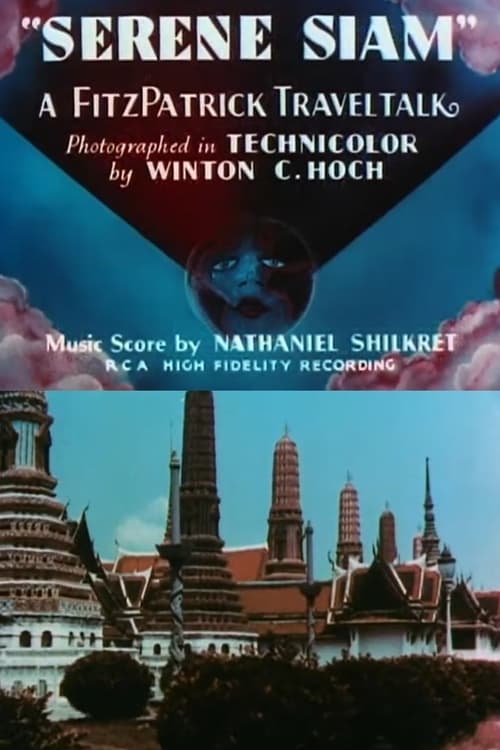
This travelogue begins at Bangkok's rail depot, a center of Indo-Chinese commerce. Next the narrator talks about Buddhism as the camera shows us some of Bangkok's many temples. Then, the narrator introduces us to the importance of traditional dance, with emphasis on the way that delicate wrist movements tell stories. It's on to the system of waterways in Bangkok, where more than 1,000,000 people live or conduct commerce. We take a ride down the Menam River, the country's most important commercial and social road. From our boat, we pass Wat Arun and other colorful signs of life typical in serene Siam.
Narrator (voice)