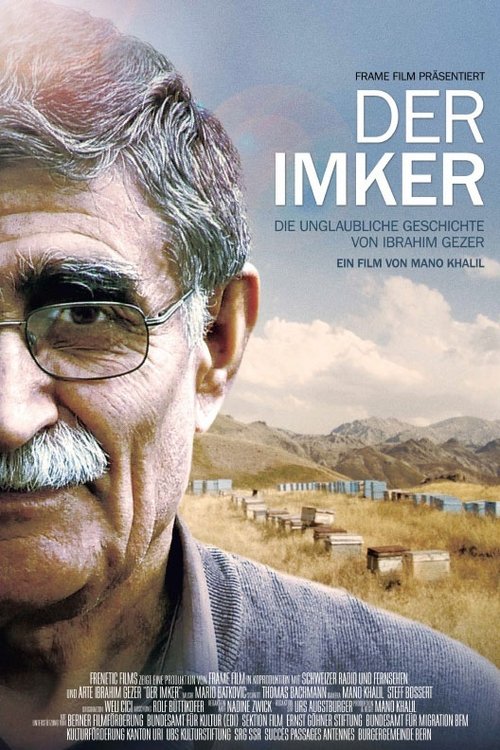
A documentary about Ibrahim Gezer, who escaped from war in Kurdistan to Switzerland. All is lost, except his love for beekeeping.
No Cast found.
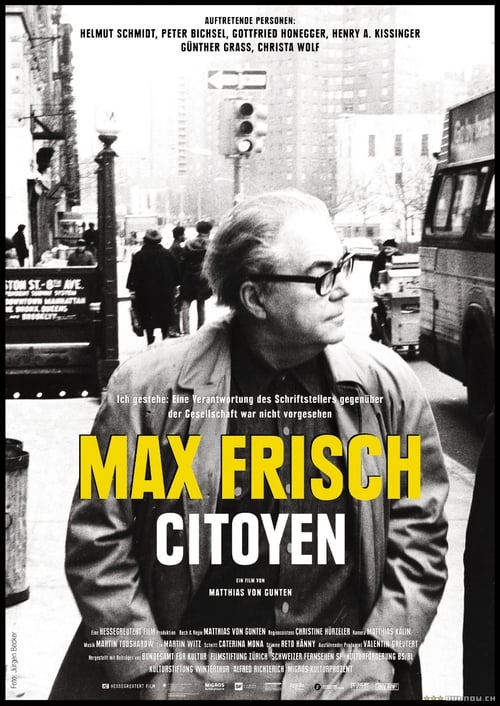
Max Frisch was the last big Swiss intellectual widely respected as a “voice” in its own right – a character hardly found today. The film retells Frisch’s story as a witness of the unfolding 20th century, wondering if such “voices” are needed at all, or if we could do without them.
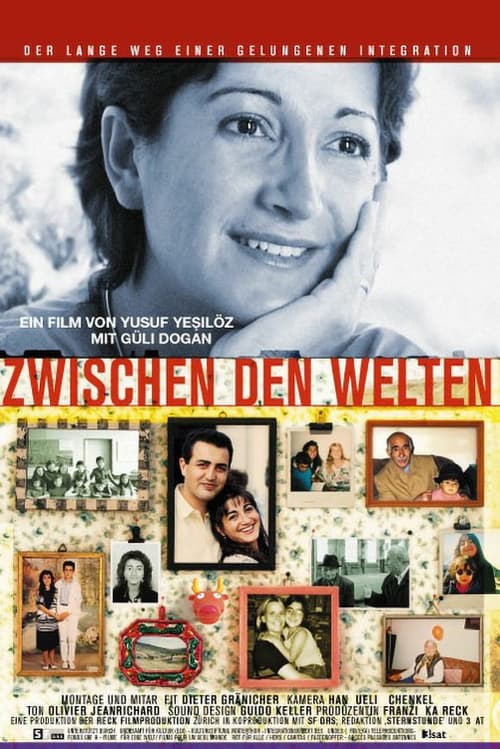
The revealing life story of Güli Dogan conveys impressively and in exemplary pictures the long and difficult path of a successful integration. Between the Worlds is the portrait of a woman who is very well integrated professionally and socially in Switzerland, but who is emotionally strongly connected to her village, which hardly exists anymore.
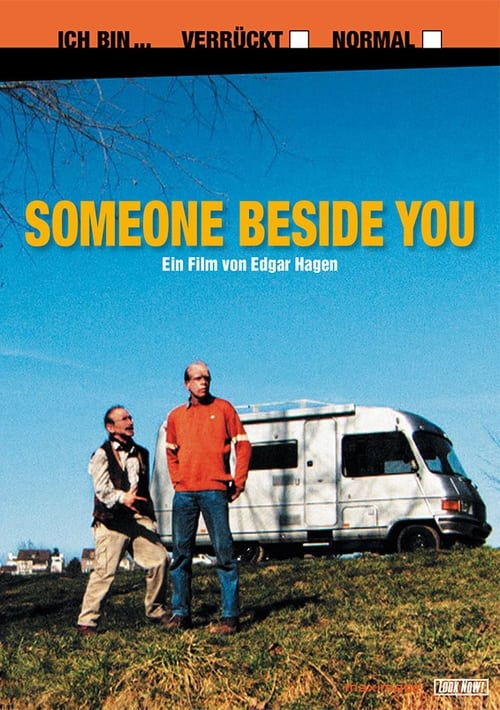
Along with several courageous psychiatrists and their clients, the author sets out to film a documentary road movie that takes him to Switzerland, Europe, and the U.S. On their travels in mobile homes, they explore the depths of the human psyche in search of answers to the question: What is the human mind and how does it behave in psychotic extreme situations?
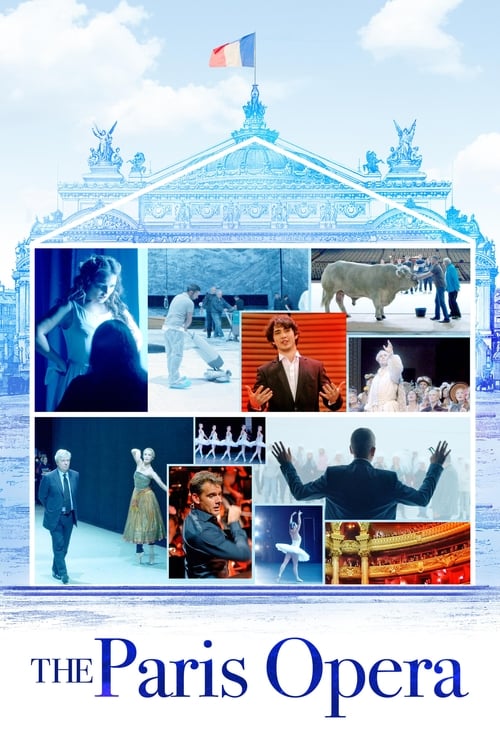
A behind-the-scenes look at the of how the Paris Opera is run under the direction of Stephane Lissner.
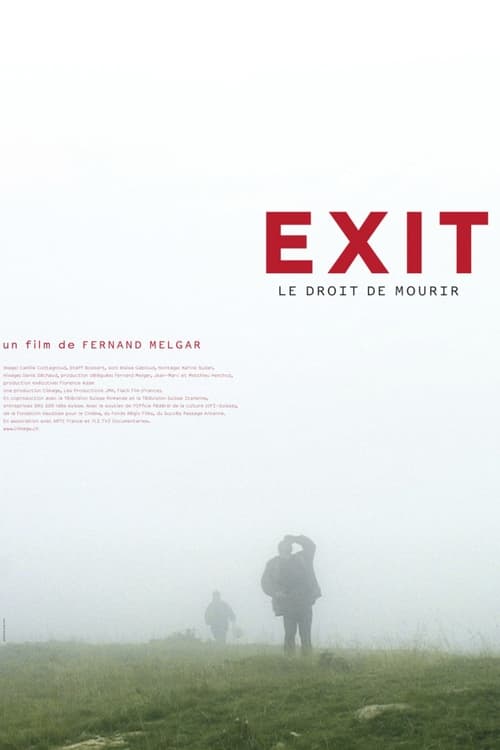
Switzerland is presently the only country in the world where suicide assistance is legal. Exit: The Right to Die profiles that nation's EXIT organization, which for over twenty years has provided volunteers who counsel and accompany the terminally-ill and severely handicapped towards a death of their choice.
No overview available.
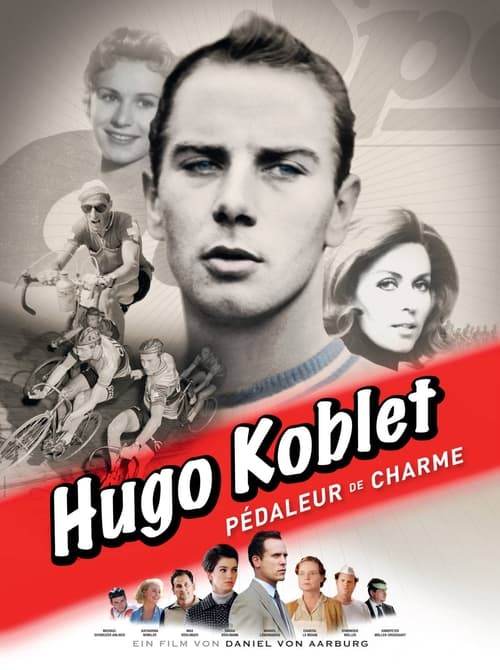
Zurich-born Hugo Koblet was the first international cycling star of the post-war period. He was a stylist on the bicycle and in life, and a huge heartthrob. Koblet had a meteoric rise and won the Giro d'Italia in 1950. Once he had reached the zenith of his career, Koblet was put under pressure by overly ambitious officials and ended up ruining his health with drugs. In 1954, he married a well-known model and they became a celebrity dream couple. After his athletic career ended, Koblet began to lose his footing. Threatened by bankruptcy, he crashed his Alfa into a tree.
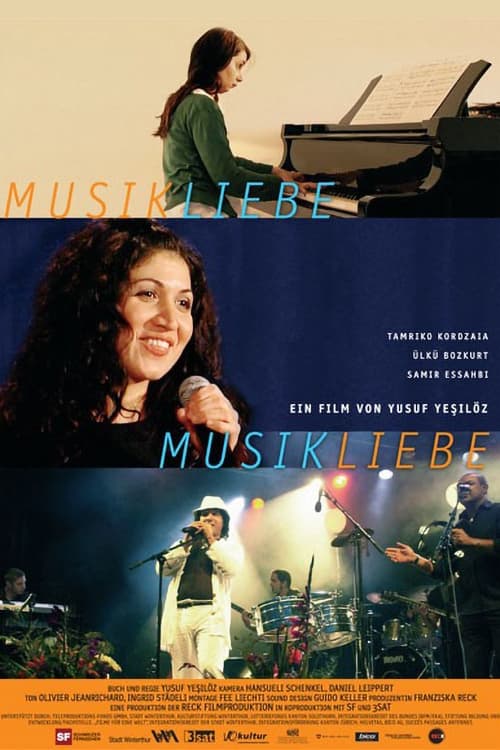
Two musicians whose biographies could not be more different. And yet, they are not only linked by a passion for music that they share with their spouses. All three have enjoyed successful careers in their home countries, and now need to find new bearings in Switzerland. Parallel to her concerts, pianist Tamriko Kordzaia, originally from Georgia, gives lessons at a music school, composer and singer Samir Essahbi, who is Moroccan, performs regularly with his band, and Turkish singer Ülkü Fazilet Bozkurt is starting to perform again.
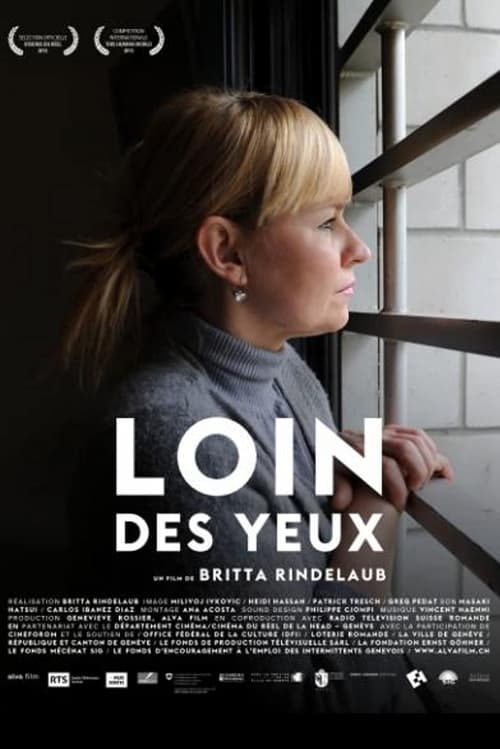
Thirty female prisoners share the convicts’ ward of Tuilière Prison at Lonay. More than half of them have one or more children being raised elsewhere: with a sister, in a foster family, or – further away still – in their countries of origin. In portraying some of these women, the film sheds light on these mothers and the bond that ties them to their children.
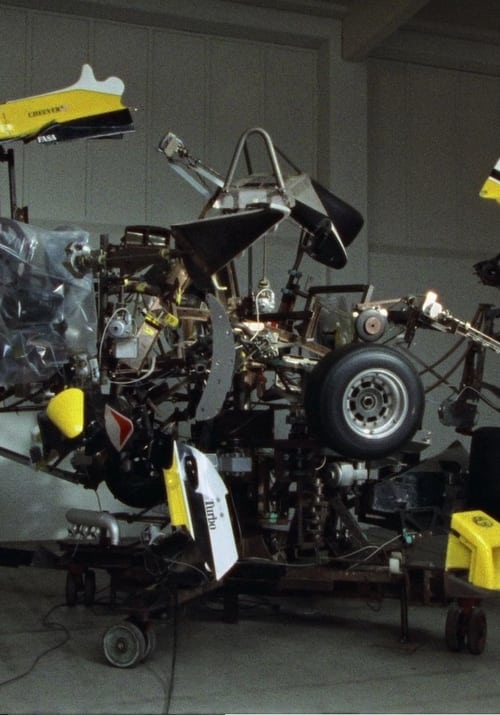
The Jean Tinguely Museum in Basel, Switzerland, designed by Mario Botta, opened in 1996, five years after the Swiss sculptor's death. META MECANO is a poetic depiction of the genesis of this mono-graphic museum, from the builders' first plans and Mario Botta's designs to its construction and the assembly of Tinguely's fragile mobile sculptures. In interviews with Mario Botta, Tinguely's wife Niki de Saint Phalle, museum director Pontus Hultén and Tinguely himself, the film goes on to explore the mission of museums and of art in general today. META MECANO is a unique document on the significance of the artist Jean Tinguely and on the role that museums play in our day and age.
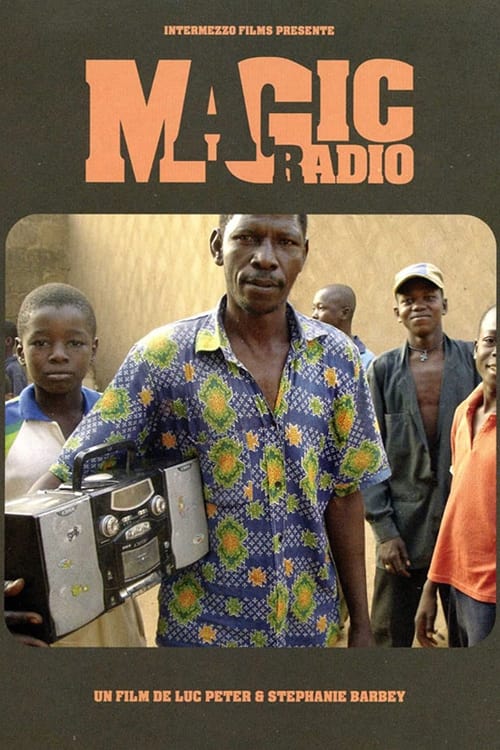
Radios echo across Niger, connecting lives through news, music, and debate. This gripping doc explores how this everyday device becomes a lifeline in a changing nation.
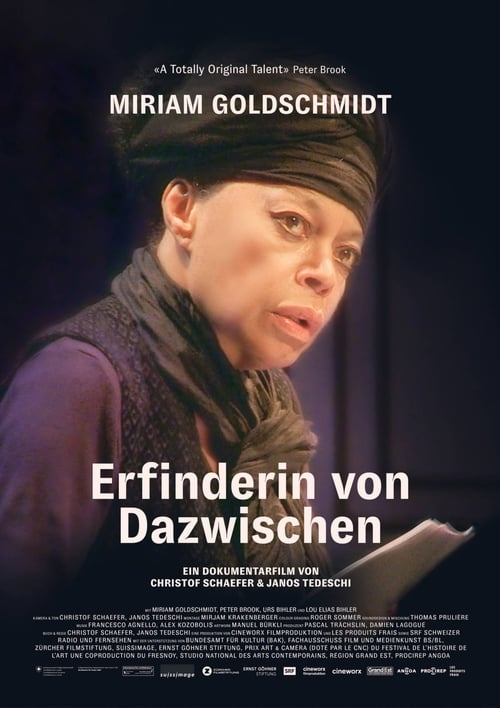
Nearing the end of a long and successful stage career, Miriam Goldschmidt finds her prowess as an actress increasingly on the wane. She struggles to memorize her lines and as her last project with lifelong collaborator, the legendary director Peter Brook, threatens to fall apart, Miriam looks back. Referencing Brook’s ground-breaking book «The Empty Space», she uses an empty rehearsal room in Berlin to invoke her archetypal life journey that took an orphaned black child from post-war Germany to the world’s biggest stages. We «Call Her Miriam» is a bewitching and moving portrait of a great artist living between dream and reality, truth and fction and life and death.
No Trailers found.