Devour the Earth, a 20 minute film about the global consequences of meat consumption.
No Trailers found.
No Cast found.
Meat the Future ushers the viewer into a world vexed by the impacts of modern day industrial animal agriculture and zeros in on a solution-focused story. Revealing challenges and breakthroughs and posing a myriad of questions about the future, this 90-minute character-driven documentary explores the advent of real meat without the need to raise and slaughter animals. Spanning three years, Meat the Future chronicles the potentially game-changing birth of a new food industry referred to as “cell-based” “clean” and “cultured” meat – a term hotly debated as the industry approaches commercialization
This short documentary is a celebration of life on planet Earth. Made from haunting visual images selected from 50 years of NFB productions, the film looks at human beings, their place on earth, and their deep interconnection with all other beings. Evocations of forces that threaten the planet and all its inhabitants also offer avenues for reflection.
With dazzling nature photography, Academy Award®–nominated director Markus Imhoof (The Boat Is Full) takes a global examination of endangered honeybees — spanning California, Switzerland, China and Australia — more ambitious than any previous work on the topic.
Immersion is a short conceptual film featuring wonder kid Axel Rosenblad. It is a sensorial journey into his surfing.
The year 2017 was marked by several major Atlantic hurricanes (including Harvey, Irma and Maria), flooding in South America and a serious earthquake in Mexico. In Europe, deadly forest fires struck Portugal. Madagascar was flattened by a Category 4 typhoon that wiped out the country’s infrastructure. The financial costs are unprecedented with billions of dollars of damage. Thanks to spectacular footage filmed at the heart of the action, this film shows a selection of the most notable natural disasters to strike this year. Expert analysis and photo-realistic animation allow the audience to understand the forces at work behind these catastrophes.
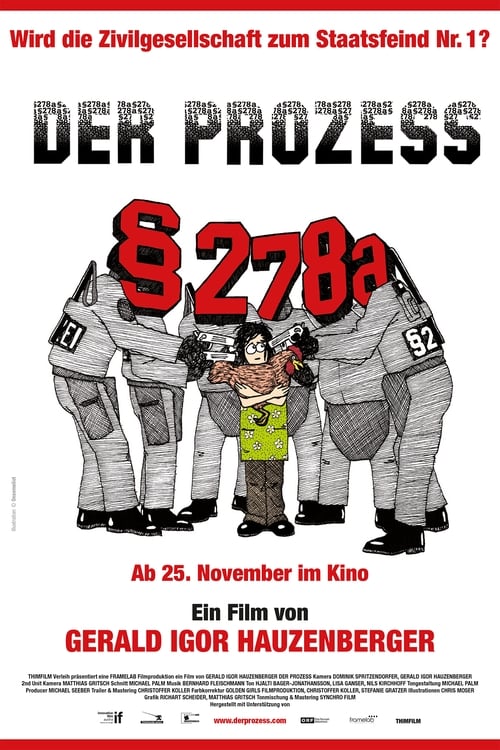
At 6am on May 21, 2008, armed police burst into the apartment of Austrian dog trainer and animal-rights activist Sabine Koch, arresting her. After three months in custody, Koch, together with 12 other animal-rights activists, went on trial. They were charged with being members of a criminal organisation and therefore breaching article 273a of the Austrian Penal Code, introduced in the wake of 9/11. The article’s intention is to allow the state to stifle terrorist activity. Years of observation, house searches, and undercover agents – the police left no stone unturned in its bid to prove the animal-rights activists’ guilt. The sobering result: five million Euros worth of investigation, no proof and a great deal of scepticism towards the Austrian justice system – and democracy itself.
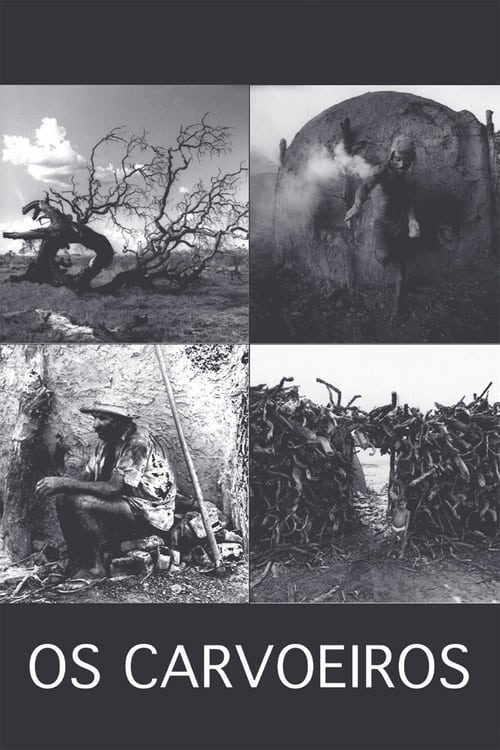
This deeply human documentary examines the subject of environmental destruction, highlighting the impoverished migrant workers who are chopping down the Amazon rainforest to create charcoal for pig iron production used primarily in the automobile industry. The film examines the children and elders and their daily lives and work as they burn timber in igloo-looking huts, their bodies charred gray for $2 a day, struggling to survive.
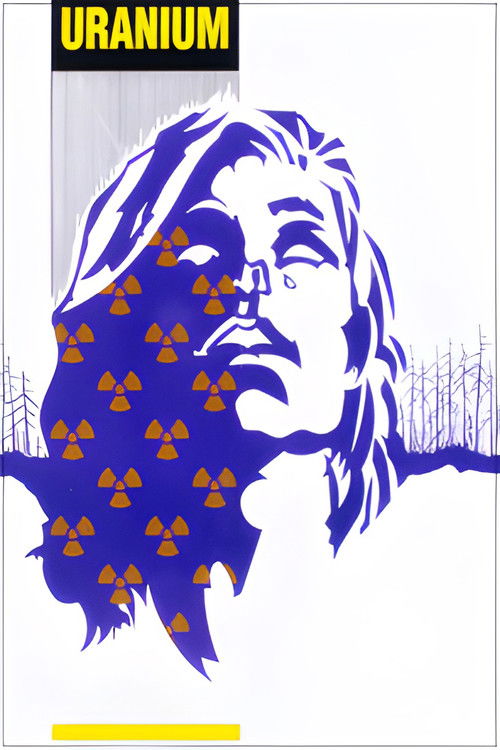
Explores the consequences of uranium mining in Canada. Toxic and radioactive waste pose profound, long-term environmental hazards. Miners suffer a substantially increased risk of getting cancer. Most mining occurs on Indigenous People's land, violating their traditional economic and spiritual lives. Given our limited knowledge of the risks associated with uranium mining, why continue?
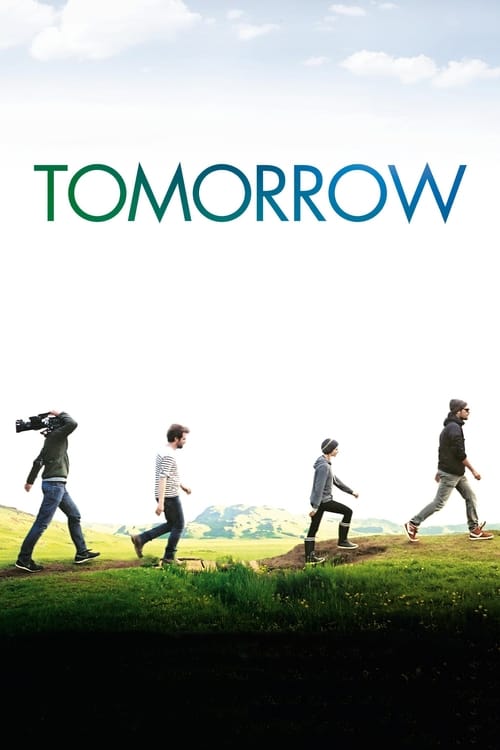
Climate is changing. Instead of showing all the worst that can happen, this documentary focuses on the people suggesting solutions and their actions.
This documentary explores the impact that food choices have on people's health, the health of our planet and on the lives of other living species. And also discusses several misconceptions about food and diet.
The cod fishery off the east coast of Newfoundland was a way of life, the backbone of society -- until it collapsed. A review of the history leading up to the crisis and the subsequent call for a moratorium of the northwest Atlantic cod fishery.
A young couple battle entrenched tradition and hostile forces to bet on nature for the future of their failing, four-hundred-year-old estate. Ripping down the fences, they set the land back to the wild and entrust its recovery to a motley mix of animals both tame and wild, beginning a grand experiment.
In a moving narration, actor and activist Alec Baldwin exposes the truth behind humanity's cruelest invention: the factory farm. This documentary explores the treatment of animals in modern animal agriculture (also known as industrial agriculture or factory farming).
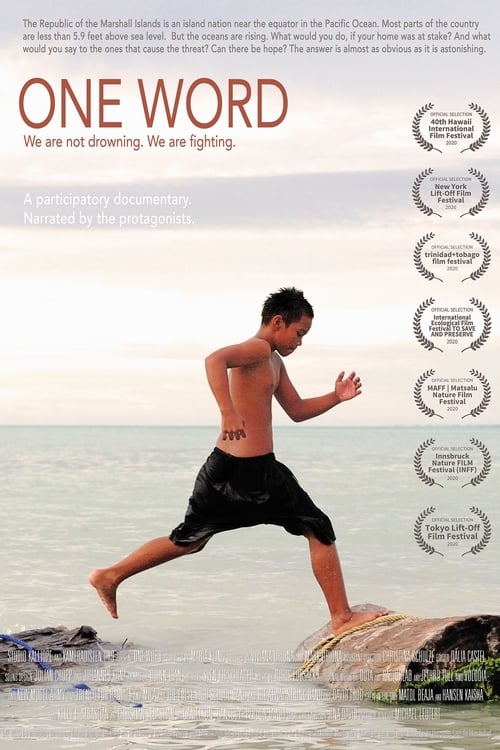
A documentary about the impacts of climate change on the Republic of the Marshall Islands and its people. Most parts of the Marshall Islands are less than 5.9 feet above sea level. Forecasts predict the uninhabitability of the country by 2050.
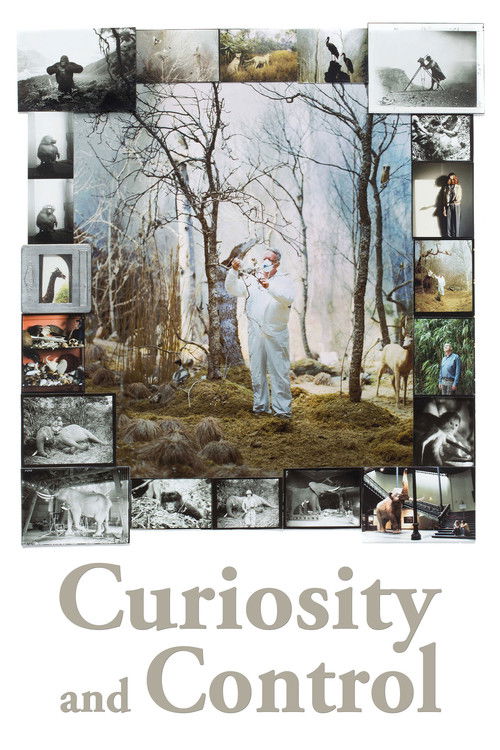
Curiosity and Control examines our complex relationship to nature itself. A multi layered look at the world of Museums of Natural History and Zoological gardens, with voices from historians, authors, architects and zoo managers. It raises questions about how we perceive nature and our contradictory behavior of caging what we fear may be lost.
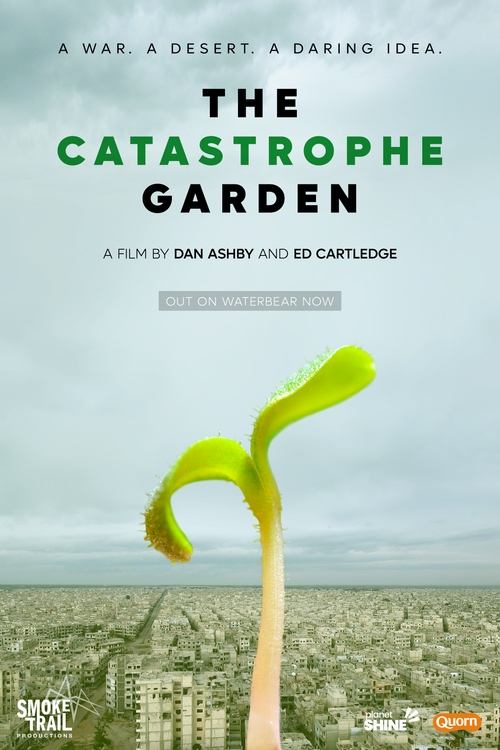
It is a daring idea: to grow food from old mattresses in a desolate camp at the edge of a war zone. When a refugee scientist meets two quirky professors, they must confront their own catastrophes - and make a garden grow. Short film now streaming on Waterbear.com.
It’s now 40 years since the end of the Cod Wars between Britain and Iceland. During the 1950s and 60s, Britain consumed 430,000 tons of cod each year, but as the stocks started to diminish the livelihoods of fishing communities in both countries were at stake. Iceland took steps to protect their fishing industry - the mainstay of their economy - resulting in the three so-called Cod Wars. This was a David and Goliath struggle, where the small fleet of Icelandic gunboats were pitted against the British trawlers and the Royal Navy in the North Atlantic. This Icelandic film, made in 2001, tells the story from both sides and reflects on the impact of the Cod Wars in Grimsby and Hull.
Transformed into a salmon, an Indigenous street artist travels through decayed urban landscapes to the forests of long ago, in this sublime mixed animation.
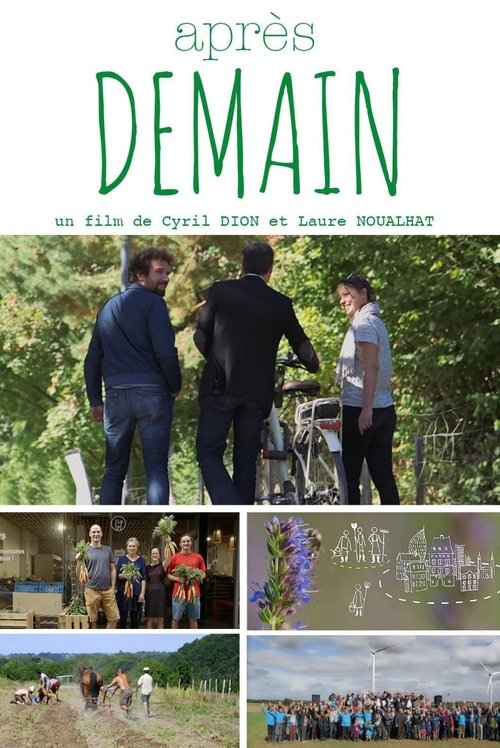
Two years after the phenomenal success of the documentary Demain, Cyril Dion looks back at the projects the film inspired. He is accompanied by Laure Noualhat, a renowned investigator and sceptic of the ability of micro-initiatives to have any real impact in the face of climate change. Their humorous confrontation pushes them to their limits: what works, what fails? What if all this forces us to invent a new narrative for humanity?
Fowl Play is a documentery about the treatment of egg laying hens and other animals. It goes inside of egg corporations that people buy from everyday, and exposes how those animals are being treated, abused, and killed.