In 1985 a picturesque Argentinian holiday town was completely flooded, not to re-emerge until 2009. Now only Pablo remains in this modern day Atlantis.
No Trailers found.
Himself
An exploration —manipulated and staged— of life in Las Hurdes, in the province of Cáceres, in Extremadura, Spain, as it was in 1932. Insalubrity, misery and lack of opportunities provoke the emigration of young people and the solitude of those who remain in the desolation of one of the poorest and least developed Spanish regions at that time.
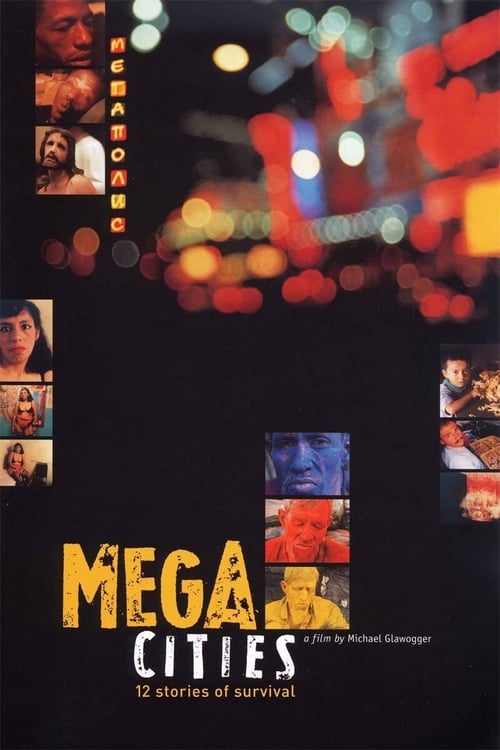
Megacities is a documentary about the slums of five different metropolitan cities.
J and Jacky are good friends who attend the same school. J is from a single-parent family, and will be taken care by Jacky’s family whenever his mother has to return to Mainland to renew her visa; such kind of story is not an isolated case. These families have been uprooted for a “better future” in Hong Kong, but is this “future” that the children really long to have? A Chinese saying: “How does one understand the joy of fish, if one is not a fish?” Will the adults really understand what the children want?
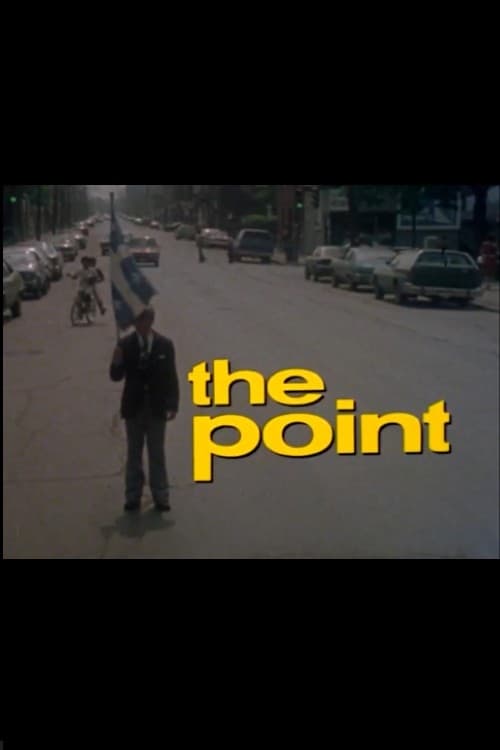
This documentary is a portrait of Point St. Charles, one of Montreal’s notoriously bleak neighbourhoods. Many of the residents are English-speaking and of Irish origin; many of them are also on welfare. Considered to be one of the toughest districts in all of Canada, Point St. Charles is poor in terms of community facilities, but still full of rich contrasts and high spirits – that is, most of the time.
"The prevailing stigmatization of the 'villero' universe is fed back by the images. In order to dismantle this stigmatization, other images must be presented or we need to reveal what the existing ones seek to cover up. The slum is usually represented from a limited and deceitful visual panorama. This representation has an intention. Cinema and television are two image-producing devices that strengthen the stereotypes that we have about the people who inhabit these spaces. And what happens in the field of painting? Do clichés reign there too? This visual essay seeks to confront various works by national painters and sculptors, belonging to the Palais collection, with the kinetic images of current cinema and television, to reflect on both the differences and the similarities in the meanings and discourses that both regimes of images can produce." César González
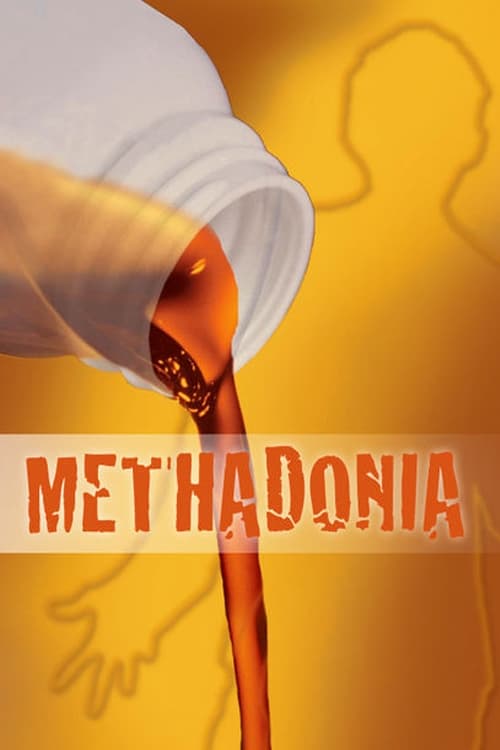
Shot over the course of 18 months in New York City's Lower East Side, METHADONIA sheds light on the inherent flaws of legal methadone treatments for heroin addiction by profiling eight addicts, in various stages of recovery and relapse, who attend the New York Center for Addiction Treatment Services (NYCATS).
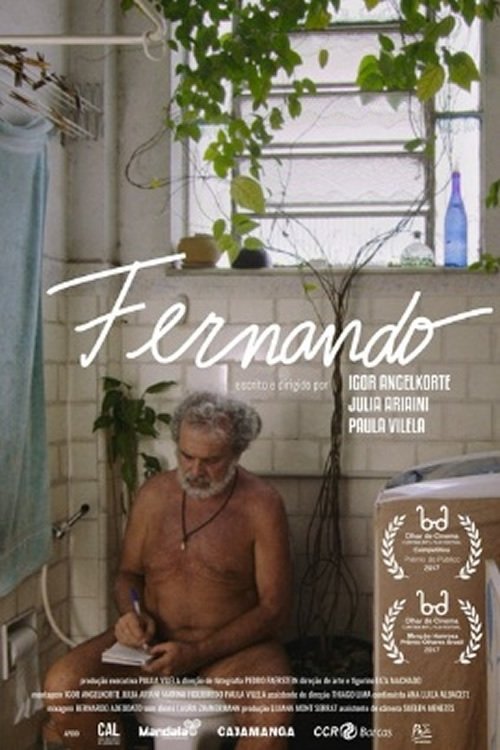
Fernando is an actor and theater teacher who, at the age of 74, is impelled to be the protagonist of himself in an experience that blurs the boundaries between the documentary and the fictional. Faced with a delicate problem in his heart, he follows a life full of love for art, where education emerges as a powerful transforming element of reality.
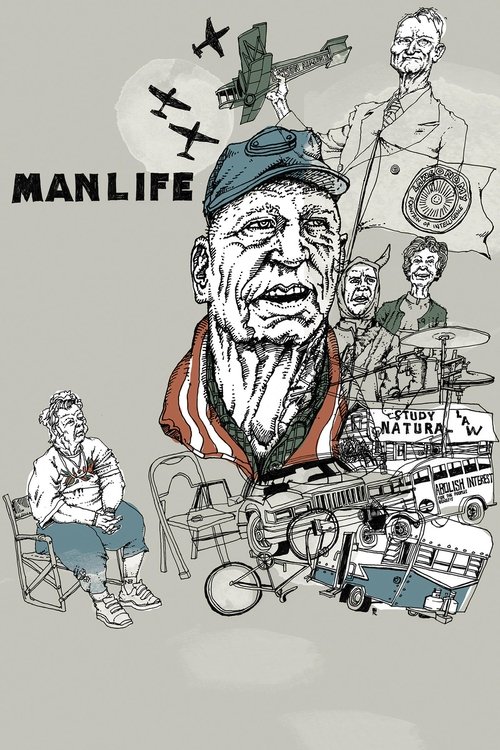
For over 80 years, Merle Hayden has crusaded to recruit members to the utopian movement Lawsonomy. Founded by aircraft pioneer Alfred Lawson, Lawsonomy advocates for economic reform and clean, communal living that transforms followers into a "New Species" that will benefit the human race either in this life or the next. Merle joined Lawson as a teenager and never looked back. His high school sweetheart Betty Kasch, however, is tired of Lawson coming between them. Reunited after over 60 years apart, non-believer Betty wants Merle to join her in Florida. Merle's commitment to preserving Lawson's legacy, artifacts currently rotting in a barn alongside a Wisconsin highway, has Betty worried Merle may leave her for Lawson once again.
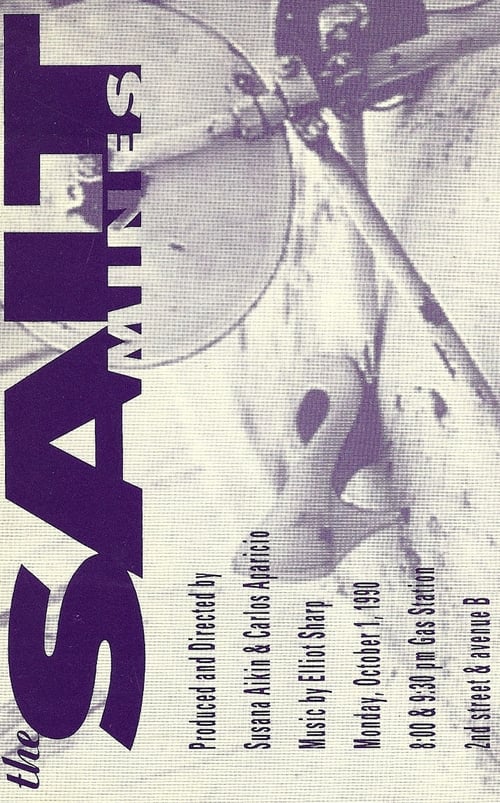
Explores the lives of Sara, Gigi and Giovanna, three Latino transvestites who for years have lived on the streets of Manhattan supporting their drug addictions through prostitution. They made their temporary home inside broken garbage trucks that the Sanitation Department keeps next to the salt deposits used in the winter to melt the snow. The three friends share the place known as "The Salt Mines".
A look at the rampant HIV epidemic rate in Swaziland.
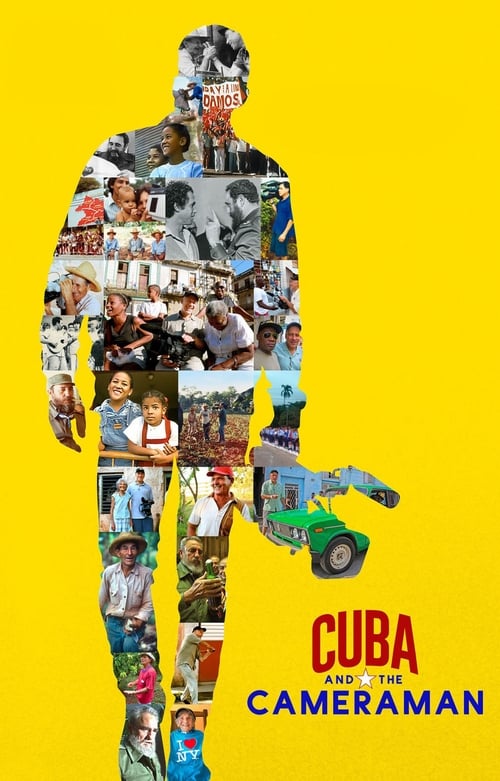
This revealing portrait of Cuba follows the lives of Fidel Castro and three Cuban families affected by his policies over the last four decades.
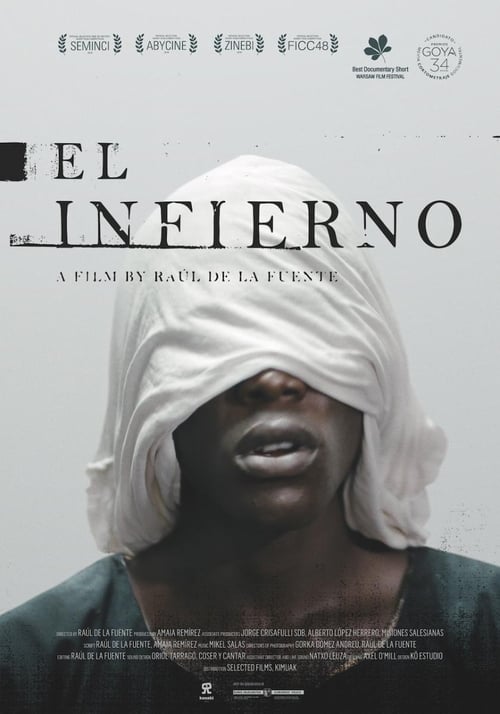
Chennu committed his first crime when he was 15 years old: being a street kid. And he entered hell: Pademba Road. The adult prison in Freetown. In hell, Mr. Sillah is in charge, and there is no hope. Chennu got out after four years. Now he wants to go back.
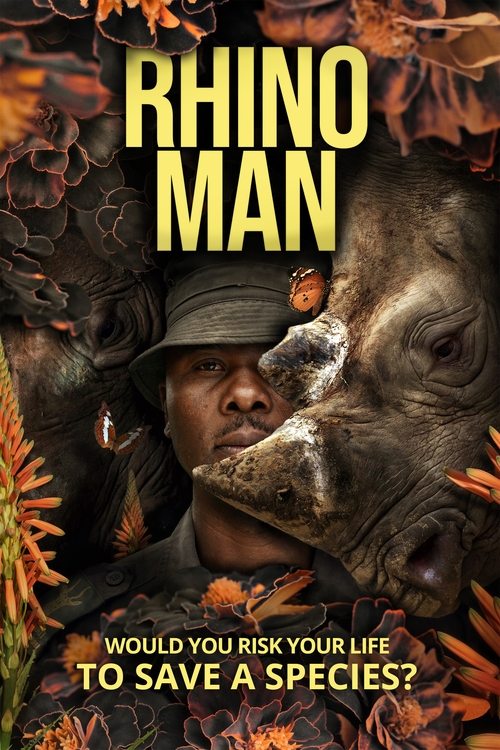
RHINO MAN follows the courageous field rangers who risk their lives every day to protect South Africa's rhinos from being poached to extinction.
A tomato is planted, harvested and sold at a supermarket, but it rots and ends up in the trash. But it doesn’t end there: Isle of Flowers follows it up until its real end, among animals, trash, women and children. And then the difference between tomatoes, pigs and human beings becomes clear.
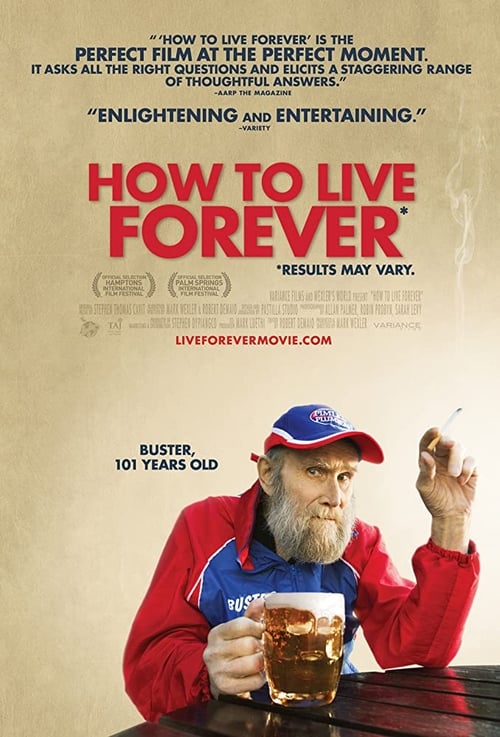
Director Mark Wexler embarks on a worldwide trek to investigate just what it means to grow old and what it could mean to really live forever. But whose advice should he take? Does 94-year-old exercise guru Jack LaLanne have all the answers, or does Buster, a 101-year-old chain-smoking, beer-drinking marathoner? What about futurist Ray Kurzweil, a laughter yoga expert, or an elder porn star? Wexler explores the viewpoints of delightfully unusual characters alongside those of health, fitness and life-extension experts in this engaging new documentary, which challenges our notions of youth and aging with comic poignancy. Begun as a study in life-extension, How To Live Forever evolves into a thought-provoking examination of what truly gives life meaning.
A new documentary that follows master Haida weaver Delores Churchill on a journey to replicate a spruce root hat discovered with the Long Ago Person Found. The 300-year-old traveler was discovered in British Columbia and DNA testing discovered living descendants in Canada and Alaska. Her search crosses cultures and borders, and involves artists, scholars and scientists. The project raises questions about understanding and interpreting ownership, knowledge and connection.
A character-driven heartfelt story of resilience and the impact of education. The film follows Angel, Moses and Nina from the slums of Kampala, Uganda through a world tour with the Grammy-nominated African Children's Choir; stunningly shot and told through Angel, Moses and Nina's perspectives on their one shot journey from poverty to education.
These are the future leaders of their communities. Ever wonder what it’s like to walk a day in their shoes? How the world looks through their eyes? We were curious. So, we asked them.
Nohemí and Mary are two women resisting structural violence in Ciudad Juárez. United by pain and hope, both mothers find inspiration to move their families forward. The dragonfly, a symbol they share, embodies their resilience and capacity for change.
Upon his release from prison, an ex-convict returns to his beloved city of Genoa, and to his lover.