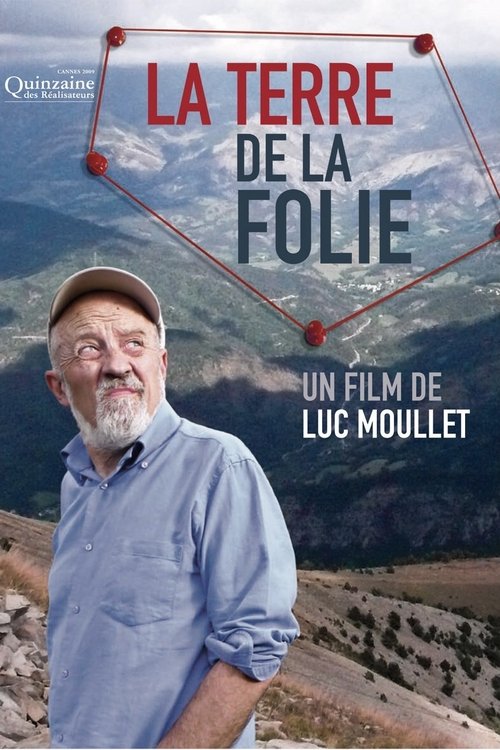
Moullet explores the causes and consequences of cases of mental disorders that were especially numerous in the Southern Alps.
This documentary visits the towns and villages of the Alsace region of France at Christmastime. See the charmingly decorated storybook towns and learn of the unique holiday traditions and celebrations. The Alsatian landscape is covered with medieval towns, castle ruins and vineyards, and the communities of the region create a season of enchantment in their celebration of Christmas.
Six California kids test their brains and talents against students in Odyssey of the Mind, a problem-solving competition requiring mechanical, creative and intellectual skills. With little money and zero adult participation, the teens build a robot to tell a story about bullying, exclusion and mental health. But how does their solution measure up?
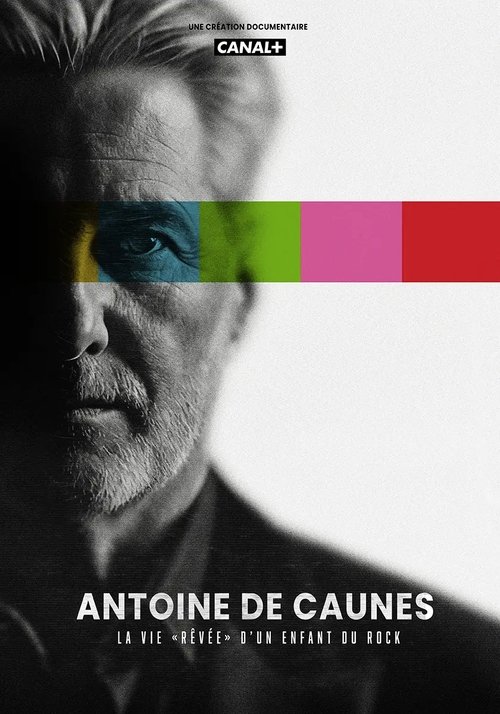
Documentary on Antoine de Caunes, a French television presenter, comedian, actor, journalist, writer and film director.
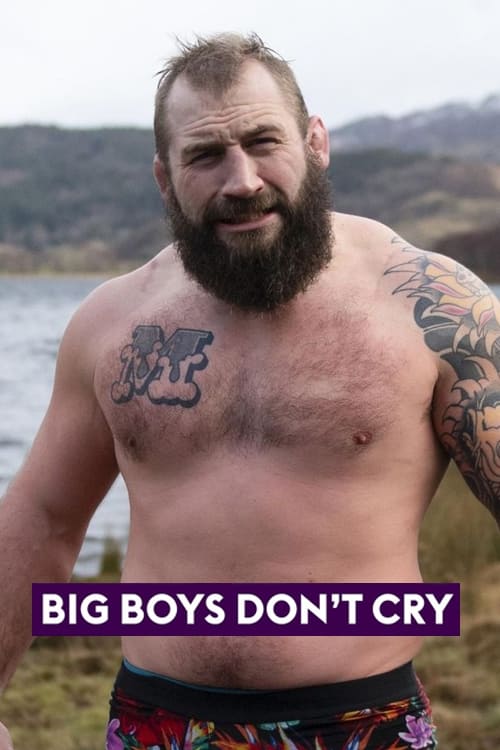
Big Boys Don't Cry' follows Joe Marler as he discusses his own struggles and learns new methods of managing mental wellbeing. The England and Harlequins player has opened up about his battles with mental health during his private life and his time playing rugby on the international stage. The documentary follows Marler as he travels around the UK to open up the conversation around mental health challenges and to learn about how people manage with their mental wellbeing - from taking the plunge in cold water swimming and getting involved in singing in a choir along the way.
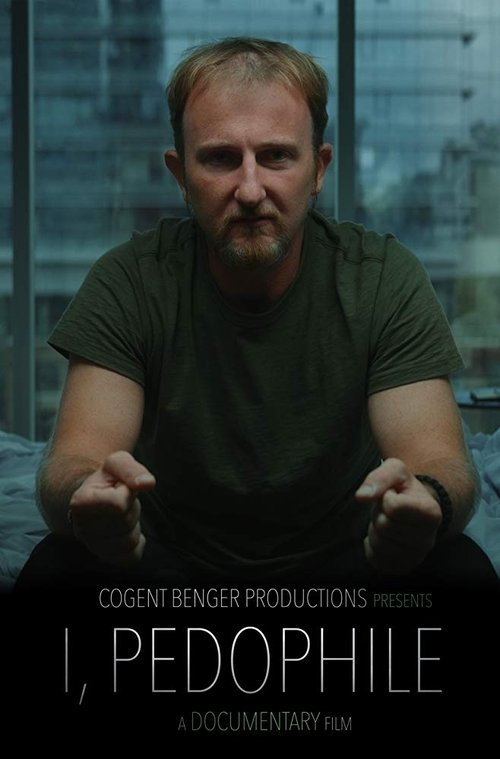
Pedophiles have long been the most demonized people in society, but new research is showing that understanding them is the first step in lowering instances of child sexual abuse. Meet the men born attracted to the impossible, and the maverick doctors who dare advocate on their behalf.
This documentary follows the French soccer team on their way to victory in the 1998 World Cup in France. Stéphane Meunier spent the whole time filming the players, the coach and some other important characters of this victory, giving us a very intimate and nice view of them, as if we were with them.
The story was born from the pen of debutante Callie Khouri: Thelma, married to a macho man, and Louise, an independent waitress, go on a girls' getaway that turns into a runaway when the latter, during a stopover in a bar, shoots a man who was trying to rape her friend. But at the dawn of the 1990s, screens were dominated by testosterone-fueled opuses, and Hollywood studios were reluctant to entrust the steering wheel to a female duo. Seduced by the script, forwarded by his associate Mimi Polk, Ridley Scott agreed to produce the film and decided, against all odds, to direct it himself. Under the British director's watch, the two accidental outlaws, fabulously portrayed by Susan Sarandon and Geena Davis, flee across the vastness of the Far West on an emancipatory epic that sees them defy male oppression and reveal themselves to themselves.
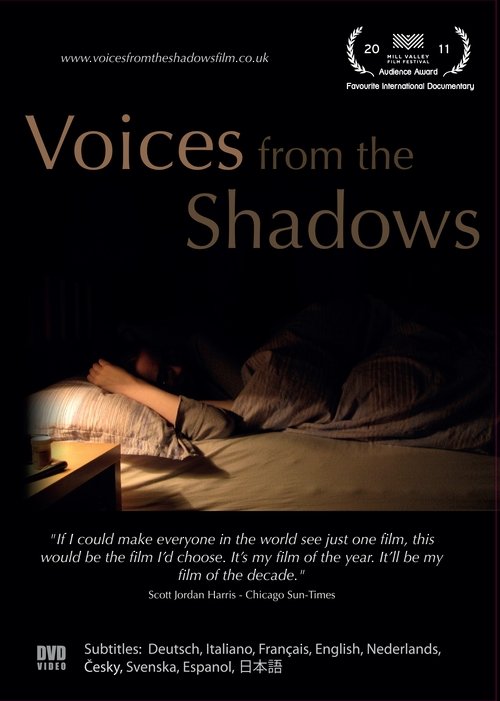
‘Voices from the Shadows’ shows the brave and sometimes heartrending stories of five ME patients and their carers, along with input from Dr Nigel Speight, Prof Leonard Jason and Prof Malcolm Hooper. These were filmed and edited between 2009 and 2011, by the brother and mother of an ME patient in the UK. It shows the devastating consequences that occur when patients are disbelieved and the illness is misunderstood. Severe and lasting relapse occurs when patients are given inappropriate psychological or behavioural management: management that ignores the severe amplification of symptoms that can be caused by increased physical or mental activity or exposure to stimuli, and by further infections. A belief in behavioural and psychological causes, particularly when ME becomes very severe and chronic, following mismanagement, is still taught to medical students and healthcare professionals in the UK. As a consequence, situations similar to those shown in the film continue to occur.
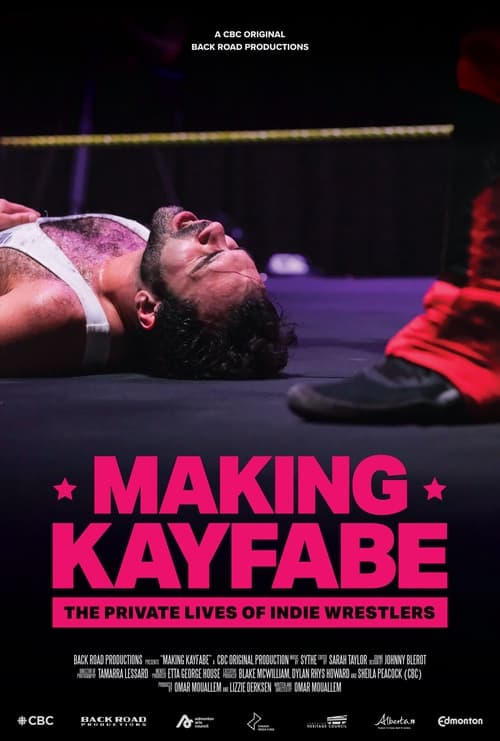
Facing a mid-life crisis, a journalist discovers the regular folk moonlighting as indie wrestlers, who help him transform his childhood dream into reality as "Fake Nooz Neville."
A documentary film exposing the truth about psychics and fortune-tellers. All the ins and outs of magical TV shows and services of the most famous psychics with evidence, names and prices.
Under pressure to continue a winning tradition in American tennis, Mardy Fish faced mental health challenges that changed his life on and off the court.
No overview available.
Using testimonies by pioneers and witnesses of the times, delve into the feverish visual culture the media generated – with far-fetched examples of canine television games, seduction manuals, aerobics class while holding a baby, among others.
Mindfulness is the art of simply being present. From Oprah to Phil Jackson to Anderson Cooper, it's an art practiced by some of the world's most successful people. Brought to the west by Zen Buddhist Monk Thich Nhat Hanh, who was once nominated for a Nobel Peace Prize by Dr. Martin Luther King Jr., mindfulness has recently gained mainstream popularity in both the media and in mental health treatment. This film features insights from Deepak Chopra, Thich Nhat Hanh, Sharon Stone, Oliver Stone, Cesar Milan, and many more. Watch it and learn how to embrace mindfulness in your own life!
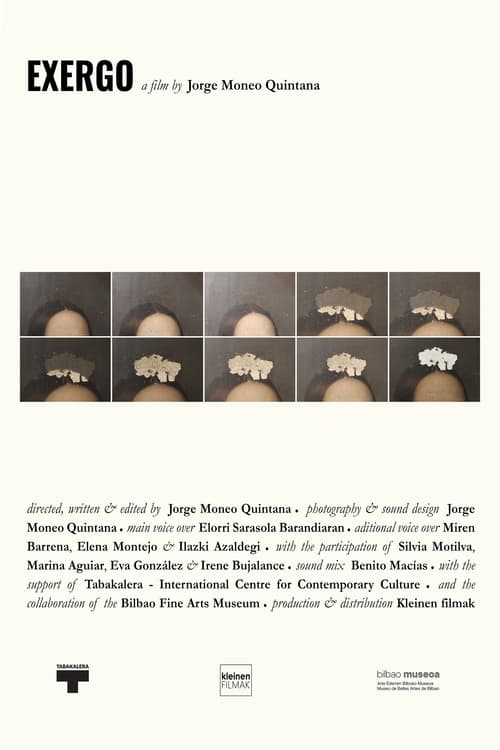
Departing from peripheral details of some paintings of the Bilbao Fine Arts Museum, a female narrator unravels several stories related to the economic, social and psychological conditions of past and current artists.
Cruelty, psychological and sexual violence, humiliations: reality television seems to have gone mad. His debut in the early 2000s inaugurated a new era in the history of the audio-visual. Fifty years of archives trace the evolution of entertainment: how the staging of intimacy during the 80s opened new territories, how the privatization of the biggest channels has changed the relationship with the spectator. With the contribution of specialists, including philosopher Bernard Stiegler, this documentary demonstrates how emotion has made way for the exacerbation of the most destructive impulses.
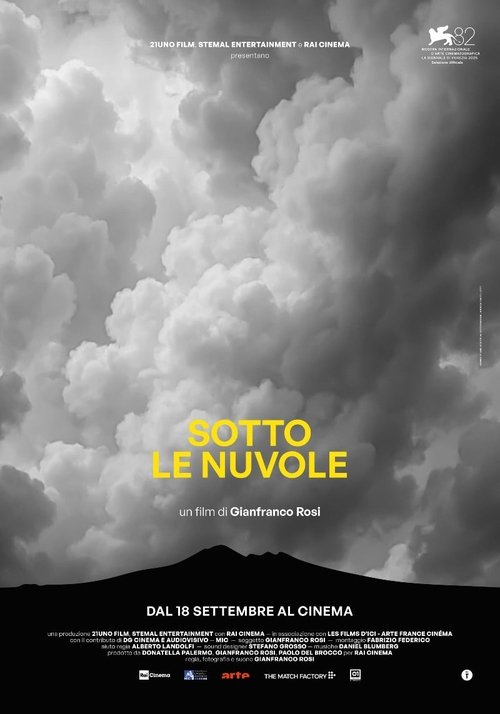
Naples faces dual volcanic threats from Vesuvius and Campi Flegrei. Amid increasing tremors, archaeologists work as residents live anxiously, haunted by Pompeii's fate while emergency services strain.
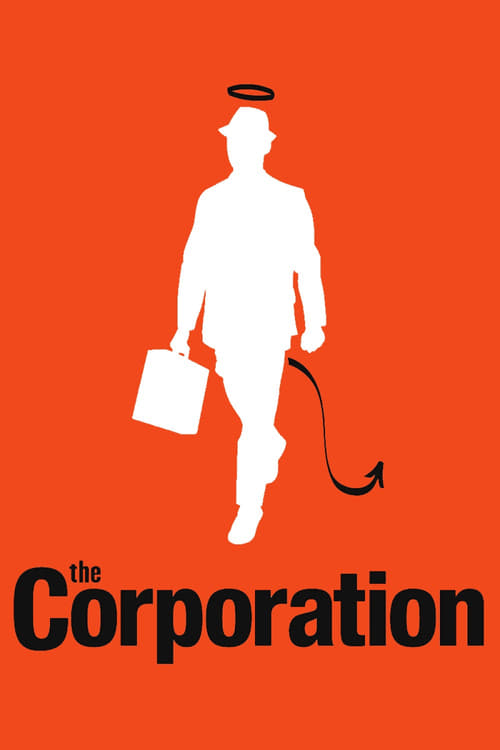
Since the late 18th century American legal decision that the business corporation organizational model is legally a person, it has become a dominant economic, political and social force around the globe. This film takes an in-depth psychological examination of the organization model through various case studies. What the study illustrates is that in the its behaviour, this type of "person" typically acts like a dangerously destructive psychopath without conscience. Furthermore, we see the profound threat this psychopath has for our world and our future, but also how the people with courage, intelligence and determination can do to stop it.
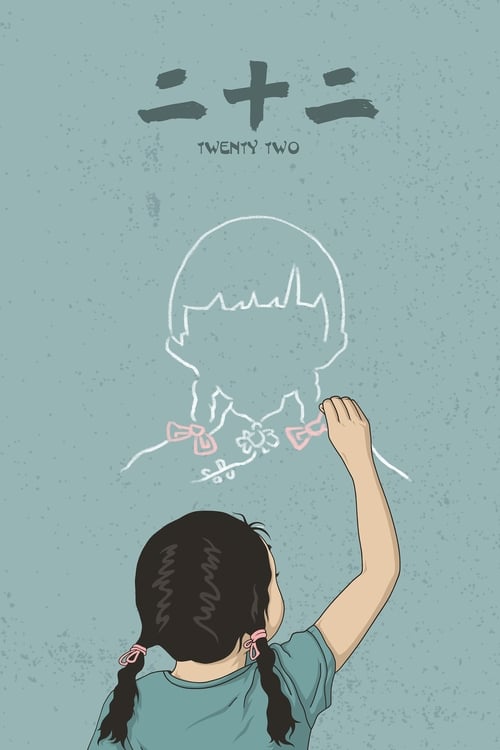
Follow the lives of the elderly survivors who were forced into sex slavery as “Comfort Women” by the Japanese during World War II. At the time of filming, only 22 of these women were still alive to tell their story. Through their own personal histories and perspectives, they tell a tale that should never be forgotten to generations unaware of the brutalization that occurred.
Himself
Herself
No Trailers found.