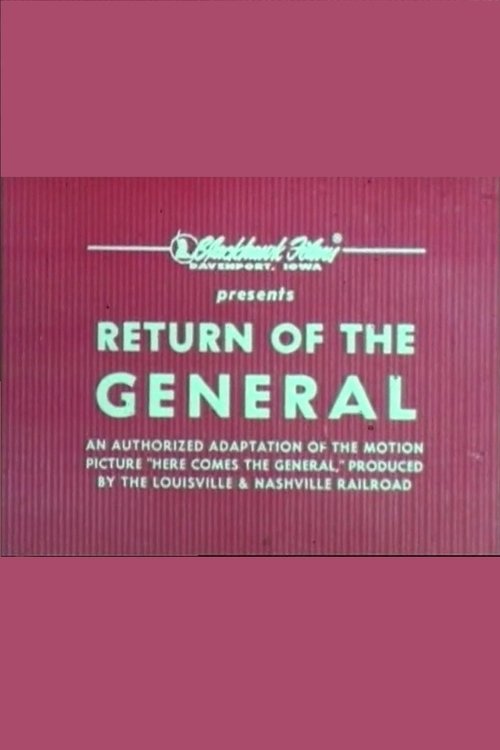
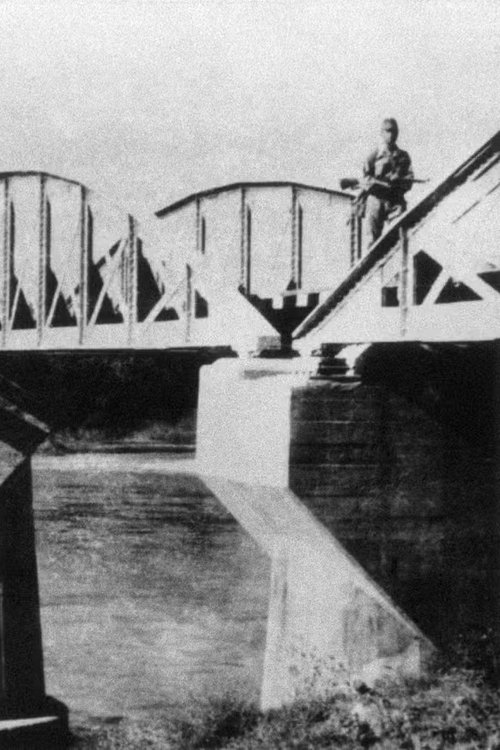
A short documentary profiling the restoration and anniversary exhibition of the titular 4-4-0 steam locomotive, undertaken in honor of the Centennial of the start of the American Civil War in 1961.
No Trailers found.
No overview available.
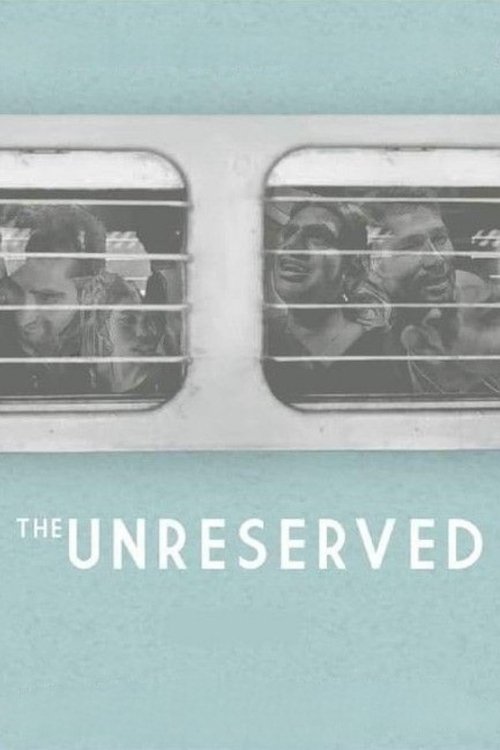
The Unreserved is an inquiry into the lives of passengers who use the Unreserved Compartment, the cheapest way to travel across India on the Indian Railways system. The film portrays the passengers’ aspirations, efforts and opinions through conversations and personal stories.
A day in the city of Berlin, which experienced an industrial boom in the 1920s, and still provides an insight into the living and working conditions at that time. Germany had just recovered a little from the worst consequences of the First World War, the great economic crisis was still a few years away and Hitler was not yet an issue at the time.
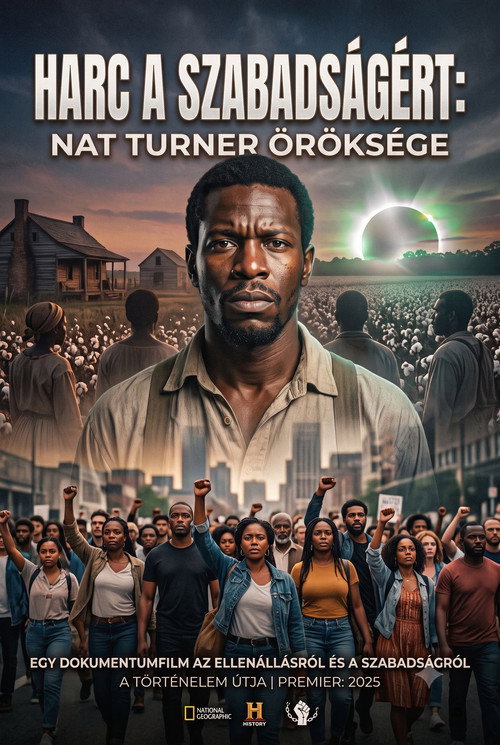
In 1831 African American slave, and preacher, Nat Turner lead a bloody slave revolt in Southampton County, Virginia. It was a fight against the enslavement of African and American people of color who longed for freedom from tyranny. This one-hour doc follows Roger Guenveur Smith as he travels to Southampton County, Virginia to take viewers on a physical journey through the town, fields and farms where Turner lived, fought, and died; along the way meeting with academics, locals, and descendants to peel back the layers of one of the most misunderstood Americans in history. In addition to candid discussions on historical and contemporary racial tensions, Roger asks us to consider why Turner is not lofted up across America as an early black revolutionary figure who helped to shape the nation.
A bipartisan group of U.S. defense, intelligence, and elected policymakers spanning five presidential administrations participate in an unscripted role-play exercise in which they confront a political coup backed by rogue members of the U.S. military, in the wake of a contested presidential election.
It is El Salvador, 1989, three years before the end of a brutal civil war that took 75,000 lives. Maria Serrano, wife, mother, and guerrilla leader is on the front lines of the battle for her people and her country. With unprecedented access to FMLN guerrilla camps, the filmmakers dramatically chronicle Maria's daily life in the war.
Built in 1923, the Flying Scotsman was the first steam locomotive to run at 100 miles an hour and to star in its own feature film. This is the untold story of the iconic Flying Scotsman-the very best in the engineering of its time.
Between one carriage and another, passengers tell their stories over a train journey.
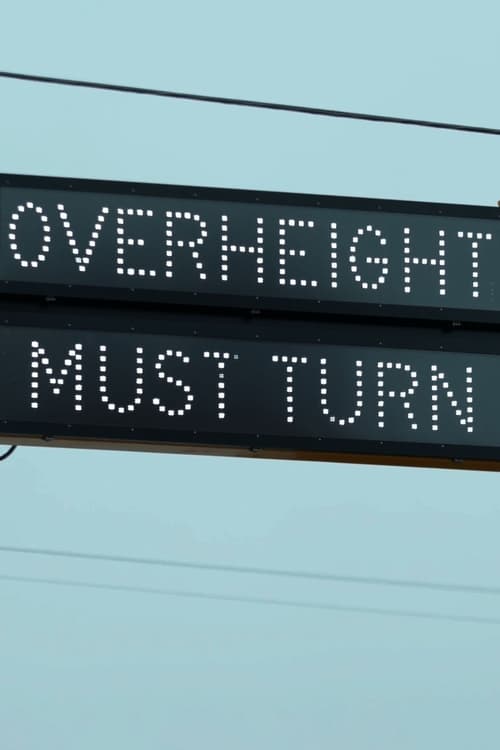
For the past ten years, Jürgen Henn has filmed over-height trucks crashing into the 11foot8 train bridge affectionately nicknamed the "Can Opener." In that time, millions have viewed the crashes online. Regional, national, and international news organizations have dined out on the story and the goofy crash reels. But why do motorists continue to crash despite the many warnings, sensors, and signs? And what is it about these crashes that holds our attention? In this piece, we look for the humanity in human error.
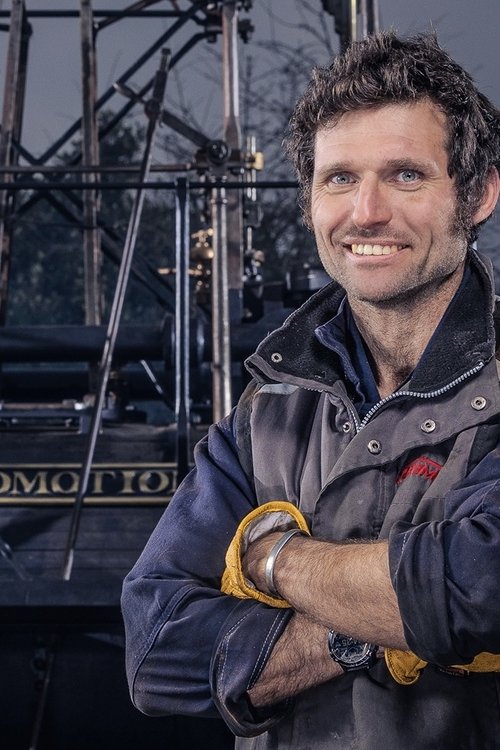
Celebrating 200 years of rail, Guy helps to rebuild, and learns to drive, the world’s most important train for a recreation of the journey that changed history: the Stockton to Darlington Railway
On the Train captures from the birth to the last moment of the railway, 98.2 kilometers long and opened in 1992, crossing southern Taiwan.
Canadian Pacific I is made up of a series of slowly dissolved shots done from the same framing over several months. The camera frames a window with a railway yard in the foreground, a bay in the space behind it, and misty mountains in the extreme distance. Trains occasionally pass by in the foreground. Huge ships move across the bay. Blue mists hover over the mountain heads.
Fleeing the 1980 Civil War in El Salvador, Dora Rodriguez, among a group of twenty-five asylum seekers, were abandoned by their guide and left to fend for themselves in the relentless Sonoran desert of Arizona.
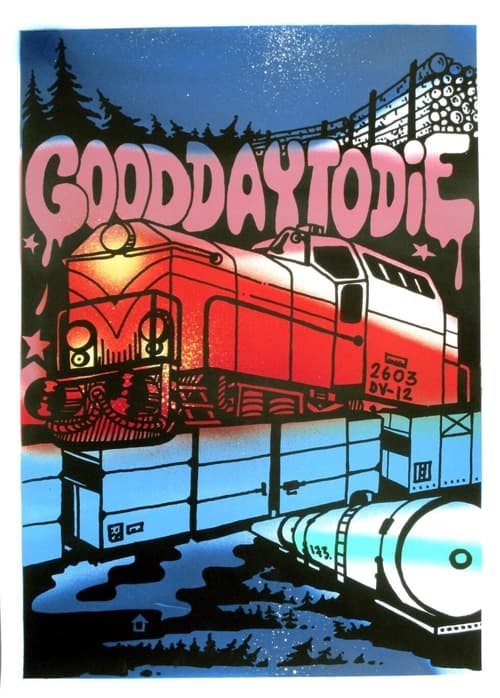
Several films have been made about the lives of train hobos, but Aleksi Pohjavirta's A Good Day to Die is probably the first Finnish documentary on the subject. The film follows Billy, who travels in a pump on freight trains. In the way of life, the feeling of freedom and letting yourself be carried away by chance are attractive and they make the train bomb strive for a windy ride again and again.
A short documentary about the construction of the parisian subway in the 50s.
No Cast found.