The movie dramatizes the last Indian uprising in Argentina, which happened in the north of the country, in the Chaco region, in the early 1900s.
Cacique
Jesús Salvador
Rosa Paiquí
Himself
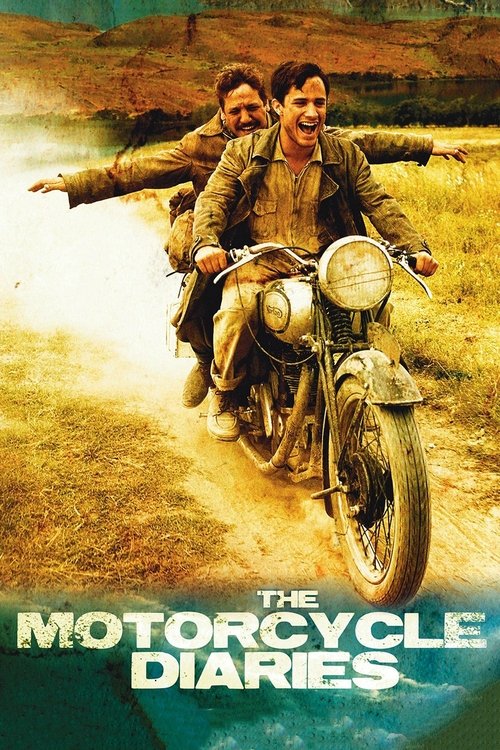
Based on the journals of Che Guevara, leader of the Cuban Revolution. In his memoirs, Guevara recounts adventures he and best friend Alberto Granado had while crossing South America by motorcycle in the early 1950s.
A broken heart makes Sergio reject the city......A city full of late adolescents, girls that make you cry, drunks worried about matters they couldn´t handle even sober...and songs that say all that they would have wanted to say (if they knew that they needed to say something)
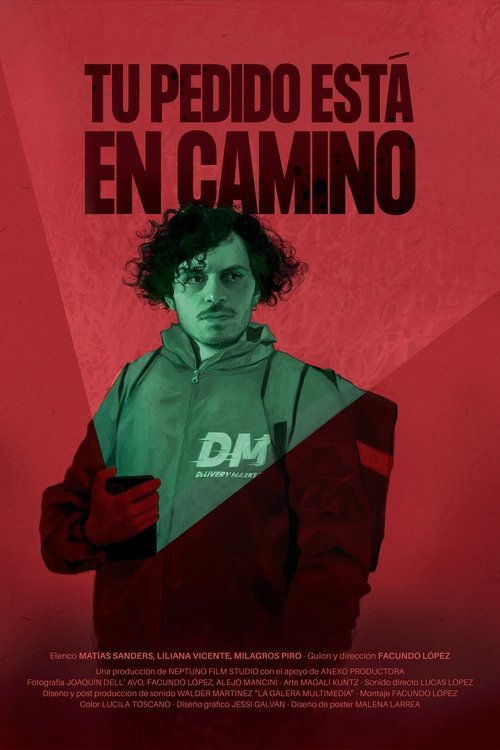
The app buzzes: a new urgent order. A delivery rider's race against time turns into a claustrophobic nightmare when he gets trapped inside the home of a confused elderly woman.
Documentary about the life and work of Jorge Luis Borges, from his own memories and reflections.
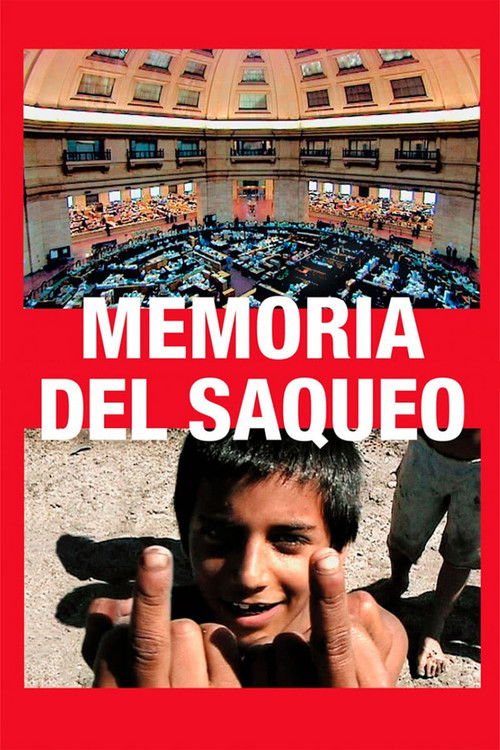
After the fall of the military dictatorship in 1983, successive democratic governments launched a series of reforms purporting to turn Argentina into the world's most liberal and prosperous economy. Less than twenty years later, the Argentinians have lost literally everything: major national companies have been sold well below value to foreign corporations; the proceeds of privatizations have been diverted into the pockets of corrupt officials; revised labour laws have taken away all rights from employees; in a country that is traditionally an important exporter of foodstuffs, malnutrition is widespread; millions of people are unemployed and sinking into poverty; and their savings have disappeared in a final banking collapse. The film highlights numerous political, financial, social and judicial aspects that mark out Argentina's road to ruin.
Jose is an elderly rebel who, after being refused a withdrawal at a bank, returns with a gun and threatens to shoot himself if he doesn't get his cash. Pedro, a young teller, is disillusioned with his life and sees Jose's stunt as a way out when he pretends to be taken hostage, leaving the bank with the old man and a hefty amount of money. The unlikely duo become friends, picking up tough-girl Ana along the way, while avoiding the police.
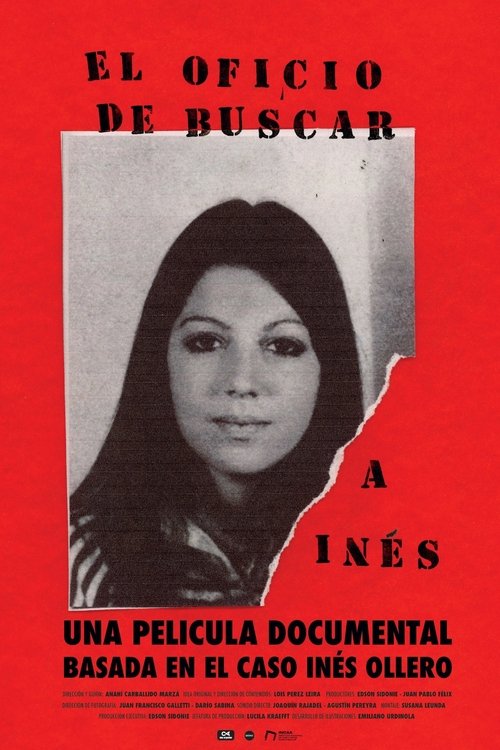
On the night of July 19, 1977, Inés was traveling by bus when a military patrol detained all the passengers. That morning, almost everyone was released except Inés. Her father began a never-ending search that led him to the very center of Argentina's repressive apparatus. The judicial path and the love of a family that never stops.
A quiet, epileptic taxidermist plans the perfect crime. All he needs is the right opportunity. An accident, perhaps…
In the 1820s, a frontiersman, Hugh Glass, sets out on a path of vengeance against those who left him for dead after a bear mauling.
A documentary following the day life of fans in Brazil on July 13, 2014: the day when Germany and Argentina met up in the finals of FIFA World Cup.
A Hollywood actor grows tired of making the same corporate movies, so he moves to Argentina to find more experimental and meaningful work.
A long night's journey into day: Victor, a street hustler in the Santa Fe and Pueyrredón neighborhoods of Buenos Aires, from the evening of November 1, All Saints Day, to the dawn of November 2, All Souls Day. Victor's odyssey takes him from clients to friends to a gay gym then a hotel room and an all-night café. He plays pick-up soccer with kids whose parents are going through trash or waiting in parks. A vendor gives him a chrysanthemum. It seems he's being followed, and on the night streets, death is close at hand. Can Victor survive until dawn?
A group under siege at an Army fort grapple with painful memories.
Through testimonies and images, the crude reality of human rights in Argentina in democracy is portrayed and the role of the hegemonic means of communication to make causes and protests invisible ...
No overview available.
Ana is a woman of thirty-something, goes back to the house where she spent of her childhood during the Argentine dictatorship.
It is a significant day for 80 year old Antonio. After an absence of many years, his estranged son is coming to visit. All must be perfect. There will be a toast with a very special champagne an embrace; warm words that may finally bridge the gap between them-- But before, Antonio must wait. Bedridden, he looks out his window at the Patagonian landscape and sees light and life, the past and the pr
A woman is in shock at the loss of her baby after being ferociously beaten by her husband. Clementina’s trauma causes her to see ghosts.
Remembering his old memories, he will leave a photograph in every place where he was happy.
A woman from the country moves into to the big city of Buenos Aires to start a new life. Things are not going very easy and she soon finds herself working as a prostitute.
No Trailers found.