No Trailers found.
No Cast found.
No overview available.
What was once the "Island of Calm" is now on the verge of collapse. Multiple alarm bells are starting to ring. Is this model of tourism sustainable? Could Mallorca become a reference for so many other places suffering from the same problem?
In the 1980s, young people of North African descent born in France and a priest from the Lyon suburbs organized the "March of the Beurs." Launched on October 15, 1983, by seventeen people from the La Cayolle neighborhood in Marseille following a racist crime, the march concluded two months later—on December 3—on the streets of Paris, with 100,000 participants. This movement demanded equal rights. Was their cry heard?
Based on a poem and archive images, the military aggression of the US army stationed in the Canal Zone against the Panamanian people who demand to raise their flag in the territory occupied since the beginning of the 20th century is reconstructed and denounced. The aggression that occurred between January 9 and 11, 1964 left a balance of 21 patriots.
In March 1973, the United Nations Security Council met in Panama City to debate the Panamanian claim for a new treaty that would end the colonial presence of the United States in its territory. The majority of the participating states of the Council recognize the justice of Panama's cause and give it their support, but the United States vetoes the resolution.
Afro-Antillean workers hired for the construction of the Panama Canal are brought from their homes to work in conditions that were not those promised. They, the descendants of African slaves and domesticated from England, manage to raise their voices against American injustices.
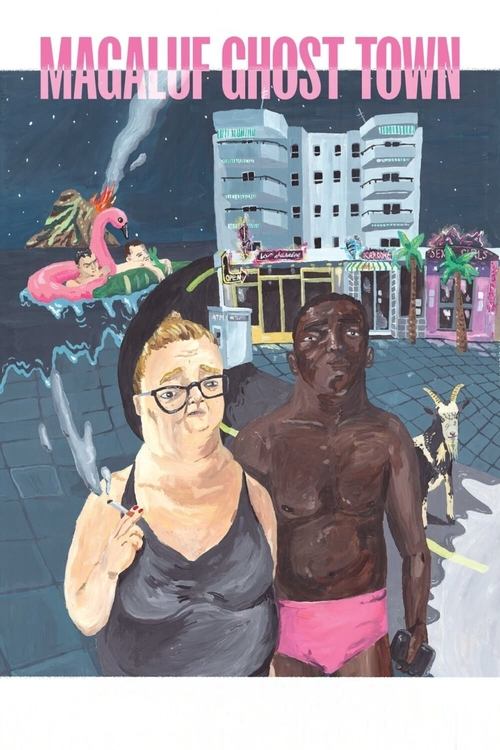
At the height of the summer tourist season, the Spanish beach town Magaluf turns into a hellscape of the low-cost travel industry. For eight weeks every year, over one million mostly British vacationers ride an alcohol-soaked tide of public urination, fisticuffs and ambulance sirens for recreation. Instead of assembling a clip-reel of "balconing," when drunk idiots jump into hotel pools from their balconies, filmmaker Miguel Ángel Blanca crafts a far deeper and atmospheric look at a place where visitors and locals alike are driven by pleasure. Long-time resident Maria has little time left, so she takes in a seasonal lodger who listens to her relive her glory days. An enterprising real estate agent peddles an extravagant development, while a young gay man drifts without any plans beyond robbing a tourist for kicks. Part ghost story, part foreboding parable, this is a stylish and vivid impression of people and a place dreaming of escape. Myrocia Watamaniuk (Hot Docs)
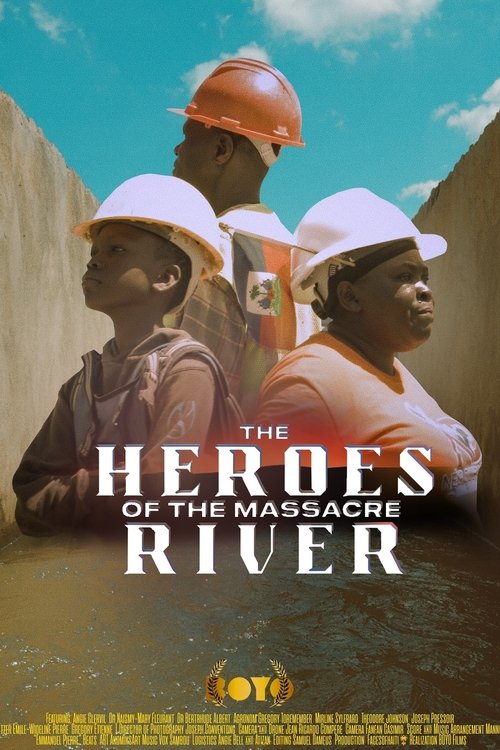
The Heroes of the Massacre River is a powerful documentary that chronicles the stories of the pioneers behind the construction of the historic Canal of Ouanaminthe, a project that united Haitians across the nation and the diaspora. This film celebrates the groundbreaking efforts of key figures, centering on Dr. Bertrhude Albert, Dr. Naismy-Mary Fleurant, architect Wideline Pierre, economist Etzer Emile as well as dedicated canal workers Milourie Sylfrard, Theodore Johnson and Joseph Pressoir — all guided by the investigative journey of Max Angie Clervil. It also serves as a commentary on the complexity of colonialism and borders, tracing the role that the Massacre River continues to play in the history of Ayiti.
Bye Bye Barcelona is a documentary about a city and its relation to tourism , on the difficult coexistence between Barcelona the city and Barcelona the tourist destination
When the 2004 tsunami hit the coast of Sri Lanka, 65-year-old Anton Ambrose's wife and daughter were killed. "In five minutes," he says, "I lost everything." A year later, Anton returns to Sri Lanka. With him is his nephew, award-winning filmmaker Rohan Fernando. A Tamil, Anton moved to California in the 1970s and became a very successful gynecologist. His daughter, Orlantha, made the opposite journey, returning to Sri Lanka where she ran a non-profit group that gave underprivileged children free violin lessons. Blood and Water is the story of one man's search for meaning in the face of overwhelming loss, but it is also filled with improbable characters, unintentional comedy and situational ironies.
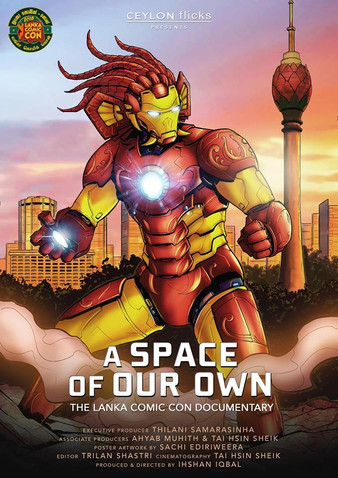
A Documentary about the Lanka Comic Con, history of how it started, and its community.
Jahan Jahan Charan Pade Raghuvar Ke (English title: Footprints of Lord Rama in His 14 Years Exile) is a 26-episode documentary web series retracing the 14-year Van Gaman of Lord Shri Ram as described in the Ramayana. The series follows the sacred route from Ayodhya to Lanka, documenting over 200 historically and culturally significant sites across India. Filmed on real locations rather than studio recreations, it captures authentic rivers, forests, caves and ashrams linked to Rama’s exile. The first phase covers Ayodhya, Shringverpur, Prayagraj and Chitrakoot, including Ram Ghat, Kamadgiri, Gupt Godavari, Sharbhanga Ashram, Suteekshan Ashram and Viradh Kund. Upcoming schedules extend through Dandakaranya (Chhattisgarh), Panchvati (Nashik), Kishkindha (Hampi) and Dhanushkodi. Produced by Pomy Films, the series is hosted and directed by international award-winning filmmaker Sunil Babbar, blending spiritual reflection with on-ground historical documentation.
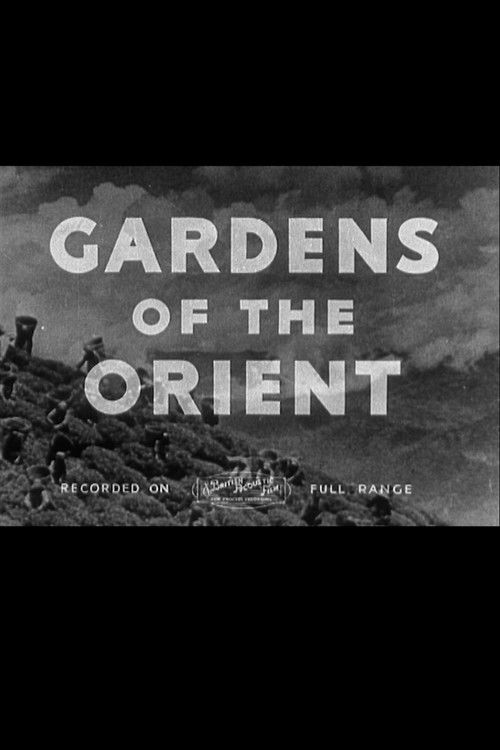
This portait of life on the tea plantations is decidedly rosy – clearly, there are no exploited workers here. However, the film provides an intriguing overview of tea production – from the planting of tea seeds to the final shipping of the precious leaves across the globe.
In this revealing program, noted author and economic activist Naomi Klein offers a lecture and a candid interview in which she expounds on the ideas at the heart of her best-selling book.
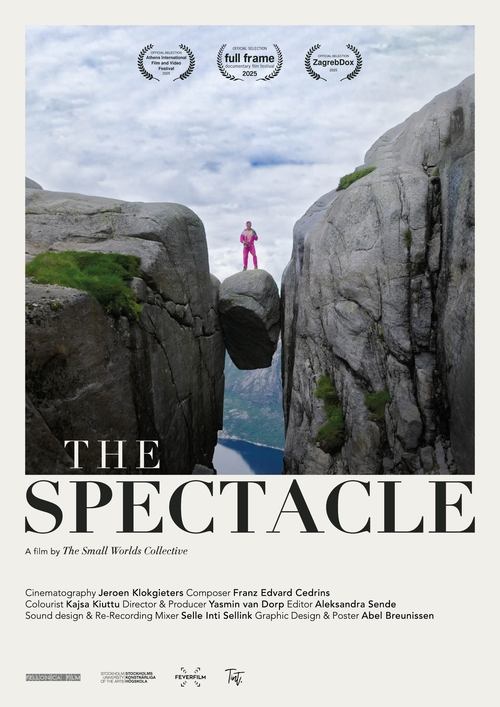
The Spectacle is a short reflective documentary that explores the world of modern tourism. Filmed in various locations across Europe, the documentary unveils the transformation of serene landscapes into bustling tourist attractions. What remains truly seen and felt amidst the curated snapshots of our adventures?
Part ethnographic film and part experimental film, கோயில் (The Temple) is a hybrid piece of cinematography that questions the act of observing.
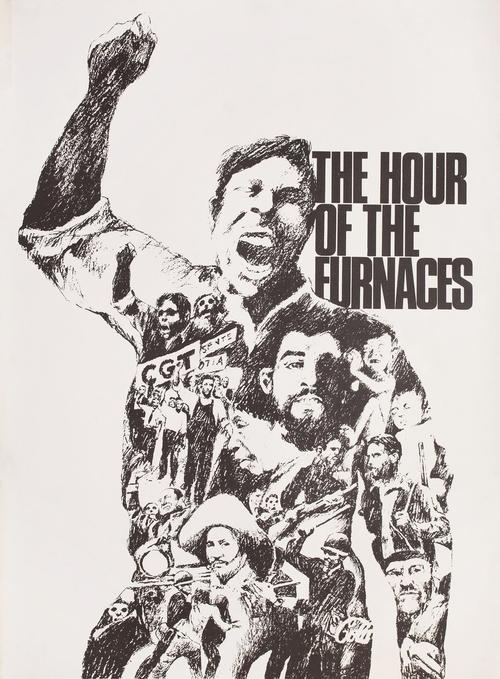
An impassioned three-part documentary of the liberation struggle waged throughout Latin America, using Argentina as a historical example of the imperialist exploitation of the continent. Part I: Neo-Colonialism and Violence is a historical, geographic, and economic analysis of Argentina. Part II: An Act For Liberation examines the ten-year reign of Juan Perón (1945-55) and the activities of the Peronist movement after his fall from power. Part III: Violence and Liberation studies the role of violence in the national liberation process and constitutes a call for action.
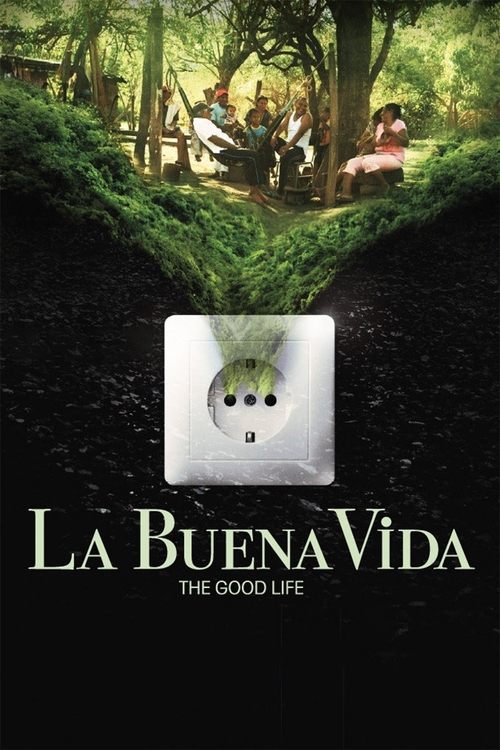
The village of Tamaquito lies deep in the forests of Colombia. Here, nature provides the people with everything they need. But the Wayúu community's way of life is being destroyed by the vast and rapidly growing El Cerrejón coal mine. Determined to save his community from forced resettlement, the leader Jairo Fuentes negotiates with the mine's operators, which soon becomes a fight to survive.