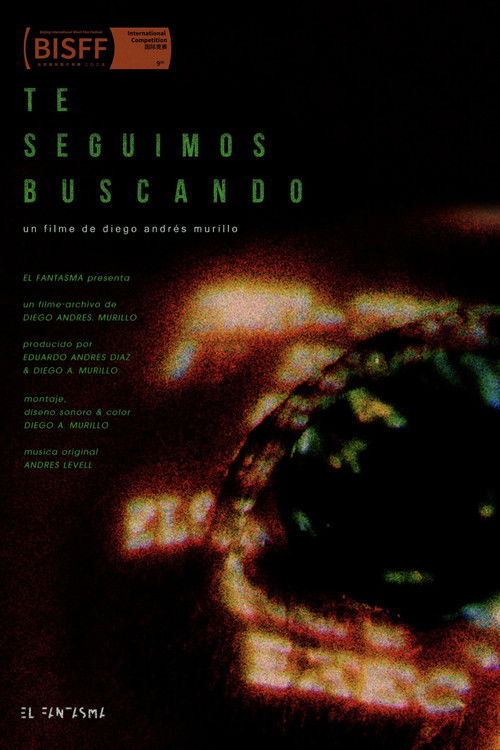
A machine-voice makes a "sad film of his homeland" for a dying patient to ease its passing: footage from Kennedy's visit to Venezuela in 61' creeps through montage errors, and a seemingly endless poem comes alive one last time.
Trailer
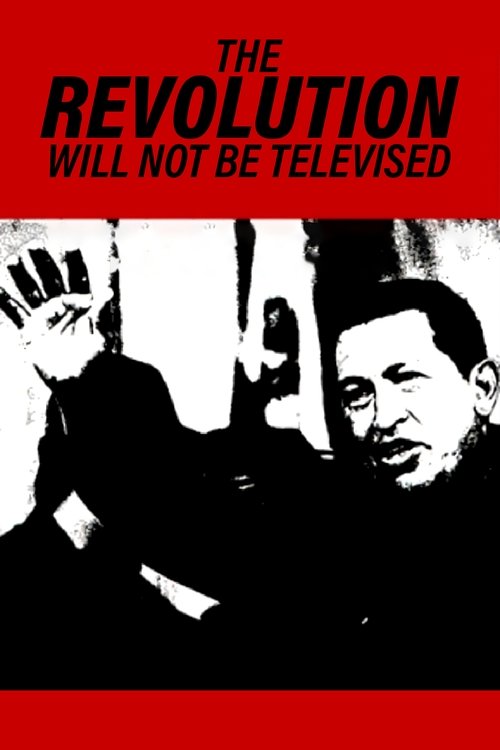
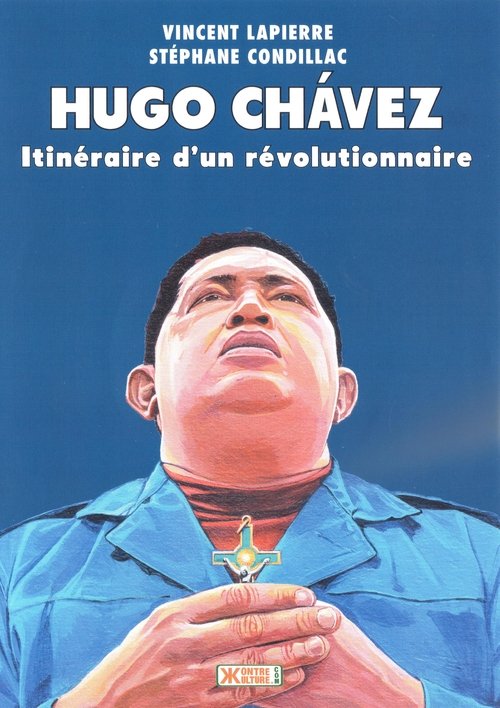
Hugo Chavez was a colourful, unpredictable folk hero who was beloved by his nation’s working class. He was elected president of Venezuela in 1998, and proved to be a tough, quixotic opponent to the power structure that wanted to depose him. When he was forcibly removed from office on 11 April 2002, two independent filmmakers were inside the presidential palace.
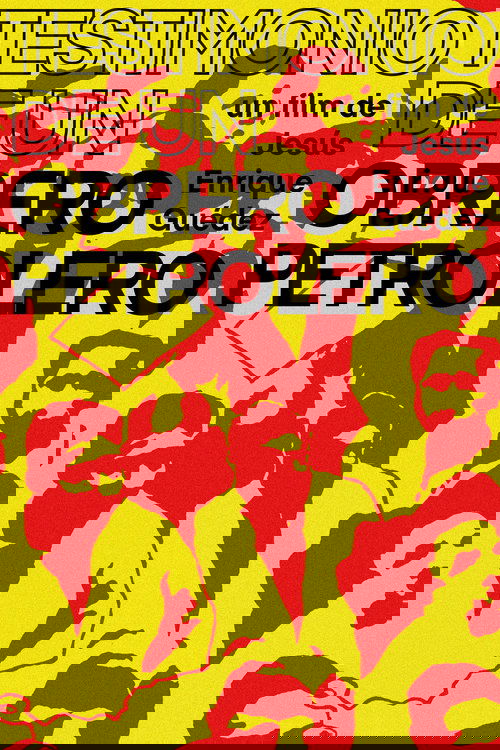
Through the testimony of Manuel Taborda, a pioneer of labor organizing in Venezuela’s oil fields, this documentary revisits the experiences of oil workers between 1920 and 1936. Their memories reveal a world marked by corporal punishment, exploitation, racial segregation, and disease, alongside the emergence of collective resistance against the American and British oil companies that controlled the industry and the government that enabled them.
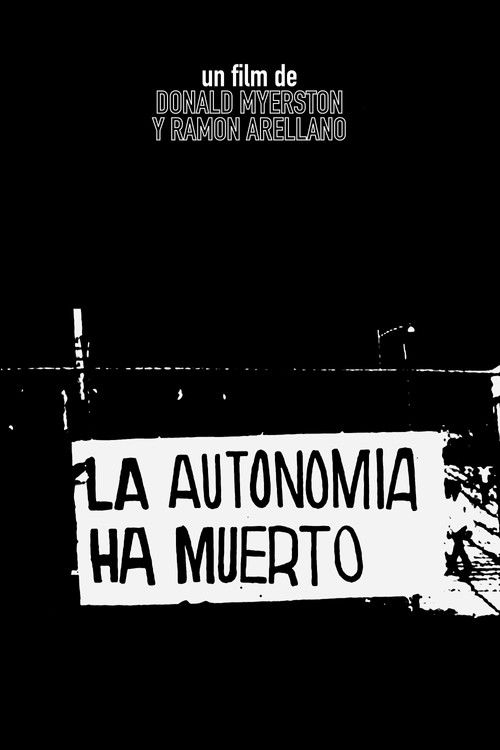
In 1969, the Renovación Universitaria movement and the subsequent raid on the Central University of Venezuela by the government of Rafael Caldera, triggered a strong wave of protest in the Institutes of Higher Education in Venezuela. This documentary collects part of the events that took place in the city of Mérida, Mérida State, where the University of the Andes is located.
No overview available.
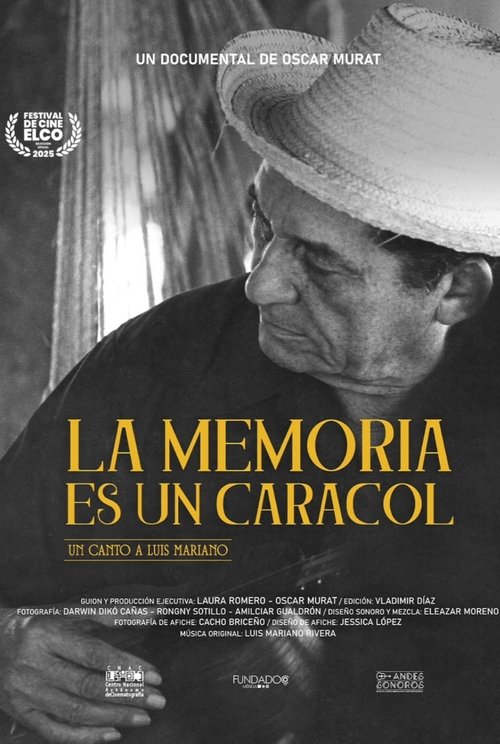
Documentary about the life of Luis Mariano Rivera.
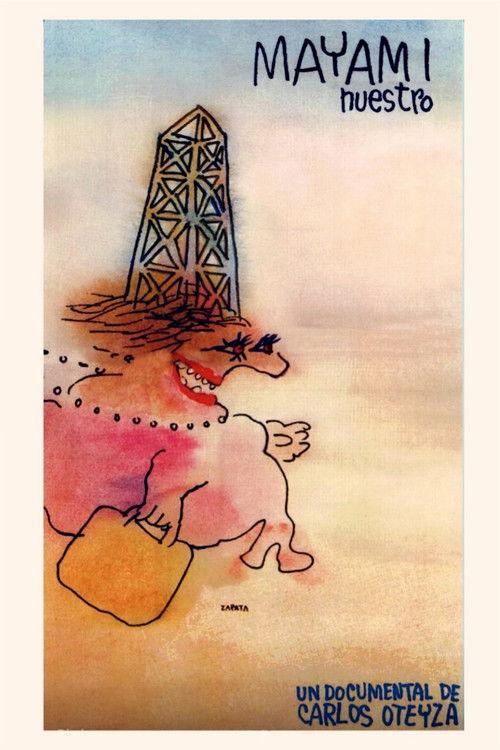
Mayami Nuestro goes beyond the slogan "tá barato, dame dos" (“it’s cheap, give me two”) to force a rethinking of Venezuela’s relationship with oil and national identity. Produced at the height of the oil boom, this 34-minute documentary examines Venezuelan lifestyles in the 1970s and early 1980s, questioning the consumerist fantasies fueled by petro-wealth. Through interviews with merchants, bankers, U.S. academics, and the testimonies of Venezuelans themselves, the film maps the era’s version of the “American Dream” as lived—and projected—abroad. Winner of national and international awards and directed by Carlos Oteyza, Mayami nuestro offers a sharp, historically grounded critique and an open invitation for new generations to reflect on the legacy of oil and its cultural consequences.
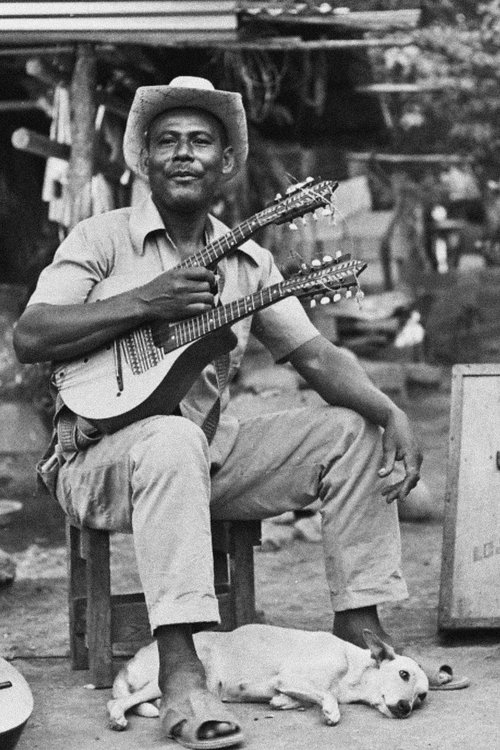
Cruz Quinal, "the mandolin king," lives near Cumana in a mountain valley surrounded by sugarcane fields. Perpetuating 16th century Spanish traditions of guitar-making, Cruz fashions such musical instruments as cuatros, marimba, escarpandola, and his own creation, a mandolin with two fretboards. He is an accomplished musician as well. In this moving portrait, Cruz compares himself to a decaying colonial church across the street: revered yet neglected, the village altar stands, paint peeling, under the open sky.
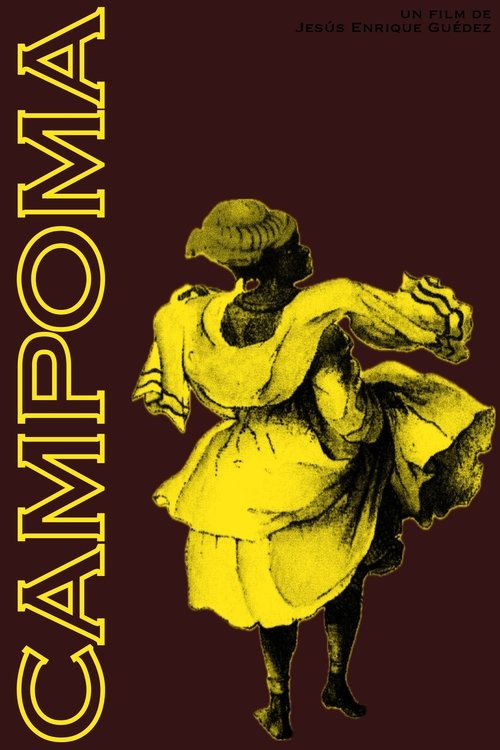
Short that tells the history of Campoma, a small Venezuelan town founded by black slaves.
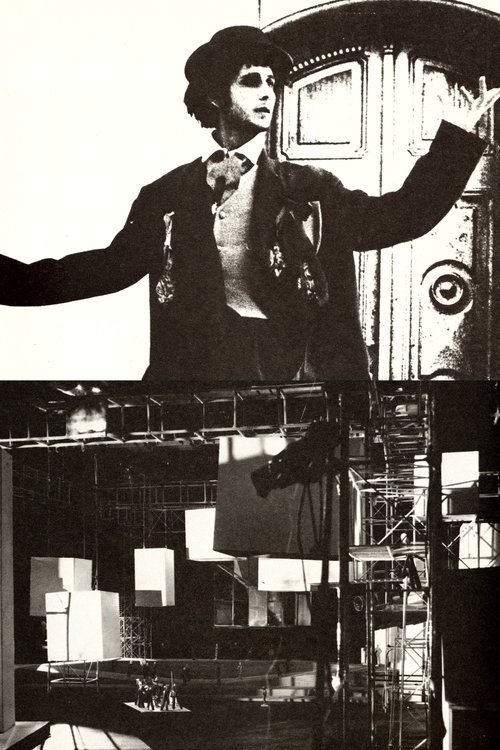
Imagen de Caracas was an experimental film spectacle, directed by Jacobo Borges and Mario Robles in 1968 for the 400 anniversary of the foundation of Caracas. It needed more than 48768 meters of film and 5000 actors.
The struggle of two men, Osuna and Funes, hungry for power and wealth in a small town in Venezuela, during the dictatorship of Juan Vicente Gómez.
Intertwined stories of people fighting for love, survival and the truth during quarantine.
Documentary about the life of Simón Bolívar, directed by Antonio Bacé.
Tells the story of the famed Build-a-Bear workshop, weaving together stories from when Maxine Clark first conceived the idea, the company’s struggles to stay afloat, and the endless happiness it has provided for children and adults alike.
"Before I left today, I almost forgot to answer a lot of e-mails."
An hour-long portrait of Canadian immigration lawyer, M. Lee Cohen, renowned for his work with refugees. The film follows his representation of Sonya Pecelj and Vladimir Zalipyatskikh. The first case follows a young woman, Sonya Pecelj from Kosovo, who seeks sanctuary for more than a year in a church; the second case follows a Russian sailor who dives off a ship in Halifax Harbour to escape virtual imprisonment by the Russian fish mafia.
In Chile, glaciers are melting, forests are burning, inequalities are growing, social revolt is roaring... Between reason and desire, Camila's thoughts waver: can she give birth to a child in this burning world?
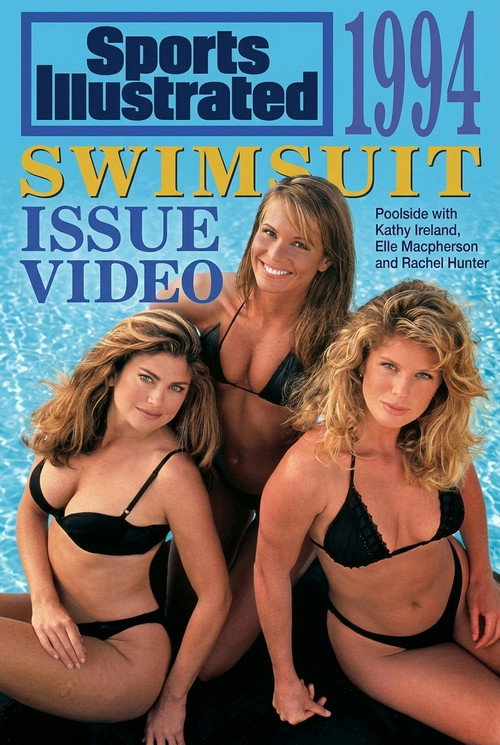
Sports Illustrated's 1994 Swimsuit Video
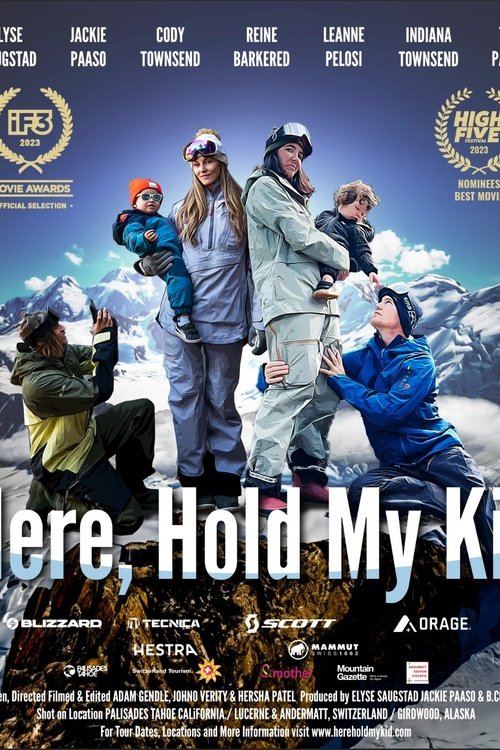
Two professional skiers, two new mothers, one sponsorship. A quirky documentary style film capturing the highs and lows of two women determined to succeed with side-splitting, hilarious moments.
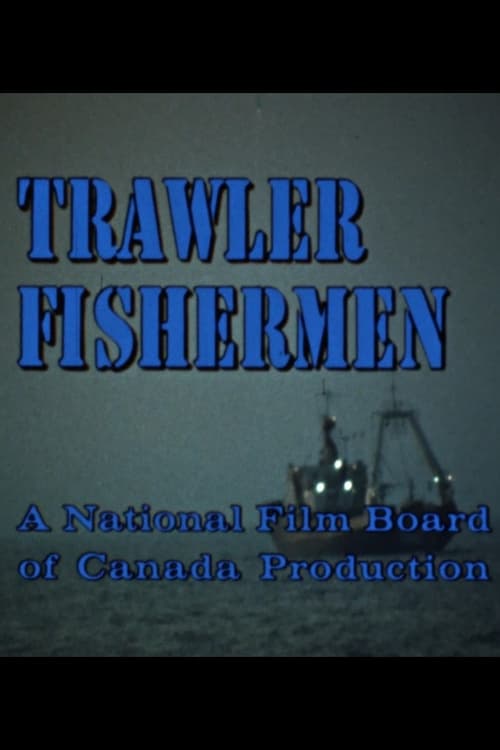
This short film was shot on the Grand Banks of Newfoundland and shows off the new technology employed on modern fishing boats in the mid-1960s. The featured trawler is open-stern style, allowing full nets to be dragged easily from the sea then lifted to release the silvery catch into the cleaning troughs. -NFB
No Cast found.