A portrait of Bremen, the city between yesterday and tomorrow.
No Trailers found.
An isolated village in the Lithuanian countryside. Seated in her house, an elderly woman recites an old folk story. Then she climbs up the tall ladder that takes her to the rooftop of the church.
To the city come men, women, fruits, flowers, vegetables, goats and sheep – all ready for consumption. It is the process of consumption/exploitation that forms the core of the film.
Based on an unrealized film script written in 1964 for The Homosexual Law Reform Society, a British organisation that campaigned for the decriminalization of homosexual relations between men, "The Colour Of His Hair" merges drama and documentary into a meditation on queer life before and after the partial legalization of homosexuality in 1967.
Filmed in New York in the summer of 2006: a march across the Brooklyn Bridge in support of the Palestinian and Lebanese populations. Habibi means "beloved" in Arabic.
What can be harder than "conquering the world" for an Italian woman of the XX century? Creating the perfect family.
A tribute to the late Pat Schulz, an influential Canadian feminist.
Director James Nguyen will release his short documentary film, CLIMATE FIX which suggests how carbon removal technology can be used to fix climate change-global warming.
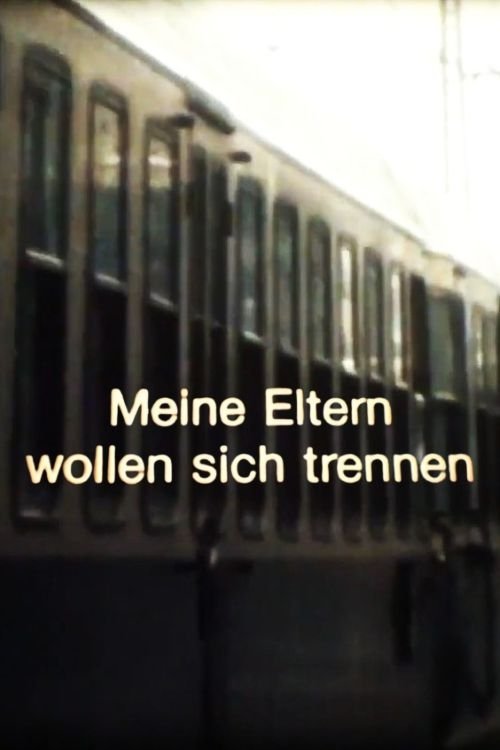
On the morning of her birthday, eight-year-old Katja learns what she has been afraid of for a long time: her parents want to separate. Instead of going to school, she takes the train into town to visit her older sister. Her sister tries to explain to Katja why everything happened and how things might continue.
Sometimes we get hooked on a place, a moment, or a person who’s gone. This film is about coming back, waiting, and asking yourself if you truly want something to happen—or if you're just in love with the memory of it.
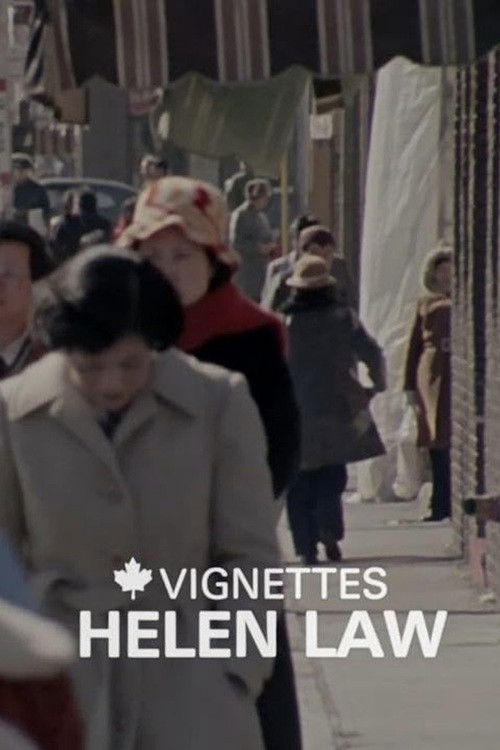
Profile of a Chinese immigrant to Canada narrated by her son.
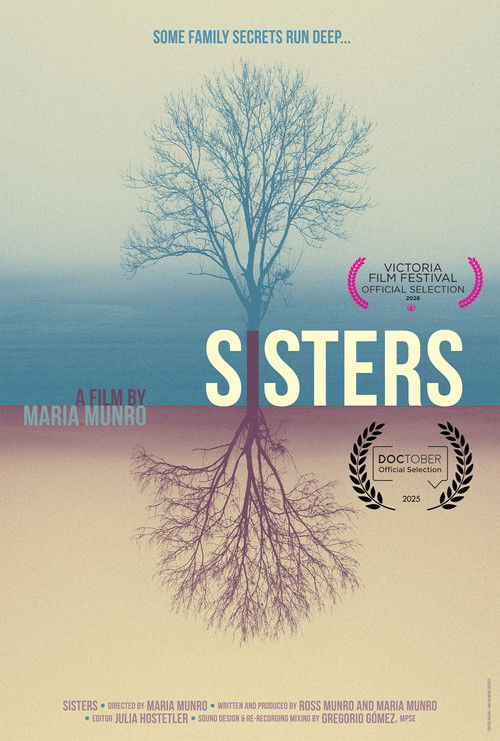
“Sisters” is a deeply personal story about my journey back to my home country of Venezuela to investigate the possibility of a long lost sister.
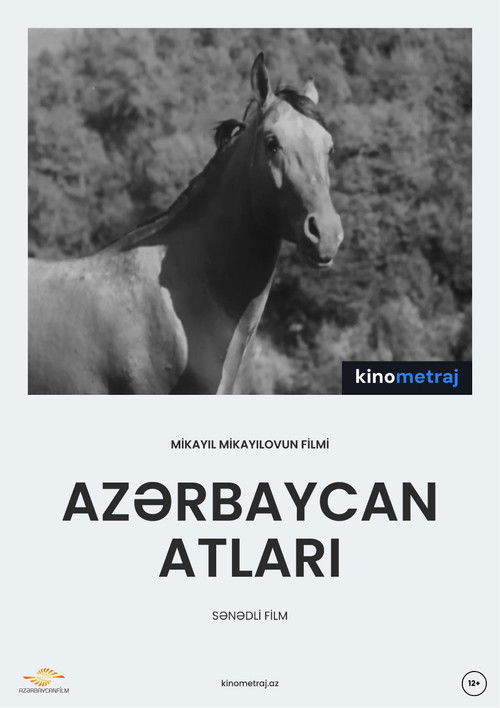
The film is about the breeding of the famous Karabakh horses at the Aghdam equestrian factory.
Sr. Raposo is a staged documentary about the daily life of Acácio, who found out he was HIV+ in 1995.
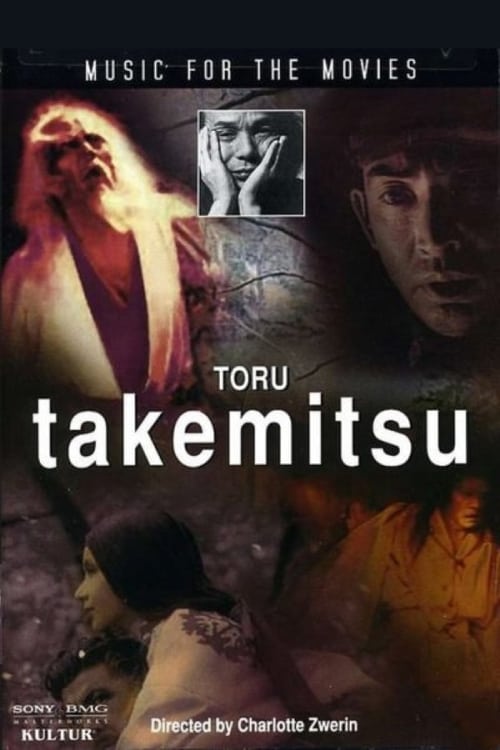
Inspired to write music after hearing the French song "Parlez-Moi d'Amour" during World War II, film composer Toru Takemitsu enjoyed a rich career working with many of Japanese cinema's greatest directors. Rarely interviewed filmmakers such as Hiroshi Teshigahara (Woman in the Dunes) and Masaki Kobayashi (Kaidan) expound on the varied sonic palettes Takemitsu left upon their works.
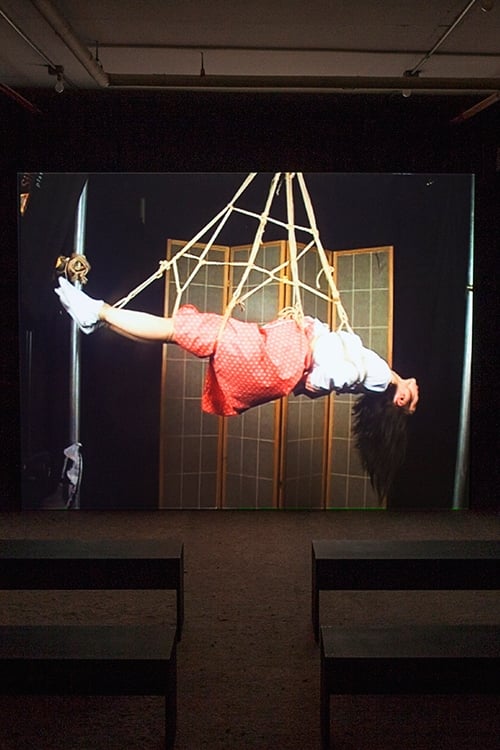
If all pictures became current, in that they pass by and in doing so, are connectable with one another, whether elegantly or obscenely, through translation or associationhow would it be possible to fasten down a picture? Hito Steyerls light-hearted picture translations are about fastening things in an elegant-obscene way: In Tokyo she is looking for a photo series that she posed for in 1987 as a rope bondage model. While making inquiries with experts and authorities in the bondage arts (which are mainly marketed online nowadays), she found what she was looking for in a magazine archive. The cinematic tension is extremely high just now says the translator while Steyerl looks through photos of herself from her days as a film student.
Argentina, 1960: a true crime story of how secret agent Zvi Aharoni hunts down one of the highest-ranking Nazi war criminals on the run.
Araf is an essayistic road movie and diary of a ghostly character, Nayia, who travels between Srebrenica, Sarajevo, and Mostar in Bosnia. She has been in exile since the war and returns for the 22nd memorial of the Srebrenica genocide. The film is guided by her diary notes of the journey, which merge with the myth of Daedalus and Icarus – Icarus being the name given to the winner of a bridge diving competition in her home country.
Shot in a single uncut sequence, Cinema Olanda Film connects an architectural location, a number of individuals, and past and present events through a momentary filmic reality.
The urge to relieve a winter valley of permanent shadow and find gold in alluvial gravel is part of a long history of desire and extraction in the far Canadian north. Cancan dancers, curlers, smelters, former city officials, and a curious cliff-side mirrored disc congregate to form a town portrait. Shot on location in Dawson City, Yukon Territory.
The film approaches the biographies of two women whose personalities were forcibly hidden behind their roles as wives and homemakers. They remained invisible until they themselves became the aggressors.
No Cast found.