No Trailers found.
No Cast found.
"The End of Bolsonaro" follows the historic trial at the Supreme Federal Court (STF) that led to the conviction of Jair Bolsonaro for attempted coup d'état, portraying the end of an authoritarian era and the victory of Brazilian democracy.
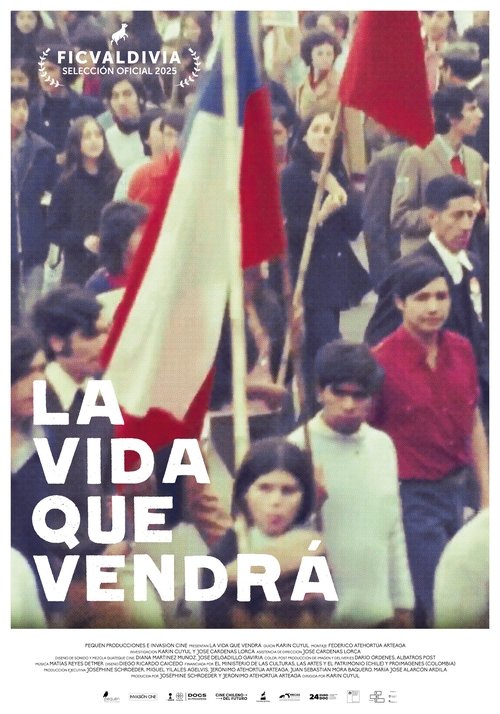
This documentary, made entirely of archival footage shot mainly by amateurs, revisits 50 years of Chilean history. A fascinating lesson in memory, this personal montage adopts a popular, even fringe, perspective to help write a more complete national memory. As the filmmaker asserts in her narration, there’s the history we’re told, the history we live, and the history we tell ourselves. Between the coup d’état of September 11, 1973, and the recent double failure of the new constitution project, this film shows that the people of Chile have long oscillated between excitement and disappointment, accumulating shattered hopes. Rejecting the pessimism that would trap us in collective immobility, Karin Cuyul instead draws on the past to ask how we can continue to dream of the necessary social and political changes.
The film follows the final days of Brazil’s 2022 presidential election through livestreams and edits on the Chinese social media platform TikTok, which at that time had around 80 million active users in the country.
No overview available.
To understand the obsession with federal deputy and presidential candidate Jair Bolsonaro (PSL) and how his network of support is structured on the internet, VICE went to São Paulo and Rio Grande do Sul to investigate its largest bases of support in the country.
Through abrupt soundtrack shifts, this short film jumps between historical political imagery to explore the cinematic language of propaganda, unpacking complex concepts through sensory explosions — from the Brazilian military dictatorship to the Chinese revolution.
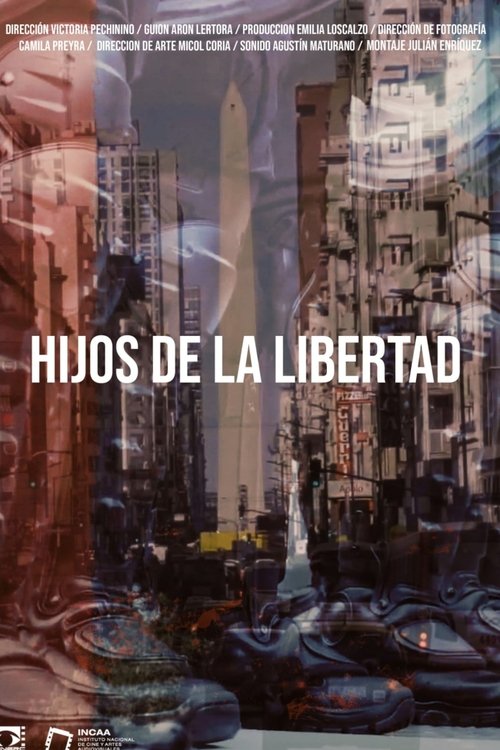
Buenos Aires seems like the ideal metropolis: stunning views, art and warm people. However, apathy and control threaten to overtake the city’s spirit to turn it into a place where the cruel are rewarded while the righteous are punished. Can we change the path?
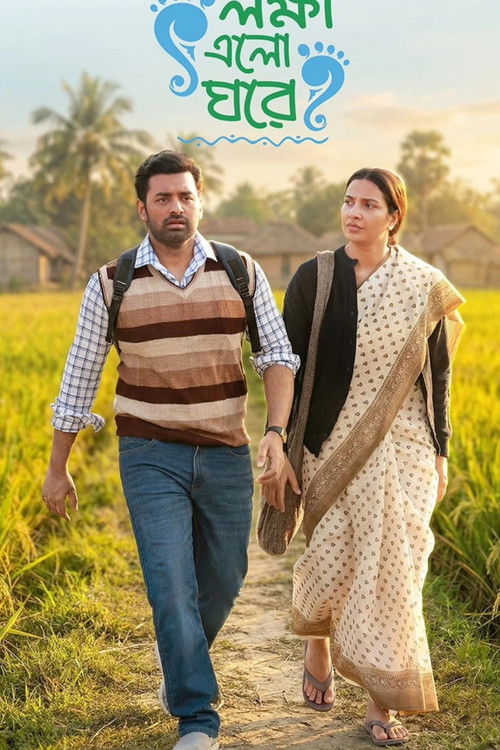
“Lokkhi Elo Ghore” is a socially rooted film that captures the everyday struggles and resilience of women across Bengal. It tells the story of a widowed woman who, after facing profound personal loss and economic hardship, gradually rebuilds her life with courage, dignity, and determination. The narrative reflects how timely institutional support and welfare interventions can enable self-reliance, restore confidence, and create pathways to social and economic empowerment. Through a deeply human lens, the film highlights the transformative impact of last-mile delivery of welfare schemes. At its core, “Lokkhi Elo Ghore” is a story of hope, resilience, and the quiet strength of women.
Three young professionals leading the government’s communications department make a critical mistake that jeopardizes the upcoming presidential election. To fix it, they must go to the very last extremes, even if it costs them their lives.
This Traveltalk series short visit to New Zealand starts in Auckland, a bustling, modern city. Next is Christchurch, home of Canterbury University, where rowing teams participate in a regatta. Nearby is Lake Wakatipu, which inspires artists to put their impressions on canvas. We then visit Rotorua, a city famous for its geysers, hot springs, bubbling mud pools, and other geothermal activity. At Ferry Springs there is lots of trout for fishing. Later, a group of natives performs a canoe dance.
The captivating tales of the people and events behind one of humanity's greatest achievements in exploration: NASA's Voyager mission.
'Miriam: Home Delivery' is a feature length documentary following one of the longest-practicing midwives in New York City. Miriam has a 'voice and a mission'. We are with her as she drives through the city, enabling those women who have made choices about how and where they give birth, against the cultural norm.
Portrait of Augustinas Baltrušaitis, film and theatre director, as well as actor, who fell into obscurity and has now been relegated to the margins of society, as a result of specific political circumstances. Countdown is a film about the limits of memory, the effects of the implacable passage of time, and a hope that surpasses time.
Karel Plicka was also cinematographer of this short movie. Editor in charge was Alexander Hackenschmied. There is an extraordinary emotional charge, every shot is working on its own, such as photographs, paintings and poetic complement intertitles in this short. From the perspective of nature and the perspective is shifting to the people and their habits, work and clothes. Peculiar documentary shots underscore Ruthenians (men, women and children) who are interested in looking into the camera and the curious "eye" showing off their habits.