No Trailers found.
St. Joseph Fort: Principality of Pontinha, the diamond that illuminates the Atlantic Pearl.
Three juxtaposing stories taking place in Portugal, Austria and Cuba create an intimate and poetic portrait of the daily lives and struggles of the elderly in an unstable world, seen through the eyes of their grandchildren.
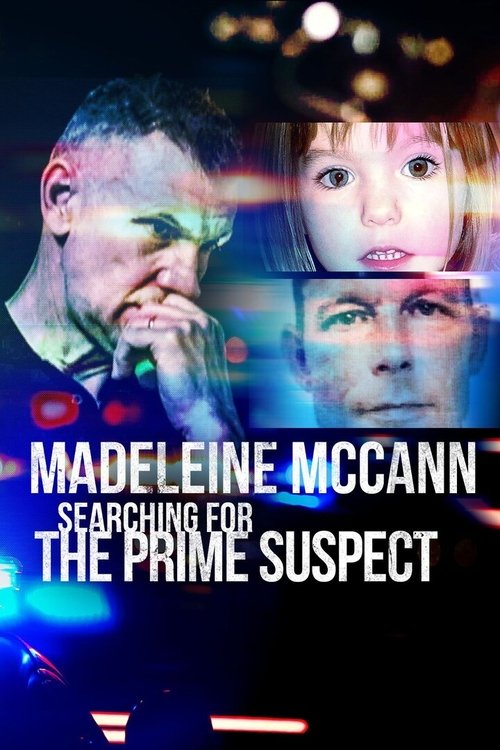
In this powerful new documentary, criminologist Dr Graham Hill, a former senior Met detective who was in Portugal during the early stages of the investigation assisting local police, returns to Praia da Luz for the first time. Revisiting the scene of her disappearance, unpicking Brueckner’s criminal history in both Portugal and Germany and meeting those who knew him to build a detailed offender profile, Dr Hill examines the case against the man who remains the prime suspect- and who has consistently denied any involvement in Madeleine McCann’s disappearance.
No overview available.
Filmed during lockdown 2020, ‘de Luz/Of Light’ explores fleeting perceptions and cyclic rituals of Portuguese coastal landscapes, specifically surrounding the Cabo Sardão Lighthouse in Beja, and constructs a complex audio-visual narrative through collaging together various natural rhythms (such as the sun and motion of the sea). This film is intended for screening with a 16:27 aspect ratio. The soundtrack was composed by sound artist Michelle Lewis-King.
"The End of Bolsonaro" follows the historic trial at the Supreme Federal Court (STF) that led to the conviction of Jair Bolsonaro for attempted coup d'état, portraying the end of an authoritarian era and the victory of Brazilian democracy.
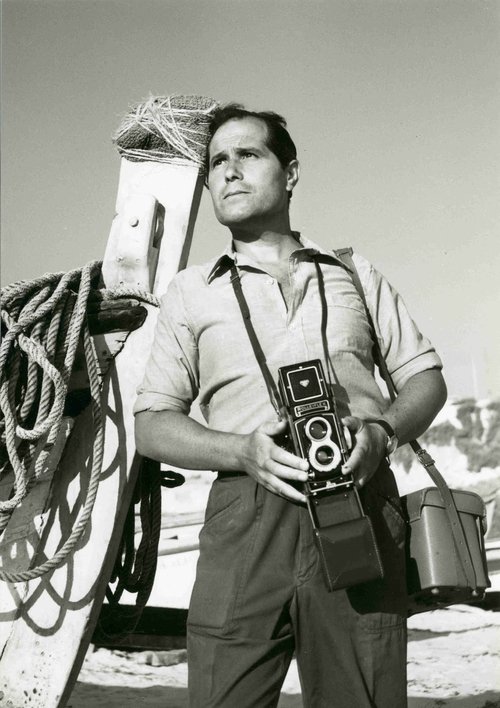
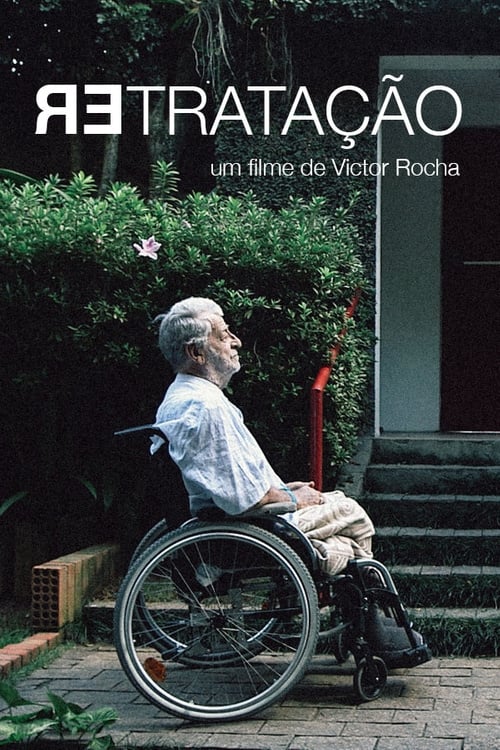
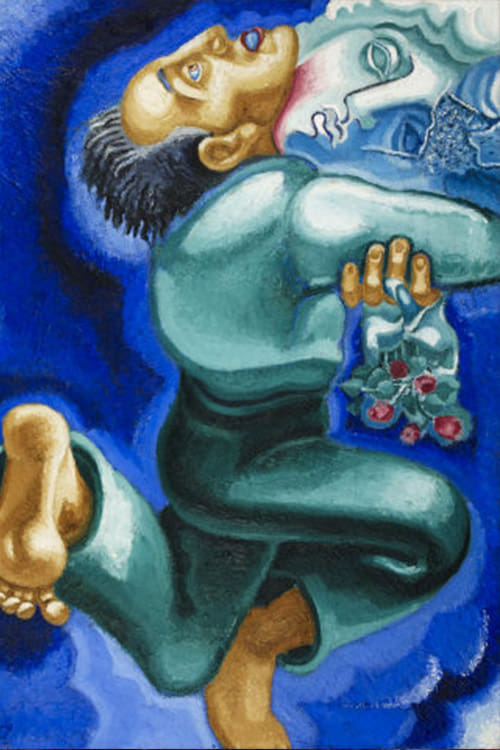
Fernando Lemos, a Portuguese surrealist artist, fled from dictatorship to Brazil in 1952 searching for something better. The movie follows the last moments of his journey and the struggle for the preservation of his legacy, trying to fulfill his last great desire: to be a good dead man.
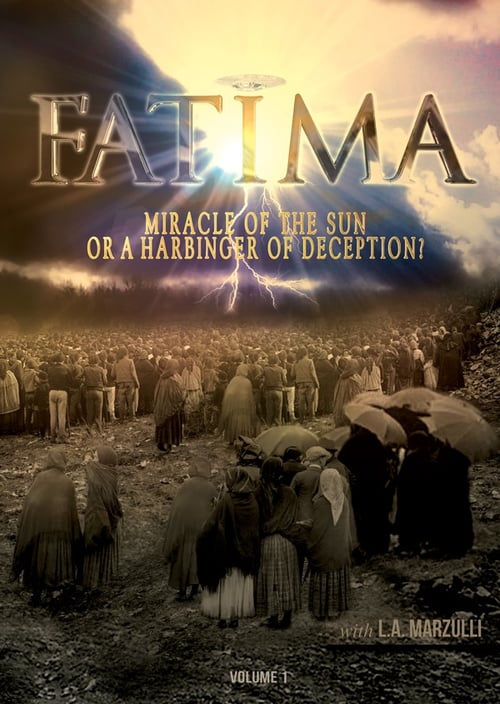
100 years ago an event happened that changed the world. Upwards of 70,000 were gathered in the little village of Fatima, Portugal. They were told, by an apparition that had appeared to three children—what many believed to be Mary of the Bible—that a miracle would occur. Something happened on October 13, 1917 and thousands of people witnessed it… It was called, The Miracle of the Sun.
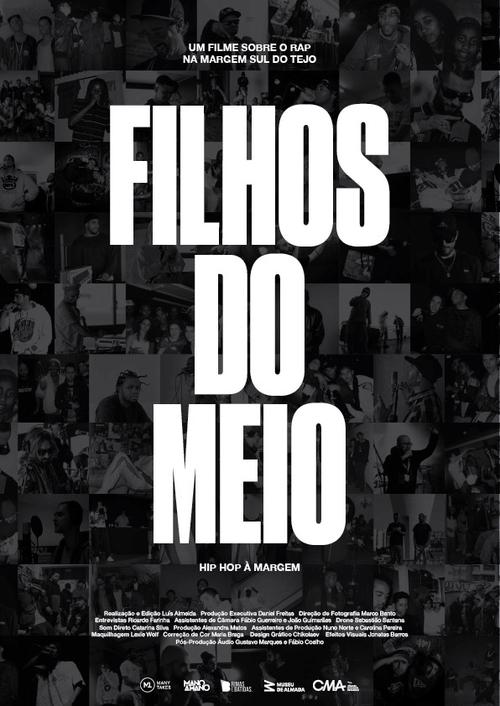
This film tells the story of rap music in Almada and Miratejo, one of the first major spots of this musical genre in Portugal. Guided by the protagonists who built and lived the movement intensively, we travel through their memories, stories, and inspirations to discover the great landmarks of this culture on the south banks of the Tagus River — built in a territory of demanding and politized working classes, with great cultural diversity in the post-Carnation Revolution.
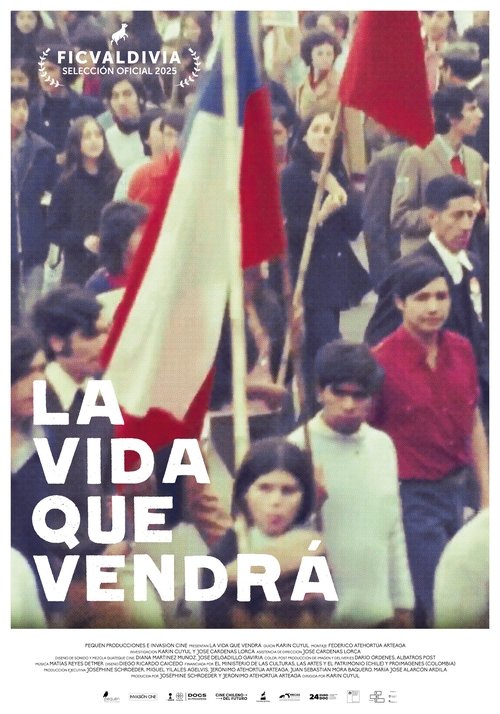
This documentary, made entirely of archival footage shot mainly by amateurs, revisits 50 years of Chilean history. A fascinating lesson in memory, this personal montage adopts a popular, even fringe, perspective to help write a more complete national memory. As the filmmaker asserts in her narration, there’s the history we’re told, the history we live, and the history we tell ourselves. Between the coup d’état of September 11, 1973, and the recent double failure of the new constitution project, this film shows that the people of Chile have long oscillated between excitement and disappointment, accumulating shattered hopes. Rejecting the pessimism that would trap us in collective immobility, Karin Cuyul instead draws on the past to ask how we can continue to dream of the necessary social and political changes.
A behind-the-scenes look at "Viagens", one of the greatest portuguese records of the 1990s, in the year of its 20th anniversary.
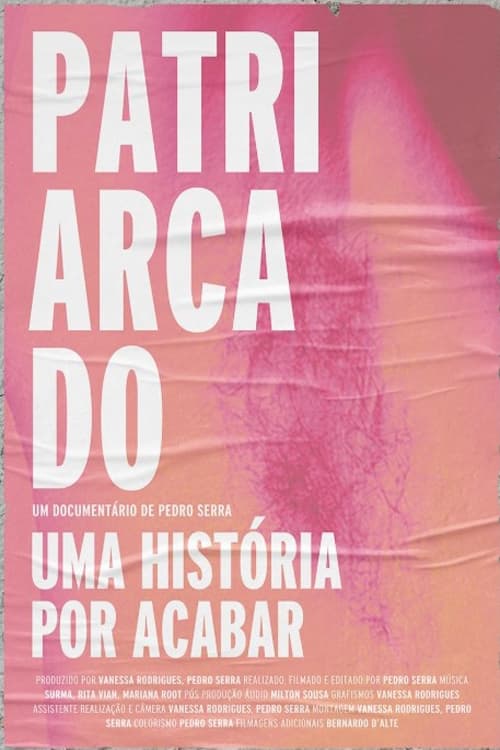
A documentary that brings together interviews with 20 activists who address the issue of intersectional feminism and patriarchy in Portugal.
About the Portuguese author José Saramago, based on a long interview with the writer at his home on the island of Lanzarote, in which he analyzes his work and shares his reflection on some aspects of his personal life.
Documentary about the life and work of Mário Eloy, one of the greatest painters of the second generation of modernism in Portugal.
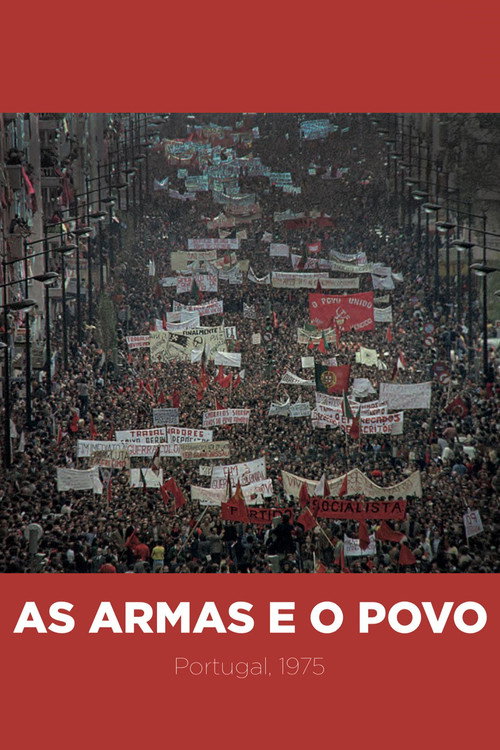
Film directors with hand-held cameras went to the streets of Lisbon from April 25 to May 1, 1974, registering interviews and political events of the Portuguese "Carnation Revolution", as that period would be later known.
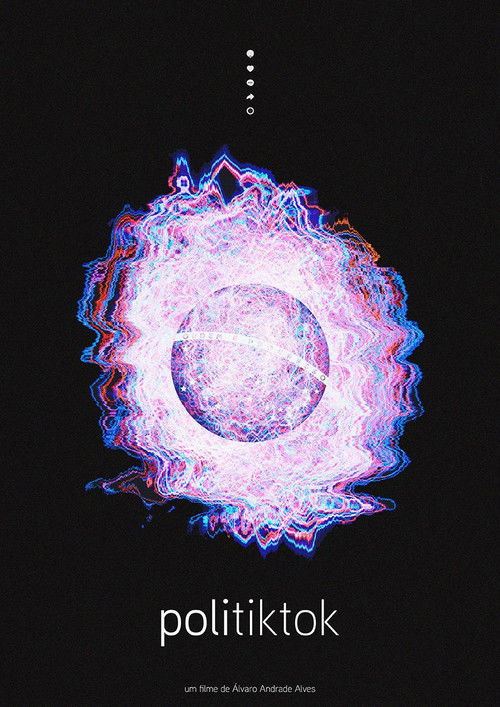
The film follows the final days of Brazil’s 2022 presidential election through livestreams and edits on the Chinese social media platform TikTok, which at that time had around 80 million active users in the country.