Speaker
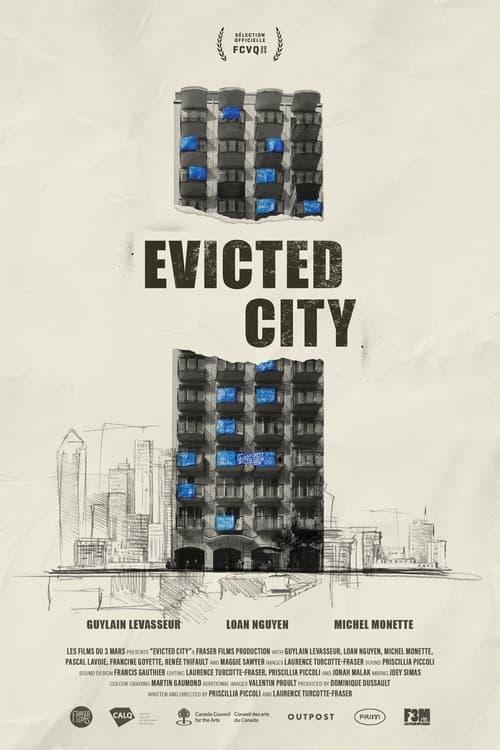
Montreal — one of the few remaining affordable cities in North America — is now in the midst of an unprecedented housing crisis. An intimate portrait of socio-political resistance, this multilayered film explores the human impact of real estate speculation on the cities of tomorrow.
via print and film, love and music, state propaganda and people's archives, five-year plans and Emergency.
A short documentary chronicling the coming-of-age story of generation z punctuated by numerous culturally significant moments, known as period effects, that have bred a generation of young activists.
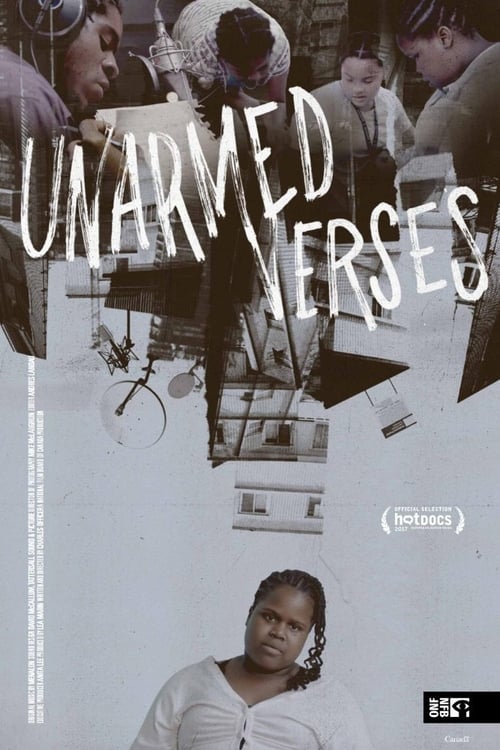
Toronto filmmaker Charles Officer profiles the young people of Villaways Park, a housing project on brink of historic change.
No overview available.
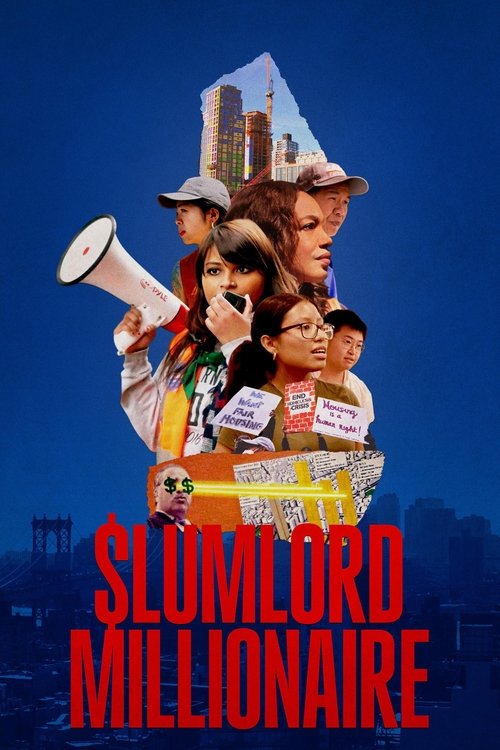
This documentary exposes housing injustice in New York City, following the David-and-Goliath battles between ordinary renters and powerful developers. Through stories from neighborhoods across the boroughs, the film reveals the harsh realities of unsafe housing, unethical landlords, and an overwhelmed housing court system.
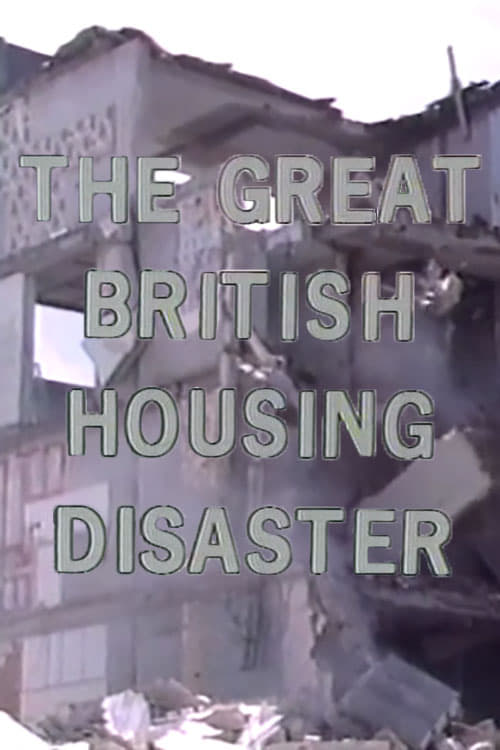
David Jones investigates how 1960s council housing came to be built so poorly that thousands later needed to be demolished.
Homelessness in the United States takes many forms. For Elizabeth Herrera, David Lima and their four children, housing instability has meant moving between unsafe apartments, motels, relatives’ couches, shelters, the streets and their car. After 15 years of this uncertainty, the family moved into their first stable housing — an apartment in the San Francisco Bay Area — in the midst of the coronavirus pandemic.
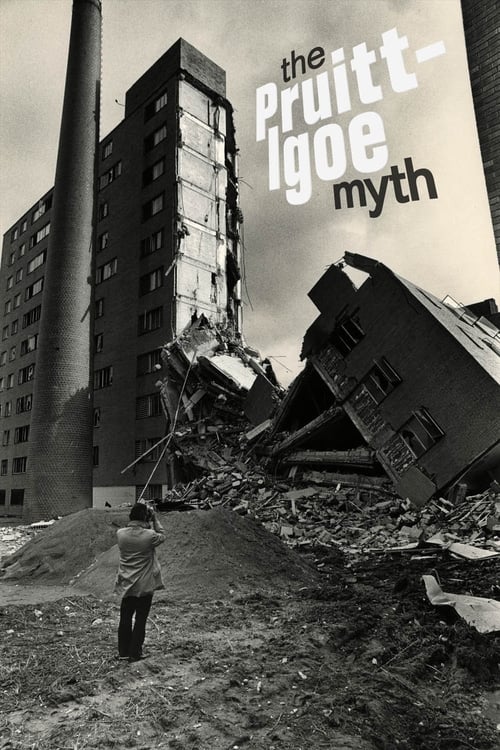
Destroyed in a dramatic and highly-publicized implosion, the Pruitt-Igoe public housing complex has become a widespread symbol of failure amongst architects, politicians and policy makers. The Pruitt-Igoe Myth explores the social, economic and legislative issues that led to the decline of conventional public housing in America, and the city centers in which they resided, while tracing the personal and poignant narratives of several of the project's residents. In the post-War years, the American city changed in ways that made it unrecognizable from a generation earlier, privileging some and leaving others in its wake. The next time the city changes, remember Pruitt-Igoe.
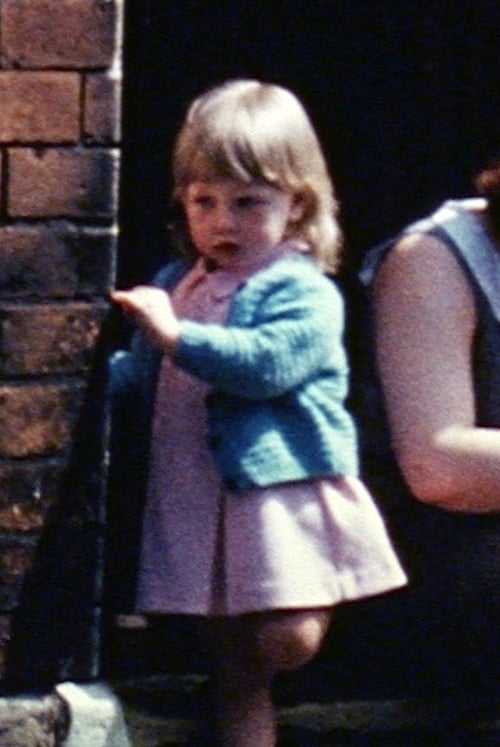
Between 1968 and 1970, J M Goodger, a lecturer at the University of Salford, made a film record of the living conditions in the slums of Ordsall, Salford, which were then in the process of being demolished. Under the title 'The Changing face of Salford', the film was in two parts: 'Life in the slums' and 'Bloody slums'.
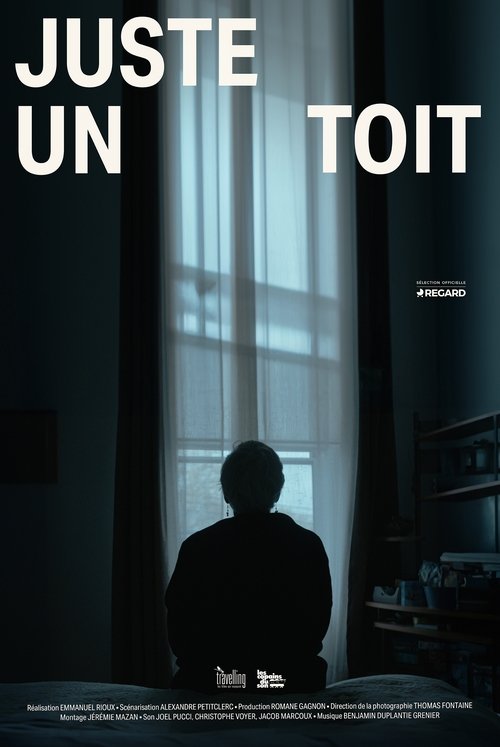
Too many stories can tell the horrible consequences of the housing crisis. Those of Jeannette and Frances make us feel the difficult experience of eviction. During long months of anguish, brief hopes and uprooting, Jeannette and Frances struggle, alone and surrounded, against a phenomenon that is becoming more and more pronounced: losing your home.
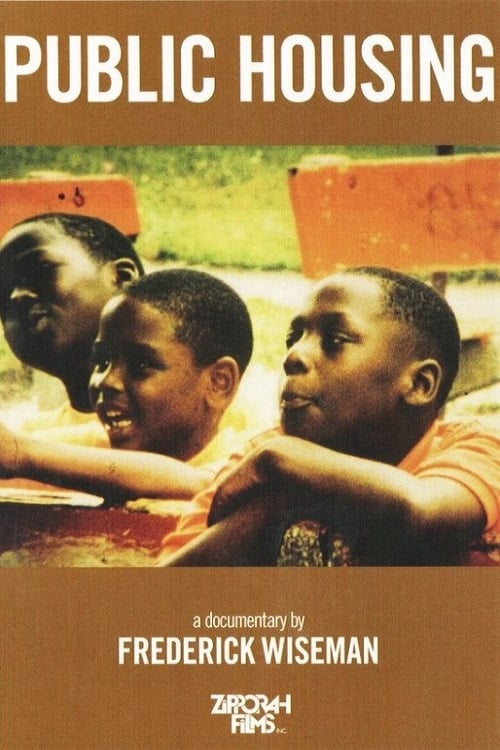
Public Housing is Wiseman’s unflinching portrayal of life at the Ida B. Wells housing project in Chicago, a raw exposition of the daily conflicts between residents and the bureaucratic machinery to which they are continually subjected. With intimate detail and an abiding dedication to his subject, Wiseman unearths the hidden facets of institutions to find humanity and sites of unexpected beauty.
A love letter to a place that will forever be home, a visual ode, and a farewell to a neighborhood that is rapidly changing due to the forces of gentrification and Miami’s housing crisis.
A 1975 documentary short about a strike being conducted by public-housing residents in St. Louis.
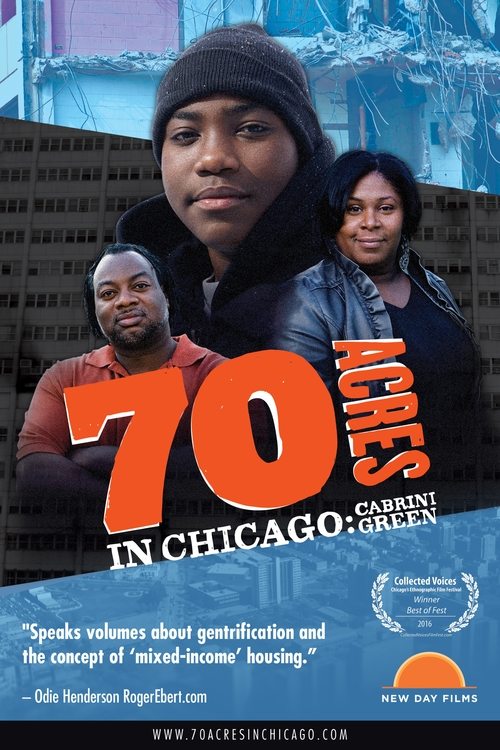
Documenting the demolition of Cabrini Green, Chicago's most infamous public housing development, through the stories of three public housing residents whose lives are turned upside down in the name of progress.
Chronicles the modern-day David and Goliath tale amidst North America's housing crisis. During the pandemic, Khaleel Seivwright, a young Toronto carpenter, builds life-saving shelters for unhoused people facing the winter outside. His actions attracted international acclaim but also staunch opposition from the city government, portraying a compelling narrative set against the backdrop of societal challenges and governmental resistance.
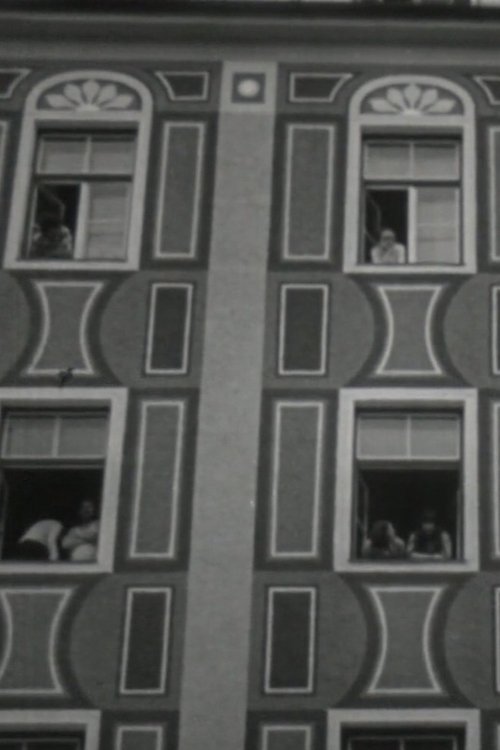
In buildings where foreign workers lived in Germany, there were strict rules of conduct, defined by the house rules and supervised by the building superintendents. Many rights regarding the freedom of movement, communication and behavior were abused. Interviews with the tenants and with the "orderlies" which point out absurd situations and clashes caused by these restrictions.
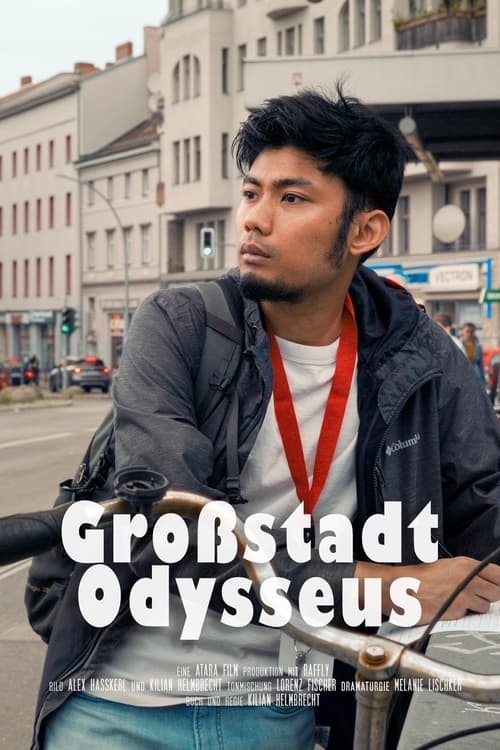
Successfully completed your studies - now what? Raffly already has a lucrative job offer from a large German company, but neither an apartment nor a work permit.
These are the future leaders of their communities. Ever wonder what it’s like to walk a day in their shoes? How the world looks through their eyes? We were curious. So, we asked them.
No Trailers found.