No Trailers found.
No Cast found.
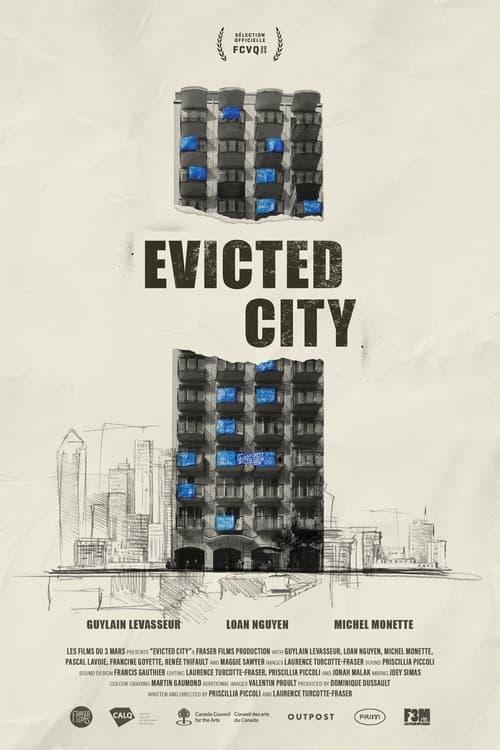
Montreal — one of the few remaining affordable cities in North America — is now in the midst of an unprecedented housing crisis. An intimate portrait of socio-political resistance, this multilayered film explores the human impact of real estate speculation on the cities of tomorrow.
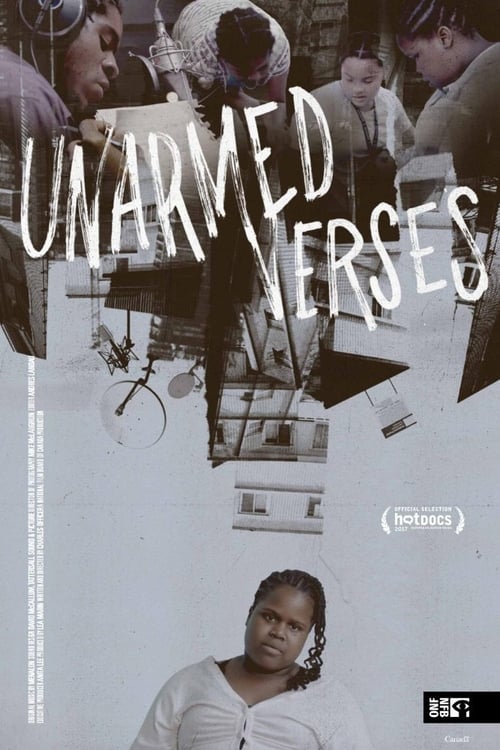
Toronto filmmaker Charles Officer profiles the young people of Villaways Park, a housing project on brink of historic change.
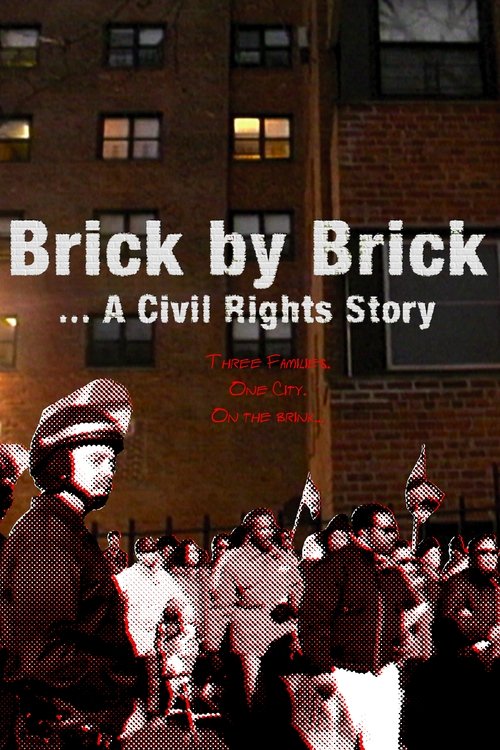
The real life story of the events surrounding the fight for and against public housing and racial integration in Yonkers, New York in the 1980s as portrayed in the HBO miniseries Show Me a Hero.
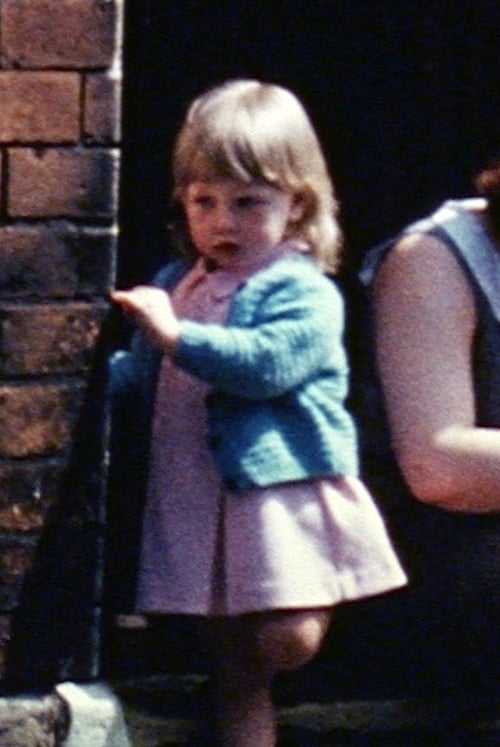
Between 1968 and 1970, J M Goodger, a lecturer at the University of Salford, made a film record of the living conditions in the slums of Ordsall, Salford, which were then in the process of being demolished. Under the title 'The Changing face of Salford', the film was in two parts: 'Life in the slums' and 'Bloody slums'.
No overview available.
The availability of housing is a big topic today. It has the strongest impact on those who participate least in the public debate – low-income households, minorities or single women. The film follows a group of activists around Martin Freund, a representative and member of the Live Brno movement, as they try to persuade politicians in the second largest Czech city about their vision of affordable housing.
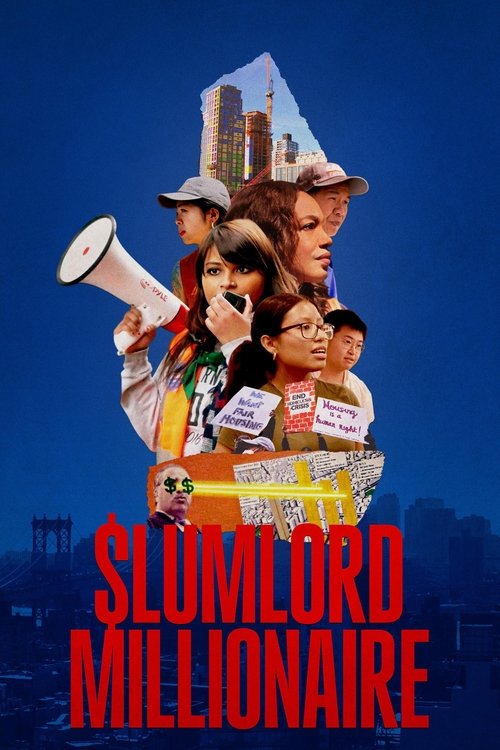
This documentary exposes housing injustice in New York City, following the David-and-Goliath battles between ordinary renters and powerful developers. Through stories from neighborhoods across the boroughs, the film reveals the harsh realities of unsafe housing, unethical landlords, and an overwhelmed housing court system.
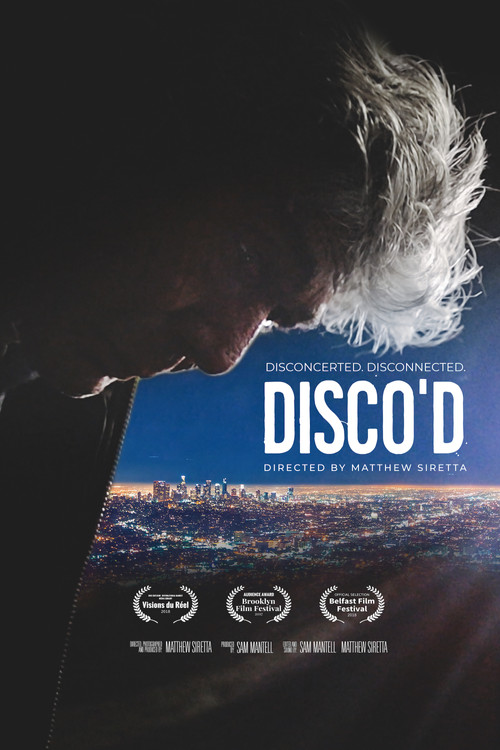
“Set against the rattle of shopping carts and the white noise of L.A. traffic... “Disco’d” is an unvarnished, moving look at the lives affected by the rising crisis of homelessness.” —Los Angeles Times
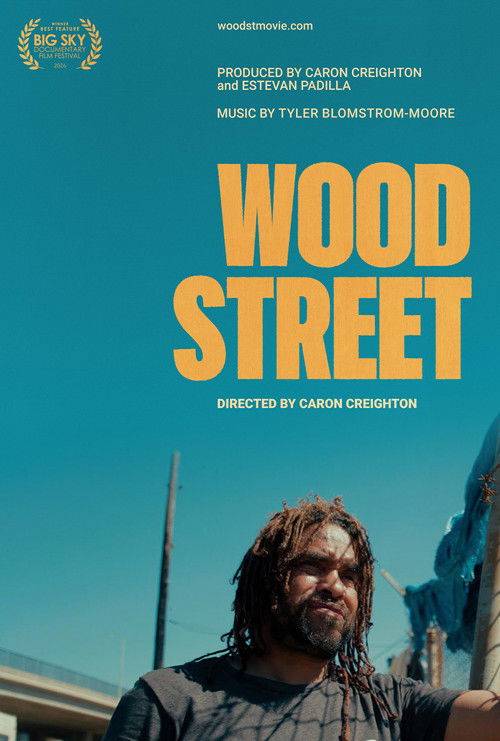
Two unhoused men turned community leaders— John and LaMonté —organize their neighbors in the face of displacement, addiction, and a failing social system.
David Jones investigates how 1960s council housing came to be built so poorly that thousands later needed to be demolished.
Homelessness in the United States takes many forms. For Elizabeth Herrera, David Lima and their four children, housing instability has meant moving between unsafe apartments, motels, relatives’ couches, shelters, the streets and their car. After 15 years of this uncertainty, the family moved into their first stable housing — an apartment in the San Francisco Bay Area — in the midst of the coronavirus pandemic.
A short documentary exploring the UK’s 1970s approach to urban renewal through General Improvement Areas. Mixing location footage from Blackburn, Norwich, and Oxford with unexpectedly quirky presentation, the film contrasts small-scale housing improvements with the sweeping redevelopment schemes of the post-war era. Produced as a government public information film and shown at meetings between planners, architects, and residents, it stands as a modest, humane entry in Britain’s civic-minded documentary tradition.
Cranes and Voices explores the evocative power of sound through the experiences of people who hear voices and a collective of sound investigators, tenants documenting their neighborhood. By bringing together listening experiences, housing, and creative practices, the film approaches sound as an ambivalent force, questioning our ability to listen—to the city, to others, and to ourselves.
Too many stories can tell the horrible consequences of the housing crisis. Those of Jeannette and Frances make us feel the difficult experience of eviction. During long months of anguish, brief hopes and uprooting, Jeannette and Frances struggle, alone and surrounded, against a phenomenon that is becoming more and more pronounced: losing your home.
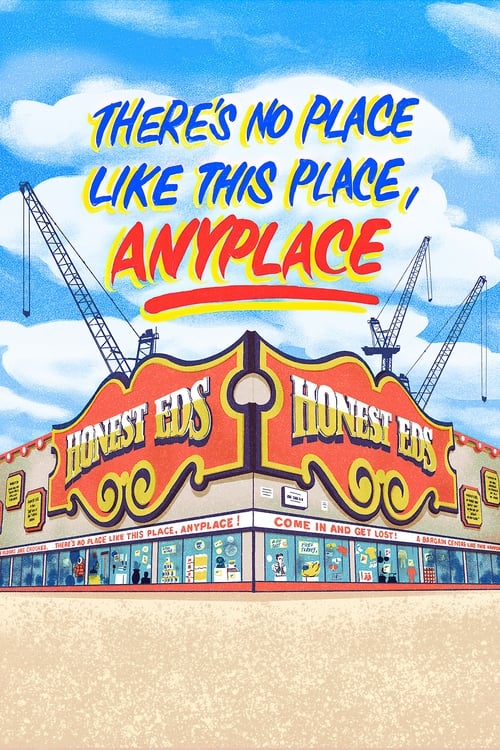
Over the course of over six decades, Honest Ed's became a Toronto Landmark. The neighbourhood it left behind when it closed its doors in 2016 reflects on its history and legacy.
Five floors. Forty apartments. Rats, leaks and debts. In Pantin, I live in a building with a danger order. Under court order, we have to renovate it. Between Dantesque arguments, missing money and humor as a fire extinguisher, I film our collective rescue.
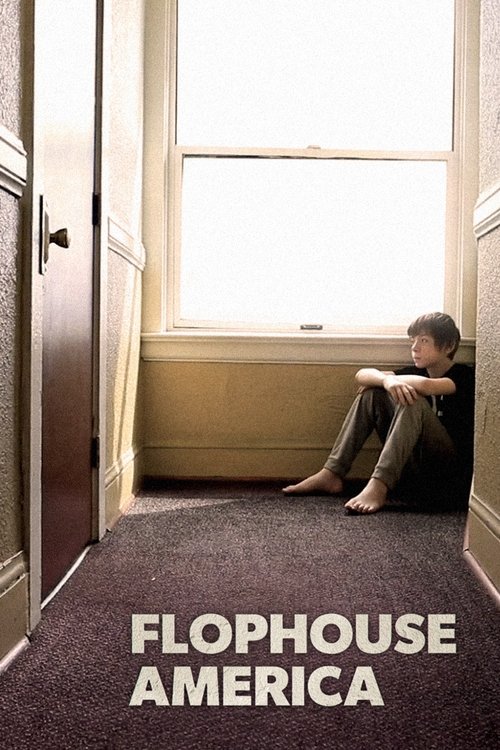
Because of the big housing problem in the US many people move into cheap, run down hotels, the so-called Flophouse hotels. Twelve-year-old Mikal was born and raised in a hotel room he shares with his parents, who struggle with substance abuse. Driven by love and a desire for a better life, his greatest wish is for his mother to stop drinking. Mikal is bright and articulate, but his parents’ struggles prevent them from giving him the stability he needs. Through Mikal’s perspective, the film paints an intimate portrait of resilience, hope, and the harsh realities of life on society’s margins.
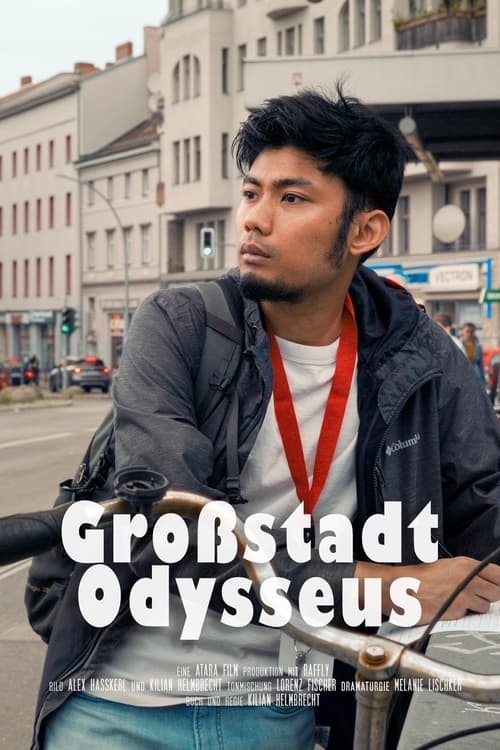
Successfully completed your studies - now what? Raffly already has a lucrative job offer from a large German company, but neither an apartment nor a work permit.