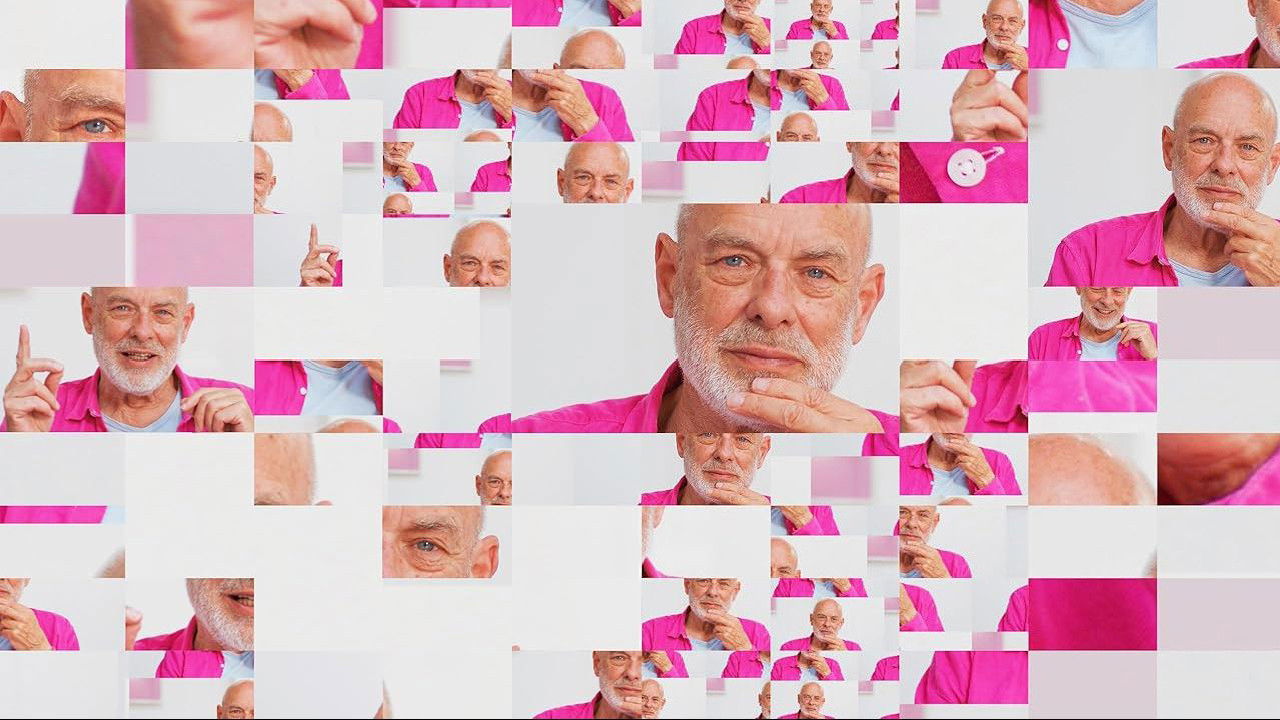
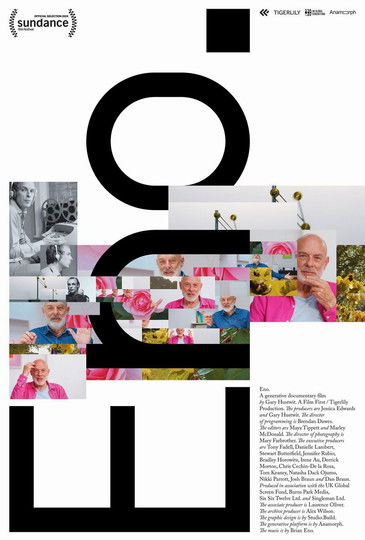
A generative documentary about artist Brian Eno, with 52 quintillion possible iterations, so that no viewing is the same twice.
Trailer
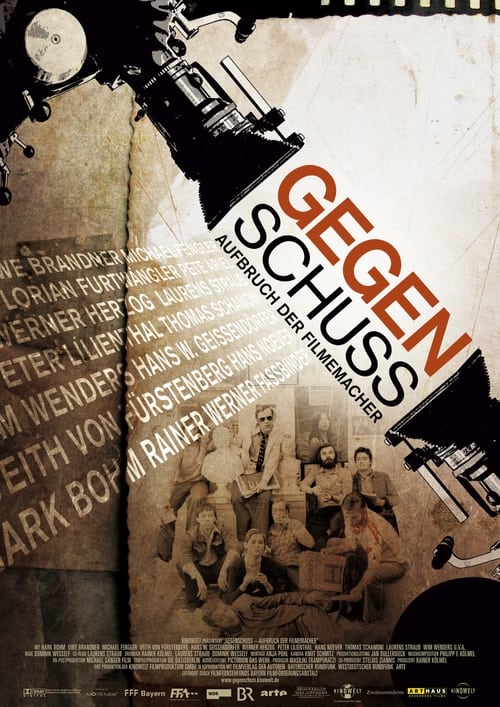
Documentary about filmmakers of the New German Cinema who were members of the legendary Filmverlag für Autoren (Film Publishing House for Authors). Among them are Werner Herzog, Rainer Werner Fassbinder, and Wim Wenders.
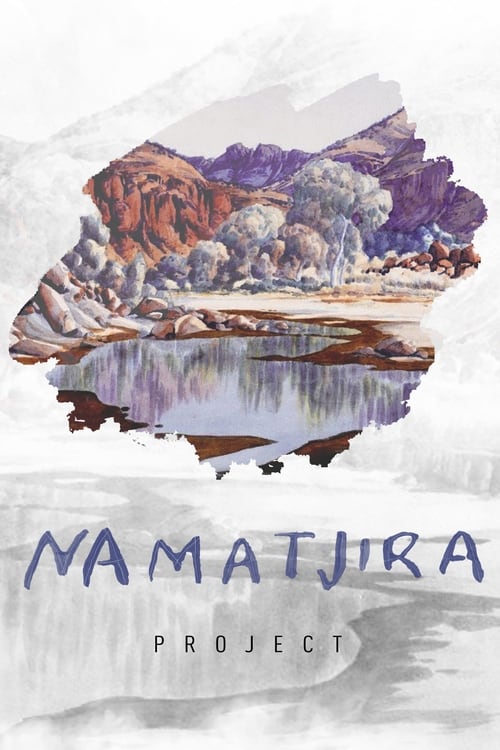
From the remote Australian desert to the opulence of Buckingham Palace - Namatjira Project is the iconic story of the Namatjira family, tracing their quest for justice.
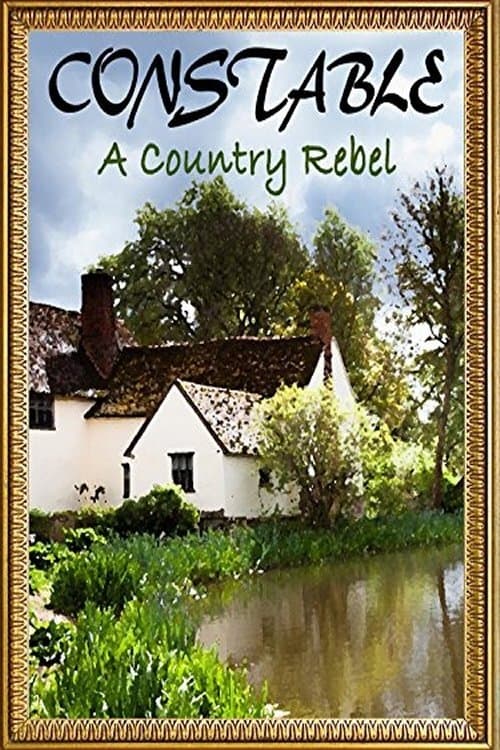
The Haywain by John Constable is such a comfortingly familiar image of rural Britain that it is difficult to believe it was ever regarded as a revolutionary painting, but in this film, made in conjunction with a landmark exhibition at the V&A, Alastair Sooke discovers that Constable was painting in a way that was completely new and groundbreaking at the time. Through experimentation and innovation, he managed to make a sublime art from humble things and, though he struggled in his own country during his lifetime, his genius was surprisingly widely admired in France.
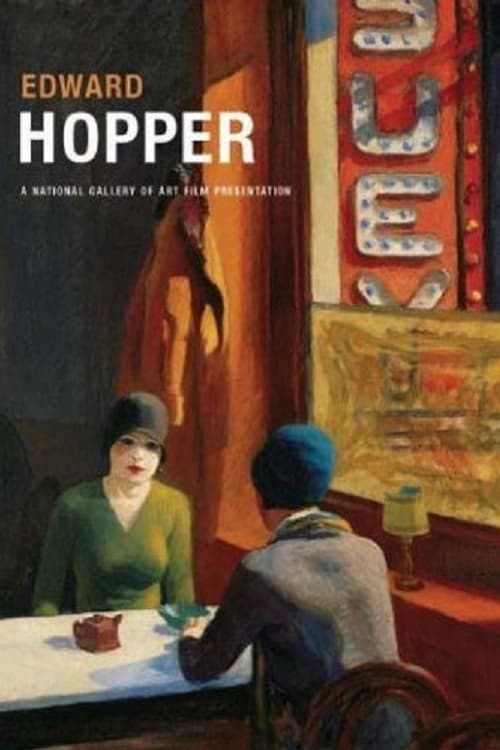
Hopper, one of America’s most admired artists, captured the shared realities of American life with poignancy and enigmatic beauty. His iconic images, set in unexceptional places, reveal the poetry of quiet, private moments. Hopper’s influences, which vary from French impressionism to the gangster films of the 1930s, are explored through archival photos, footage of locations he painted in New York and along the New England coast, and interviews with artists Eric Fischl and Red Grooms.
Bob Ross brought joy to millions as the world's most famous art instructor. But a battle for his business empire cast a shadow over his happy trees.
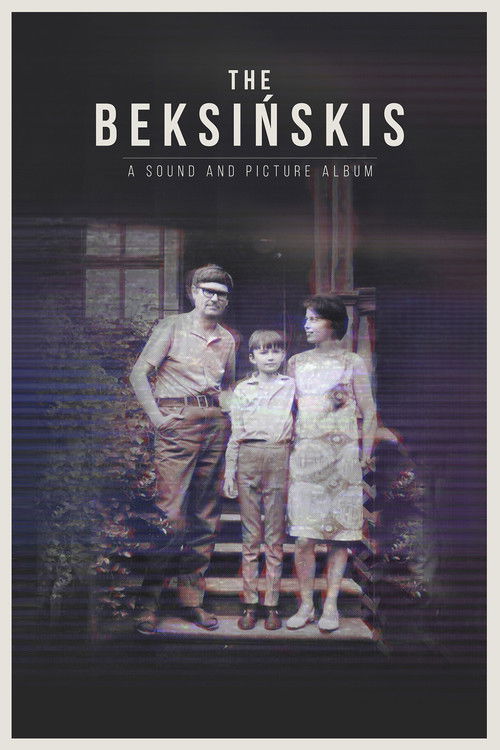
Painter Zdzisław Beksiński, his wife Zofia and their son Tomasz, a well-known radio journalist and translator, were a typical and unconventional family, both at the same time. One of the father’s obsessions was filming himself and his family members. Using archival footage only, shot primarily by Zdzisław, as well many other materials, which have not been presented anywhere so far, the film tells a tragic story of the Beksińskis that has never ceased to fascinate Polish filmmakers.
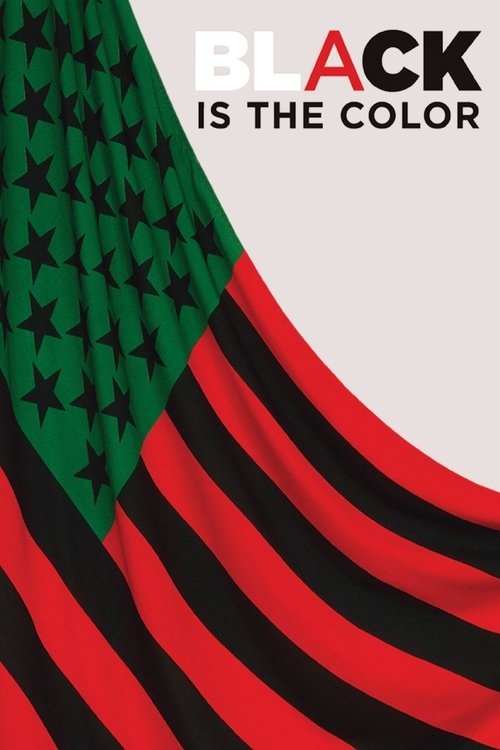
Black Is the Color highlights key moments in the history of Black visual art, from Edmonds Lewis’s 1867 sculpture Forever Free, to the work of contemporary artists such as Whitfield Lovell, Kerry James Marshall, Ellen Gallagher, and Jean-Michel Basquiat. Art historians and gallery owners place the works in context, setting them against the larger social contexts of Jim Crow, WWI, the civil rights movement and the racism of the Reagan era, while contemporary artists discuss individual works by their forerunners and their ongoing influence.
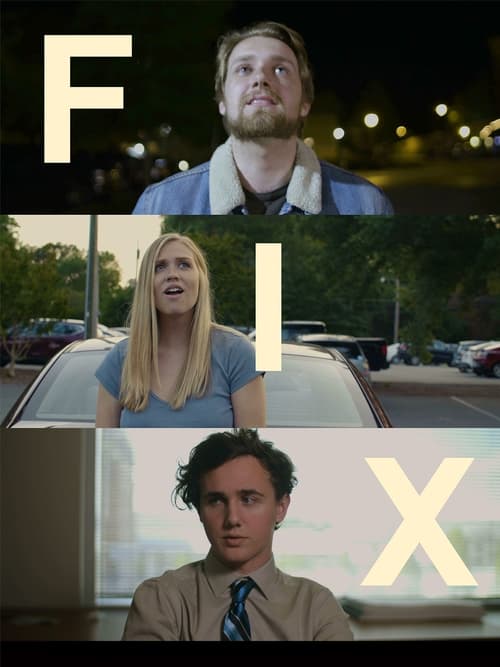
The story of three estranged friends, Cameron Poole, Jackson Schiff, and Emma Porter, who cross paths again as adults.
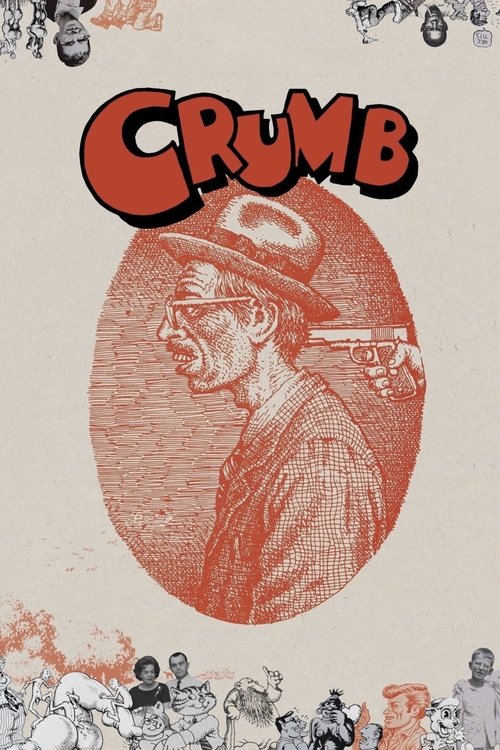
This movie chronicles the life and times of R. Crumb. Robert Crumb is the cartoonist/artist who drew Keep On Truckin', Fritz the Cat, and played a major pioneering role in the genesis of underground comix. Through interviews with his mother, two brothers, wife, ex-wife and ex-girlfriends, as well as selections from his vast quantity of graphic art, we are treated to a darkly comic ride through one man's subconscious mind.
The film is a day in the life of a young artist, Jean-Michel Basquiat, who needs to raise money to reclaim the apartment from which he has been evicted. He wanders the downtown streets carrying a painting he hopes to sell, encountering friends, whose lives (and performances) we peek into.
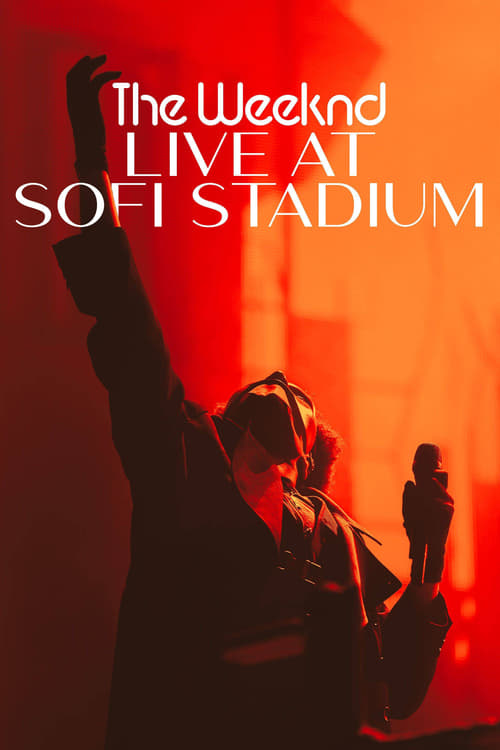
Filmed at LA's SoFi Stadium, The Weeknd brings down the house – and your living room – in this epic concert event.
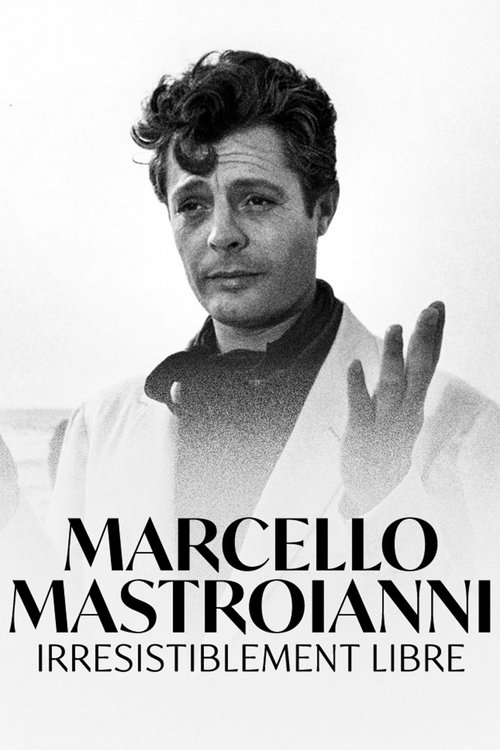
The 1960s opened with La Dolce Vita by Federico Fellini and its unforgettable lead: Marcello Mastroianni. The actor seemed to glide effortlessly through his roles — and through life — as if to say that life is not all that serious, or perhaps that it is far too serious not to be laughed at. But what kind of man was hiding behind the actor with the handsome, boyish looks, who appeared so gentle and nonchalant?
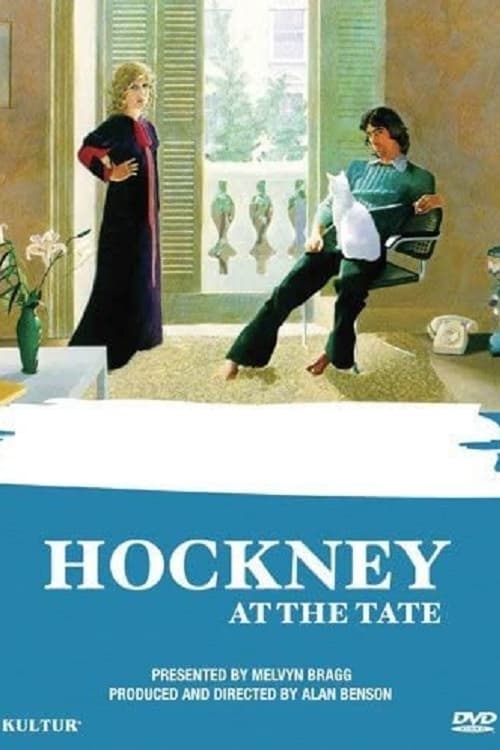
To mark his fiftieth birthday in 1988, London's Tate Gallery staged a major retrospective of his work. Melvyn Bragg joined David Hockney for an exclusive private view of the exhibition and they were filmed discussing pictures from all stages of Hockney's remarkable career.
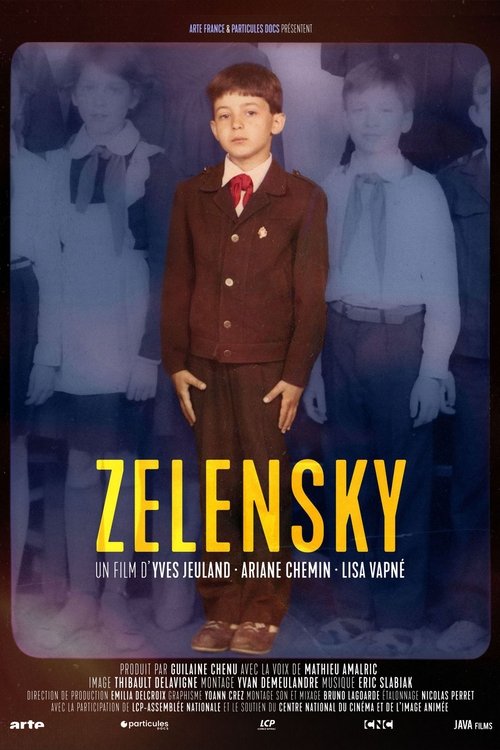
Ten years ago, Volodymyr Zelensky was just one of the many faces on Ukrainian television screens. He became a star thanks to the 2015 satirical series Servant of the People, in which he played a history teacher who becomes president. Four years later, what began as fiction became a reality. This French documentary follows the transformation of a popular TV comedian into a statesman on the front lines of the Russian invasion. Archival footage, family photos, television appearances, and interviews with Zelensky and those closest to him create a multi-layered portrait of a man who always longed for a large audience. At the same time, the film places his personal development in the broader context of post-Soviet Ukraine, which is also searching for its own identity.
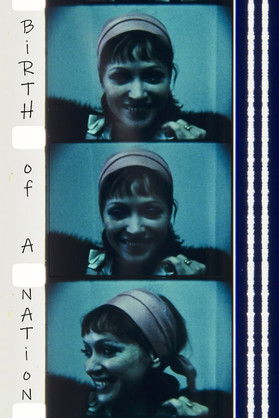
Jonas Mekas assembles 160 portraits, appearances, and fleeting sketches of underground and independent filmmakers captured between 1955 and 1996. Fast-paced and archival in spirit, the film celebrates the avant-garde as its own “nation of cinema,” a vital community existing outside the dominance of commercial film.
Lawrence Jordan's portrait of the reclusive artist Joseph Cornell.
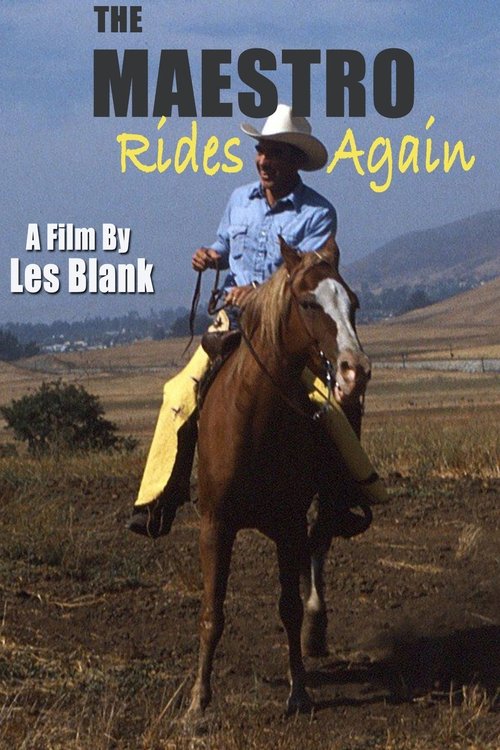
Les Blank continued filming the Maestro after the original film “The Maestro: King of the Cowboy Artists” was completed. Here are the Maestro’s latest creations and more on his uncompromising philosophy of art and life.
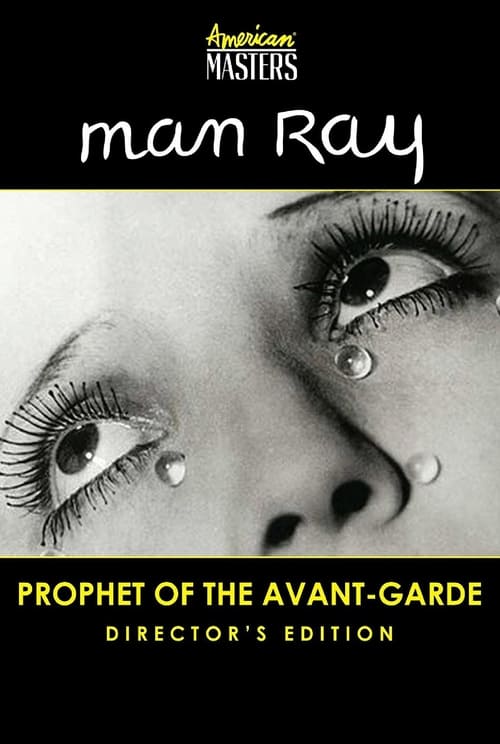
Man Ray, the master of experimental and fashion photography was also a painter, a filmmaker, a poet, an essayist, a philosopher, and a leader of American modernism. Known for documenting the cultural elite living in France, Man Ray spent much of his time fighting the formal constraints of the visual arts. Ray’s life and art were always provocative, engaging, and challenging.
Romantic art was a response to the social upheavals of the 19th century, as shown by works by its emblematic painters Friedrich, Venetsianov and Delacroix.
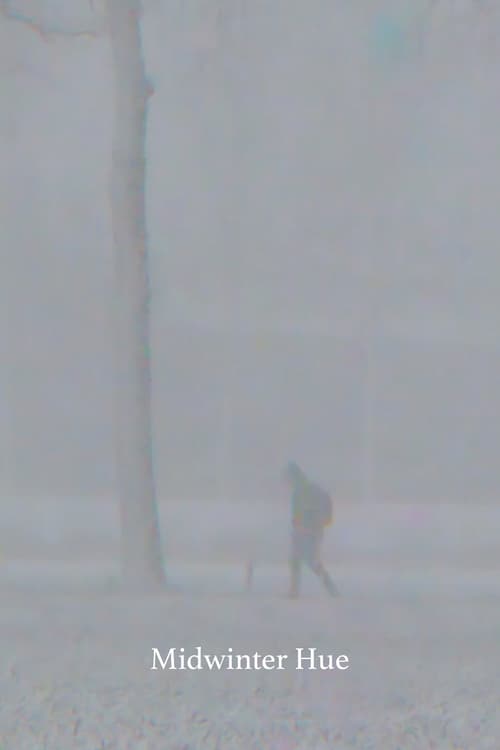
A man steadily bashes through the snow. He disappears and the trees, covered in white, shift and show a beautiful array of hidden colors. A poetic, meditative short film about letting go of the past and embracing the unknown future.
Self
Self (archive footage)