Luckily my a-bomb is a bass, right?
In 1960s France, a jazz musician becomes the subject of an impromptu documentary.
Trailer
Marion Bailey
Pierre Beloit
A chronicle of country music legend Johnny Cash's life, from his early days on an Arkansas cotton farm to his rise to fame with Sun Records in Memphis, where he recorded alongside Elvis Presley, Jerry Lee Lewis and Carl Perkins.
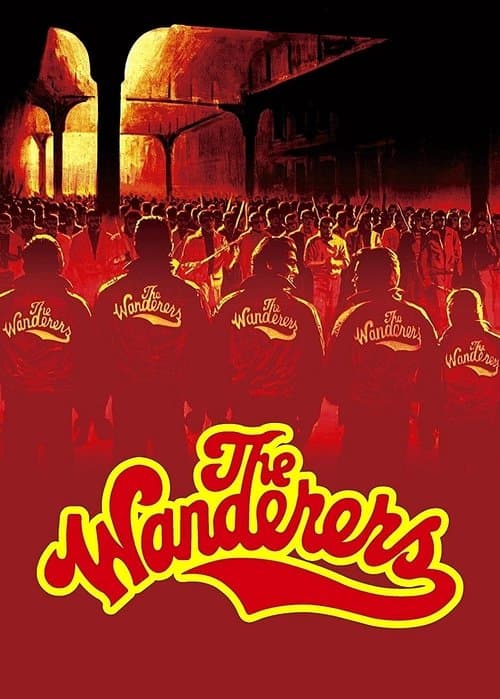
The streets of the Bronx are owned by '60s youth gangs where the joy and pain of adolescence is lived. Philip Kaufman tells his take on the novel by Richard Price about the history of the Italian-American gang ‘The Wanderers.’
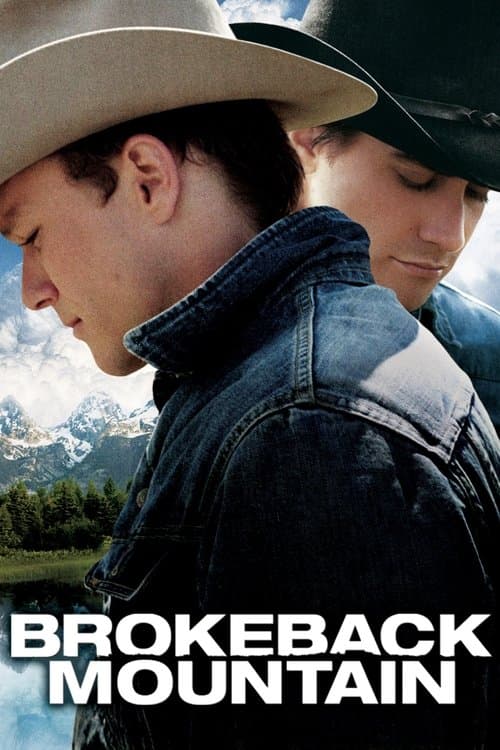
In 1960s Wyoming, two men develop a strong emotional and sexual relationship that endures as a lifelong connection complicating their lives as they get married and start families of their own.
A man with a low IQ has accomplished great things in his life and been present during significant historic events—in each case, far exceeding what anyone imagined he could do. But despite all he has achieved, his one true love eludes him.
The story of an old Jewish widow named Daisy Werthan and her relationship with her black chauffeur, Hoke. From an initial mere work relationship grew in 25 years a strong friendship between the two very different characters, in a time when those types of relationships were shunned.
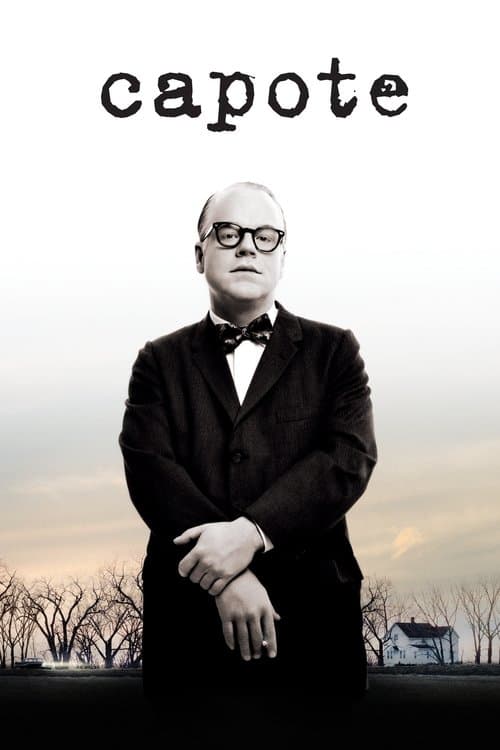
A biopic of writer Truman Capote and his assignment for The New Yorker to write the non-fiction book "In Cold Blood".
One of the greatest jazz trumpeters of all time, Dizzy Gillespie dazzled the world with his talent as one of the pioneers of be-bop and Latin jazz, but with his puffed-out cheeks, bent trumpet and quick wit, he also was a great showman.
Jake Blues, just released from prison, puts his old band back together to save the Catholic home where he and his brother Elwood were raised.
Zed is an American vault-cracker who travels to Paris to meet up with his old friend Eric. Eric and his gang have planned to raid the only bank in the city which is open on Bastille day. After offering his services, Zed soon finds himself trapped in a situation beyond his control when heroin abuse, poor planning and a call-girl named Zoe all conspire to turn the robbery into a very bloody siege.
A former Prohibition-era Jewish gangster returns to the Lower East Side of Manhattan over thirty years later, where he once again must confront the ghosts and regrets of his old life.
Living in forests untouched by man, these gracious and mysterious fairies use their magical powers to send blessings upon Earth. Do not take their kindness for granted. Especially on the night when the sky opens.
Paris, 1960s. Momo, a resolute and independent Jewish teenager who lives with his father, a sullen and depressed man, in a working-class neighborhood, develops a close friendship with Monsieur Ibrahim, an elderly Muslim who owns a small grocery store.
The Limey follows Wilson, a tough English ex-con who travels to Los Angeles to avenge his daughter's death. Upon arrival, Wilson goes to task battling Valentine and an army of L.A.'s toughest criminals, hoping to find clues and piece together what happened. After surviving a near-death beating, getting thrown from a building and being chased down a dangerous mountain road, the Englishman decides to dole out some bodily harm of his own.
A high school basketball player’s life turns upside down after free-falling into the harrowing world of drug addiction.
Successful surgeon Tomas leaves Prague for an operation, meets a young photographer named Tereza, and brings her back with him. Tereza is surprised to learn that Tomas is already having an affair with the bohemian Sabina, but when the Soviet invasion occurs, all three flee to Switzerland. Sabina begins an affair, Tom continues womanizing, and Tereza, disgusted, returns to Czechoslovakia. Realizing his mistake, Tomas decides to chase after her.
Upon receiving his draft notice and leaving his family ranch in Oklahoma, Claude heads to New York and befriends a tribe of long-haired hippies on his way to boot camp.
A coyote walks through a distorted reality without color.
A biographical film featuring the music and times of Bill Evans with interviews from Tony Bennett, Jack Dejohnette, Billy Taylor, Paul Motian, Jon Hendricks, Orin Keepnews, Bobby Brookmeyer, Pat Evans and more, including family and friends who knew Bill Evans well.
Spending the summer at a Catskills resort with her family, Frances "Baby" Houseman falls in love with the camp's dance instructor, Johnny Castle, and nothing is ever the same for anyone in the Houseman family.
In a world where lives are measured by a jar of marbles and our days are literally numbered, Lisa is coming to terms with and preparing for her final days with her family. As she reminisces the time she’s had with her family, her daughter has yet to realize her mom will be gone soon until it’s almost too late.