Bianca
Caterina
Moss
Tiziana
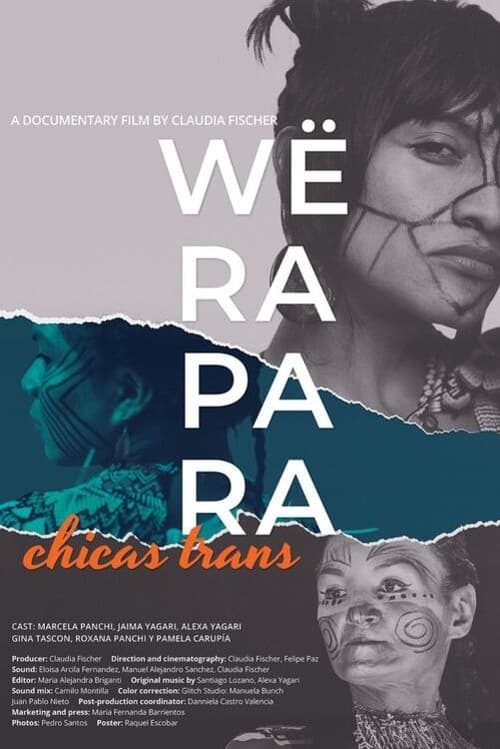
Amidst the Colombian Andes, a group of trans women from the Embera Chami community make their way into the international fashion scene, empowered through artistic collaboration and creation while preserving their spiritual heritage and ancestral connection to their territory.
She now lives many miles away from her mother, who is waiting to hear from her. It is a bittersweet, restless, nostalgic moment, and she remembers those vanished years.
Experimental documentary short starring Batato Barea and Peter Pank, filmed in July 1991
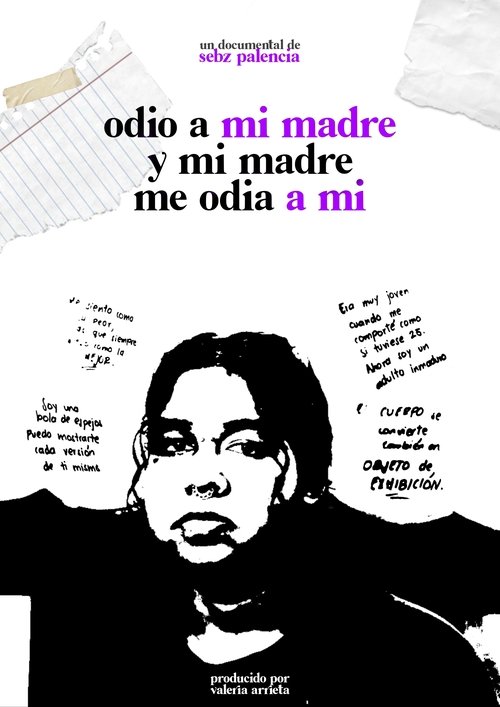
Sebz traces an intimate and heartbreaking journey through her past and present, exploring the nuances of her identity as a non-binary, black, asexual trans person. Through an introspective narrative, Sebz reflects on the abuse she suffered as a child and the revelation that these experiences were not unique, but also familial. In a space where memory and reality intertwine, Sebz confronts her relationship with her mother, a complex connection torn between rejection and a search for understanding, accentuated by tensions of gender, sexuality and shared trauma. This short queer documentary is an honest and courageous portrait of wounds, family ties and the resilience that defines those who seek to exist beyond social impositions.
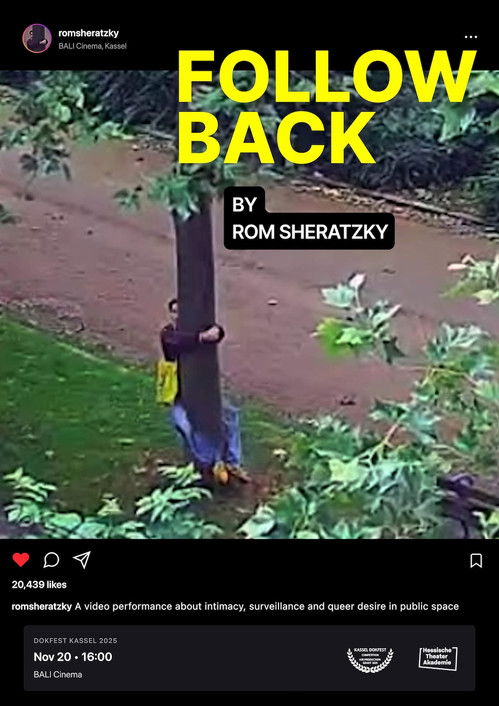
After discovering a stranger’s livestream, a month unfolds under his balcony, through watching and being watched.
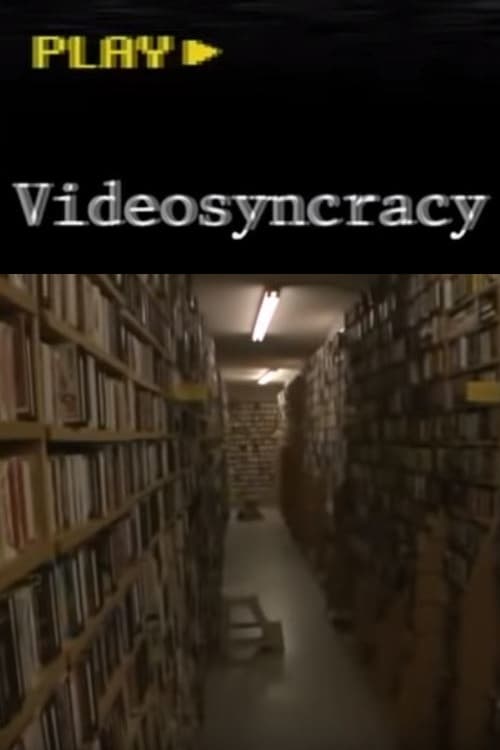
As the dissociated convenience of the Internet and globalized corporate culture continue to shut down brick-and-mortar video stores, what will happen to the longstanding, local hangouts with their rugged individuals known as clerks and the communities who love them? Videosyncracy follows three very different video rental stores as they negotiate their survival in three distinct Los Angeles neighborhoods: Old Bank DVD in the Downtown arts district, Vidiots in sunny seaside Santa Monica, and Eddie Brandt’s Saturday Matinee in bustling North Hollywood. Their stories chronicle not only the birth and twilight of a particular kind of corner store, but also decades of personal lives intertwined with those of their communities, the new challenges and facilities of a rapidly changing world, and an enduring love of the movies, a slice of Americana on the brink of disappearance yet defiant to the end.
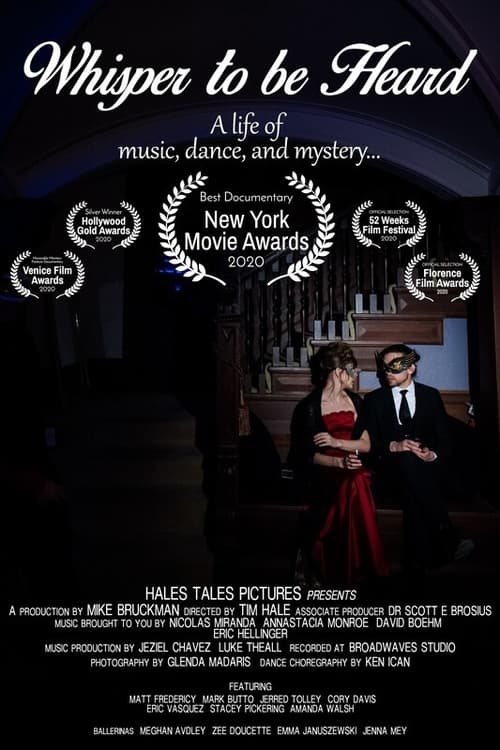
A group of musicians who have never met get together for a week to live in a mansion to write an album, record it in a studio, and perform it at a Masquerade Ball.
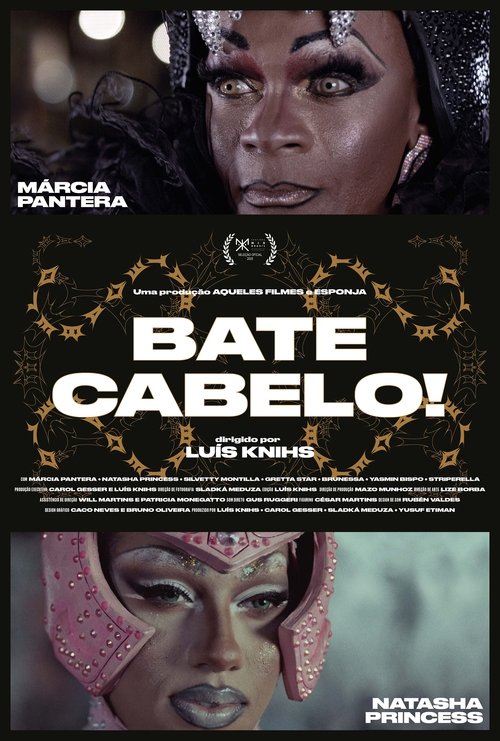
BATE CABELO! unveils the story of an artistic creation that became a living symbol of memory, embodiment, and resistance.
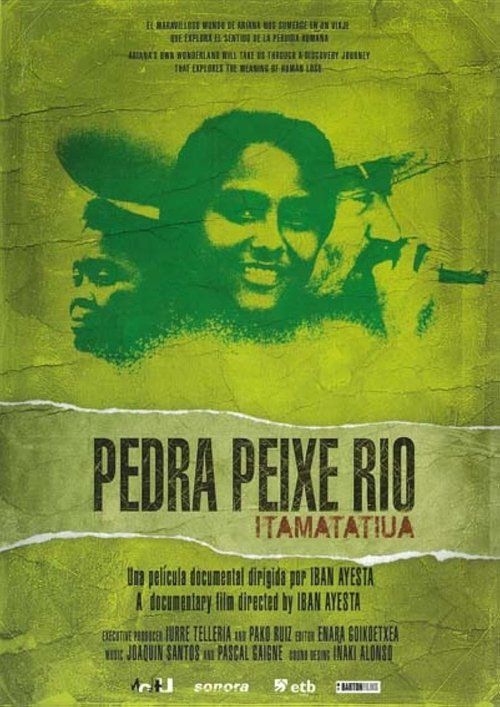
A film that explores the space of intimacy shared by three people who live under the same roof. Ariana, an eight-year-old foster girl from the city of Sao Luis, Iban, an anthropologist of European origin who intends to make a documentary film, and Doña Eloisa, a native woman from Itamatatiua who works in ceramics. The members of this kind of family in transit find in common a feeling that binds them intimately: the feeling of loss. Ariana, Doña Eloisa and Iban have lived the experience of separation from their mothers. Human fragility will become the truth of their relationship, even more so after Sheyla's death.
In this short documentary, we take a look at the history and future of roller derby in the Netherlands, while also touching on subjects such as image and the rise of men’s teams in this traditionally female sport. We tried to capture the Roller Derby culture with grungy 16mm film overlays and an eclectic mix of colors, switching from black and white, back to color. This, combined with the use of stock footage, the Whip It trailer and choice of music really help to sell the vibe and sensibilities of roller derby.
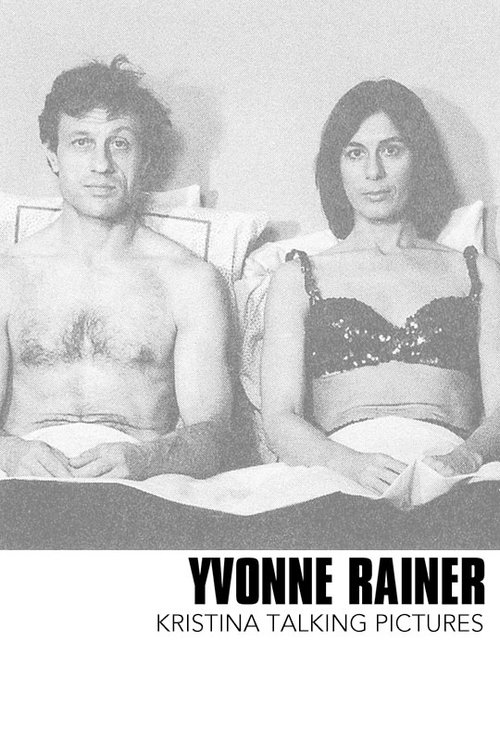
Kristina, a self-named Hungarian female lion tamer, arrives in New York to become a dance choreographer. Kristina, now a middle-class NYC artist concerned about the environment, has a sailor lover named Raoul. The film, a collage work, an essay film, a fictional narrative and a documentary all rolled into one, is one of the most important independent American feminists films made during the 1970's.
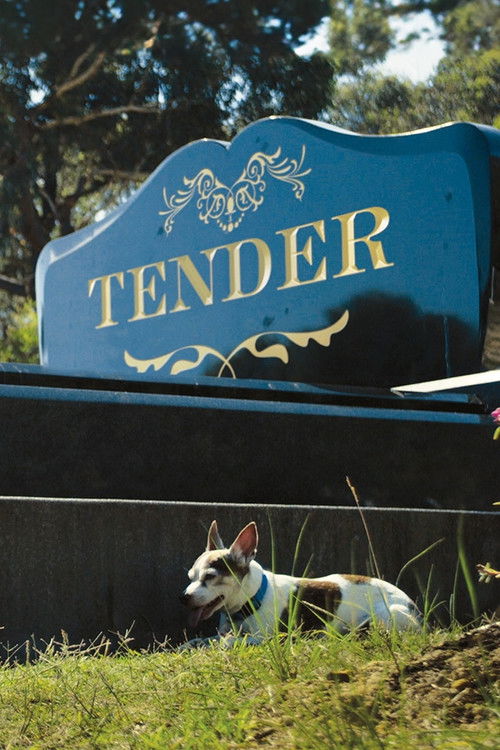
A big hearted community celebrates life by fronting up to death. Set against the stunning backdrop of the industrial seaside town of Port Kembla, a feisty and resilient community group have determined to take back the responsibility that most of us leave to someone else — to care for their own dead. Scattered throughout are stories that cut to the core revealing why this small band have decided to take on a practice that for most is taboo. As their plans for community-based funerals gather momentum one of their own is diagnosed with a life-threatening illness. Tender is at once a heartbreakingly beautiful and beautifully funny glimpse of an extraordinary community taking on one of the most essential challenges of human life … its end.
In an intimate and provocative journey, Vibrations is a documentary-essay that explores the filmmaker’s complex relationship with explicit imagery and his own sexuality. Born into a Catholic family and struggling to put his homosexuality into words, the director finds in pornography a space for self-exploration and acceptance. The film dives into the nuances of alternative pornography, challenging stigmas and revealing how desire, identity, and the politics of the body intertwine both on screen and in life. A work that pulses between the personal and the universal, Vibrations challenges perceptions and invites a rediscovery of pleasure and freedom through the image.
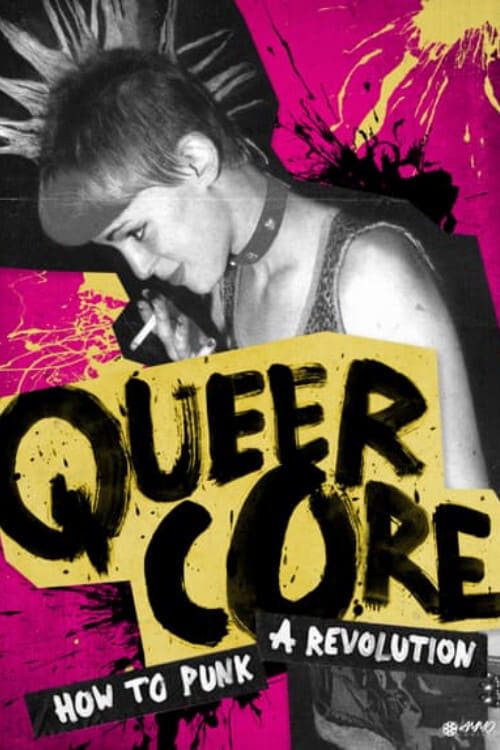
A documentary on Queercore, the cultural and social movement that began as an offshoot of punk and was distinguished by its discontent with society's disapproval of the gay, bisexual, lesbian and transgender communities.
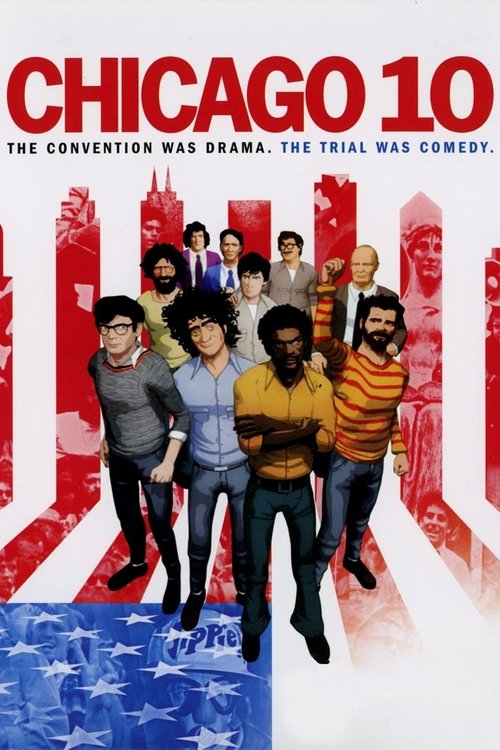
Archival footage, animation and music are used to look back at the eight anti-war protesters who were put on trial following the 1968 Democratic National Convention.
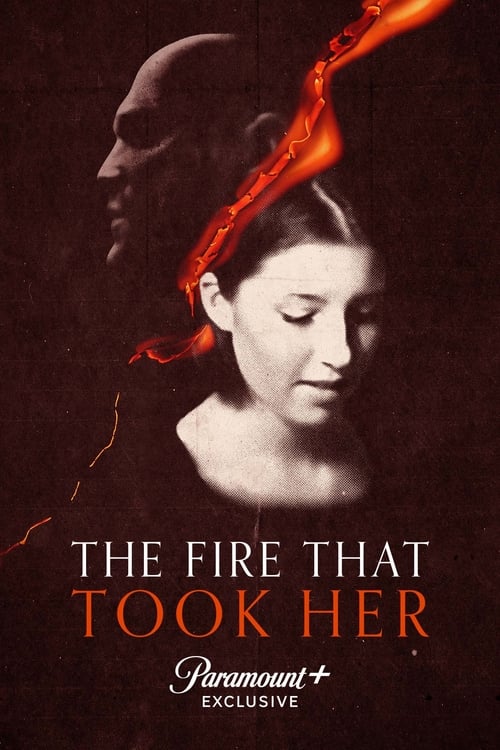
Mother-of-two Judy Malinowski, then 31, was doused in gasoline and set on fire by her crazed boyfriend – and one of the first ever to testify from beyond the grave, at the trial for her own murder. A story that lives at the intersection of true crime and #MeToo, THE FIRE THAT TOOK HER goes deep inside a landmark case to ask a timely question: How much must women suffer in order to be believed?
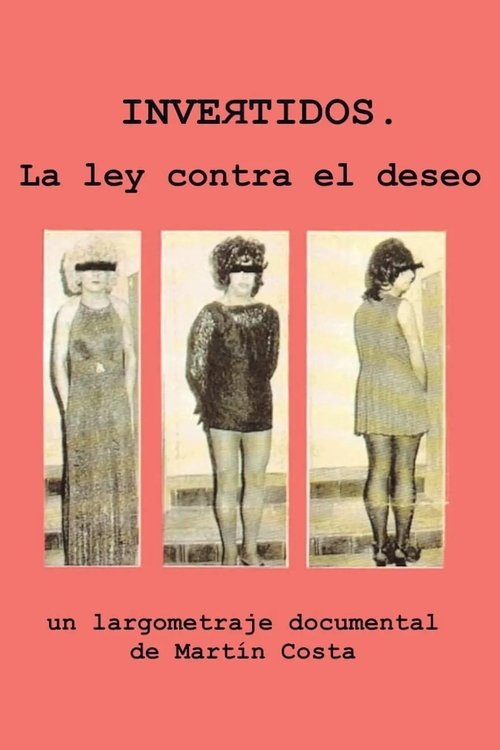
History of the stigmatization and marginalization to which the queer community was subjected in Spain during the Franco dictatorship.
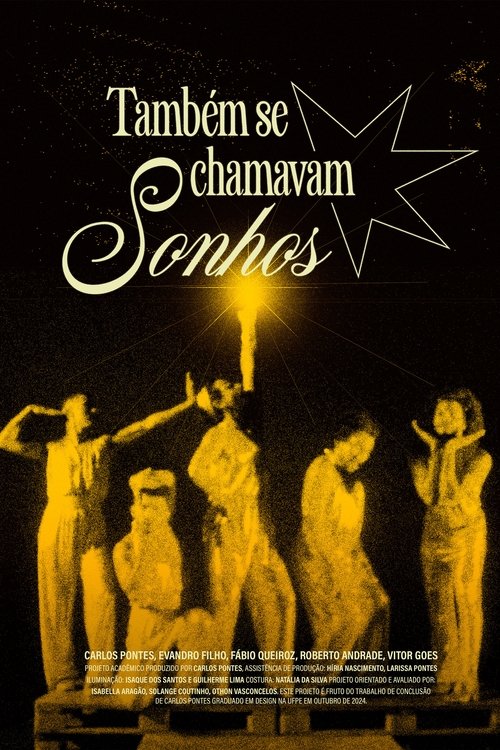
A documentary from Recife that follows the story of five friends, transforming memories into an audiovisual time capsule. Created as a graduation project in Design by Carlos Pontes (UFPE), the film unfolds as a collective letter seeking to eternalize not only memories, but also the intensity and restlessness of those who find in art, friendship, and acceptance a way of existing.
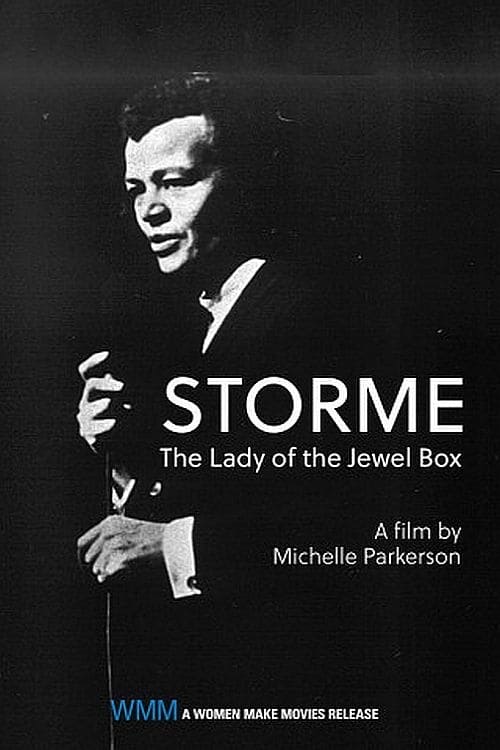
“It ain’t easy…being green” is the favorite expression of Stormé DeLarverie, a woman whose life flouted prescriptions of gender and race. During the 1950s and '60s she toured the black theater circuit as a mistress of ceremonies and the sole male impersonator of the legendary Jewel Box Revue, America’s first integrated female impersonation show and forerunner of La Cage aux Folles.
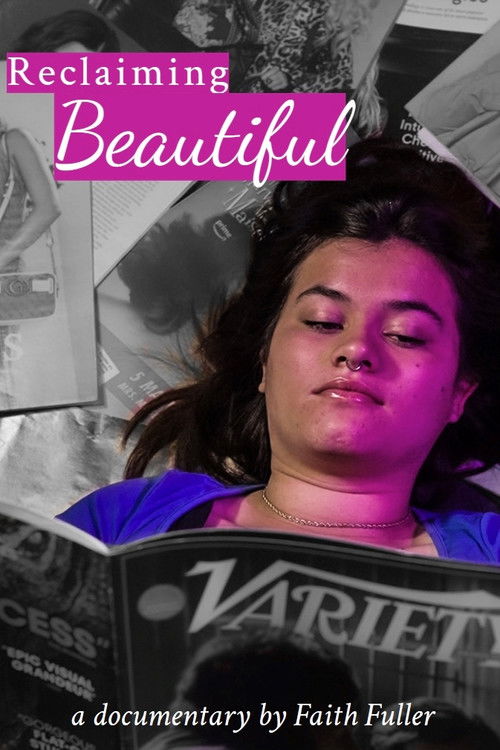
In this documentary, a group of young women discuss the varying definitions of the word "beautiful" and how these definitions have impacted them.
No Trailers found.