logologo
MovieVerse© 2024
Privacy PolicyTerms of ServiceContact Us
Made with ❤️ by Thathsara
movie poster
We Weren't The Only Ones
Sign in to create your own watchlist

We Weren't The Only Ones

Jan 22, 2020
0
★ 0.0

A mother’s tragic experiences of war and loss, carried forward by her son.

Overview

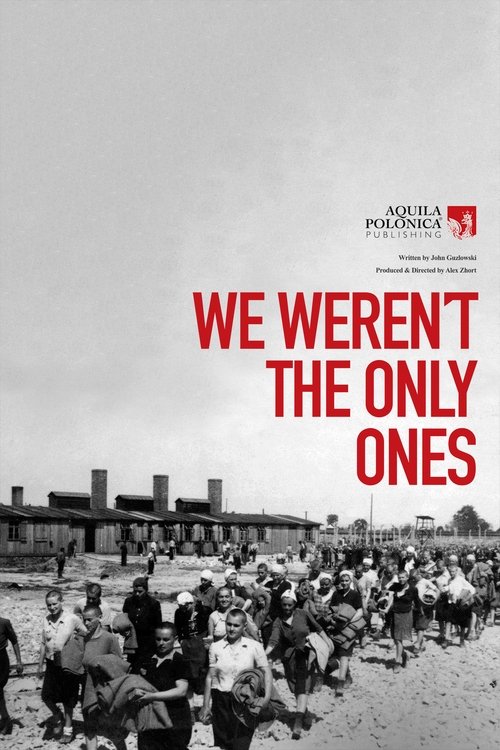
In this short film, poet and holocaust survivor John Guzlowski bears witness to his parents’ survival of Nazi slave labor camps. More than a personal remembrance, the poem carries his mother’s plea — “tell them we weren’t the only ones” — a call to acknowledge the countless lives scarred by war, displacement, and silence. Through Guzlowski’s measured reading, the film becomes both intimate and collective: a meditation on inherited trauma, the duty of memory, and the fragile line between history and forgetting.

Genres

Documentary

We Weren't The Only Ones Trailers

No Trailers found.

Cast

John Guzlowski

himself

John Guzlowski

You may also like

Night and Fog
8.3

Night and Fog

Jan 29, 1956

Filmmaker Alain Resnais documents the atrocities behind the walls of Hitler's concentration camps.

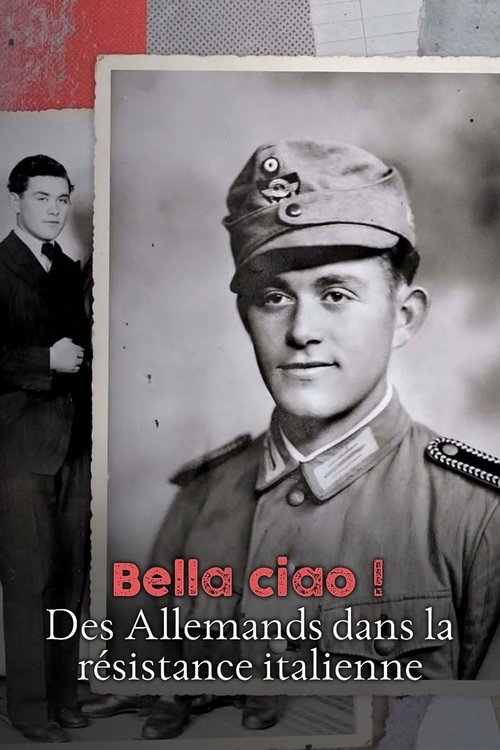
Bella Ciao! - German Soldiers in the Italian Resistance
8.0

Bella Ciao! - German Soldiers in the Italian Resistance

Jun 10, 2025

When Italy capitulated 1943 and joined the allied forces, some soldiers from the German Wehrmacht also changed sides and joined the Italians in their fight to liberate the country. This film tells the story of Rudolf Jacobs, Walter Fischer and Heinz Brauers, three of the ‘Good Germans’ remembered in Italy for their efforts in fighting the Nazis.

No Image Available
8.0

The True Story of the Bridge on the River Kwai

Sep 26, 2000

Made famous by the 1957 Hollywood movie, the bridges of the River Kwai emblematize one of the most misunderstood events in history. Contrary to the romanticized film version, the structures represent a period of terror, desperation, and death for over 16,000 POWs and 100,00 local slaves. The Thailand - Burma Railway was the vision of the Japanese Imperial Army: a 250-mile track cut through dense jungle that would connect Bangkok and Rangoon. To accomplish this nearly impossible feat, the fanatical and ruthless Japanese engineers used POWs and local slaves as manpower. Candid interviews with men who lived through the atrocity - including Dutch, Australian, British, and American POWs - illuminate the violence and horror of their three-and-a-half-year internment. From Britain's surrender of Singapore the enduring force of friendship, The True Story Of The Bridge On The River Kwai narrates a moving and unforgettable account of a period in history that must be remembered.

Shooting War
5.9

Shooting War

Dec 7, 2000

A remarkable film that takes a special look at the first war to be truly reported and recorded by one of the more unsung heroes of World War II: the combat photographer. Through the unflinching eye of their camera's lenses, these courageous soldiers continually risked their lives in their brave attempts to capture history.

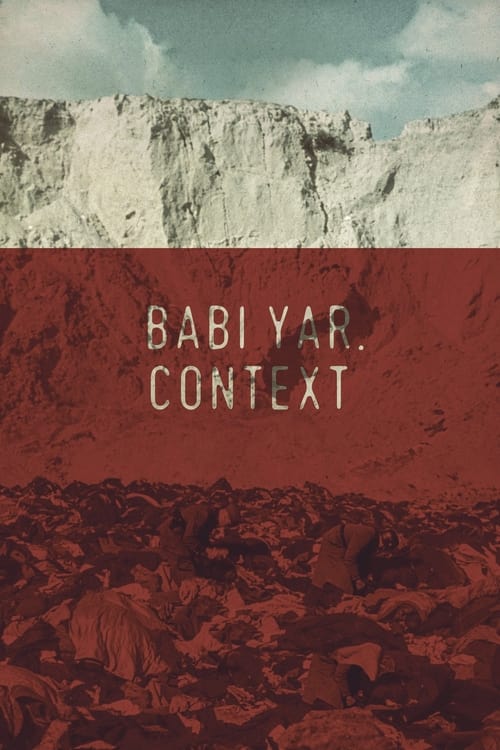
Babi Yar. Context
6.2

Babi Yar. Context

Nov 4, 2021

Nazi troops massacre 30,000 Jews over a three-day period in September 1941. Babyn Yar ravine in Kyiv, Ukraine.

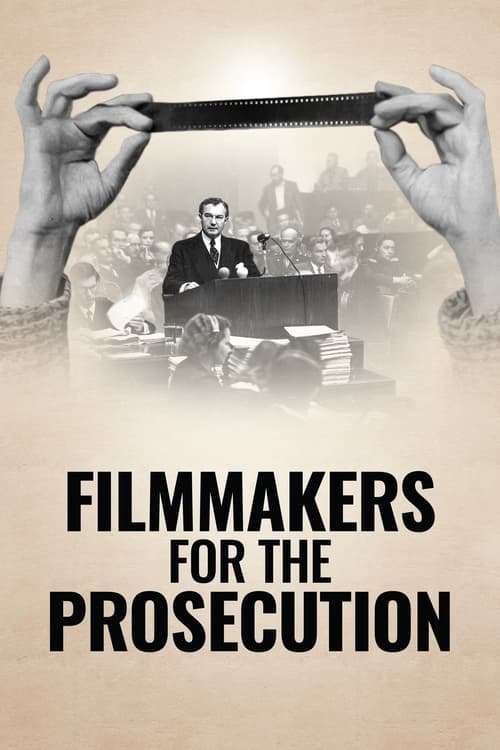
Filmmakers for the Prosecution
6.5

Filmmakers for the Prosecution

Jan 27, 2023

In 1945, two young American soldiers, brothers Budd and Stuart Schulberg, are commissioned to collect filmed and recorded evidence of the horrors committed by the infamous Third Reich in order to prove Nazi war crimes during the Nuremberg trials (1945-46). The story of the making of Nuremberg: Its Lesson for Today, a paramount historic documentary, released in 1948.

The American St. Nick
0.0

The American St. Nick

Nov 10, 2015

On Dec. 5, 1944, American soldiers, led by Harry Stuts, put their guns down for one day and organized a party celebrating the town's centuries-old Saint Nick tradition. Soldiers made hot chocolate from their D-rations, company cooks made donuts and cookies for the children, and 22-year-old corporal Richard Brookins from Rochester, NY played the role of Saint Nick. An emotional and heartfelt story, THE AMERICAN SAINT NICK illustrates how American soldiers and residents of the hamlet were able to bond over a moment in time, creating a tradition that continues to this day.

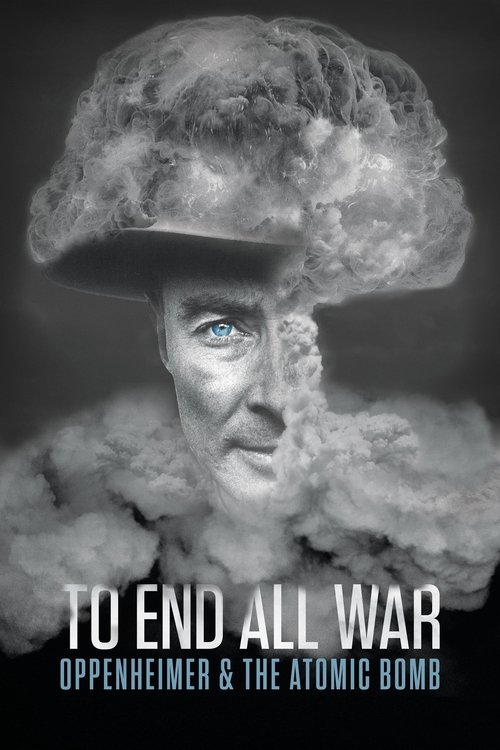
To End All War: Oppenheimer & the Atomic Bomb
7.7

To End All War: Oppenheimer & the Atomic Bomb

Jul 9, 2023

Explore how one man's relentless drive and invention of the atomic bomb changed the nature of war forever, led to the deaths of hundreds of thousands of people and unleashed mass hysteria.

If Only I Were That Warrior
6.5

If Only I Were That Warrior

Nov 28, 2015

If Only I Were That Warrior is a feature documentary film focusing on the Italian occupation of Ethiopia in 1935. Following the recent construction of a monument dedicated to Fascist general Rodolfo Graziani, the film addresses the unpunished war crimes he and others committed in the name of Mussolini’s imperial ambitions. The stories of three characters, filmed in present day Ethiopia, Italy and the United States, take the audience on a journey through the living memories and the tangible remains of the Italian occupation of Ethiopia — a journey that crosses generations and continents to today, where this often overlooked legacy still ties the fates of two nations and their people.

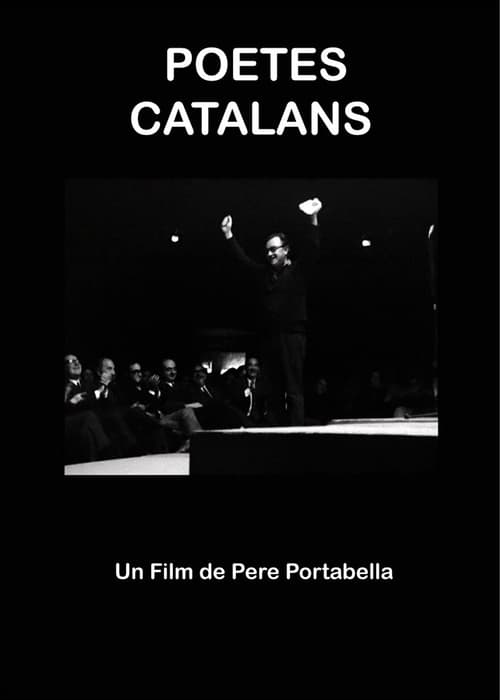
Catalan Poets
0.0

Catalan Poets

Jan 1, 1970

At underground film of the 1st Popular Festival of Catalan Poetry filmed in the Proce Theater in Barcelona on May 25, 1970, in solidarity with political prisoners. The participating poets were: Agustí Bartra, Joan Oliver (Pere IV), Salvador Espriu, Joan Brossa, Francesc Vallverdú and Gabriel Ferrater.

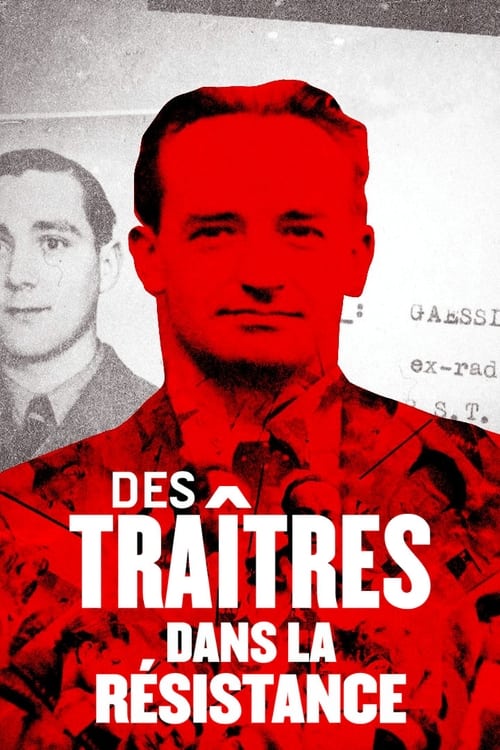
Des traîtres dans la Résistance
7.0

Des traîtres dans la Résistance

Nov 18, 2021

In May 1943, Ernst Kaltenbrunner, the new head of the Reich Central Security Office, gave Hitler a report describing in detail the organization of the French Resistance. Indeed, during the Second World War, most of the Resistance networks had been infiltrated by traitors, the "V Man" (trusted men) in the service of the occupier. The Germans had established treason as a system and recruiting Frenchmen ready to inform on them was one of their priorities. It was these Frenchmen, whose number is estimated at between 20,000 and 30,000, who dealt terrible blows to the Resistance.

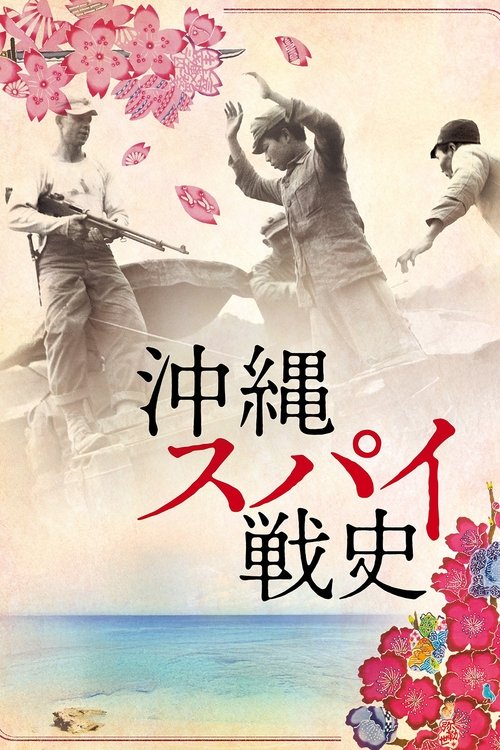
Boy Soldiers: The Secret War In Okinawa
10.0

Boy Soldiers: The Secret War In Okinawa

Jul 21, 2018

The greatest taboo of the Battle of Okinawa were Guerrilla units composed of boy soldiers. Until now, not even the Japanese people knew the full scope of these secret troops, and survivors have been afraid to share their tragic details. Okinawa became the bulwark to protect the Japanese mainland toward the end of World War II. After the Americans landed, a violent battle ensued resulting in the loss of over 200,000 lives – many of them civilian. This documentary uncovers Japan’s deepest secrets concerning the Battle of Okinawa, and also sounds alarms about modern Japan’s recent steps toward remilitarization.

Old Man River
10.0

Old Man River

Mar 3, 1999

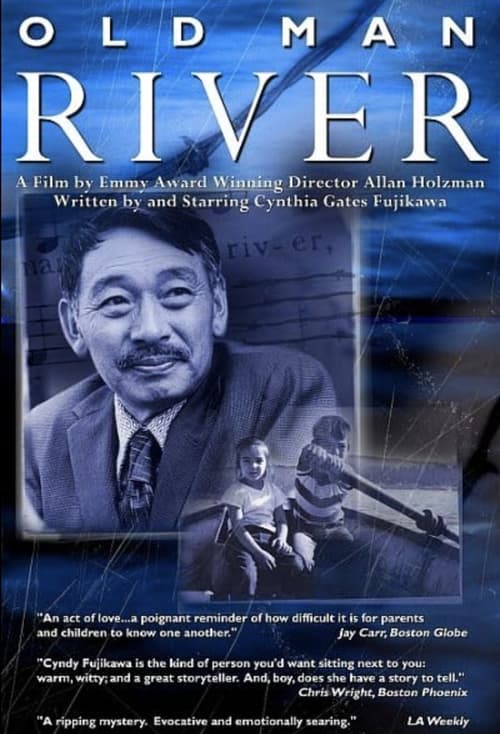
Documentary film version of the stage show in which actress Cynthia Gates Fujikawa explores the story of her father, actor Jerry Fujikawa, who had a long career in films and television, most often as a stereotyped Asian. The daughter, in the course of searching out her late father's history, discovers many things that she had not known, among them that her father had spent time in Manzanar, the internment camp for Japanese-Americans during World War II, that he had had a family prior to hers, and that somewhere out there was a sister she had never known existed.

Electronic Control System of the C-1 Auto Pilot Part 1: Basic Electricity as Applied to Electronic Control System
0.0

Electronic Control System of the C-1 Auto Pilot Part 1: Basic Electricity as Applied to Electronic Control System

Jan 27, 1943

Animated training film depicting the fundamentals of electricity and how electrical signals can be used to keep an airplane on correct course and altitude through an autopilot.

Breakpoint: A Counter History of Progress
7.7

Breakpoint: A Counter History of Progress

Jul 14, 2019

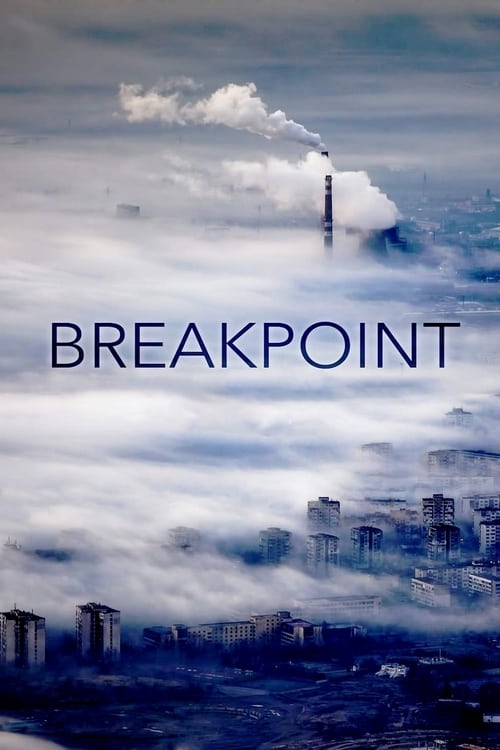
An account of the last two centuries of the Anthropocene, the Age of Man. How human beings have progressed so much in such a short time through war and the selfish interests of a few, belligerent politicians and captains of industry, damaging the welfare of the majority of mankind, impoverishing the weakest, greedily devouring the limited resources of the Earth.

The World Under the Bombs, from Guernica to Hiroshima
7.0

The World Under the Bombs, from Guernica to Hiroshima

Jan 23, 2017

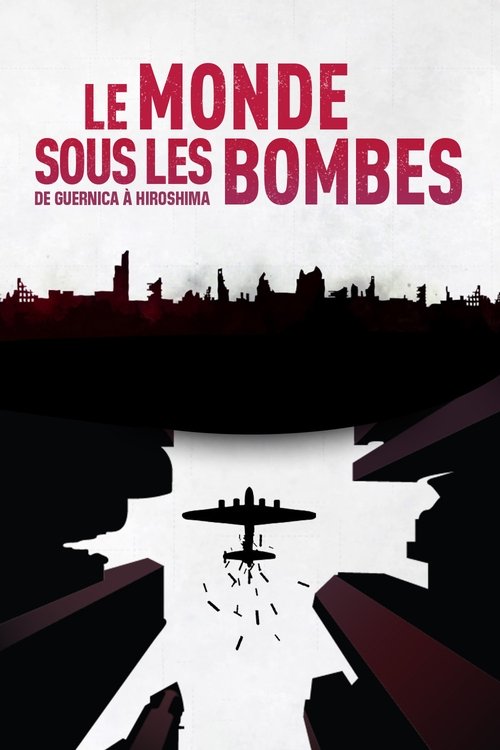
Beginning with Guernica and the Chinese cities of Chongqing and Shanghai in 1937 and ending with the bombing of Hiroshima and Nagasaki in August 1945, World War Two saw a new art of warfare in the form of extensive, worldwide bombing campaigns.

8000 Stolen Futures: The Children at the Center of the A-Bomb
0.0

8000 Stolen Futures: The Children at the Center of the A-Bomb

Nov 6, 2022

On August 6, 1945, the first-ever nuclear bomb deployed in war was dropped on the city of Hiroshima Prefecture, leaving an estimated 140,000 dead in its wake by the end of that year. Among the victims, one particular age group stands out for the sheer number of fatalities sustained: 12 and 13 year-olds, children of first year junior high school age. We investigate the tragedy of this lost generation, piecing together surviving records and speaking with survivors, for whom the memories of children robbed of their futures that day are still burned deep in their memories, nearly eight decades on.

Workers Leaving the Lumière Factory
6.7

Workers Leaving the Lumière Factory

Mar 22, 1895

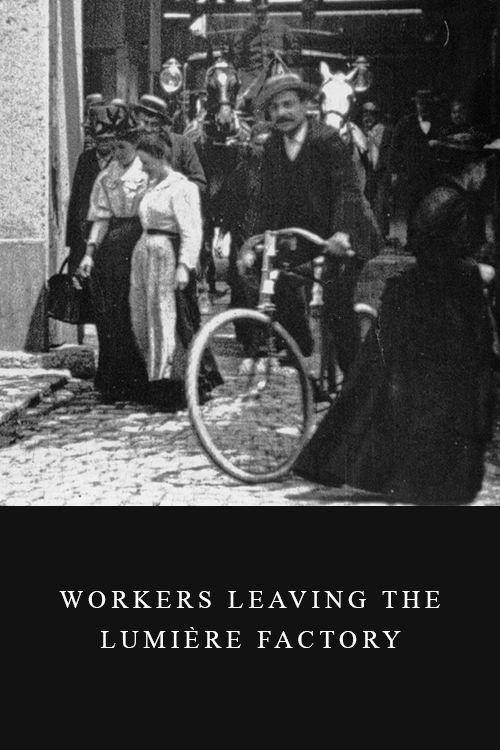
Working men and women leave through the main gate of the Lumière factory in Lyon, France. Filmed on 22 March 1895, it is often referred to as the first real motion picture ever made, although Louis Le Prince's 1888 Roundhay Garden Scene pre-dated it by seven years. Three separate versions of this film exist, which differ from one another in numerous ways. The first version features a carriage drawn by one horse, while in the second version the carriage is drawn by two horses, and there is no carriage at all in the third version. The clothing style is also different between the three versions, demonstrating the different seasons in which each was filmed. This film was made in the 35 mm format with an aspect ratio of 1.33:1, and at a speed of 16 frames per second. At that rate, the 17 meters of film length provided a duration of 46 seconds, holding a total of 800 frames.

Heart Mountain: Three Years in a Relocation Center
0.0

Heart Mountain: Three Years in a Relocation Center

Feb 20, 1997

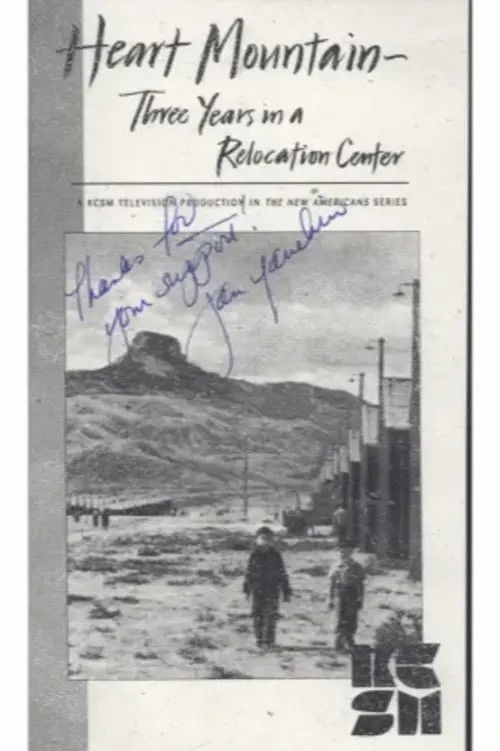
A documentary film about the internment of Japanese Americans at Heart Mountain, Wyoming during World War II. The program, hosted by Jan Yanehiro, proceeds in part as a series of interviews. It also includes archival film footage of Heart Mountain and Japanese Americans during World War II, as well as present day footage of the Heart Mountain landscape.

No Image Available
0.0

Tanforan: Race Track to Assembly Center

Invalid Date

From Race Track to Assembly Center documents life for San Francisco Bay Area residents of Japanese ancestry incarcerated at the Tanforan Race Track in San Mateo County after being evicted from their homes during World War II.