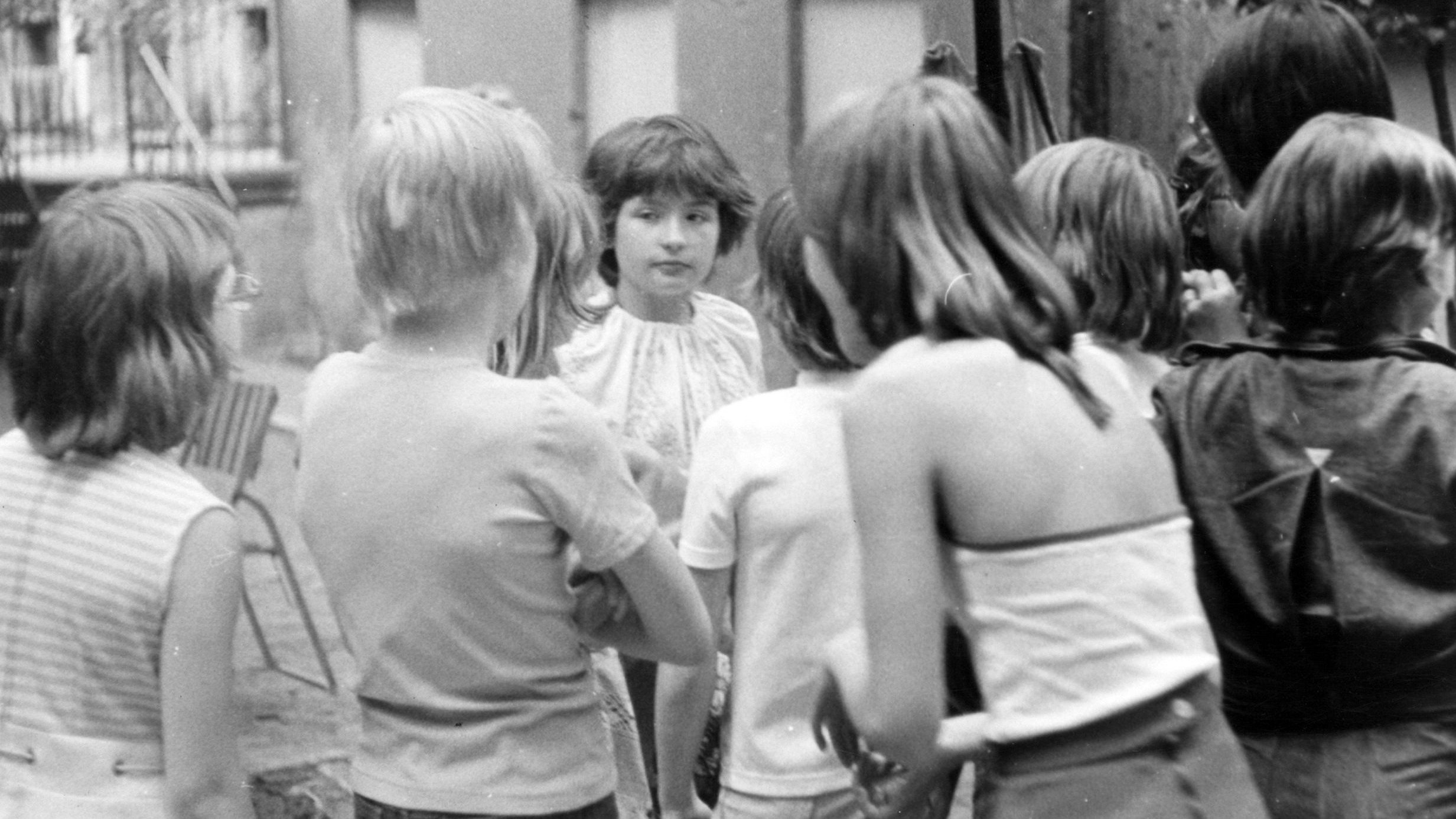
Documentary about a district with social problems and an unconventional teacher, who tries to teach more than just knowledge.
No Trailers found.
No Cast found.
The film is a controversy on democracy. Is our society really democratic? Can everyone be part of it? Or is the act of being part in democracy dependent to the access on technology, progression or any resources of information, as philosophers like Paul Virilio or Jean Baudrillard already claimed?
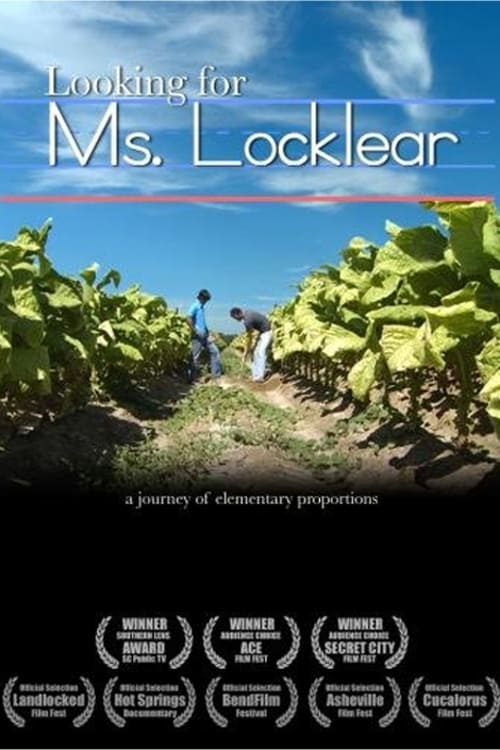
We met in first grade in Ms. Locklear’s class. During the summer of 2006, we decided to search for our beloved teacher. We chose not to use the internet or the telephone, but instead to rely on face-to-face contact with people. Looking for Ms. Locklear is a documentary chronicling our search, which led us far from home and into the company of a host of characters.
Ten years ago, Tetsuya Miyamoto had a dream to change the world through puzzles. In his classroom in Yokohama, KenKen was born. Enter a world where puzzles matter. From Tokyo to New York, from the classroom to the puzzle page to the tournament floor, Miyamoto and the Machine takes you into the brain of the inventor and the players, all while the machines of business and technology crash into artistry and humanity. Miyamoto believes each handcrafted puzzle tells a story, and if you look hard enough between the rows, columns, and cages of KenKen, you can find the story of the sensei who started a global phenomenon.
No overview available.
Journey with the musicians of the Berlin Philharmonic and their conductor Sir Simon Rattle on a breakneck concert tour of six metropolises across Asia: Beijing, Seoul, Shanghai, Hong Kong, Taipei and Tokyo. Their artistic triumph onstage belies a dynamic and dramatic life backstage. The orchestra is a closed society that observes its own laws and traditions, and in the words of one of its musicians is, “an island, a democratic microcosm – almost without precedent in the music world - whose social structure and cohesion is not only founded on a common love for music but also informed by competition, compulsion and the pressure to perform to a high pitch of excellence... .” Never before has the Berlin Philharmonic allowed such intimate and exclusive access into its private world.
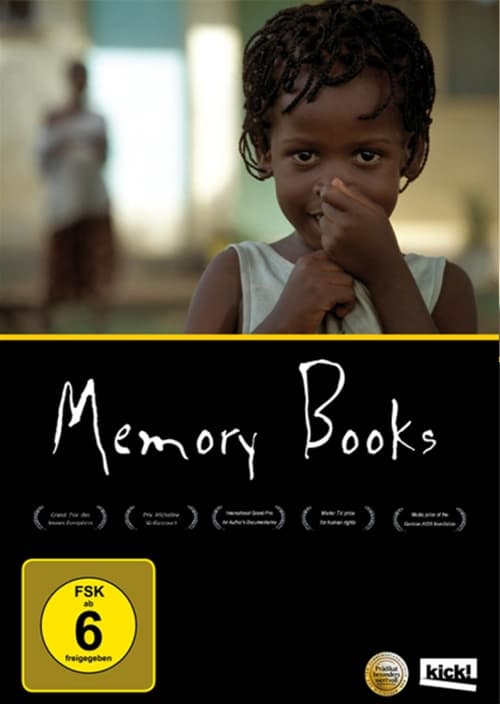
In Uganda, AIDS-infected mothers have begun writing what they call Memory Books for their children. Aware of the illness, it is a way for the family to come to terms with the inevitable death that it faces. Hopelessness and desperation are confronted through the collaborative effort of remembering and recording, a process that inspires unexpected strength and even solace in the face of death.
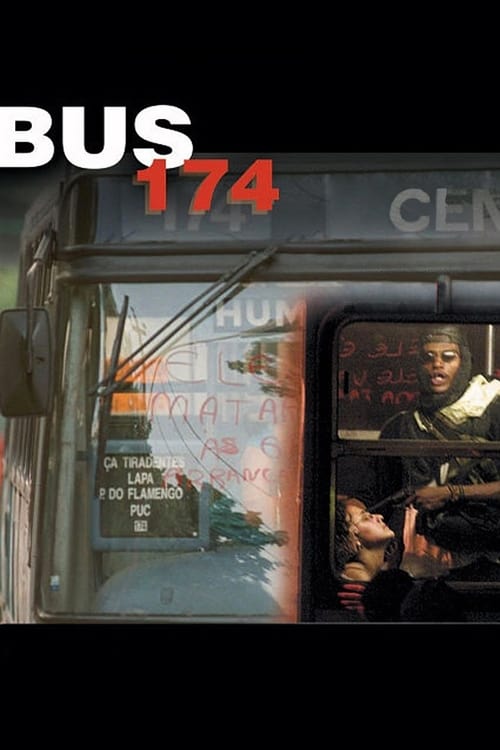
Documentary depicts what happened in Rio de Janeiro on June 12th 2000, when bus 174 was taken by an armed young man, threatening to shoot all the passengers. Transmitted live on all Brazilian TV networks, this shocking and tragic-ending event became one of violence's most shocking portraits, and one of the scariest examples of police incompetence and abuse in recent years.
A documentary focusing on the rebuilding projects in Berlin after the fall of the Berlin Wall.
Six blind Tibetan teenagers climb the Lhakpa-Ri peak of Mount Everest, led by seven-summit blind mountain-climber Erik Weihenmayer.
The film accompanies Jenny Gröllmann, a German actress, during the last two years of her life.
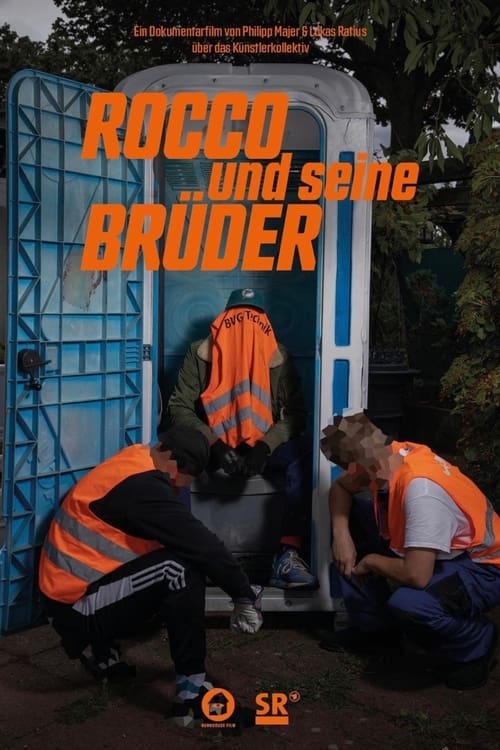
They are known as "shock activists", surprising again and again with radical-provocative, often illegal art actions. Up-close insights into the work of the artist collective and the Berlin graffiti scene.
A day in the city of Berlin, which experienced an industrial boom in the 1920s, and still provides an insight into the living and working conditions at that time. Germany had just recovered a little from the worst consequences of the First World War, the great economic crisis was still a few years away and Hitler was not yet an issue at the time.
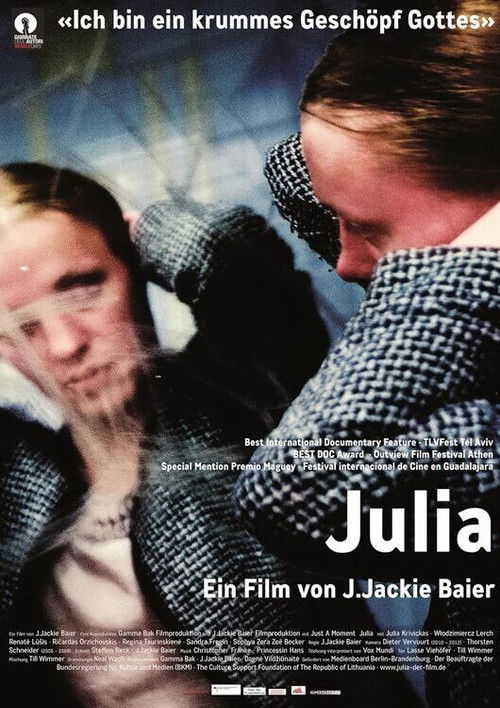
Julia is a young transgender woman who left her home country of Lithuania. Now living in Germany, she walks the streets of Berlin, working as a prostitute to survive. This documentary revisits Julia over a ten-year period of her life.
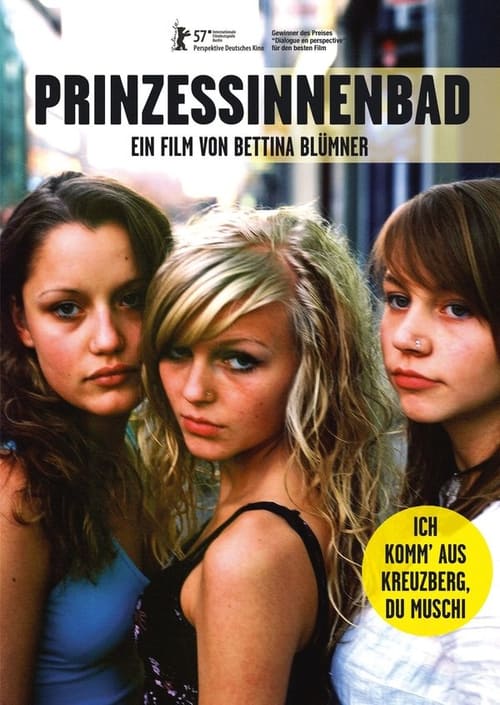
A film about three teenagers - Klara, Mina and Tanutscha - from the Berlin district of Kreuzberg. The trio have known each other since Kindergarten and have plenty in common. The three 15-year-olds are the best of friends; they are spending the summer at Prinzenbad, a large open-air swimming pool at the heart of the district where they live. They're feeling pretty grown up, and are convinced they've now left their childhood behind.
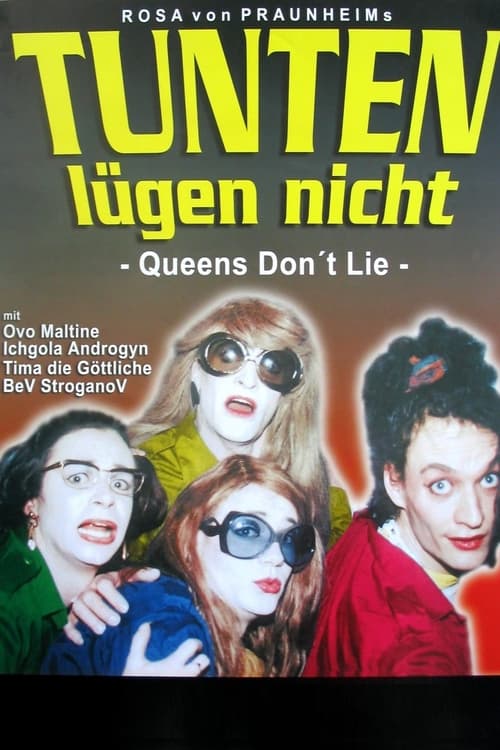
Bosom buddies BeV StroganoV, Ovo Maltine, Ichgola Androgyn and Tima die Göttliche are four Berlin drag queens who met in the mid 1980s. These four queens became Germany’s most popular drag performers and have been busy fertilizing the German cultural scene. Besides being performers, they are also political activists – in AIDS awareness, anti-gay violence, the sex workers movement and the struggle against the extreme right and racism. The film tells their story.
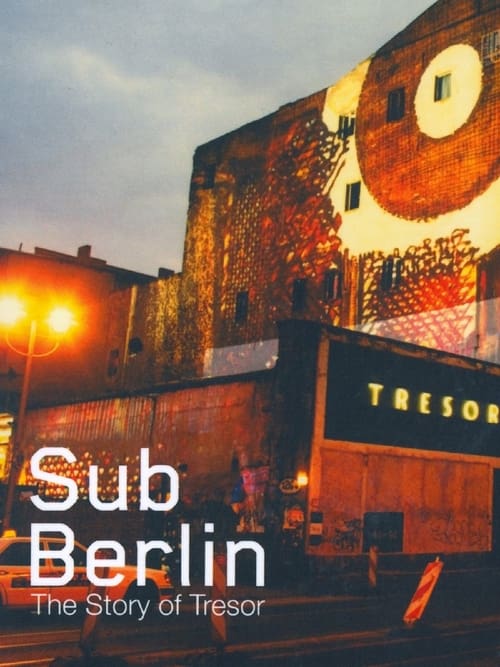
The original Tresor was in many ways the quintessential Berlin club: located in an unrenovated vault beneath a bombed out department store, it opened its doors amidst the general confusion and ecstasy that swept across the city when the wall fell. Its low ceilings, industrial decor and generally unhinged atmosphere created an unprecedented platform not only for techno in Berlin, but also for the scene taking shape across the Atlantic in Detroit.
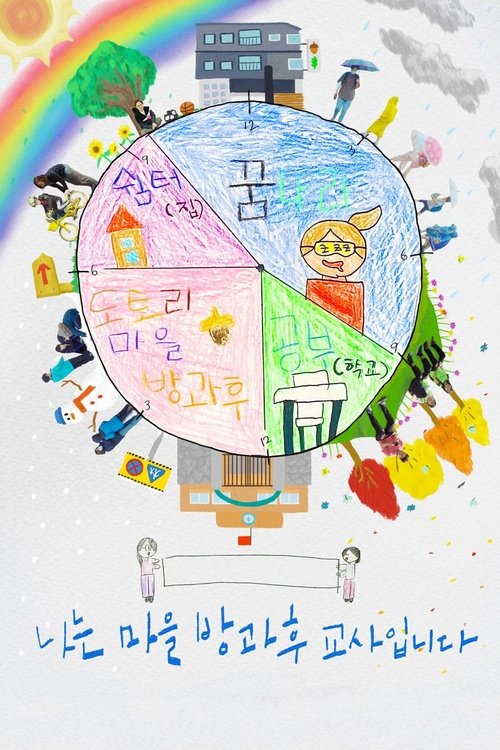
We no longer see children running around playing in the alleys of Seoul. Starting from elementary school, children go to private classes after their school. However, we see these people who are making efforts to protect children’s right to be a child and play like a child.
Filmmaker Ester Martin Bergsmark interrogates their response to a transphobic slur hurled at them following their move to Berlin. Exploring the root of violence and its nature, this is a powerful meditation on the trans experience and a treatise on how to move forward from fear.
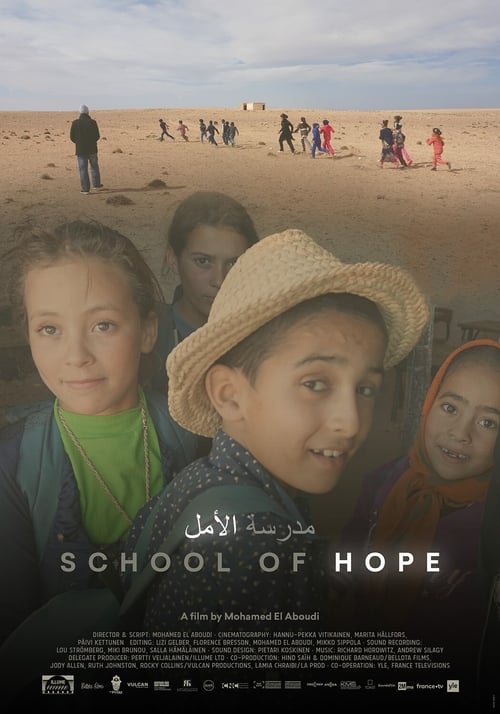
In the vast expanse of desert East of Atlas Mountains in Morocco, seasonal rain and snow once supported livestock, but now the drought seems to never end. Hardly a blade of grass can be seen, and families travel miles on foot to get water from a muddy hole in the ground. Yet the children willingly ride donkeys and bicycles or walk for miles across rocks to a "school of hope" built of clay. Following both the students and the teachers in the Oulad Boukais Tribe's community school for over three years, SCHOOL OF HOPE shows students Mohamed, Miloud, Fatima, and their classmates, responding with childish glee to the school's altruistic young teacher, Mohamed. Each child faces individual obstacles - supporting their aging parents; avoiding restrictions from relatives based on traditional gender roles - while their young teacher makes do in a house with no electricity or water.
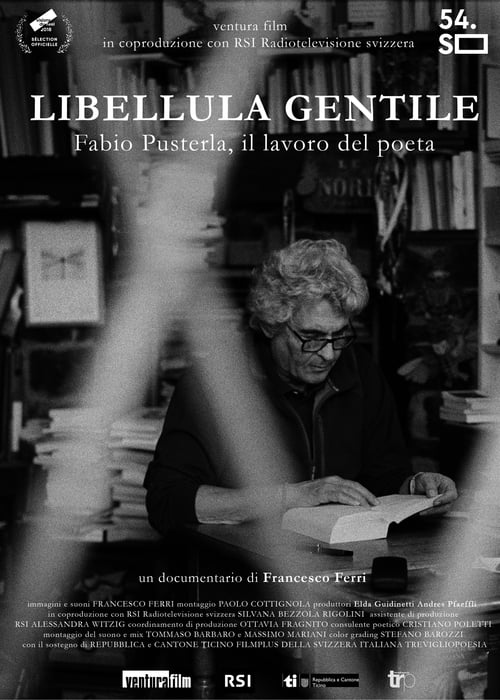
A film about the Swiss Italian poet Fabio Pusterla and his creative poetic process, his struggle to find an honest language, one which adheres to the personal experience and is able to unfold a hidden truth that creates a strong and profound bond with the other, with his public.