WHAT DOES POWER MEAN TO YOU?
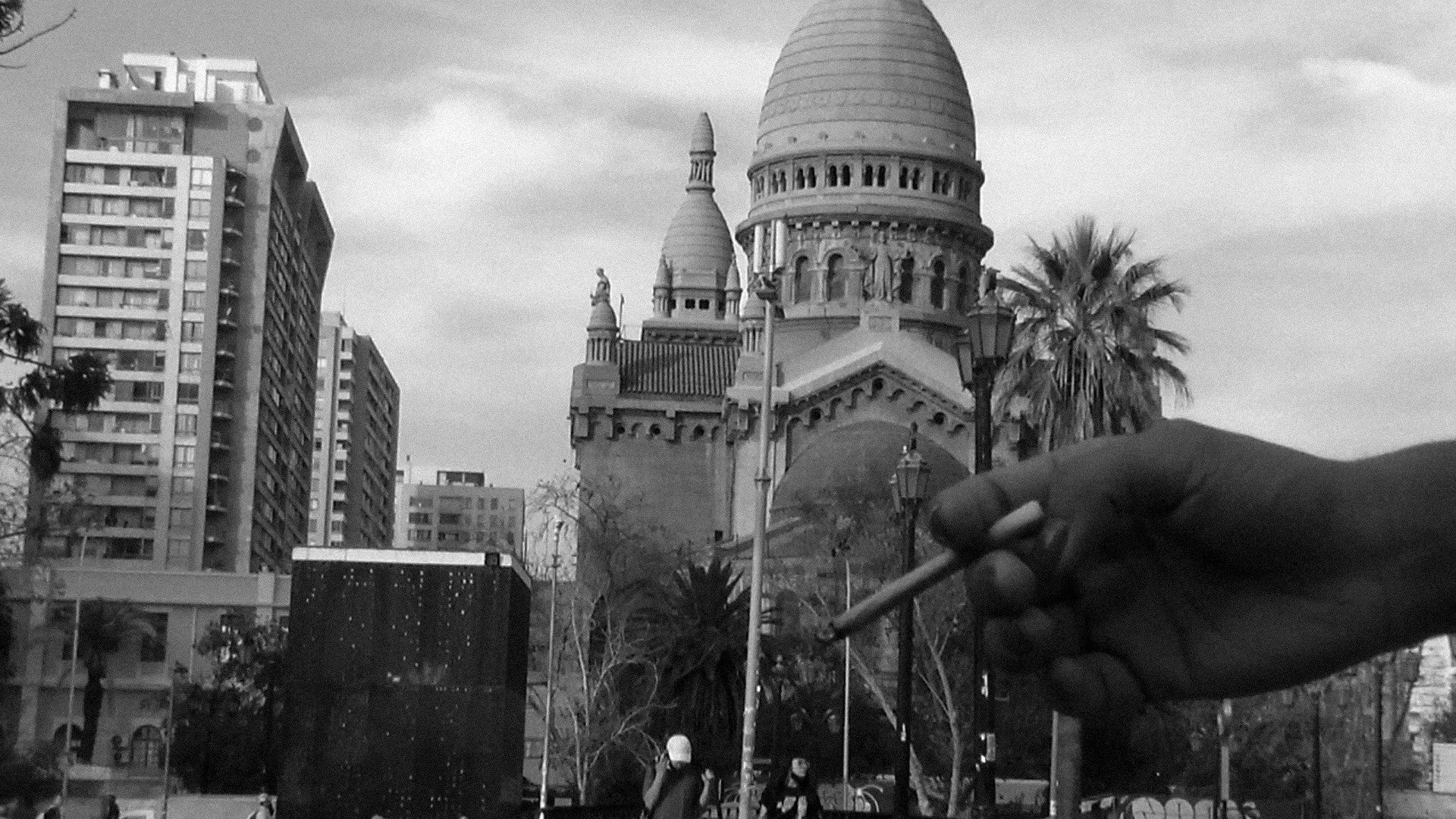
Chileans are asked about their definition of the word (and the concept of) "power", as they answer images flash on the screen of powerful and powerless figures in Chilean history.
No Trailers found.
No Cast found.
For hundreds of years, Taiwan has been under different colonial rules. From the Dutch, the Spanish, the Japanese, and nowadays Republic of China, each regime left their footprints on this island. Only the indigenous people of this island experienced of the process. They were given different names during different periods of colonisation and their cultures have been changed. Through the life of a Truku elder, we see the history of aboriginal recertification movement.
Fragments from Brussels, about the flow of the city, A cinema, A body, A film, and a wind that blows through the town. The film is a Schizomentry experience that blends real stories and fiction. After all, where is the border?
If Only I Were That Warrior is a feature documentary film focusing on the Italian occupation of Ethiopia in 1935. Following the recent construction of a monument dedicated to Fascist general Rodolfo Graziani, the film addresses the unpunished war crimes he and others committed in the name of Mussolini’s imperial ambitions. The stories of three characters, filmed in present day Ethiopia, Italy and the United States, take the audience on a journey through the living memories and the tangible remains of the Italian occupation of Ethiopia — a journey that crosses generations and continents to today, where this often overlooked legacy still ties the fates of two nations and their people.
An experimental documentary looking at the transgender experience around the world over two hemispheres, three continents and with four interviewees. The film employs limited B roll shots or edits during the interviews, instead opting to have the interviews mostly uncut, with the goal of creating both a level of sincerity and a conversational narrative between any one of the interviewees and the audience.
Inside a computer a space-time is revealed in which image and sound become numbers and motion manifests as rhythm, flow and chaos. This tracking and integration experiment removes the superficial identity of video to detect kinetic disturbances in everyday environment.
Arguing that advertising not only sells things, but also ideas about the world, media scholar Sut Jhally offers a blistering analysis of commercial culture's inability to let go of reactionary gender representations. Jhally's starting point is the breakthrough work of the late sociologist Erving Goffman, whose 1959 book The Presentation of the Self in Everyday Life prefigured the growing field of performance studies. Jhally applies Goffman's analysis of the body in print advertising to hundreds of print ads today, uncovering an astonishing pattern of regressive and destructive gender codes. By looking beyond advertising as a medium that simply sells products, and beyond analyses of gender that tend to focus on either biology or objectification, The Codes of Gender offers important insights into the social construction of masculinity and femininity, the relationship between gender and power, and the everyday performance of cultural norms.
At a time when French flags are being burned and French embassies targeted, this documentary delves into the growing disaffection between French-speaking Africa and the former colonial power. Through the voices of African leaders, pan-African activists, and committed young people, the film questions the persistence of a relationship marked by the aftermath of colonization, the opaque agreements of "Françafrique," and a military presence deemed paternalistic.
An inspiring 75min DIY documentary film on new art and the young artists behind it. It was all filmed on the heat of live action of the first NOVA Contemporary Culture Festival, July and August 2010 in São Paulo, Brazil.
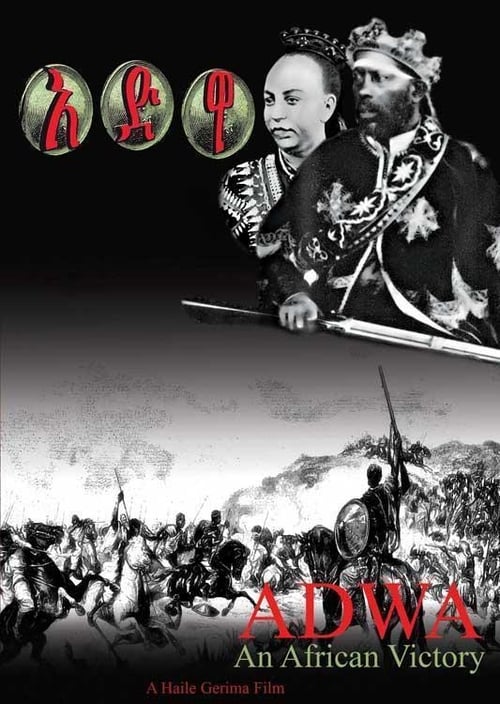
In 1896, Ethiopia, an African nation, largely armed with spears and knives, defeats a well-equipped and organized Italian military bent on colonization.
When one thinks of the American Deep South, the image of veiled Muslim students strolling the University of Alabama campus is the last thing that comes to mind. VOICES OF MUSLIM WOMEN FROM THE US SOUTH is a documentary that explores the Muslim culture through the lens of five University of Alabama Muslim students. The film tackles how Muslim women carve a space for self-expression in the Deep South and how they negotiate their identities in a predominantly Christian society that often has unflattering views about Islam and Muslims. Through interviews with students and faculty at Alabama, this film examines representations and issues of agency by asking: How do Muslim female students carve a space in a culture that thinks of Muslims as terrorists and Muslim women as backward?
A trip that the author makes to a distant beach trying to find the place where his grandfather made a painting years ago.
Made from reimagined/recycled images and sounds from the filmmaker’s archive and other found materials, Undercurrents is a poetic essay documentary about the undercurrents of history playing out in the present. It is also (at its heart) about the power of resistance.
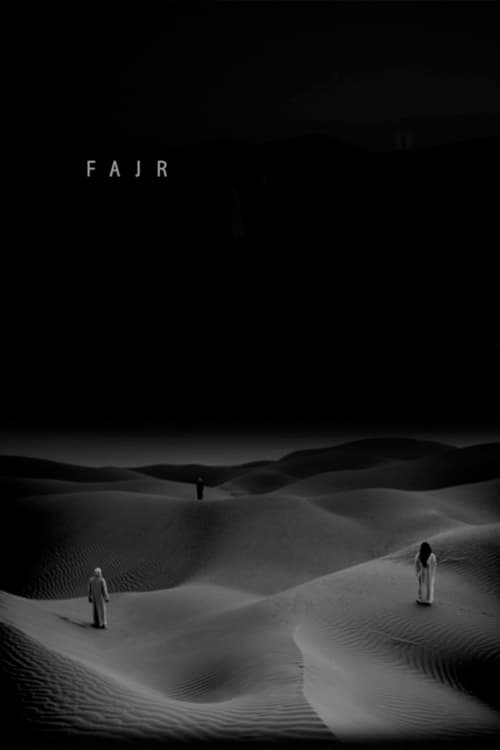
In the Moroccan desert night dilutes forms and silence slides through sand. Dawn starts then to draw silhouettes of dunes while motionless figures punctuate landscape. From night´s abstraction, light returns its dimension to space and their volume to bodies. Stillness concentrates gaze and duration densify it. The adhan -muslim call to pray- sounds and immobility, that was condensing, begins to irradiate. And now the bodies are those which dissolves into the desert.
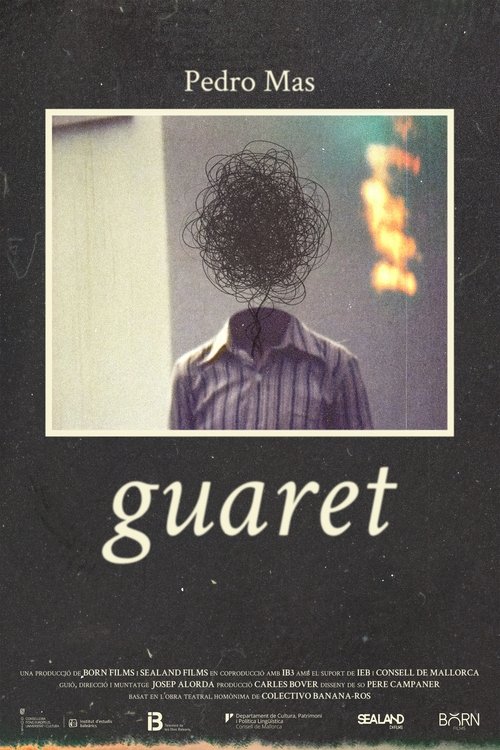
Pedro is Mallorcan, born to a mother from Burgos and a father from Mallorca. Due to his distant relationship with his father, Pedro doesn't fully master Mallorcan as a language. He turns to the works of Damià Huguet to remember his father, as only his poems can fill the void left by his death. The poet's words transport Pedro to his childhood and his roots, even though many of the words are unknown to him, despite them belonging to his language. This becomes the driving force behind the protagonist's search for his own identity, his origins, what it means to be a man, father-son relationships, collective identity, and "mallorquinness". Pedro constantly questions the emotions stirred by Huguet's poetry, and, most importantly, who he is and where he belongs.
Negotiating Amnesia is an essay film based on research conducted at the Alinari Archive and the National Library in Florence. It focuses on the Ethiopian War of 1935-36 and the legacy of the fascist, imperial drive in Italy. Through interviews, archival images and the analysis of high-school textbooks employed in Italy since 1946, the film shifts through different historical and personal anecdotes, modes and technologies of representation.
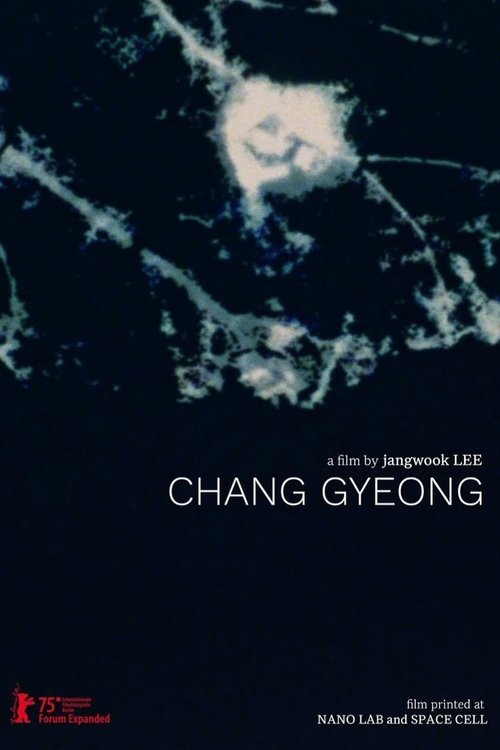
"Emotional memories that had formed the ambiguous boundaries between reality and fantasy began to divide exactly in two, and at the same time there was no emotion left on either side of reality and fantasy." Chang Gyeong is the name of a palace in central Seoul - a palace that was turned into a zoo by the occupying Japanese.
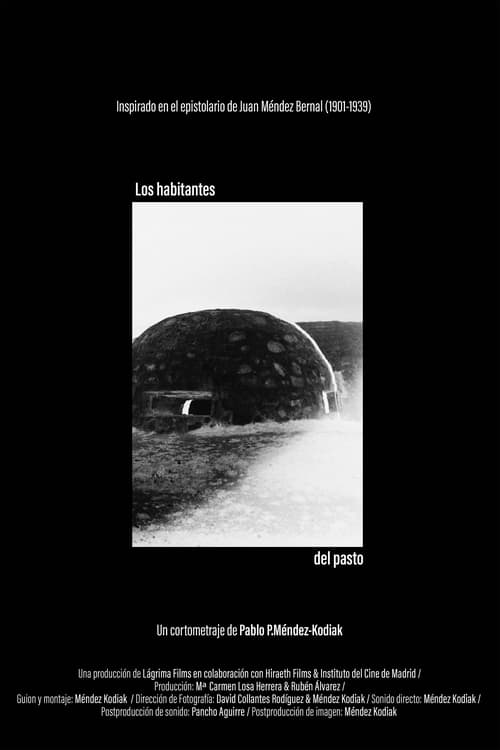
Juan Méndez Bernal leaves his house on the 9th of april of 1936 to fight in the imminent Spanish Civil War. 83 years later, his body is still one of the Grass Dwellers. The only thing that he leaves from those years on the front is a collection of 28 letters in his own writing.
No overview available.
A new exploration of familiar places located in the region of Rhône and Isère throught an reinvention of digital nuances, a study of perceptions and fluidity around the nature of motion in landscapes and human interactions.
Why is social trust breaking down, and how do we find it again? This is the question at the heart of Leviathan. Directed and produced by Alexander Beiner, it draws on sociology, myth, psychology, economics and systems theory to delve into the deep code of culture and make sense of the times we live in. It’s a journey that invites the viewer to confront the shadows lurking at the heart of our systems, and points the way toward hope, healing and action.