No Trailers found.
No Cast found.
In the table that symbolizes the value of traditional women, a woman who wants to break free from her family must face her daughter.
What would your family reminiscences about dad sound like if he had been an early supporter of Hitler’s, a leader of the notorious SA and the Third Reich’s minister in charge of Slovakia, including its Final Solution? Executed as a war criminal in 1947, Hanns Ludin left behind a grieving widow and six young children, the youngest of whom became a filmmaker. It's a fascinating, maddening, sometimes even humorous look at what the director calls "a typical German story." (Film Forum)
Filmmaker Kimi Takesue captures the cadence of daily life for Grandpa Tom, a retired postal worker born to Japanese immigrants to Hawai’i in the 1910s. Amidst the solitude of his home routines — coupon clipping, rigging an improvised barbecue, lighting firecrackers on the New Year — we glimpse an unexpectedly rich inner life.
A frenetic found-footage documentary made entirely from “lost” unlabeled media on YouTube - weaving together nearly a thousand raw videos, each mistakenly or mindlessly uploaded under a generic filename (e.g., IMG 1326, IMG 5493…).
A making-of documentary of the analogue horror short film "Interchange" made by James Seed.
RE:MEMBER is a documentary, split into three chapters, that provides insights into the topics of memory, media, and history, specifically through the lens of two millennial participants. Through their testimonies and introspections, we start to see the rift between the media they were nostalgic for and the reality we currently live in. They also consider how our current attitudes towards media have shaped our previous environments and how we can change society to better our future generations.
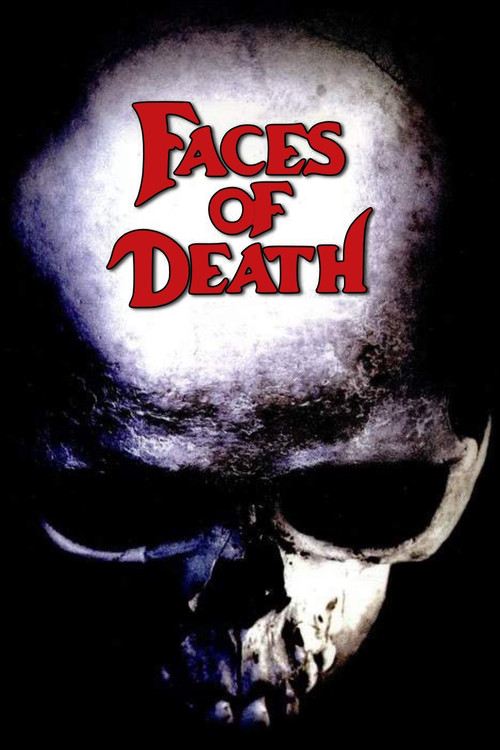
A collection of death scenes, ranging from TV-material to home-made super-8 movies. The common factor is death by some means.
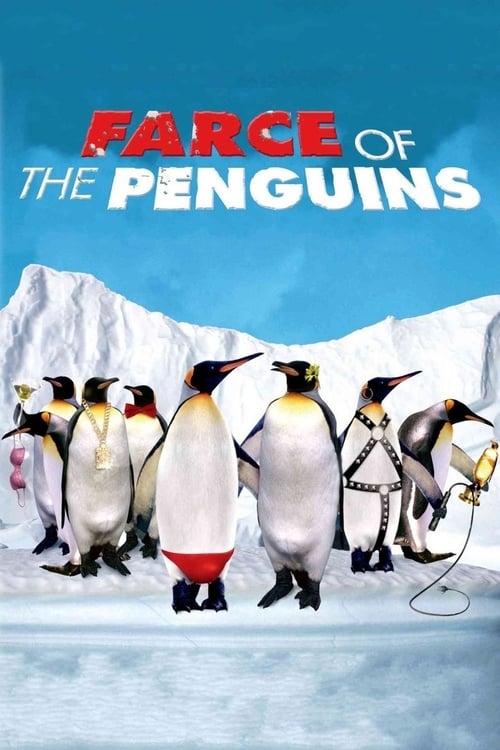
In this spoof of "March of the Penguins," nature footage of penguins near the South Pole gets a soundtrack of human voices. Carl and Jimmy, best friends, walk 70 miles to the mating grounds where the female penguins wait. The huddled masses of females - especially Melissa and Vicki - talk about males, mating, and what might happen this year. Carl, Jimmy, and the other males make the long trek talking about food, fornication and flatulence. Until this year, Carl's sex life has been dismal, but he falls hard for Melissa. She seems to like him. A crisis develops when Jimmy comes upon something soft in the dark. Can friends forgive? Does parenthood await Carl and Melissa?
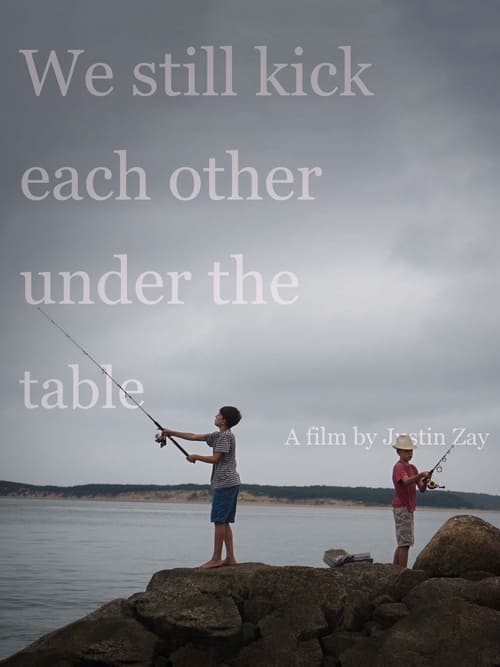
What it is like to have a younger sibling
The rise and fall of Yugoslavian filmmaker Dušan Vukotić - the only Yugoslav Oscar-winner and one of the founding members of the Zagreb School of Animation - uncannily mirrors the tragic fate of his multiethnic country.
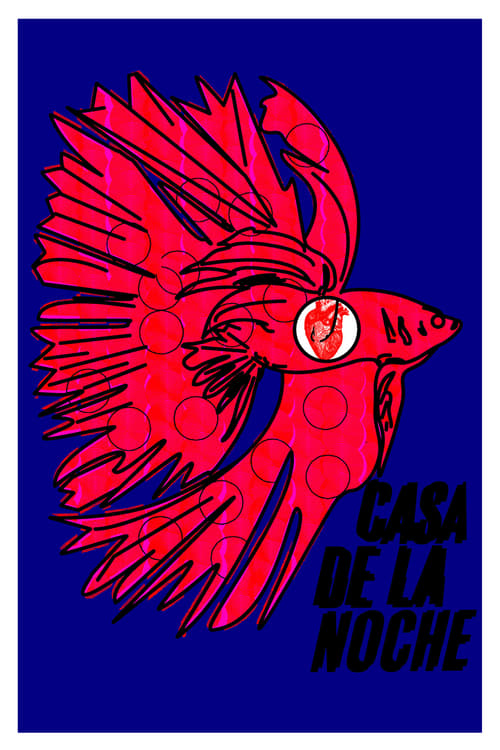
Shot in Havana and processed at Phil Hoffman's Film Farm, Marcel Beltrán Fernández's Casa de la noche explores those same histories from the point of view of an insider, as a lived experience that is evocatively mirrored through ripped and torn celluloid.
Tips for what to expect when taking a vacation aboard a cruise ship, and how to make the most of the trip.
A paralysingly beautiful documentary with a global vision—an odyssey through landscape and time—that attempts to capture the essence of life.
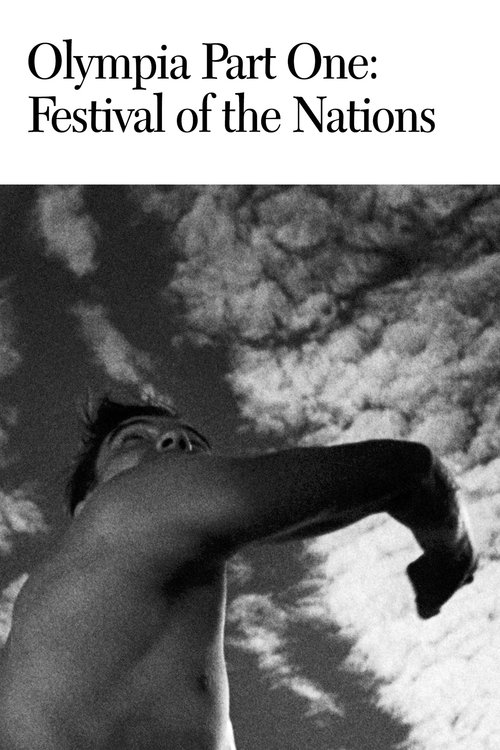
Starting with a long and lyrical overture, evoking the origins of the Olympic Games in ancient Greece, Riefenstahl covers twenty-one athletic events in the first half of this two-part love letter to the human body and spirit, culminating with the marathon, where Jesse Owens became the first track and field athlete to win four gold medals in a single Olympics.
Part two of Leni Riefenstahl's monumental examination of the 1938 Olympic Games, the cameras leave the main stadium and venture into the many halls and fields deployed for such sports as fencing, polo, cycling, and the modern pentathlon, which was won by American Glenn Morris.
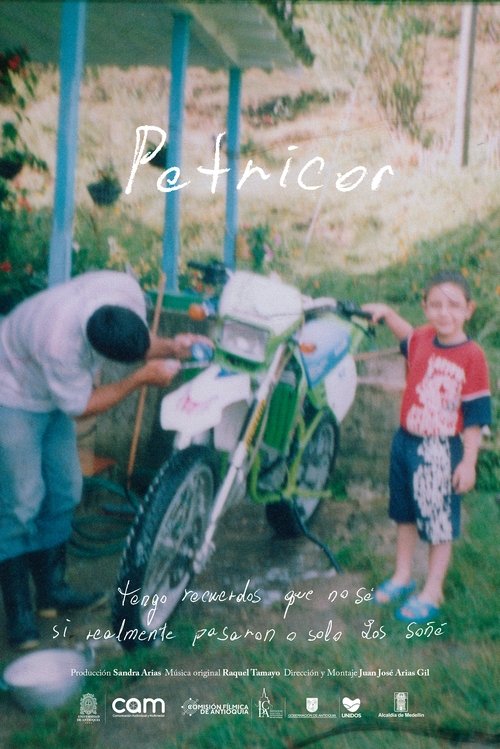
Director Juan José Arias uses old family videos to try to find out what kind of person his father was. His image comes back in dreams, his voice whispers in the smell of rain and his embrace lies in an old house in the country where they used to spent the holidays. Reality, memories and dreams blur together in a poetic way.
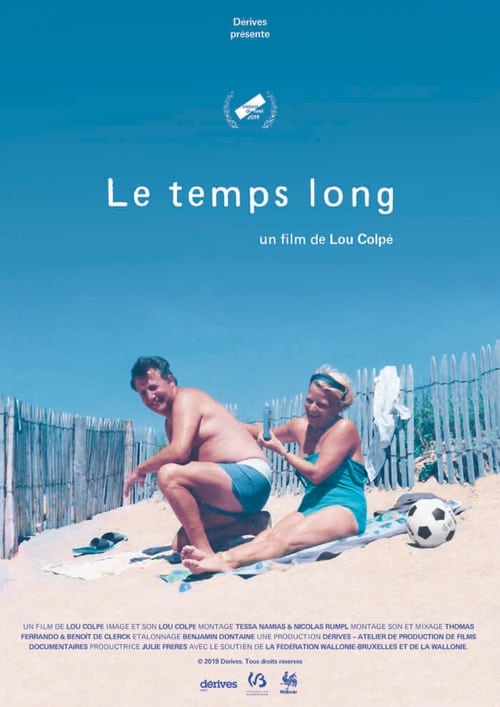
Lou Colpé has been filming her grandparents since she was 15. In the process of this intense relationship, she notices some disconcerting signs in her grandmother: Alzheimer’s is slowing her down. A new film begins, a tougher one: the story of a couple that must face a tremendous challenge. Struggling against the tide of oblivion, the task of filmmaking becomes the ultimate act of resistance. Trying to retain the last images of her grandparents, an intimate conversation begins and echoes through the songs that play on the radio, conjuring lost stories and memories.
A day in the city of Berlin, which experienced an industrial boom in the 1920s, and still provides an insight into the living and working conditions at that time. Germany had just recovered a little from the worst consequences of the First World War, the great economic crisis was still a few years away and Hitler was not yet an issue at the time.
Neirud died shrouded in mystery, leaving behind no trace of her past. Confronting family secrets, the filmmaker pieces together the life of her enigmatic aunt, who toured Brazil as a wrestler in an underground all-female circus troupe throughout the 60s and 80s. As she investigates Neirud's controversial ring persona, Gorilla Woman, the filmmaker uncovers a taboo-breaking love story, revealing the surprising nature of Neirud's role in her own family.
By letting go of the urge to control and embracing the unexpected, the creative process finds a new pulse. Thus, Gut Knows What Mind Does Not Understand aims to celebrate what emerges when we trust our intuition and the experiences the world offers us.